

Planning a wedding involves countless decisions, but few are as crucial or emotionally resonant as choosing your visual memories. Your photos and videos are the only tangible items that last long after the last dance. Securing the perfect wedding photo and video package requires careful planning, clear communication, and strategic negotiation. It is not just about finding the cheapest option; it is about maximizing value while ensuring the quality and coverage meet your unique vision.
This comprehensive guide, written by industry experts, will walk you through the entire process. We will define what constitutes a standard wedding photo and video package, explain how to evaluate vendor proposals, and provide actionable negotiation tactics to help you secure the best possible deal without sacrificing quality. Understanding the nuances of vendor pricing and service tiers is the first step toward a successful outcome.
Wedding Media Package Breakdown
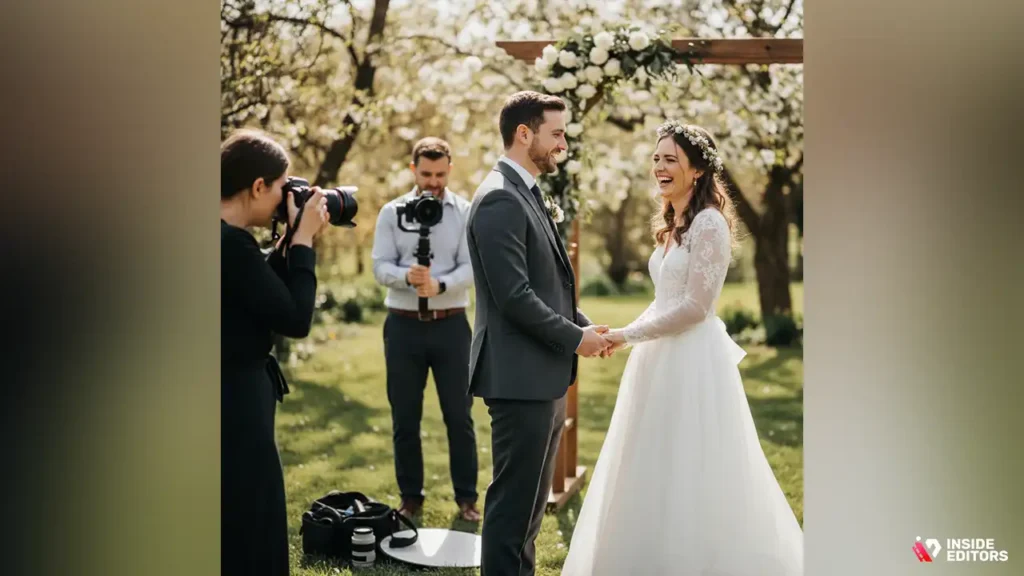
Before you can negotiate effectively, you must understand exactly what you are buying. A standard wedding photo and video package is a bundled service offering both photography and videography coverage, usually provided by a single vendor or a coordinated team. This bundling often provides cost savings and ensures a cohesive visual style across both mediums.
Defining Standard Coverage and Deliverables
Most packages are structured around two main variables: coverage time and final deliverables. Coverage time dictates how many hours the team will be present on your wedding day, typically ranging from 6 to 12 hours. Deliverables include the final products you receive after editing.
For photography, deliverables usually include a set number of high-resolution digital images, printing rights, and sometimes a physical album. For videography, the standard output is a highlight reel (a 3-5 minute cinematic summary) and a longer feature film (15-30 minutes). Understanding the difference between raw footage and edited footage is vital here. Raw footage is the unedited material directly from the camera, while edited footage has been color-corrected, stabilized, and artistically assembled.
“The true value in a package is not the quantity of hours, but the quality of the storytelling those hours produce. Always prioritize the artist’s style and consistency.” – Sarah Jenks, Professional Wedding Planner
Many couples overlook the importance of post-production services when evaluating a wedding photo and video package. Editing is where the magic happens. It transforms raw clips into a polished, emotional narrative. If you are focused on maximizing the impact of your video deliverables, consider the specialized services offered by professional editing teams. For instance, services like Inside Editors provide expert video editing for various content creators, ensuring fast turnaround times (24-72 hours) and professional quality that builds trust. Their expertise in color grading and audio enhancement can elevate even standard footage to a cinematic level.
The Value of Bundled Services
Choosing a combined wedding photo and video package from a single company often streamlines communication and ensures stylistic consistency. When the photographer and videographer have worked together before, they operate as a cohesive unit, avoiding situations where one accidentally obstructs the other’s shot. This synergy translates directly into better final products.
However, sometimes the best photographer and the best videographer are separate entities. If you choose two different vendors, be prepared for increased coordination efforts and potentially higher individual costs. The negotiation leverage you gain from bundling services is a significant advantage, as vendors prefer securing two bookings with one contract.
Evaluating Vendor Proposals and Pricing Structures

Once you start receiving proposals, the sheer variety of pricing structures can be overwhelming. Vendors often use tiered pricing (Bronze, Silver, Gold) or a la carte options. Your goal is to accurately compare these proposals to determine true value.
Decoding Tiered Pricing Models
Tiered models are designed to simplify choices but often hide crucial details. A basic tier might offer 6 hours of coverage and a highlight reel, while the premium tier includes 10 hours, two shooters, a full feature film, and a physical album.
When comparing tiers, look closely at the fine print:
- Second Shooter Inclusion: Does the price include a second photographer and/or videographer? A second shooter is essential for capturing simultaneous events (like both partners getting ready) and ensuring varied angles during the ceremony.
- Rights and Licensing: Do you receive full printing and usage rights for the photos? For video, do you own the final edited product, or is the vendor retaining some rights?
- Delivery Format: Are the photos delivered via digital download, USB, or both? How is the video delivered (online gallery, physical media)?
The Hidden Costs: Travel, Overtime, and Editing
The initial quote for a wedding photo and video package rarely covers every potential expense. Be vigilant about identifying potential hidden costs that can inflate your budget later.
| Potential Hidden Cost | Description | Negotiation Tactic |
| Travel Fees | Costs for vendors traveling outside their local radius (mileage, accommodation, flights). | Negotiate a flat, all-inclusive travel rate or offer to book discounted accommodation. |
| Overtime Rates | The hourly rate charged if coverage extends beyond the contracted time (often 1.5x the standard rate). | Clearly define the end time and negotiate a slightly lower overtime rate upfront. |
| Extra Edits/Revisions | Fees for revisions beyond the standard 1-2 included in the package. | Confirm the number of revisions included and the cost per additional revision. |
| Raw Footage | The cost to purchase the unedited video files or high-res photo files (sometimes excluded from basic packages). | Ask for raw footage to be included as a complimentary add-on during negotiation. |
Understanding these variables allows you to compare apples to apples. If one vendor’s package seems significantly cheaper, it likely excludes essential elements like a second shooter or full editing rights.
Strategic Negotiation Tactics for Your Package Deal
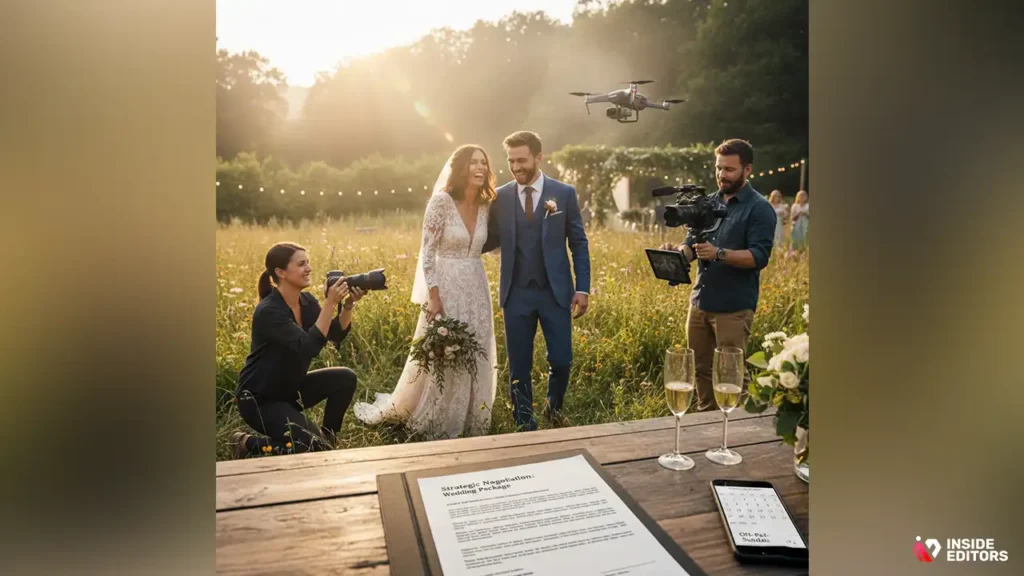
Negotiating your wedding photo and video package requires confidence and preparation. Remember that vendors are running a business, but they also value securing a booking, especially during off-peak seasons.
1. Leverage Flexibility and Timing
Timing is your most powerful negotiation tool. Vendors are more willing to offer discounts or complimentary upgrades during their slower periods.
- Off-Peak Dates: If your wedding is on a weekday, a Sunday, or during the winter months (outside of major holidays), you have significant leverage. Ask specifically for an “off-peak discount.”
- Last-Minute Bookings: If you are booking within 1-3 months of the date, and the vendor has that date open, they may offer a discount to fill the gap. Conversely, booking far in advance (18+ months) can sometimes lock in current pricing before annual increases.
- Flexibility on Coverage: If you are willing to shift your coverage start time by an hour to accommodate the vendor’s existing schedule, they might reward that flexibility with a small discount or an upgrade.
2. The Power of the “Complimentary Upgrade”
Instead of always asking for a lower price, focus on receiving more value. A vendor may be reluctant to drop their price from $6,000 to $5,500, but they might be happy to add a service that costs them relatively little time or money.
High-Value, Low-Cost Upgrades to Request:
- Extended Coverage: Ask for an extra hour of coverage at no charge. This is often easier for the vendor to accommodate than a price reduction.
- Raw Footage Inclusion: Request the raw, unedited video files or all unedited photo files as part of the deal. The vendor has already captured this content, so the only cost to them is the transfer time.
- Engagement Shoot: If the package does not include one, ask for a complimentary mini-engagement session. This acts as a trial run and builds rapport with your photographer.
- Drone Coverage: If the vendor is already bringing a drone, ask for 30 minutes of aerial footage to be included in your highlight reel.
“Never start a negotiation by demanding a discount. Start by expressing genuine excitement about their work and then ask, ‘What complimentary services could you include to help us meet our budget?'” – David Lee, Negotiation Consultant
3. Customizing the Wedding Photo and Video Package
Do not feel constrained by the pre-set packages. If a package includes a physical album you do not want, ask to swap that value for something you need, such as additional coverage time or a second videographer.
Example Scenario:
- Original Package: 8 hours coverage, 1 photographer, 1 videographer, 1 large album ($500 value).
- Negotiation: “We love your work, but we are not planning on using a physical album. Could we remove the album and instead upgrade to 10 hours of coverage, or add a second photographer for the ceremony?”
This approach shows you respect the vendor’s pricing structure while focusing on tailoring the wedding photo and video package to your specific needs.
Essential Contract Review and Quality Assurance
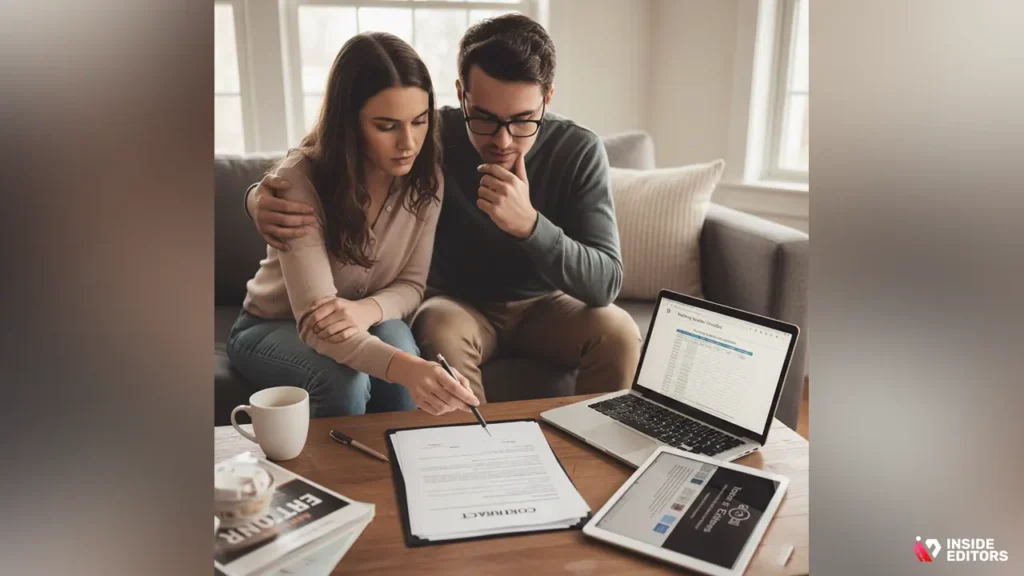
The negotiation is only half the battle. The contract solidifies the agreement and protects both parties. Never sign a contract for a wedding photo and video package without thoroughly reviewing these critical sections.
Key Contractual Clauses to Scrutinize
- Cancellation and Rescheduling Policy: What happens if you need to postpone the wedding? Ensure the contract clearly outlines the deposit retention policy and the process for transferring your booking to a new date.
- Backup Plan: What is the vendor’s contingency plan if the primary photographer or videographer falls ill? They should guarantee a comparable replacement with similar style and experience.
- Delivery Timeline: This is crucial. Clearly state the maximum number of weeks or months until you receive the final edited photos and video. Standard delivery times range from 8 to 16 weeks. Penalties for late delivery can be included, though this is rare.
- Copyright and Usage Rights: Confirm that you receive high-resolution files with a personal print release. This means you can print the photos anywhere you choose.
Ensuring Video Quality and Post-Production Reliability
When the final video is delivered, the quality relies entirely on the editing process. This is where many couples encounter disappointment if the vendor’s in-house editing team is overworked or inexperienced.
If you are concerned about the vendor’s post-production capacity or if you receive raw footage that needs professional refinement, consider outsourcing the editing. This is a strategic move to ensure cinematic quality and timely delivery.
Inside Editors specializes in professional video editing services. They offer a team of expert editors with over 10 years of experience, promising unlimited revisions until you are satisfied. This service is ideal for couples who purchase a raw footage add-on but want professional color grading and audio enhancement without the high cost of the vendor’s premium editing tiers. Their affordable pricing starting at $29/video and fast turnaround (24-72 hours) means you save time and achieve a professional quality that builds trust.
Bundling Photo & Video: Pros & Cons
Deciding whether to hire one company for both services or two separate specialists is a major choice that impacts both your budget and your final product.
| Aspect | Bundled Wedding Photo and Video Package (Pros) | Separate Vendors (Cons) |
| Cost | Often significant savings (10-20% discount) due to the bulk booking. | Higher individual costs; negotiation leverage is reduced. |
| Coordination | Seamless communication; the team is used to working together. | Requires the couple to manage two separate contracts and schedules; potential for interference. |
| Style | Guaranteed consistent aesthetic across photos and video. | Potential for stylistic clash if the vendors’ artistic visions differ significantly. |
| Expertise | May sacrifice specialization if the company excels in one area but is average in the other. | Allows you to hire the absolute best specialist for each medium. |
| Contract | One contract, one payment schedule, simplified logistics. | Two contracts, two deposits, more administrative overhead. |
The decision often comes down to budget versus specialization. If consistency and ease of planning are paramount, the bundled wedding photo and video package is usually the better choice. If you have a specific, highly artistic vision for one medium, hiring a specialist might be necessary.
Advanced Strategies for Maximiazing Value
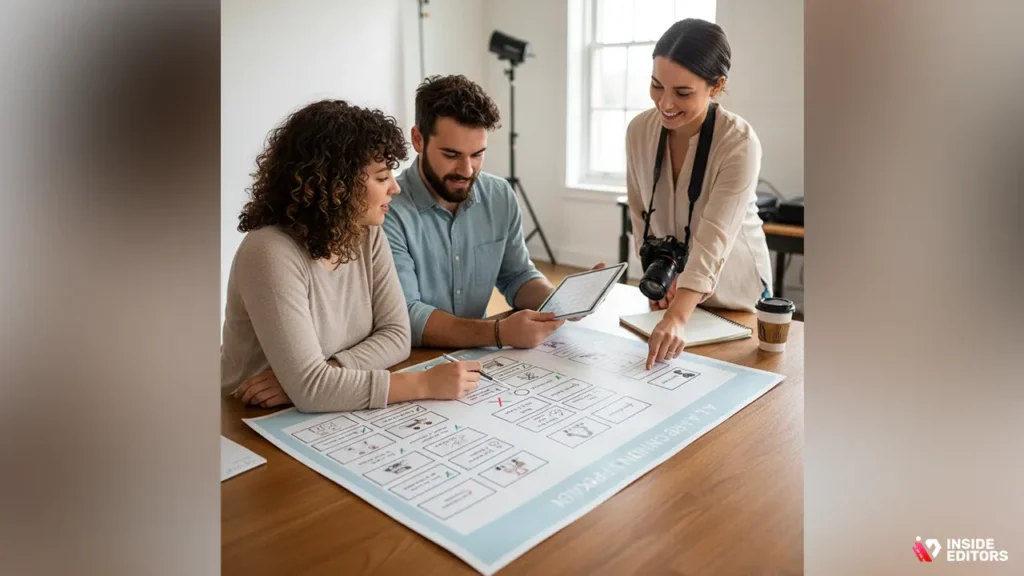
Beyond standard negotiation, savvy couples use advanced strategies to ensure they get the most out of their investment in a wedding photo and video package.
The “A La Carte” Audit
If the tiered packages do not fit your needs, ask the vendor for an itemized list of their services and prices. This “a la carte” audit allows you to build a custom package, removing unnecessary items and adding only what you truly value.
For example, if you only need 3 hours of coverage for the ceremony and portraits, but the basic package starts at 6 hours, ask for a custom 3-hour rate. While vendors prefer full-day bookings, they may accommodate shorter coverage during non-peak times or if you are willing to pay a slightly higher hourly rate.
Utilizing Professional Editing Services Post-Event
One of the most effective ways to save money on a premium wedding photo and video package is to scale back the vendor’s editing commitment. If a vendor charges $1,500 extra for a 30-minute feature film edit, but only $500 for the raw footage, purchase the raw footage and then hire an independent, affordable editing service.
This strategy gives you control over the final product and saves money. Inside Editors, for example, offers professional editing teams who can take your raw wedding footage and transform it into a cinematic masterpiece. Their process is simple: you send the raw files, they edit them to your specifications, and deliver the final product quickly. This allows you to maintain a consistent brand style across all videos and provides a scalable solution for creating multiple versions of your wedding film (e.g., a long version for family, a short version for social media).
Securing the Deal: The Deposit and Payment Schedule
Once you have negotiated the final terms of your wedding photo and video package, pay close attention to the deposit and payment schedule.
- Deposit Size: Standard deposits range from 25% to 50% of the total cost. A smaller deposit is always better for your cash flow.
- Payment Schedule: Negotiate a payment schedule that aligns with your budget timeline. A common structure is 50% deposit, 25% halfway point, and 25% due 30 days before the wedding. Avoid contracts that require 100% payment before the event date.
By being meticulous about the financial agreement, you ensure that the negotiated value is locked in and protected.
Final Steps to a Perfect Package

Securing the best wedding photo and video package is a blend of artistic alignment and financial shrewdness. Start by finding vendors whose style you genuinely love. Negotiation should then focus on adjusting the scope of work, not diminishing the artist’s value.
Remember that the goal is not to squeeze every penny, but to achieve maximum value for your investment. By understanding the components of the package, leveraging timing, and focusing on complimentary upgrades, you can confidently secure a deal that provides beautiful, lasting memories without breaking your budget.
If your chosen vendor’s editing costs seem prohibitive, or if you want to ensure the highest quality post-production for your video, remember that professional services are available. Inside Editors provides expert, affordable video editing services, ensuring your precious raw footage is transformed into a masterpiece with a fast turnaround and unlimited revisions. This professional quality builds trust and ensures your memories are preserved perfectly.
Frequently Asked Questions
What is a standard package?
A standard wedding photo and video package typically includes 8 to 10 hours of coverage, high-resolution digital photos, a highlight reel, and a feature film. Always check if a second shooter is included in the wedding photo and video package for comprehensive coverage.
How can I lower the cost?
To lower the cost, focus on booking during off-peak seasons or weekdays. Instead of asking for a direct discount, negotiate for complimentary upgrades like an extra hour of coverage or the inclusion of raw footage in your wedding photo and video package.
Should I hire one or two vendors?
Hiring one vendor for your wedding photo and video package often simplifies coordination and ensures stylistic consistency, usually at a lower bundled price. Hiring two specialists offers maximum expertise but requires more coordination.
What are common hidden fees?
Common hidden fees include travel expenses, high overtime rates, and charges for purchasing raw footage or extra revisions. Always clarify these costs before signing the contract for your wedding photo and video package.
What is raw footage?
Raw footage refers to the unedited video clips or photo files directly from the camera. It is often excluded from basic packages but can be negotiated as an add-on, giving you flexibility for future editing.
How long is the delivery time?
The standard delivery time for the final edited wedding photo and video package is typically 8 to 16 weeks after the wedding date. Ensure this timeline is clearly documented in your contract.
Can I use external editors?
Yes, you can often purchase the raw footage and use external, professional editing services like Inside Editors. This can save money and ensure a faster turnaround time and high-quality results for your wedding video.


