

The world of interactive entertainment is constantly evolving, driven by relentless innovation. Today’s gaming experiences are light years beyond the pixelated adventures of the past, thanks to incredible advancements in video gaming technologies. These innovations touch every aspect of the industry, from how games are rendered and played to how we connect with other players globally.
At Inside Editors, we track these technological shifts closely, understanding that the tools used to create and consume content are rapidly merging. Whether you’re a developer, a dedicated gamer, or a content creator looking to capture the next viral moment, understanding the core video gaming technologies driving this market is essential. This comprehensive guide explores the most impactful innovations defining the modern gaming landscape.
The Power Behind the Pixels: Advanced Rendering and Hardware
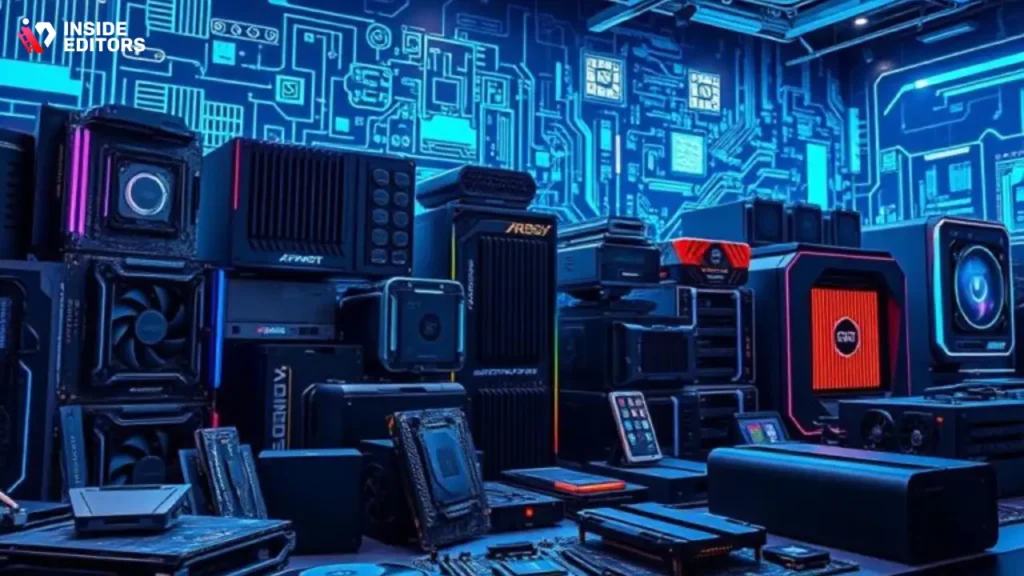
The foundation of modern gaming lies in the sheer processing power available to developers. Graphics processing units (GPUs) and central processing units (CPUs) have undergone exponential growth, enabling photorealistic visuals and complex simulations that were unimaginable just a decade ago.
Ray Tracing and Global Illumination
One of the most significant leaps in visual fidelity is the widespread adoption of real-time ray tracing. Unlike traditional rasterization, which approximates light, ray tracing simulates the physical behavior of light rays bouncing off surfaces, creating hyper-realistic reflections, shadows, and refractions.
“Ray tracing is not just a feature; it’s a fundamental shift in how we approach lighting and realism in virtual worlds. It closes the gap between cinematic quality and real-time rendering.” – Jensen Huang, CEO of NVIDIA
This technology, once confined to offline rendering for movies, is now standard in high-end consoles and PCs. It requires immense computational power, but the visual payoff-the way light realistically filters through a window or reflects off a wet street-is transformative.
Solid-State Drives (SSDs) and Ultra-Fast Loading
The transition from traditional hard disk drives (HDDs) to custom, high-speed Solid-State Drives (SSDs) in the latest consoles (like the PlayStation 5 and Xbox Series X) has fundamentally changed game design. SSDs dramatically reduce loading times, often eliminating them entirely.
This speed allows developers to stream assets instantly, enabling massive, detailed open worlds without the need for long loading screens or clever elevator rides to hide data loading. This rapid data access is one of the most critical video gaming technologies for improving player immersion.
- Benefit 1: Near-instantaneous travel across large game maps.
- Benefit 2: Faster texture loading, reducing pop-in artifacts.
- Benefit 3: Allows for more complex level design and asset variety.
Immersive Experiences: Virtual and Augmented Reality
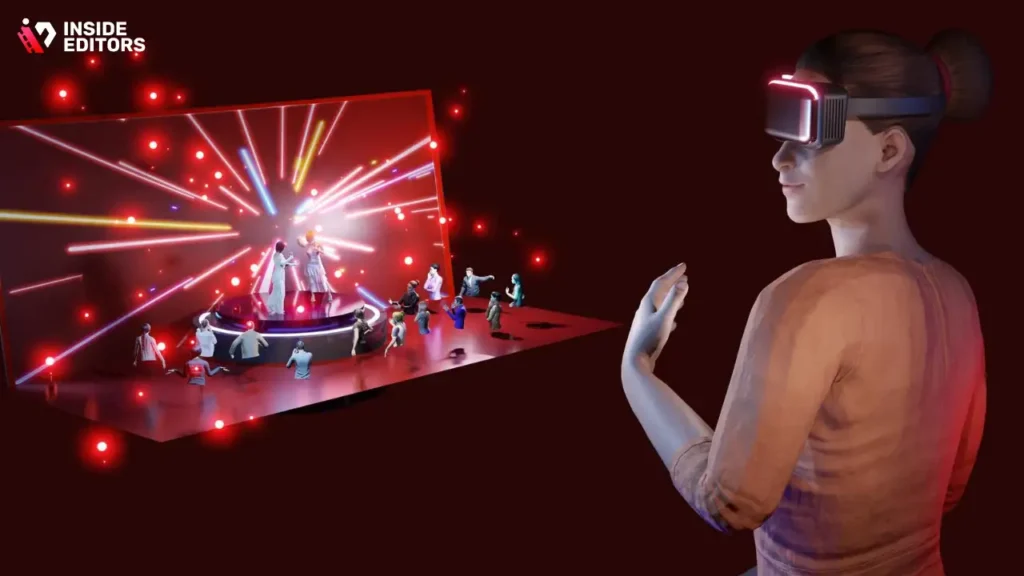
Virtual Reality (VR) and Augmented Reality (AR) represent the ultimate pursuit of immersion, moving gaming from a screen-based experience to a fully embodied one. These technologies are maturing rapidly, offering compelling new ways to interact with digital worlds.
The Evolution of VR Headsets
Early VR was often cumbersome and expensive. Modern VR headsets, however, are lighter, feature higher resolution displays, and often require no external sensors (inside-out tracking). This accessibility is driving mainstream adoption.
VR gaming offers unparalleled presence-the feeling of truly being in another place. This is particularly powerful for simulation games, horror titles, and interactive storytelling. The technology demands high frame rates and low latency to prevent motion sickness, pushing the boundaries of display and tracking hardware.
Augmented Reality in Gaming
AR overlays digital content onto the real world. While perhaps less immersive than VR, AR is highly accessible via smartphones and is proving valuable for location-based games and interactive experiences that blend the physical and digital.
Think about games that encourage you to explore your neighborhood to find digital creatures or solve puzzles. AR leverages sophisticated computer vision and spatial mapping to accurately anchor virtual objects in the real environment, creating a seamless blend.
| Feature | Virtual Reality (VR) | Augmented Reality (AR) |
|---|---|---|
| Immersion Level | High (Full sensory blockade) | Medium (Digital overlay on reality) |
| Hardware | Dedicated Headset (e.g., Meta Quest, PS VR2) | Smartphone, Smart Glasses |
| Primary Use | Deep simulation, narrative experiences | Location-based games, utility, social filters |
| Input Method | Hand controllers, body tracking | Touchscreen, camera input |
To capture the excitement of these new immersive worlds, content creators need professional editing. At Inside Editors, we offer professional video editing services designed for creators working with complex footage, including VR capture and AR overlays. Our professional editing team with 10+ years experience ensures your content looks polished and engaging, allowing you to save time and focus on content creation.
Connectivity and Competition: The Infrastructure of Online Gaming

Modern gaming is inherently social, relying on robust networking infrastructure to connect millions of players globally. The underlying video gaming technologies that facilitate this massive multiplayer environment are as critical as the graphics hardware.
Cloud Gaming and Streaming Services
Cloud gaming services (like Xbox Cloud Gaming, GeForce NOW, and PlayStation Plus) allow players to stream high-end games instantly to almost any device-from smart TVs to low-powered laptops. The game processing happens on remote servers, eliminating the need for expensive local hardware.
This technology democratizes access to gaming, making AAA titles available to anyone with a stable internet connection. The challenge lies in minimizing latency, ensuring the delay between a player’s input and the resulting action on screen is imperceptible. This relies heavily on advanced compression algorithms and edge computing.
The Rise of Dedicated E-Sports Infrastructure
Competitive gaming (e-sports) requires absolute precision and reliability. This has driven innovation in networking protocols, server architecture, and anti-cheat systems. Low-latency networking hardware and optimized regional servers are essential to maintain competitive integrity.
“E-sports demands zero compromise on performance. Every millisecond counts, which pushes developers and ISPs to continually refine the infrastructure supporting these massive global tournaments.” – A leading E-sports Analyst
This focus on competitive integrity has spilled over into consumer products, leading to faster refresh rate monitors and specialized controllers designed for minimal input lag.
The Role of AI in Video Gaming Technologies
Artificial Intelligence (AI) is one of the most versatile video gaming technologies, influencing everything from development efficiency to player experience.
Procedural Content Generation (PCG)
AI-driven PCG allows developers to generate vast, unique worlds automatically, rather than hand-crafting every detail. This is crucial for creating massive exploration games or infinite replayability. PCG uses algorithms to create terrain, flora, dungeons, and even quests based on predefined rulesets.
Smart Non-Player Characters (NPCs)
Modern AI enables NPCs to exhibit more complex, adaptive behaviors. Instead of following rigid scripts, AI agents can learn from the player’s actions, adapt their strategies in combat, and engage in more believable social interactions, deepening the sense of immersion.
The Creator Economy: Tools for Capture and Sharing

As gaming has become a spectator sport, the tools for capturing, editing, and sharing gameplay have become integral video gaming technologies. Content creation is now a core part of the gaming ecosystem.
Advanced Capture and Encoding
Modern GPUs often include dedicated hardware encoders (like NVENC or AMD VCE) that allow high-quality video recording and live streaming with minimal impact on game performance. This dedicated silicon ensures that streamers can maintain high frame rates while simultaneously broadcasting to platforms like Twitch or YouTube.
The Necessity of Professional Video Editing
Raw gameplay footage, especially long streams or multi-angle recordings, requires significant refinement to become engaging content. This is where professional video editing services become indispensable for serious creators.
Why Professional Editing Matters for Gaming Content:
- Fast Turnaround (24-72 hours): In the fast-paced world of viral trends, speed is crucial. Getting highlights edited quickly ensures relevance.
- Quality Assurance: Professional editors handle color grading, audio enhancement, and seamless transitions, elevating amateur footage to broadcast quality.
- Focus on Content: Outsourcing the technical editing work allows creators to focus on the next stream, game, or concept.
If you are a YouTube creator, business, or marketing team looking to capitalize on gaming content, consider the benefits of a scalable solution. Inside Editors provides professional video editing services, offering unlimited revisions until satisfied and affordable pricing starting at $29/video. We provide a consistent brand style across all your videos, building trust with your audience.
The Pros and Cons of Next-Gen Video Gaming Technologies
While these advancements bring incredible experiences, they also introduce new challenges.
| Aspect | Pros | Cons |
|---|---|---|
| Ray Tracing | Hyper-realistic lighting and shadows; enhanced immersion. | High performance cost; requires top-tier hardware. |
| SSDs | Near-instant loading times; enables massive open worlds. | Increased cost of console/PC hardware; limited storage capacity. |
| Cloud Gaming | Accessibility on low-end devices; eliminates downloads. | Requires very stable, high-speed internet; latency sensitive. |
| VR/AR | Unparalleled immersion; new interaction paradigms. | Potential for motion sickness; high initial hardware cost. |
Looking Ahead: What’s Next in Video Gaming Technologies?
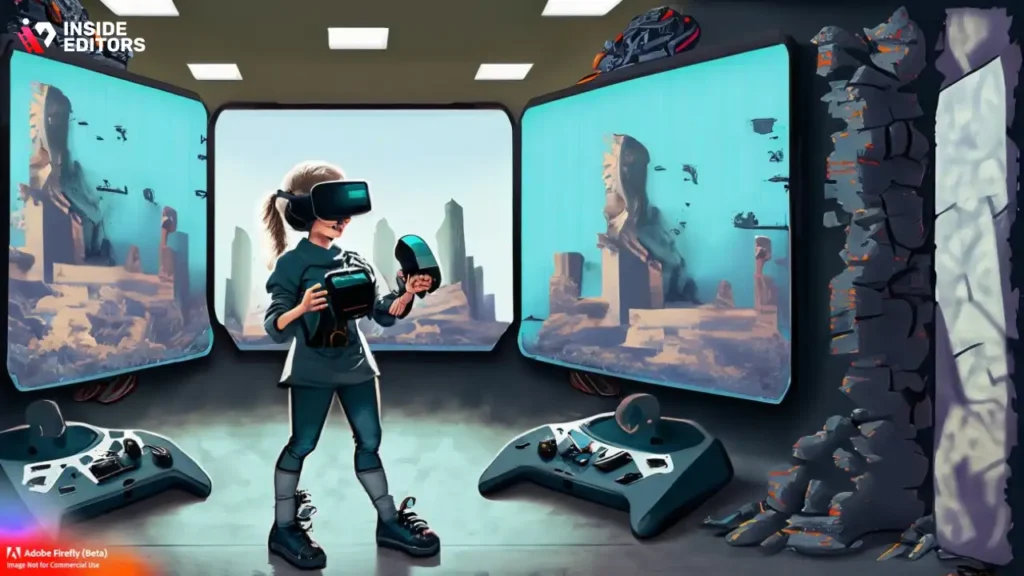
The pace of innovation shows no sign of slowing. Two areas are poised to make the next major impact on video gaming technologies:
Neural Rendering and Upscaling
Technologies like NVIDIA’s DLSS (Deep Learning Super Sampling) and AMD’s FSR (FidelityFX Super Resolution) use AI to render games at a lower resolution and then intelligently upscale them to a higher resolution (e.g., rendering at 1080p and outputting 4K). This provides a massive performance boost while maintaining near-native image quality.
This technique is revolutionary because it effectively gives players “free” performance, allowing high-fidelity visuals (like ray tracing) to run smoothly on less powerful hardware.
Haptic Feedback and Sensory Immersion
Beyond sight and sound, the next frontier is touch. Advanced haptic feedback, such as that found in the PlayStation 5’s DualSense controller, provides nuanced, localized vibrations that simulate textures, impacts, and environmental effects.
“The future of gaming isn’t just about what you see, but what you feel. Haptics adds a crucial layer of sensory input that deepens the emotional connection to the game world.” – Expert Game Designer, speaking on sensory feedback.
This level of detailed feedback moves controllers beyond simple rumble packs, offering subtle tactile sensations that enhance realism and immersion.
Conclusion: Mastering the Technological Landscape
The landscape of video gaming technologies is a dynamic ecosystem fueled by competition and creativity. From the foundational hardware that renders light in real-time to the cloud infrastructure that connects global communities, these innovations continually redefine what is possible in interactive entertainment.
For content creators, keeping pace with these technological shifts means utilizing the best tools for sharing your experiences. If you are producing content around these cutting-edge games, ensuring your videos are professionally edited is paramount. Inside Editors provides the expertise and fast turnaround you need to capitalize on the latest gaming trends. Our professional editors offer quality assurance and consistent brand style, helping you build trust and grow your channel. Start creating professional-quality gaming content today.
Frequently Asked Questions
What is ray tracing in gaming?
Ray tracing is an advanced rendering technique that simulates the physical behavior of light. It creates hyper-realistic reflections, shadows, and global illumination, significantly enhancing the visual fidelity of modern video gaming technologies by making lighting truly dynamic and accurate.
How do SSDs improve gaming?
Solid-State Drives (SSDs) drastically reduce loading times by providing ultra-fast data access. This allows games to stream assets instantly, enabling massive, detailed open worlds and eliminating long waits, which is a key advancement in video gaming technologies.
What is DLSS technology?
DLSS (Deep Learning Super Sampling) is an AI-driven upscaling technology. It renders a game at a lower resolution and uses machine learning to upscale it to a higher resolution, providing a significant performance boost without sacrificing much image quality in modern video gaming technologies.
Why is low latency important?
Low latency is crucial, especially for competitive online gaming and cloud streaming services. It minimizes the delay between a player’s input and the resulting action on screen, ensuring precise control and competitive integrity across all video gaming technologies.
Can AR be used for gaming?
Yes, Augmented Reality (AR) overlays digital content onto the real world, making it highly suitable for location-based games. It uses smartphones or smart glasses to blend the physical environment with interactive digital elements.
What is procedural content generation?
Procedural Content Generation (PCG) uses AI algorithms to automatically create vast, unique game worlds, terrains, and assets based on predefined rules. This saves development time and ensures high replayability in complex video gaming technologies.
How can I improve my gaming videos?
To improve your gaming videos, focus on professional editing, including color grading, audio enhancement, and seamless transitions. Utilizing professional video editing services ensures high quality and a consistent brand style, maximizing viewer engagement.


