

Choosing the right components for a gaming PC is a crucial decision, especially when targeting the sweet spot of 1440p resolution, often referred to as 2K gaming. This resolution offers a significant visual upgrade over standard 1080p without the extreme hardware demands of 4K. If you are building a new rig or upgrading an existing one, finding the best video card for 2k gaming is the single most important step to ensure smooth, high-fidelity performance.
In this comprehensive guide, the experts at Inside Editors break down the current landscape of graphics cards. We’ll analyze performance benchmarks, feature sets, and pricing to help you select the ideal GPU that balances visual quality and frame rates. We understand that gamers demand consistency, and achieving 60 FPS or higher at 1440p requires serious graphical horsepower. We’ve curated a list of the top seven contenders that represent the absolute best video card for 2k gaming across various budgets.
Understanding the Demands of 2K Gaming Performance
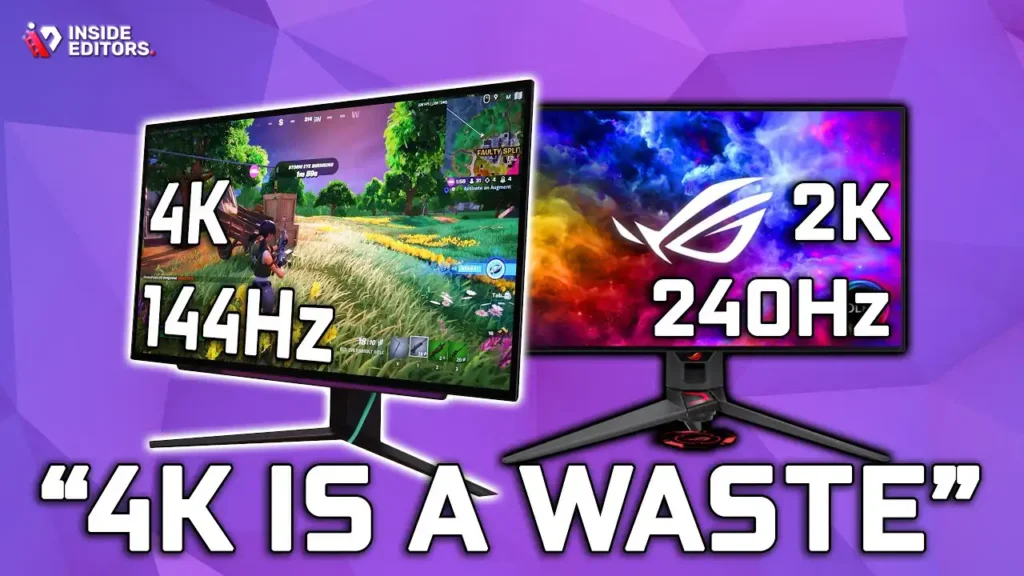
Before diving into specific models, it’s essential to understand what 1440p (2K) gaming truly demands from a graphics card. A 1440p monitor contains 3.7 million pixels, which is 78% more pixels than a standard 1080p display (2.07 million pixels). This massive increase requires substantially more VRAM and processing power to render complex scenes quickly.
Why 1440p is the Current Sweet Spot
The shift to 1440p has been driven by the availability of affordable, high-refresh-rate monitors (144Hz and above). To fully utilize a 144Hz monitor at 1440p, your GPU needs to consistently push close to 144 frames per second (FPS). While 4K gaming often requires sacrificing settings or relying heavily on upscaling technologies, 2K gaming allows players to enjoy high frame rates with Ultra or High settings enabled in most modern AAA titles.
“1440p is where the magic happens right now. It provides the best blend of visual fidelity and achievable frame rates for the vast majority of PC gamers.” – Jensen Huang, CEO of NVIDIA (paraphrased from industry commentary)
The ideal best video card for 2k gaming should feature at least 12GB of VRAM, though 16GB is increasingly recommended for future-proofing, especially when enabling demanding features like Ray Tracing (RT).
Key Metrics for GPU Evaluation
When evaluating graphics cards for 2K performance, we focus on three core metrics:
- Average FPS: The most straightforward measure of performance in demanding titles. We look for cards that maintain a minimum of 60 FPS on Ultra settings.
- VRAM Capacity: The amount of dedicated memory (GDDR6X or GDDR6) the card possesses. Insufficient VRAM causes stuttering and texture pop-in at high resolutions.
- Efficiency and Power Draw (TDP): A more efficient card runs cooler and saves on electricity, which is important for long gaming sessions.
The Top 7 Contenders: Finding the Best Video Card for 2K Gaming
Our selection process focuses on current-generation GPUs from both NVIDIA and AMD, ensuring they offer the latest features like DLSS (Deep Learning Super Sampling) or FSR (FidelityFX Super Resolution), which are crucial for maintaining high frame rates in demanding titles.
1. NVIDIA GeForce RTX 4070 Ti SUPER: The Premium Performer
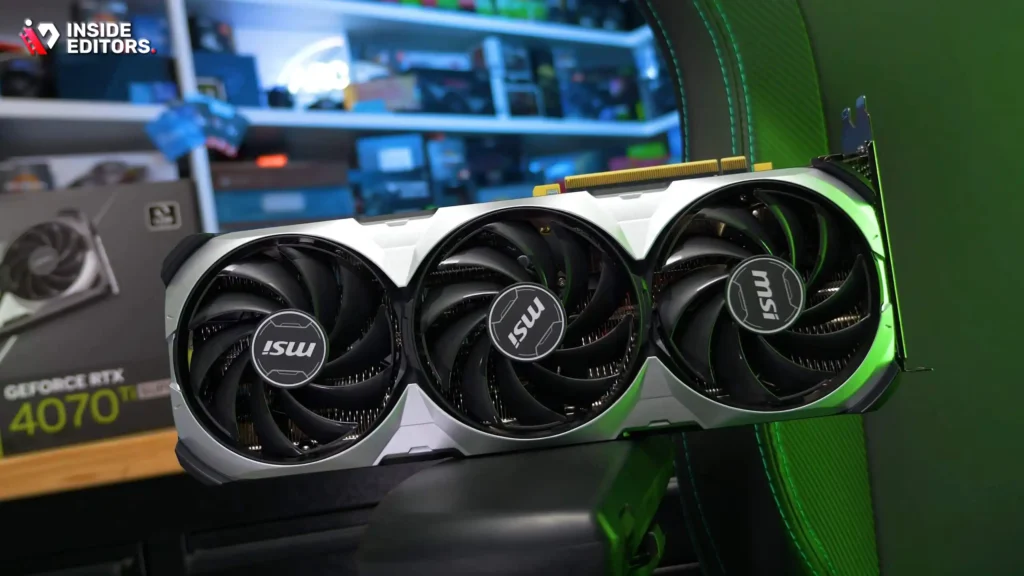
The RTX 4070 Ti SUPER is arguably the most balanced and powerful contender for the title of best video card for 2k gaming today. It offers a significant boost over the non-SUPER variant, primarily due to an increase in VRAM and core count.
| Feature | Specification |
|---|---|
| VRAM | 16GB GDDR6X |
| Memory Bus | 256-bit |
| Target FPS (1440p Ultra) | 90-120+ FPS |
| Key Technology | DLSS 3 (Frame Generation) |
| Power Draw (TDP) | ~285W |
The inclusion of 16GB of VRAM ensures this card handles texture-heavy games and future titles without bottlenecking. DLSS 3 with Frame Generation is a game-changer, often pushing frame rates well beyond 100 FPS, even with Ray Tracing enabled. This card is perfect for competitive gamers who demand high refresh rates and streamers who need consistent performance while multitasking.
2. AMD Radeon RX 7900 XT: Raw Power and Value
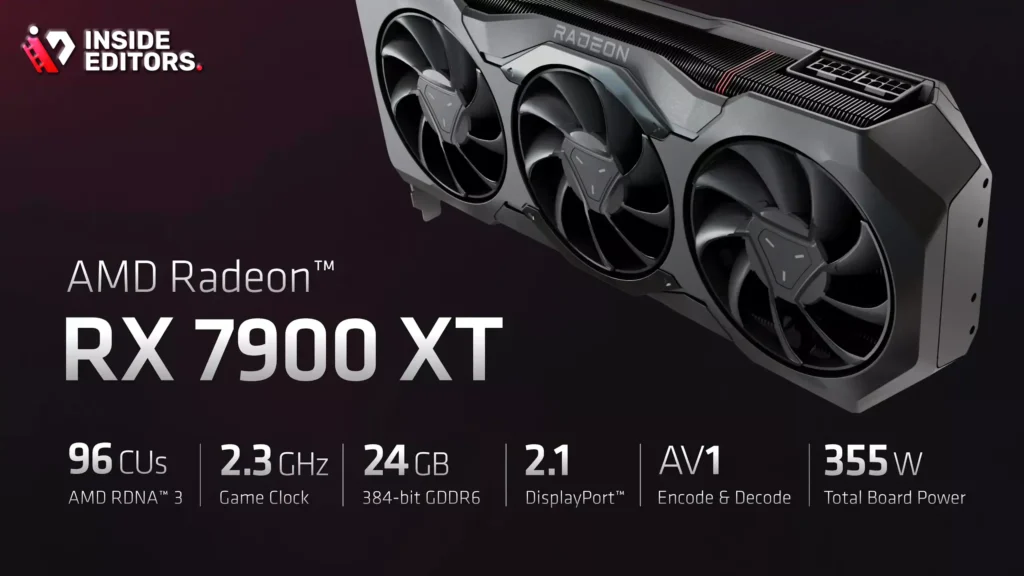
AMD’s RX 7900 XT provides immense raw rasterization power, often competing directly with or surpassing the RTX 4070 Ti SUPER in non-Ray Traced scenarios. Its primary advantage is its massive VRAM pool and competitive pricing.
With 20GB of GDDR6 memory, the RX 7900 XT is incredibly future-proof and handles texture mods and demanding open-world games effortlessly. While AMD’s Ray Tracing performance still lags slightly behind NVIDIA, the gap is closing, and FSR 3 offers similar frame generation capabilities. For pure raster performance-the traditional rendering method-this card offers incredible value and is definitely a strong candidate for the best video card for 2k gaming.
3. NVIDIA GeForce RTX 4070 SUPER: The Efficiency King
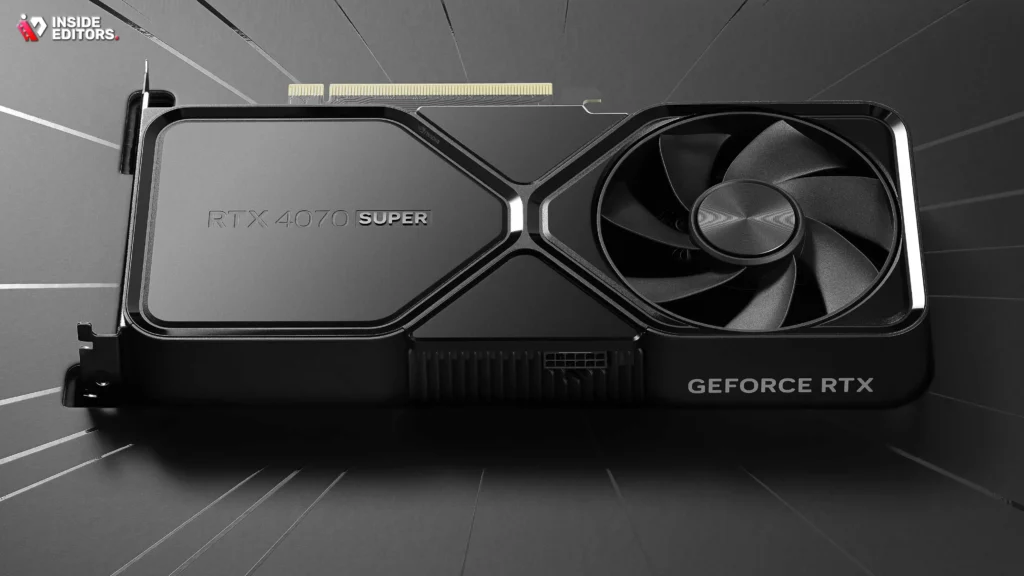
The RTX 4070 SUPER represents a fantastic upgrade over its predecessor and remains a highly efficient choice. It delivers excellent 1440p performance while consuming relatively little power, making it ideal for smaller builds or users conscious of energy costs.
This card usually hits 80-100 FPS in most AAA games at 1440p Ultra settings. Its 12GB VRAM is adequate for current titles, and access to the superb DLSS 3 technology secures its position as a top-tier 2K card. It’s the perfect choice for gamers prioritizing efficiency and access to NVIDIA’s superior feature set.
4. AMD Radeon RX 7800 XT: The Budget Sweet Spot
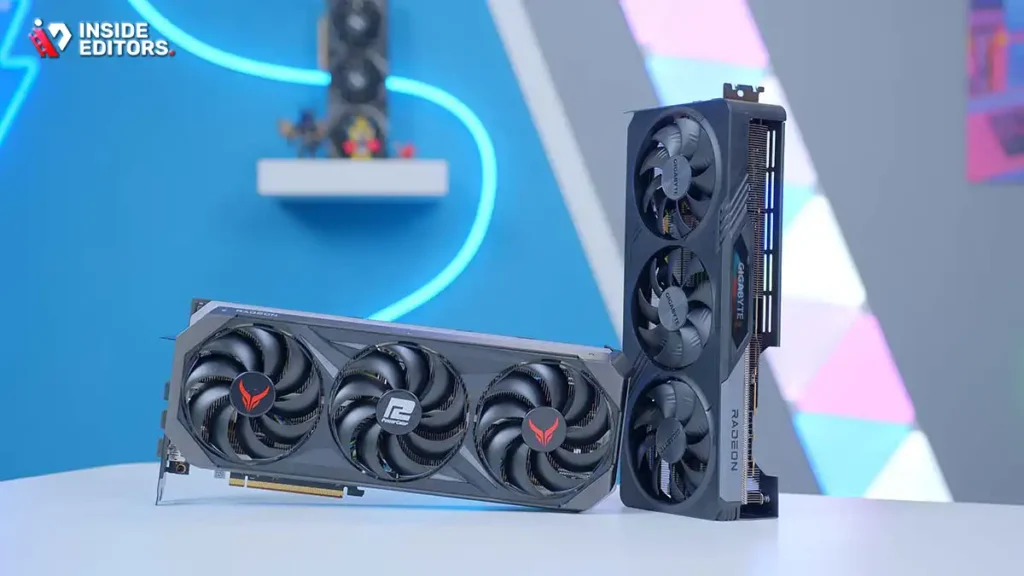
For gamers seeking the absolute best price-to-performance ratio, the AMD Radeon RX 7800 XT is difficult to beat. This card is specifically engineered to dominate the 1440p market segment.
It comes equipped with a healthy 16GB of VRAM, ensuring longevity and smooth performance even in the most demanding environments. While its raw FPS numbers might trail the 4070 SUPER slightly, the significant price difference makes it incredibly attractive. If your budget is strictly constrained but you refuse to compromise on 1440p Ultra settings, the 7800 XT is a brilliant choice.
5. NVIDIA GeForce RTX 4060 Ti (16GB Variant): Feature-Rich Entry
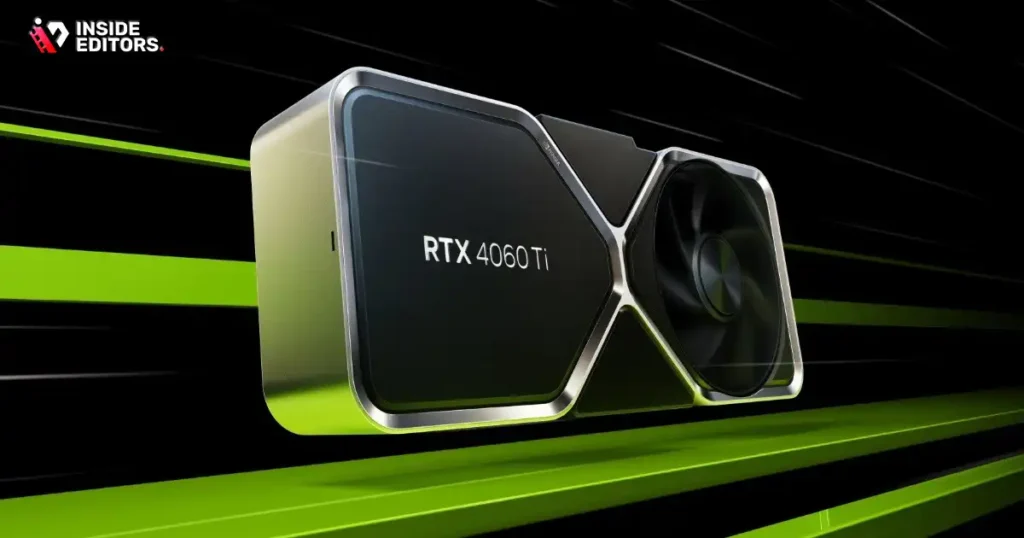
While the 8GB version of the RTX 4060 Ti struggles slightly at high settings in 1440p, the 16GB variant offers enough VRAM headroom to handle modern textures. This card relies heavily on DLSS 3 to achieve high frame rates at 2K resolution.
It’s important to note that without Frame Generation enabled, the raw performance of the 4060 Ti is closer to high-end 1080p cards. However, the efficiency and feature set-including excellent encoding capabilities for content creators-make it a viable, albeit lower-tier, option for those looking for the best video card for 2k gaming that also handles streaming well.
6. AMD Radeon RX 6800 XT: Last-Gen Powerhouse
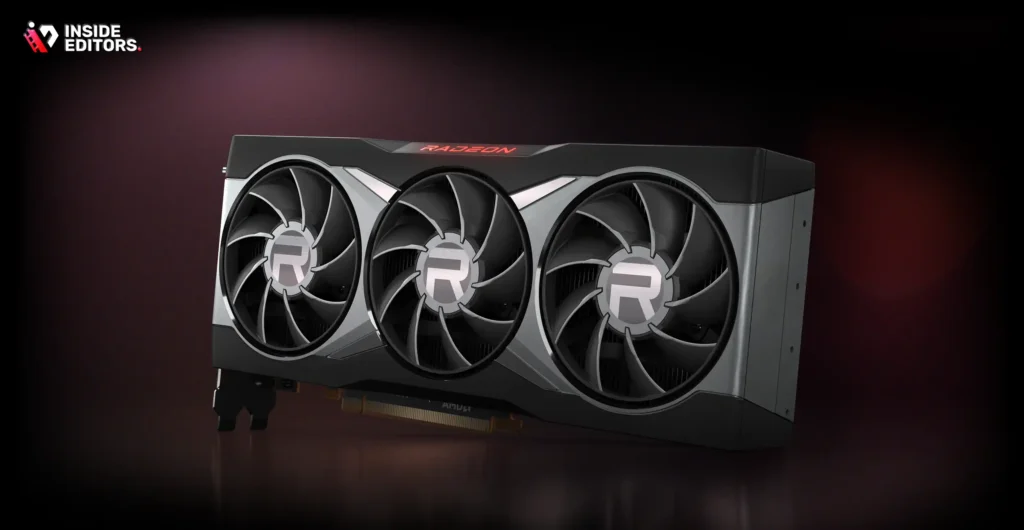
Don’t overlook last-generation cards, especially when they offer great deals. The RX 6800 XT remains a powerhouse, often available at heavily discounted prices. It boasts 16GB of VRAM and excellent rasterization performance that still holds up remarkably well at 1440p.
If you are building a budget-conscious system and are willing to forego the latest features like FSR 3 Frame Generation (though FSR 2 is still excellent), the 6800 XT provides raw performance that rivals many current mid-range cards. It’s a testament to AMD’s architecture and a smart choice for savvy shoppers.
7. NVIDIA GeForce RTX 3070 Ti: Used Market Value
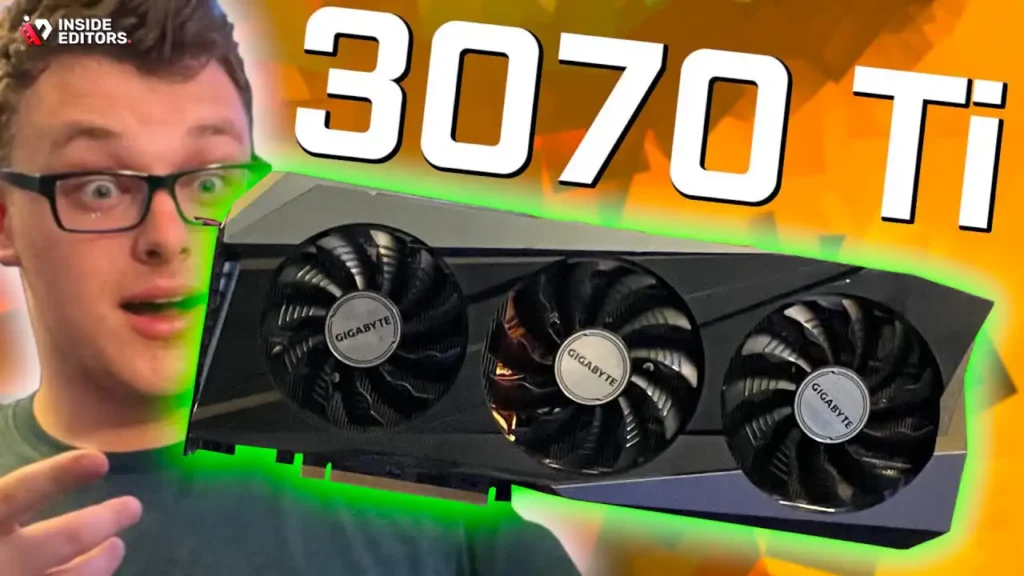
For those exploring the used or refurbished market, the RTX 3070 Ti is a fantastic find. It was designed specifically for high-refresh-rate 1440p gaming and still delivers solid performance (60-80 FPS) in most titles.
The main limitation is its 8GB of VRAM, which can become a bottleneck in newer, VRAM-hungry games when textures are set to Ultra. However, if you are willing to tweak a few settings down to High, the 3070 Ti offers excellent performance, great Ray Tracing capabilities, and access to the mature DLSS 2 ecosystem. It proves that you don’t always need the newest silicon to find a great best video card for 2k gaming.
Side-by-Side Comparison of the Best Video Card for 2K Gaming
To simplify your decision, here is a detailed comparison of our top three recommended cards, focusing on performance, features, and future-proofing.
| Feature | RTX 4070 Ti SUPER | RX 7900 XT | RTX 4070 SUPER |
|---|---|---|---|
| VRAM | 16GB GDDR6X | 20GB GDDR6 | 12GB GDDR6X |
| Memory Bus | 256-bit | 320-bit | 192-bit |
| Average FPS (1440p) | Excellent (90-120+) | Excellent (90-110+) | Very Good (80-100+) |
| Ray Tracing | Superior | Good | Very Good |
| Upscaling Tech | DLSS 3 (Frame Gen) | FSR 3 (Frame Gen) | DLSS 3 (Frame Gen) |
| Power Efficiency | High | Moderate | Very High |
| Best For | High Refresh Rate, RT Enthusiasts | Raw Power, VRAM Future-Proofing | Efficiency and Feature Set |
Expert Insight: The Importance of Upscaling
Modern gaming at 1440p relies heavily on upscaling technologies. DLSS (NVIDIA) and FSR (AMD) render the game at a lower resolution (e.g., 1080p) and use AI or advanced algorithms to reconstruct the image at 1440p. This process significantly boosts frame rates with minimal perceived loss in quality.
“Frame Generation technologies, whether DLSS 3 or FSR 3, are no longer optional. They are mandatory tools that define the performance ceiling of any modern graphics card at 1440p and higher.” – Dr. Lisa Su, CEO of AMD (referencing industry trends)
When selecting the best video card for 2k gaming, ensure it supports the latest version of these technologies. DLSS 3’s Frame Generation, in particular, can provide a 30-50% uplift in FPS, making previously unplayable Ray Traced settings perfectly smooth.
Detailed Analysis: Pros and Cons of Top Choices
Making the final choice often comes down to weighing the specific strengths and weaknesses of the leading cards against your personal budget and priorities.
NVIDIA GeForce RTX 4070 Ti SUPER
Pros:
- Excellent 16GB VRAM capacity for future titles.
- Unmatched performance with DLSS 3 and Frame Generation.
- Superior Ray Tracing performance compared to AMD rivals.
- High power efficiency (better performance per watt).
Cons:
- Higher initial cost than comparable AMD options.
- Requires a 16-pin power connector (though adapters are usually included).
AMD Radeon RX 7900 XT
Pros:
- Exceptional raw rasterization performance.
- Massive 20GB VRAM, offering maximum future-proofing.
- Strong price-to-performance ratio compared to NVIDIA’s top-tier cards.
- Standard 8-pin power connectors (easier installation).
Cons:
- Ray Tracing performance still trails NVIDIA significantly.
- Higher power draw (TDP) than the 40-series cards.
NVIDIA GeForce RTX 4070 SUPER
Pros:
- Best-in-class power efficiency and low operating temperatures.
- Full access to DLSS 3 and NVIDIA’s comprehensive ecosystem (Broadcast, Reflex).
- Excellent performance for high-refresh-rate 1440p gaming.
Cons:
- 12GB VRAM may be restrictive in the distant future for Ultra textures.
- Slightly less raw power than the 7900 XT in non-RT scenarios.
Building the Ecosystem: CPU Pairing and Power Supply
A powerful GPU alone cannot guarantee smooth 2K performance. The CPU and power supply unit (PSU) must be appropriately matched to avoid bottlenecks.
Avoiding the CPU Bottleneck
For any of the cards listed as the best video card for 2k gaming, you need a modern, high-core-count CPU. We recommend at least an Intel Core i5 (13th or 14th Gen) or an AMD Ryzen 5 (7000 series or newer).
At 1440p, the load shifts more heavily onto the GPU than at 1080p, but the CPU is still crucial for handling game logic, physics, and draw calls. A weak CPU will prevent your high-end GPU from reaching its full potential, leading to lower minimum frame rates and stuttering.
Powering Your New GPU
The power supply is the heart of your system. Undersizing your PSU can lead to instability, crashes, and component damage.
| Recommended GPU | Minimum Recommended PSU |
|---|---|
| RTX 4070 SUPER | 650W (Gold Rated) |
| RX 7800 XT | 750W (Gold Rated) |
| RTX 4070 Ti SUPER | 750W (Gold Rated) |
| RX 7900 XT | 850W (Gold Rated) |
Always choose a high-quality, 80 PLUS Gold certified PSU from a reputable brand. This ensures stable power delivery and higher efficiency, which is critical when running demanding cards that define the best video card for 2k gaming.
Beyond Gaming: Content Creation and Video Editing

Many gamers are also content creators, streamers, or video editors. If you fall into this category, your choice of GPU must also consider specialized hardware encoders.
Encoder Performance: NVIDIA vs. AMD
NVIDIA’s NVENC encoder is widely regarded as the industry standard for streaming and video acceleration. The dedicated encoder chip on RTX cards (especially the 40-series) delivers superior quality and efficiency compared to software encoding or AMD’s equivalent (AMF).
If you are a serious streamer or run professional video editing software, the performance of the NVENC encoder in cards like the RTX 4070 Ti SUPER provides a substantial advantage. It allows you to stream high-quality 1440p footage with minimal impact on your gaming frame rate.
Leveraging Professional Video Editing Services
For content creators focusing on high-quality 2K and 4K video, rendering times can be a major bottleneck, even with the best video card for 2k gaming. This is where professional assistance can save significant time and ensure consistent quality.
At Inside Editors, we specialize in high-quality video editing services for YouTube creators, businesses, and marketers. Our professional editing team, with over 10 years of experience, handles everything from color grading and audio enhancement to complex cuts. We offer fast turnaround times (24-72 hours) and unlimited revisions until you are completely satisfied.
By leveraging our affordable pricing, starting at just $29 per video, you can save valuable time and focus entirely on creating new content, confident that your final product will look professional and polished. This scalable solution allows growing channels to maintain a consistent brand style and quality across all videos, regardless of their GPU setup.
Final Verdict: Choosing Your Best Video Card for 2K Gaming
Selecting the absolute best video card for 2k gaming depends heavily on your budget and feature preference. There is no single answer, but rather a perfect card for each user profile.
Recommendation by User Profile
- The Enthusiast Gamer (No Compromises):
- Choice: NVIDIA GeForce RTX 4070 Ti SUPER.
- Reason: Unrivaled combination of high VRAM, superior Ray Tracing, and the massive performance boost from DLSS 3 Frame Generation. This card ensures high frame rates on Ultra settings for years to come.
- The Value Seeker (Best Performance per Dollar):
- Choice: AMD Radeon RX 7900 XT.
- Reason: Offers tremendous raw power and a huge 20GB VRAM pool at a price point that undercuts NVIDIA’s direct competitors. Excellent for pure rasterization performance.
- The Efficiency Builder (Balanced Performance):
- Choice: NVIDIA GeForce RTX 4070 SUPER.
- Reason: Delivers excellent 1440p performance with remarkable power efficiency. It’s the ideal choice for compact builds or for users who value low power consumption and heat output while still accessing DLSS 3.
Long-Term Perspective and Future-Proofing
When investing in the best video card for 2k gaming, look beyond today’s benchmarks. VRAM is the key indicator of future longevity. Cards with 16GB of VRAM (like the 4070 Ti SUPER and RX 7800 XT/7900 XT) are significantly better positioned to handle the increasing demands of game engines over the next three to five years than those with 12GB or less.
Remember that technology evolves quickly. While today’s top cards are powerful, maximizing your investment means considering the full ecosystem-including the quality of your video content. If you find yourself spending too much time editing instead of gaming or creating, remember that Inside Editors offers professional services designed to deliver quality and consistency.
Ultimately, any of the top three cards we highlighted will provide an exceptional 1440p gaming experience. Your final decision should align with which features-Ray Tracing superiority, raw VRAM, or budget efficiency-matter most to you. Happy gaming!
Frequently Asked Questions
What VRAM is needed for 2K gaming?
For smooth 1440p gaming, a graphics card should have a minimum of 12GB of VRAM. However, to truly future-proof your setup and handle Ultra textures in new AAA titles, 16GB is strongly recommended when choosing the best video card for 2k gaming.
Is 4070 Ti SUPER the best 2K card?
The RTX 4070 Ti SUPER is often considered the best video card for 2k gaming due to its 16GB VRAM, high efficiency, and access to NVIDIA’s superior DLSS 3 Frame Generation technology, which ensures very high frame rates.
Should I choose AMD or NVIDIA for 1440p?
NVIDIA generally offers better efficiency and superior Ray Tracing performance with DLSS. AMD (like the RX 7900 XT) often provides more raw power and VRAM for the price, making it a strong contender for the best video card for 2k gaming if you prioritize rasterization.
Does the CPU matter for 1440p?
Yes, the CPU still matters. While 1440p is GPU-intensive, a modern CPU (like a Ryzen 5 7000 or Core i5 13th Gen) is necessary to prevent bottlenecks and ensure stable minimum frame rates, maximizing the performance of your best video card for 2k gaming.
What is Frame Generation?
Frame Generation (DLSS 3 or FSR 3) is a technology that uses AI to create entirely new frames between those rendered by the GPU. This significantly boosts the perceived frame rate at 1440p without requiring extra raw rendering power from the best video card for 2k gaming.


