

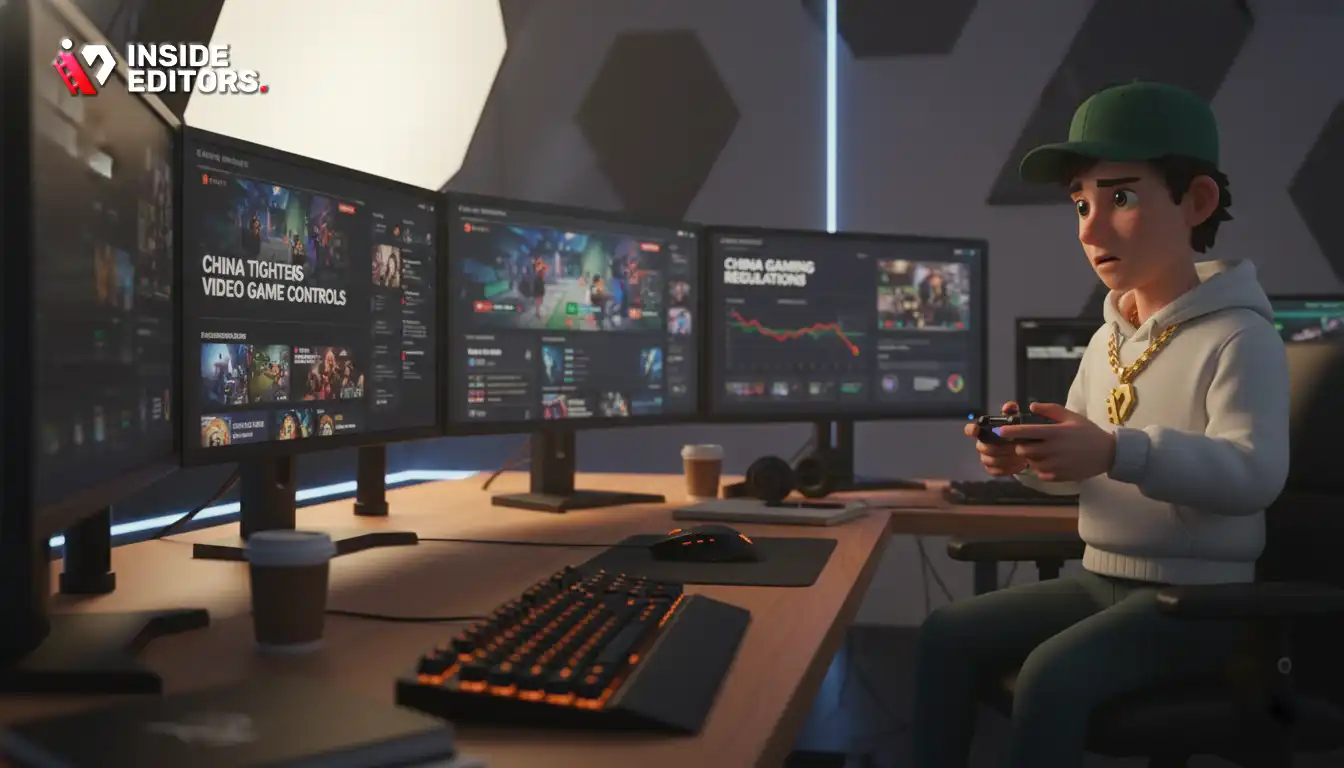
The global video game industry is a massive, interconnected ecosystem. When the largest market in the world shifts its regulatory landscape, the tremors are felt everywhere. Recently, the announcement that china to tighten controls video gaming sent shockwaves through studios, publishers, investors, and, most importantly, content creators and players worldwide.
This isn’t just a localized policy change; it represents a fundamental recalibration of how games are monetized, designed, and consumed globally. Understanding these new regulations-their intent, their structure, and their inevitable consequences-is crucial for anyone involved in gaming, from the independent developer to the professional video editor working on game trailers and streaming content.
We will break down the specifics of these proposed rules, analyze their impact on the global market structure, and provide actionable insights for content creators and businesses navigating this new era.
Understanding the New Regulatory Landscape

The recent proposals signaling that china to tighten controls video gaming are not entirely new, but they represent the most comprehensive and restrictive set of rules aimed at controlling player spending and engagement in the history of the Chinese market. These regulations target the core business model of many modern video games: the free-to-play (F2P) model reliant on microtransactions and daily engagement hooks.
The Core Mandates Driving Change
The primary goal of these regulations is to curb what the government perceives as excessive spending and addictive behaviors, particularly among younger players. This focus translates into specific, highly impactful mandates that directly challenge established industry practices.
The key proposals include:
- Spending Limits: Games must set limits on the amount players can spend on microtransactions (loot boxes, in-game currency, etc.) within a specific timeframe. Crucially, games must also offer players the ability to set their own spending caps.
- Banning Daily Login Rewards: To discourage addictive daily engagement loops, games are prohibited from offering rewards tied solely to logging in every day. This targets the psychological mechanisms used to drive retention.
- Prohibiting High-Priced Loot Boxes: The random chance mechanics central to many F2P games are under scrutiny. Games must clearly disclose drop rates, and there are proposals to limit the price and frequency of these mechanics.
- Mandatory Pop-ups: Games must introduce mandatory pop-up warnings when players engage in irrational spending behavior, such as exceeding certain monetary thresholds.
These mandates fundamentally alter the design philosophy for games targeting the Chinese market. Developers must now prioritize engagement based on quality content rather than psychological retention tricks. The directive that china to tighten controls video gaming is reshaping the digital economy overnight.
Why These Controls Matter Globally
While these rules apply directly to games operating within China, their effect radiates outward. China is the single largest market for gaming revenue, often accounting for 30% or more of a major publisher’s global income. When a market of that size changes its monetization rules, every major publisher must adapt their global strategy.
“The regulatory environment in China acts as a bellwether for the entire industry. When the largest market restricts monetization, global game design trends inevitably shift toward compliance or risk being shut out.” – Dr. Anya Sharma, Digital Economy Analyst
The immediate result is a scramble among major publishers to redesign their most profitable titles. This impacts development roadmaps, investment decisions, and ultimately, the types of games that get funded and released worldwide. The shadow of the new policy, which shows that china to tighten controls video gaming, influences every design decision made by international studios.
The Economic Fallout: Investors and Publishers

The first and most visible impact of the news that china to tighten controls video gaming was felt in the stock market. Major gaming companies saw billions wiped off their market capitalization almost instantly. This reaction underscores the reliance of the global gaming economy on the high-spending, high-engagement model prevalent in the region.
Redefining Revenue Streams
For years, the industry relied heavily on “whales”-a small percentage of players who spend disproportionately large amounts of money. The new regulations directly target the ability of games to cultivate and monetize these high rollers.
Publishers now face a critical choice:
- Create China-Specific Versions: Develop separate game builds that comply with the strict spending limits, potentially increasing development costs and fragmenting the player base.
- Implement Global Changes: Apply the restrictive rules globally to maintain a unified product, potentially sacrificing revenue in less-regulated markets like North America and Europe.
Most major companies are leaning toward option one for flagship titles, but the sheer cost of maintaining two distinct versions will force smaller studios to adopt option two, leading to lower monetization potential globally.
Investment and Development Shifts
The uncertainty created by the announcement that china to tighten controls video gaming has cooled investor enthusiasm for highly monetized mobile games. Venture capital is now pivoting toward business models that are less dependent on aggressive microtransactions.
This shift favors:
- Premium Titles: Games sold upfront for a flat fee, focusing on quality and depth rather than retention loops.
- Subscription Models: Services like game passes that offer access to a library of content for a recurring fee.
- Esports and Media: Investment is flowing into the ancillary services surrounding gaming, such as streaming platforms, competitive leagues, and content creation tools.
This economic restructuring means that the next generation of blockbuster games might look very different, prioritizing expansive single-player experiences or high-quality competitive multiplayer over the endless grind of F2P titles.
Impact on Global Game Design and Development

The most profound, long-term effect of the decision that china to tighten controls video gaming will be on the creative process itself. Game design is inherently linked to monetization strategy. When the monetization rules change, the design philosophy must follow.
The End of Engagement Addiction
For years, game designers were incentivized to maximize “Daily Active Users” (DAU) and “Average Revenue Per User” (ARPU). This often led to design choices that felt predatory: time-gating content, forcing daily check-ins, and creating artificial scarcity.
The new Chinese rules force a return to fundamental design principles:
- Focus on Fun: Engagement must be driven by intrinsic enjoyment of the gameplay loop, not extrinsic rewards.
- Content Depth: Developers must invest more heavily in new maps, characters, and story content to retain players, rather than relying on randomized loot.
- Fair Progression: Progression systems will likely become more transparent and less reliant on luck, allowing players to earn items through skill and time rather than just money.
“If you remove the ability to rely on psychological manipulation, you are left with the necessity of good game design. This regulatory pressure might, ironically, lead to better, more sustainable games globally.” – Marcus Chen, Lead Game Designer, Independent Studio
The Rise of Alternative Monetization
As the traditional F2P model becomes riskier, developers are exploring alternative ways to generate revenue that comply with regulatory scrutiny.
| Monetization Model | Description | Regulatory Risk (China) | Global Outlook |
|---|---|---|---|
| Loot Boxes/Gacha | Random chance mechanics for items. | High (Strictly limited/banned) | Declining, facing scrutiny in EU/US. |
| Battle Passes | Tiered rewards earned through play time. | Low (Focuses on engagement, not spending) | Strong, becoming the industry standard. |
| Cosmetic Sales | Direct purchase of non-gameplay altering items. | Low (Clear value exchange) | Stable and growing, highly acceptable to players. |
| DLC/Expansions | Large, paid content updates. | Very Low (Premium model) | Strong, especially for AAA titles. |
The clear trend is away from randomness and toward transparent, value-based transactions. This benefits the consumer, who knows exactly what they are buying.
How China to Tighten Controls Video Gaming Impacts Content Creators
If you are a streamer, YouTuber, or professional video editor, the regulatory changes in China have direct, tangible consequences for your business model and content strategy. The games you cover, the way you cover them, and the revenue you generate are all subject to this global shift.
Shifting Content Focus
Many content creators built their careers around “gacha pulls”-videos showcasing the expensive and often frustrating process of opening loot boxes in games like Genshin Impact or Honkai: Star Rail. Since the new rules aim to limit this spending, the content surrounding it will diminish.
Creators must pivot their focus:
- Skill and Strategy: Emphasize high-level gameplay, competitive strategies, and challenging content runs.
- Deep Dives and Lore: Focus on the narrative, world-building, and character analysis, which are unaffected by monetization rules.
- New Game Coverage: Shift coverage toward premium or subscription-based titles that offer consistent, high-quality content updates.
The overall tone of gaming content will likely become less about the thrill of the gamble and more about mastery and narrative appreciation.
The Need for Professional Video Editing
As games shift toward longer, more narrative-driven experiences and competitive play, the demand for high-quality, professional video content increases dramatically. Creators need to stand out in a crowded market. This is where specialized services become essential.
For content creators, optimizing video quality is no longer optional-it’s mandatory for growth. This is particularly true when showcasing complex competitive gameplay or cinematic story moments.
This is why many creators turn to dedicated video editing services. Inside Editors offers professional video editing services designed specifically for this high-stakes environment. Our features include a professional editing team with over 10 years of experience, ensuring your content meets broadcast-quality standards. We offer fast turnaround times (24-72 hours) and unlimited revisions until you are completely satisfied. This allows you to save time and focus entirely on creating the content itself, confident that the final product will build trust and maintain a consistent brand style across all your videos. Whether you are a YouTube creator, a business marketing team, or a course creator, our affordable pricing, starting at just $29 per video, makes professional quality accessible.
Monetization and Sponsorship Changes
Sponsorships are a critical revenue stream for creators. If publishers see a significant drop in revenue due to the new regulations, their marketing budgets for content creators may shrink or shift dramatically.
Instead of sponsoring “pull” videos, publishers will prioritize sponsorships that promote:
- New Expansions: Paid content releases that drive direct sales.
- Esports Events: Content that promotes competitive integrity and viewership.
- Quality of Life Updates: Videos highlighting improvements that enhance the player experience.
Creators need to diversify their income streams and demonstrate clear, measurable value beyond just promoting microtransactions.
Navigating the Future: A Creator’s Action Plan

The regulatory environment created by the decision that china to tighten controls video gaming demands adaptability. Content creators and businesses need a clear strategy to thrive in a market that prioritizes quality and transparency over aggressive monetization.
Three Pillars of Content Resilience
To ensure your content remains relevant and profitable, focus on these three strategic areas:
1. Prioritize Evergreen Content
Focus less on ephemeral, daily-login content and more on videos that remain relevant for months or years. This includes comprehensive guides, deep lore dives, retrospective analyses, and character build breakdowns.
Why it matters: Evergreen content generates consistent views and ad revenue long after the initial release, providing a stable backbone for your channel when game revenue streams are volatile.
2. Invest in Production Quality
With the shift toward premium experiences, viewers expect high production value. Poorly edited videos, inconsistent audio, or amateur color grading will quickly lose viewers to more polished competitors.
Action Step: Consider outsourcing your post-production. Inside Editors specializes in professional video editing services, offering features like color grading and audio enhancement to ensure your videos look and sound impeccable. Our professional editors understand the nuances of gaming content, helping you maintain a consistent brand style across all platforms. This scalable solution allows growing channels to maintain quality without sacrificing creation time.
3. Diversify Platforms and Games
Do not rely on a single game or platform. If a specific F2P title sees its revenue-and thus its marketing budget-slashed due to the new rules, your income could vanish overnight.
Practical Steps:
- Explore coverage of indie games or premium titles alongside your main F2P coverage.
- Expand from YouTube to streaming platforms, short-form video (TikTok/Reels), and written guides.
- Build a community that follows you, the creator, rather than just the game you play.
Comparison: Old vs. New Game Design Philosophy
The global impact of the decision that china to tighten controls video gaming is best understood by contrasting the design philosophies it encourages and discourages.
| Feature | Old Design Philosophy (Pre-Regulation) | New Design Philosophy (Post-Regulation) |
|---|---|---|
| Retention Method | Daily login rewards, time-gated energy systems. | New content updates, compelling narrative hooks. |
| Monetization Focus | Loot boxes, randomized high-value items (Whales). | Battle Passes, cosmetic sales, large expansions (Volume). |
| Player Progression | Slowed artificially to encourage spending. | Transparent, achievable through dedicated play time. |
| Design Goal | Maximize Daily Active Users (DAU) and ARPU. | Maximize Player Satisfaction and Content Depth. |
| Global Impact | Aggressive monetization spread globally. | Pressure for fairer, more ethical monetization worldwide. |
Pros and Cons of the Regulatory Shift
While the immediate economic shock was negative, many industry experts believe the long-term effects of the push that china to tighten controls video gaming could be beneficial for the health of the industry and the consumer experience.
Pros:
- Better Game Design: Forces developers to focus on intrinsic quality rather than addictive loops.
- Consumer Protection: Protects vulnerable players from excessive spending and gambling-like mechanics.
- Global Standardization: May lead to a more consistent, ethical monetization standard across all markets.
- Investment Diversity: Encourages funding for premium and innovative game models.
Cons:
- Revenue Loss: Significant short-term revenue decline for major publishers, leading to layoffs and project cancellations.
- Increased Development Costs: Maintaining compliant versions for different markets is expensive.
- Reduced Content Volume: Some F2P games may reduce the frequency of new content updates due to lower profitability.
- Market Uncertainty: The continuous threat of new regulations creates instability for investors.
The Role of Professional Services in a Changing Market

In an unstable market where the mandate that china to tighten controls video gaming is reshaping business models, efficiency and quality become paramount. Content creators, marketing teams, and small studios cannot afford to waste time on non-core activities like post-production.
Inside Editors provides essential support in this environment. Our professional video editing services are built around speed and quality. We guarantee a fast turnaround (24-72 hours) and unlimited revisions, which is crucial when responding quickly to new game releases or competitive trends. By leveraging our expertise, you ensure your content-whether it’s a game trailer, a developer diary, or a daily stream highlight-maintains the professional quality that builds trust with your audience. We handle the technical complexities of editing, color grading, and audio enhancement, allowing you to focus on the creative aspects of your content creation.
The global gaming industry is entering a phase of forced maturity. The days of relying on aggressive, unregulated monetization are fading. Success will be determined by those who can adapt quickly, invest in quality, and build genuine, long-term relationships with their audience. The global ripple effect of the decision that china to tighten controls video gaming is a catalyst for positive, albeit painful, change.
Conclusion: Adapting to the New Normal
The regulatory actions showing that china to tighten controls video gaming represent a watershed moment for the global gaming industry. This is a powerful signal that the era of unfettered, aggressive microtransaction monetization is drawing to a close. While the immediate impact is economic volatility, the long-term effect is a push toward better, more ethical, and sustainable game design globally.
For content creators and businesses, this shift demands a focus on high-quality production, strategic diversification, and a commitment to providing genuine value. By investing in professional services like video editing, you future-proof your content and ensure you are positioned to capture the audience that demands excellence. The new normal is here, and those who prioritize quality and transparency will be the ones who lead the next generation of gaming content.
Frequently Asked Questions
What are the main new gaming rules?
The core proposals signaling that china to tighten controls video gaming include mandatory spending limits, prohibiting daily login rewards, and restricting the pricing and frequency of randomized loot boxes. These rules aim to curb excessive spending and addictive behaviors in games.
How does this affect global game design?
The global impact is significant. Developers must shift away from maximizing engagement through addictive loops and instead focus on intrinsic fun, content depth, and transparent progression systems. This affects all games, not just those targeting the Chinese market.
Will these controls lower publisher revenue?
Yes, the initial impact of the decision that china to tighten controls video gaming led to massive stock drops. By limiting ‘whale’ spending and restricting monetization mechanics, publishers will see reduced revenue from highly monetized free-to-play titles globally.
What should content creators do now?
Content creators should pivot their strategy toward evergreen content, skill-based gameplay, and narrative deep dives. Investing in professional video editing services ensures high production quality, which is crucial for standing out in this evolving, quality-focused market.
Is this the end of microtransactions?
No, but the nature of microtransactions is changing. The policy showing that china to tighten controls video gaming targets randomized, high-risk spending. Transparent models like Battle Passes and cosmetic sales are expected to thrive as the industry moves toward value-based monetization.


