

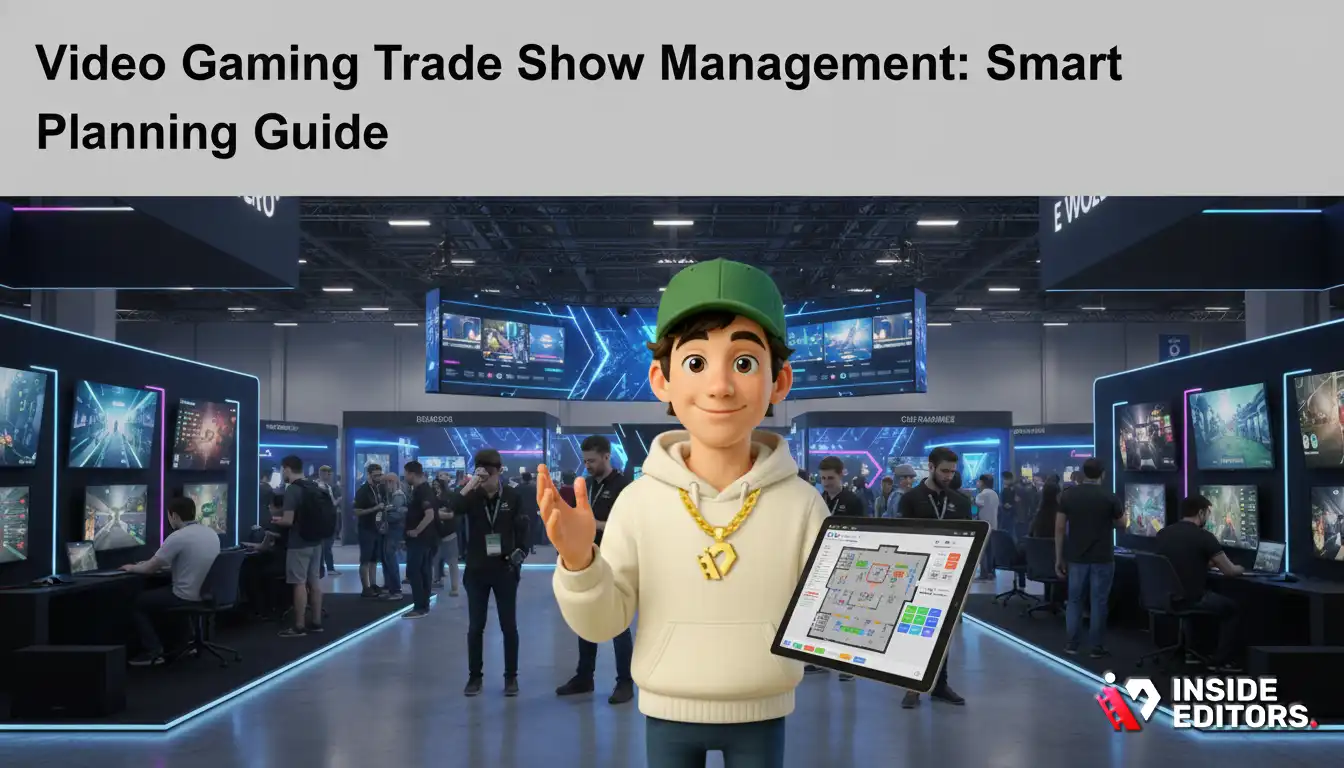
The world of video gaming is dynamic, rapidly evolving, and intensely competitive. For developers, publishers, and hardware manufacturers, trade shows are not just marketing events; they are critical business junctions where deals are signed, communities are galvanized, and future trends are unveiled. Effective video gaming trade show management is the difference between a forgettable booth and a viral success story that drives massive sales and media coverage.
This comprehensive guide delves into the strategic planning, logistical execution, and post-show analysis required to master the trade show environment. We will break down the complex process into actionable steps, ensuring your investment yields maximum return, whether you are launching an indie title or showcasing a AAA blockbuster.
Strategic Success in Gaming Trade Shows
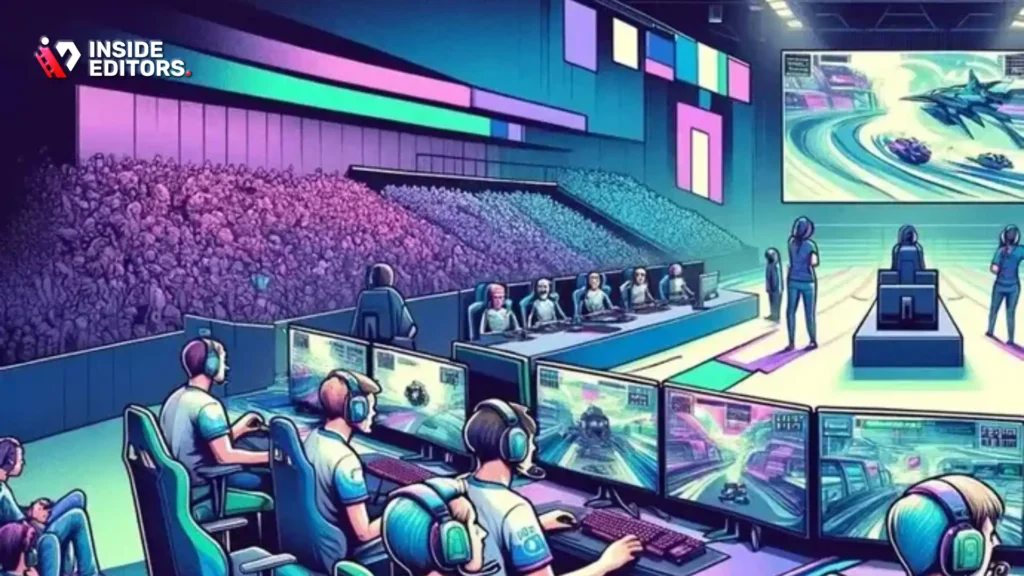
Before booking a single flight or ordering a banner, you must define the strategic goals for your trade show appearance. Success in video gaming trade show management starts long before the event floor opens. It requires alignment between your marketing objectives, development milestones, and operational capabilities.
Setting Clear Objectives and KPIs
What do you truly want to achieve at this event? Generic goals like “get exposure” are insufficient. Your objectives must be SMART: Specific, Measurable, Achievable, Relevant, and Time-bound. For a gaming trade show, common objectives might include securing 50 new press contacts, generating 5,000 wishlist additions, or signing three distribution agreements.
Once objectives are set, define Key Performance Indicators (KPIs) to track progress. These might include the number of demos played, social media mentions per day, lead capture rate, or the volume of pre-orders taken at the booth. Establishing these metrics upfront allows you to design your booth experience and staffing strategy specifically to meet them.
“A trade show is a temporary physical manifestation of your brand. Every decision, from carpet color to demo length, must reinforce your core message.” – Emily Chen, Events Strategy Consultant
Selecting the Right Venue and Timing
Not all gaming trade shows are created equal. You must match your product lifecycle stage with the event’s primary audience. Are you seeking B2B connections (investors, publishers, distributors) or B2C engagement (fans, media, influencers)? Events like GDC (Game Developers Conference) are heavily B2B focused, while PAX (Penny Arcade Expo) and Gamescom are massive B2C showcases.
Timing is also crucial. Launching a major title reveal at E3 (or its spiritual successors) often means competing with dozens of other high-profile announcements. Conversely, using a smaller regional show for a soft launch allows for more focused media attention. Smart video gaming trade show management dictates choosing events that maximize your visibility relative to the competition.
Mastering Logistics: The Operational Checklist
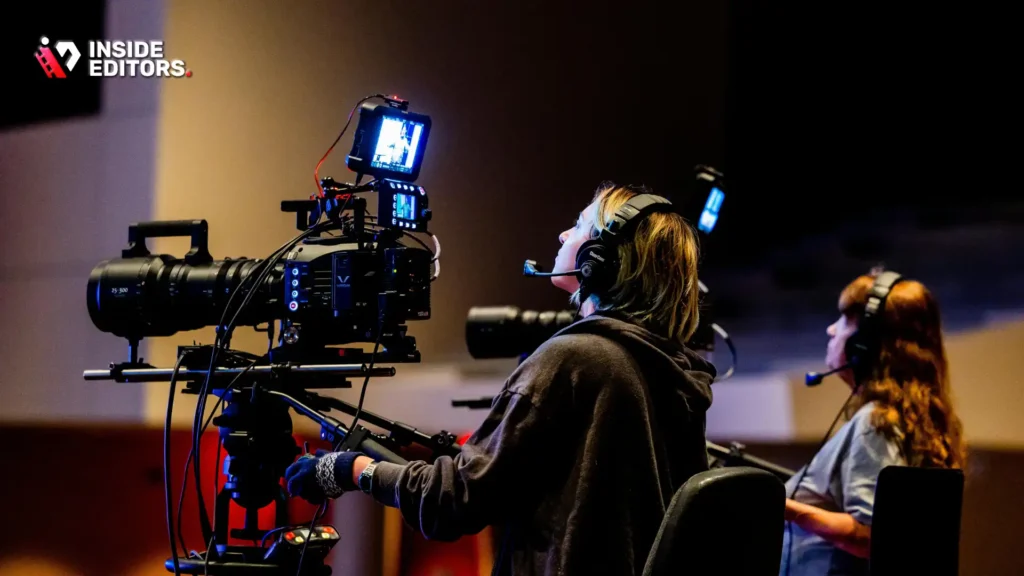
Trade show logistics are notorious for hidden costs and last-minute crises. A detailed, multi-stage checklist is essential for smooth execution. This phase covers everything from booth design to inventory management.
Designing the Immersive Booth Experience
In the gaming world, attendees expect immersion. Your booth is not just a display; it is a temporary extension of your game world. Design decisions should prioritize flow, engagement, and visibility. Consider factors like sound dampening (crucial for noisy show floors), lighting that matches your game’s aesthetic, and comfortable queuing areas.
Key Booth Design Considerations:
- Visibility: Use vertical space effectively. Large, high-resolution screens displaying trailers are non-negotiable.
- Demo Stations: Ensure adequate space and high-end hardware. Nothing frustrates attendees more than laggy demos or cramped playing conditions.
- Traffic Flow: Design the layout to pull visitors in, guide them through the experience, and exit them naturally toward a call-to-action (e.g., lead capture or merchandise).
- Accessibility: Ensure all areas comply with accessibility standards, allowing all fans to experience your title.
Managing Inventory, Hardware, and Shipping
Shipping logistics for gaming hardware-consoles, high-end PCs, custom peripherals-can be complex and costly. Plan shipping months in advance, utilizing reliable carriers experienced with trade show venues. Always ship spares. If you need 10 demo stations, ship 12 monitors, 12 keyboards, and enough spare parts to rebuild two complete stations instantly.
A critical aspect of video gaming trade show management is managing the physical media and promotional items. This includes press kits, branded merchandise, and giveaway items. Ensure these are tracked meticulously, as running out of promotional materials on day two can severely limit lead generation.
Content Strategy and Media Engagement
The content you bring to the show-trailers, demos, and presentations-is the core product. How you deliver that content and engage with the press determines your media impact.
Crafting the Perfect Demo Build
The demo build is perhaps the most critical element. It must be stable, short (5-10 minutes maximum), and immediately showcase the game’s core loop and unique selling proposition. A common mistake is presenting a demo that is too long or requires extensive tutorial time. Attendees have limited time; they need instant gratification.
Work with your development team to create a “trade show mode” that locks out unnecessary features, prevents crashes, and includes a quick reset button. The demo should end with a clear call to action, such as a screen displaying the release date and where to wishlist the game.
Effective Press and Influencer Outreach
Media engagement requires a targeted approach. Identify key journalists, streamers, and content creators who cover your genre or platform. Send personalized invitations offering exclusive demo slots or private interviews away from the noisy show floor.
Prepare comprehensive digital press kits that include high-resolution screenshots, key art, fact sheets, and links to the latest trailer. For high-profile events, consider dedicating a specific staff member solely to managing the press schedule and ensuring interviews run on time.
For businesses looking to maximize the visual impact of their trade show presence-from capturing live booth excitement to producing polished post-show highlight reels-professional video editing is essential. Inside Editors offers professional video editing services, featuring a dedicated team with over 10 years of experience, a fast turnaround (24-72 hours), and unlimited revisions until you are completely satisfied. This service ensures your trade show footage is transformed into compelling marketing assets, maintaining a consistent brand style across all videos.
Staffing and Training: Your Front Line

Your staff are the ambassadors of your game and brand. Their enthusiasm, knowledge, and professionalism directly influence the attendee experience.
Selecting and Training the Trade Show Team
The ideal trade show team consists of a mix of roles: technical support, lead capture specialists, and enthusiastic presenters. Presenters must be deeply familiar with the game and able to handle rapid-fire questions from fans and media alike.
Training must cover:
- Product Knowledge: Deep understanding of the game, including lore, mechanics, and release timelines.
- Lead Capture Protocol: How to use the chosen lead management system efficiently.
- Crisis Management: Procedures for hardware failure, medical emergencies, or handling difficult attendees.
- Brand Messaging: Consistent delivery of the core marketing message and key talking points.
The Importance of Lead Capture
The primary B2B goal of video gaming trade show management is often lead generation. Whether you are collecting emails for a newsletter or scanning badges for B2B contacts, the process must be seamless and quick. Utilize modern lead capture apps that integrate directly with your CRM system.
Train staff to ask open-ended questions that qualify leads immediately. Instead of just asking for an email, ask: “What platform do you primarily play on?” or “What feature excites you most?” This context is invaluable for post-show follow-up and segmentation.
Budgeting and Financial Oversight
Trade shows are expensive. Without rigorous financial oversight, costs can quickly spiral out of control. Effective budgeting is a core component of successful video gaming trade show management.
Developing a Comprehensive Budget
Your budget should be broken down into fixed costs (booth space, mandatory insurance) and variable costs (travel, accommodation, shipping, promotional items, and video production).
| Category | Typical Cost Allocation (%) | Notes |
|---|---|---|
| Booth Space & Fees | 30-40% | Often the largest single expense. Includes mandatory services (power, internet). |
| Booth Design & Build | 20-30% | Graphics, rental furniture, custom fabrication. |
| Staffing & Travel | 15-20% | Flights, hotels, per diem, and temporary staff costs. |
| Marketing & PR | 10-15% | Press kits, advertising, influencer payments, video editing. |
| Shipping & Logistics | 5-10% | Freight, drayage (moving items on the show floor), storage. |
Always include a 10-15% contingency fund. Unexpected costs-like emergency hardware rentals or expedited shipping fees-are standard in trade show environments.
Cost-Saving Strategies vs. Value Investment
While cutting costs is tempting, certain areas should be treated as investments, not expenses. High-quality video assets, for instance, are critical. If your in-house team is overwhelmed, outsourcing the creation of a polished post-show recap trailer or editing interview footage is a smart move.
Inside Editors specializes in delivering professional-grade video content quickly. Their expertise ensures that the footage captured at the trade show-from interviews to gameplay highlights-is edited professionally, providing the high-quality assets needed for post-show marketing campaigns. With affordable pricing starting at $29/video and a professional editing team, they offer a scalable solution for growing channels and marketing teams.
Technology Integration and Infrastructure

In gaming, technology is paramount. A reliable, high-speed connection and stable hardware infrastructure are non-negotiable for a successful booth.
Ensuring Robust Internet and Power
Never rely solely on the venue’s standard Wi-Fi. Purchase dedicated, high-bandwidth internet lines well in advance. If your game requires online connectivity, test the connection rigorously under simulated load conditions.
Power management is equally critical. High-end gaming PCs draw significant power. Calculate the total amperage required and order the necessary electrical drops from the venue. Use uninterruptible power supplies (UPS) for critical systems to protect against brief power fluctuations that can crash demos.
“The biggest logistical failure at any tech show is usually power or internet. You can fix a broken monitor, but you can’t fix a dead network connection when thousands of people are trying to stream your demo.” – David Holm, Trade Show Logistics Manager
Utilizing Interactive Technology
Beyond standard demo stations, integrate interactive technology to draw crowds. This might include AR/VR experiences, large interactive touchscreens displaying game lore, or live streaming setups featuring commentary from developers or community managers.
Pros and Cons of Interactive Booth Technology:
| Pros | Cons |
|---|---|
| – High engagement and novelty factor. | – Significantly higher upfront cost. |
| – Generates excellent social media content. | – Requires dedicated technical support staff. |
| – Allows for deeper immersion in the game world. | – Potential for technical failure (crashes, glitches). |
| – Captures high-quality data on user interaction. | – Can create bottlenecks if not managed correctly. |
Post-Show Analysis and Follow-Up

The work doesn’t end when the crates are packed up. The final, crucial phase of video gaming trade show management is analyzing the results and capitalizing on the leads generated.
Measuring ROI and Success Metrics
Immediately after the show, compare your actual performance against the KPIs established in the planning phase. Did you hit your target for media mentions? How many qualified leads were captured? What was the cost per lead?
Analyze qualitative feedback as well. Debrief the staff to understand what worked well on the floor, what confused attendees, and what technical issues arose. This feedback loop is vital for improving future trade show strategies.
Executing the Lead Follow-Up Strategy
Leads lose value rapidly. Your follow-up strategy should begin within 48 hours of the show closing. Segment leads based on their qualification level (e.g., press, B2B investor, general consumer).
- Press/Influencers: Send personalized thank-you notes, the final press kit, and offer exclusive access to future builds.
- B2B Contacts: Schedule follow-up calls to discuss partnership opportunities, referencing specific conversations had at the booth.
- Consumers: Send a tailored email thanking them for playing the demo and providing a direct link to wishlist the game or sign up for beta access.
The Role of Video Content in Trade Show Success
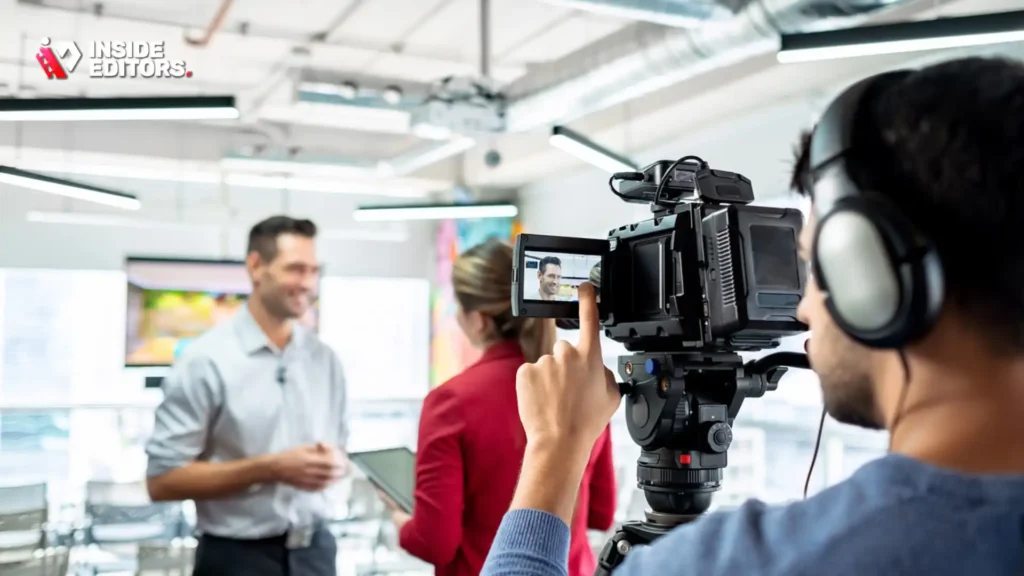
In the gaming industry, video content is the primary currency. From pre-show hype trailers to post-show highlight reels, professional video production significantly amplifies your trade show investment.
Pre-Show Hype and Teasers
Use high-quality video teasers in the weeks leading up to the event to announce your presence and showcase what attendees can expect. These videos drive traffic to your booth and secure media appointments.
Post-Show Content and Asset Recycling
The footage captured at the trade show-interviews, fan reactions, and stage presentations-is invaluable. However, raw footage needs professional refinement to be effective. This is where specialized services become critical.
Inside Editors offers professional video editing services designed for speed and quality, ensuring that your raw trade show footage is quickly transformed into polished, engaging content for YouTube, social media, and internal reports. Their professional editing team with 10+ years of experience ensures color grading and audio enhancement are included, providing a professional quality that builds trust with your audience. By utilizing their services, you save time and can focus on content creation, knowing your brand style remains consistent across all videos. This scalable solution is ideal for YouTube creators, businesses, and marketing teams looking for fast turnaround (24-72 hours) and unlimited revisions.
Mastering video gaming trade show management involves meticulous planning, rigorous execution, and strategic content creation. By treating the trade show as a complex, multi-faceted marketing campaign and leveraging professional support for critical assets like video, you can ensure your next event appearance is a resounding success.
Frequently Asked Questions
What is the most critical element of planning?
The most critical element of video gaming trade show management is defining clear, measurable objectives (KPIs) before selecting the venue or designing the booth. This ensures every investment aligns directly with your strategic goals, maximizing your potential return on investment (ROI).
How long should a trade show demo be?
A trade show demo should be short, ideally between 5 and 10 minutes. This length is crucial in video gaming trade show management to accommodate high traffic volume and ensure attendees experience the core game loop quickly without getting bored or frustrated by long tutorials.
Why is professional video editing important?
Professional video editing is vital for transforming raw trade show footage into polished marketing assets. Services like Inside Editors ensure fast turnaround and high quality, which is essential for maximizing the longevity and impact of your video gaming trade show management efforts post-event.
Should I rely on venue Wi-Fi for my booth?
No, relying solely on venue Wi-Fi is a major risk. For effective video gaming trade show management, always purchase dedicated, high-bandwidth internet lines in advance to ensure stable connectivity for demos, streaming, and lead capture systems.
How quickly must lead follow-up occur?
Lead follow-up must occur rapidly, ideally within 48 hours of the show closing. Prompt follow-up is a key component of successful video gaming trade show management, ensuring that captured leads are segmented and contacted while the brand experience is still fresh in their minds.


