

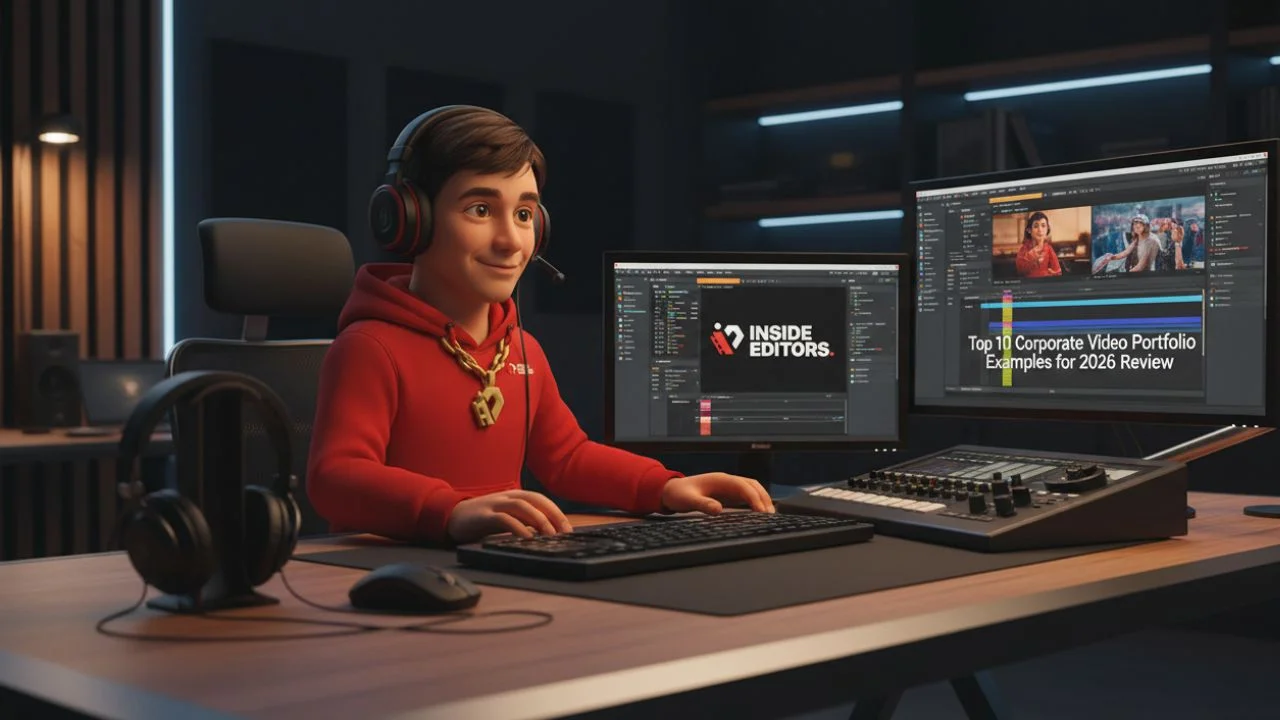
The decision to invest in high-quality video content is a strategic imperative for modern businesses. Whether you are launching a new product, training internal teams, or enhancing your brand narrative, professional Corporate Video Making is essential for capturing audience attention. However, the success of your video project hinges almost entirely on selecting the right vendor. This choice goes beyond simple cost comparison; it requires a deep understanding of production expertise, technical capabilities, and project management alignment.
This comprehensive guide serves as your roadmap for evaluating potential partners in the complex landscape of video production. We will explore the critical factors, comparison metrics, and common pitfalls to ensure your investment yields maximum return. Understanding the nuances of vendor selection is the first, most crucial step toward successful Corporate Video Making.
“Video is the most powerful medium for storytelling today. Choosing a vendor isn’t just hiring technicians; it’s selecting a partner who understands your brand’s voice and strategic goals.” – Sarah Jenkins, Marketing Strategy Consultant
Defining Vendor Requirements

Before you even begin reviewing portfolios, you must clearly define the scope and intent of your project. A well-defined brief acts as the foundation for evaluating potential partners, ensuring they possess the specific skills required for your unique vision. This preparatory phase saves time and prevents costly scope creep later in the process.
Establishing the Scope of Corporate Video Making
Start by detailing the purpose and target audience for your video. Is this a high-production commercial, a series of quick social media explainers, or detailed internal training modules? Each format demands different expertise. For instance, a vendor specializing in cinematic short films might struggle with the rapid, iterative needs of daily social media content.
You must also establish the required deliverables. This includes the final video length, aspect ratios (16:9, 1:1, 9:16), required language localization, and any necessary supplementary assets like animated graphics or B-roll footage. Clearly outlining these requirements helps filter vendors who are not equipped for the specific scale of your Corporate Video Making project.
Budgeting and Timeline Expectations
Transparency regarding budget and timeline is vital for a productive vendor relationship. Video production costs vary dramatically based on factors like location shooting, talent acquisition, equipment required (e.g., drones, specialized lighting), and post-production complexity. A detailed budget breakdown should allocate funds not just for shooting, but also for pre-production (scripting, storyboarding) and post-production (editing, color grading, sound mixing).
A realistic timeline prevents rushed work and ensures quality. Complex projects requiring multiple shooting days and extensive animation might need several months. Be wary of vendors promising impossibly fast turnarounds for high-quality work, as this often signals shortcuts in essential phases like revisions or quality assurance.
Evaluating Technical Expertise

The core competency of any video production vendor lies in their technical skill and the consistent quality of their output. This is where you move beyond glossy portfolios and scrutinize the actual mechanics of their production workflow.
Assessing Portfolio and Style Alignment
Reviewing a vendor’s past work is the most direct way to gauge their capabilities. Look for projects that closely resemble your desired outcome in terms of style, tone, and complexity. Pay close attention to the technical quality: is the lighting professional? Is the audio crisp and clear? Does the editing flow smoothly and serve the narrative?
A strong vendor will have a diverse portfolio but should demonstrate mastery in the specific niche you require. For example, if you need animated explainers, their portfolio should showcase sophisticated motion graphics, not just live-action interviews. Ask for case studies that explain the challenges they faced and how they solved them, demonstrating their problem-solving skills.
The Critical Role of Post-Production Services
Many clients focus heavily on the shoot day, but post-production is where the magic truly happens. Editing, color correction, sound design, and motion graphics transform raw footage into a polished final product. A top-tier vendor offers robust post-production capabilities, often handled by dedicated specialists.
If your internal team handles the shooting, or if you are using existing footage, you might only need specialized post-production support. Services like professional video editing, color grading, and audio enhancement are crucial for achieving broadcast-quality results. This is often an area where specialized services, focused solely on refinement, can offer superior quality and speed compared to full-service production houses.
Vendor Types & Pricing
The video production landscape is populated by various types of vendors, each with different strengths, weaknesses, and pricing structures. Understanding these distinctions is essential for effective comparison.
Full-Service Agencies vs. Specialized Freelancers
| Vendor Type | Strengths | Limitations | Ideal Use Case |
| Full-Service Agency | Handles all aspects (strategy, production, distribution); large team capacity; established processes. | Higher cost; less flexibility; may prioritize larger clients. | Large-scale campaigns; complex, multi-faceted projects. |
| Boutique Production House | Highly specialized expertise (e.g., animation or documentary); strong creative vision; personalized service. | Limited capacity; higher rates for niche skills; less support for distribution. | High-end brand films; specific visual styles. |
| Freelance Collective | Cost-effective; high flexibility; access to specialized individual talents (e.g., specific editors). | Requires more client management; consistency can vary; limited scope for very large projects. | Small to medium projects; quick turnarounds; supplementing internal teams. |
Understanding Pricing Structures
Pricing models for Corporate Video Making generally fall into three categories:
- Project-Based Flat Fee: A single price covers the entire scope of work defined in the brief. This offers budget predictability but can lead to high costs if revisions are extensive or scope changes.
- Day Rates: Common for smaller shoots or specific roles (e.g., camera operator, sound technician). This is flexible but costs can accumulate quickly if the project runs long.
- Retainer Model: A fixed monthly fee for ongoing content creation (e.g., weekly social media videos). Ideal for businesses needing consistent, high-volume content.
“The cheapest bid is rarely the best value. Look for transparency in the quote-breakdowns for equipment, crew, and post-production time are non-negotiable.” – Michael Chen, CFO of a Digital Marketing Firm
Workflow & Communication Importance

Even the most technically skilled vendor can fail if their project management and communication are poor. A smooth workflow ensures timely delivery and minimizes friction during the revision process.
Project Management and Revision Cycles
Ask potential vendors about their standard workflow. How do they handle script approvals? What platform do they use for sharing cuts and collecting feedback? A professional vendor will have a structured system, often utilizing project management software or specialized video review tools.
Pay close attention to the revision policy. Unlimited revisions sound appealing, but they can slow down the process considerably. A realistic contract specifies 2-3 rounds of revisions within the agreed-upon scope. Beyond that, additional revisions should be clearly priced to manage expectations.
Assessing Communication and Reliability
Reliable communication is paramount, especially when dealing with tight deadlines in Corporate Video Making. A vendor should be responsive, proactive in flagging potential issues, and clear in their explanations. Check references specifically regarding their communication style and adherence to deadlines.
If you find yourself needing consistent, high-quality post-production support-perhaps to manage the sheer volume of footage generated by your marketing team-a dedicated, streamlined editing service can be invaluable. This approach bypasses the complexities of full-agency communication by focusing purely on the efficient transformation of raw footage into polished content.
Avoiding Common Pitfalls

Selecting a vendor for Corporate Video Making is fraught with potential missteps. Expert insight can help you navigate these challenges and secure a successful partnership.
Pitfall 1: Overlooking Rights and Licensing
Ensure the contract explicitly states that you retain full ownership and usage rights to the final video, including all raw footage (if negotiated). Furthermore, confirm that the vendor uses properly licensed music, stock footage, and talent. Using unlicensed assets can lead to severe legal issues down the line, particularly if the video is used in broad commercial distribution.
Pitfall 2: Neglecting the Chemistry
A video project involves intense collaboration. The relationship between your internal team and the vendor’s creative team must be strong. Schedule an introductory meeting with the lead producer or director who will be managing your project. Do they understand your brand values? Do they offer creative input that aligns with your vision? Chemistry and mutual respect are essential for navigating the inevitable challenges of production.
“We always advise clients to check the vendor’s liability insurance and their contingency plans. What happens if equipment fails or a location falls through? Preparedness shows true professionalism.” – Alex Rodriguez, Risk Management Advisor
Pitfall 3: Underestimating Post-Production Needs
Many businesses focus their budget on the shoot, leaving insufficient funds for the critical post-production phase. This results in a video that looks great on set but falls flat due to poor editing or sound design. Remember that professional video editing services are often the difference between good footage and a great final product.
Pros and Cons of Outsourcing Post-Production Separately
| Pros | Cons |
| Speed and Efficiency: Specialized editors focus solely on refinement, offering fast turnarounds (e.g., 24-72 hours). | Requires internal team to manage the raw footage transfer and initial briefing. |
| Cost-Effectiveness: Often more affordable than agency rates for dedicated editing time. | Less control over the initial creative vision established during the shoot. |
| Quality Assurance: Editors with 10+ years of experience ensure professional color grading and audio enhancement. | Communication needs to be precise regarding brand style guides and required revisions. |
| Scalability: Easily handle large volumes of content, such as weekly YouTube videos or course modules. | May require a separate vendor for complex motion graphics or 3D animation. |
Strategic Video Partnership Verdict

Successful Corporate Video Making demands more than just technical skill; it requires a strategic partnership that aligns creative vision with business objectives. By meticulously defining your needs, scrutinizing portfolios, understanding pricing models, and prioritizing clear communication, you significantly increase the likelihood of selecting a vendor who will deliver exceptional results.
For businesses and content creators who generate a high volume of raw footage but need a reliable, professional, and fast solution for turning that footage into polished content, focusing on specialized post-production is often the most efficient route.
When seeking professional video editing services, consider partners who offer expertise, reliability, and speed. A service that provides a professional editing team with over 10 years of experience, guarantees fast turnaround times (typically 24-72 hours), and offers unlimited revisions until you are satisfied, ensures both quality and peace of mind. Furthermore, services that include essential enhancements like color grading and audio optimization, all while maintaining affordable pricing, provide a scalable and consistent solution for maintaining a professional brand style across all your videos. This approach allows you to save time and focus on content creation, knowing that the final product will be of professional quality that builds trust with your audience.
Frequently Asked Questions
What is the first step in vendor selection?
The first step in selecting a vendor for Corporate Video Making is defining a clear scope, including the video’s purpose, target audience, required deliverables, and establishing a realistic budget and timeline. This ensures vendors can accurately assess their fit.
How many revisions should be included in a contract?
A professional Corporate Video Making contract typically specifies 2 to 3 rounds of revisions within the agreed-upon scope. This manages expectations and prevents endless scope creep, ensuring the project stays on track and budget.
What is the difference between an agency and a boutique?
A full-service agency handles strategy, production, and distribution, ideal for large campaigns. A boutique production house is highly specialized, offering deep creative expertise for specific visual styles in Corporate Video Making.
Why is post-production often underestimated?
Post-production is underestimated because clients focus heavily on the shoot day. However, professional video editing, color grading, and sound design are critical steps that transform raw footage into a high-quality, polished final product.
Should I retain the raw footage rights?
Yes, you should always negotiate to retain full ownership and usage rights to the final video and, ideally, the raw footage. This gives you maximum flexibility for future edits or repurposing of your Corporate Video Making assets.


