


Sports videography is exciting, fast-paced, and sometimes unpredictable. Whether you are filming football matches, basketball games, athletics, or outdoor extreme sports, capturing clear and cinematic footage requires the right camera settings. Among those settings, aperture plays a crucial role. Many beginner videographers focus only on shutter speed or frame rate, but understanding aperture can dramatically improve video quality.
Aperture affects how much light enters your camera lens and also controls the depth of field in your footage. In sports videography, both of these factors matter a lot. Athletes move quickly, lighting conditions often change, and you may be shooting in stadiums, outdoor fields, or indoor arenas. Choosing the Best Aperture for Sports Videography helps ensure your subject stays sharp while your footage remains bright and professional.
In this guide, we will explore how aperture works, how it affects sports video, and how you can select the Best Aperture for Sports Videography in different environments. By the end of this article, you will understand exactly how to adjust your aperture for sharper action shots and more cinematic sports footage.
Understanding Aperture in Videography
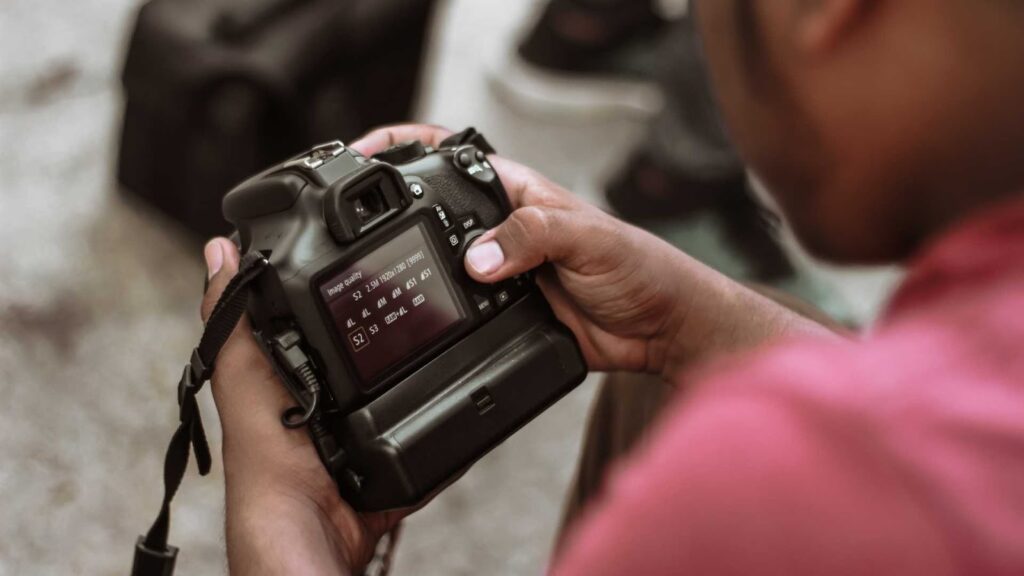
Aperture refers to the opening inside your camera lens that allows light to pass through and reach the sensor. It is measured using f-numbers such as f/1.8, f/2.8, f/4, f/5.6, and higher values. A smaller number means the aperture is wider, allowing more light into the camera. A larger number means the opening is smaller and allows less light.
This concept is important because lighting conditions during sports events vary widely. Outdoor sports may be filmed under bright sunlight, while indoor arenas often have inconsistent lighting. Selecting the Best Aperture for Sports Videography helps balance brightness while maintaining sharp focus on the athletes.
Another critical factor affected by aperture is depth of field. A wide aperture like f/2.8 creates a shallow depth of field where the subject is sharp but the background becomes blurred. This effect can make athletes stand out in the frame. On the other hand, a narrow aperture like f/8 keeps more of the scene in focus, which is useful when multiple players are moving across the field.
For sports videography, finding the Best Aperture for Sports Videography usually means balancing light intake and focus depth so that both the athlete and the action remain clear.
Why Aperture Matters in Sports Videography
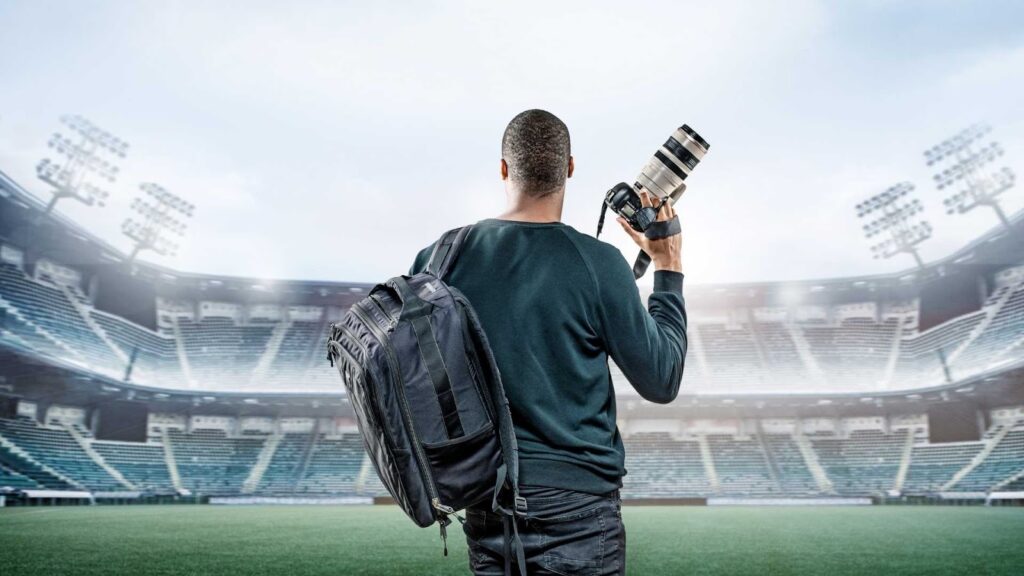
Sports are fast, dynamic, and often unpredictable. Unlike studio shooting where lighting and subject movement are controlled, sports videographers must adapt quickly. Aperture becomes a key tool for managing exposure and focus during fast-moving scenes.
When you use the Best Aperture for Sports Videography, you allow enough light into the camera to maintain proper exposure without pushing ISO too high. High ISO can introduce noise and reduce image quality, which is especially noticeable in video footage.
Aperture also influences the cinematic quality of your sports videos. Many professional sports broadcasts use moderately wide apertures to isolate athletes from distracting backgrounds like crowds or stadium structures. This technique creates a visually appealing look that keeps the viewer focused on the action.
However, going too wide can create problems. If the depth of field becomes too shallow, fast-moving athletes may move out of focus quickly. That is why understanding the Best Aperture for Sports Videography is essential for balancing creativity and practicality.
Best Aperture for Outdoor Sports Videography
Outdoor sports usually provide abundant lighting, especially during daytime events. Because light is not a major issue in these environments, videographers often choose slightly narrower apertures to keep more of the scene in focus.
A common range considered the Best Aperture for Sports Videography outdoors is around f/4 to f/5.6. This range provides a good balance between sharpness and depth of field. It keeps athletes in focus even when they move quickly while still offering some background separation.
For example, if you are filming a football match in daylight, using an aperture around f/4 allows you to maintain clarity across the field. Players running across the frame will remain sharp, and your camera will still capture enough light for proper exposure.
Another advantage of slightly narrower apertures outdoors is that they help maintain consistent focus during unpredictable action. When multiple athletes are moving in the frame, a deeper depth of field ensures the important moments remain sharp.
Therefore, many professionals consider f/4 or f/5.6 the Best Aperture for Sports Videography when filming outdoor sports during bright conditions.
Best Aperture for Indoor Sports Videography
Indoor sports introduce a completely different challenge. Stadium lighting can be uneven, dim, or mixed with artificial colors. In these conditions, aperture becomes critical for capturing enough light.
Many videographers prefer wider apertures like f/2.8 or even f/2 for indoor sports. These settings allow significantly more light to reach the camera sensor. As a result, you can keep your ISO lower and maintain better image quality.
Using the Best Aperture for Sports Videography indoors also helps maintain a cinematic look. A wide aperture isolates athletes from busy backgrounds like spectators or banners. This visual separation helps the audience focus on the main action.
However, shooting wide open requires careful focusing. When the depth of field becomes shallow, even small movements can cause the subject to lose focus. Modern cameras with reliable autofocus systems help manage this issue, making wider apertures easier to use in sports videography.
For indoor basketball, volleyball, or martial arts events, many professionals consider f/2.8 the Best Aperture for Sports Videography.
Balancing Aperture with Shutter Speed and ISO
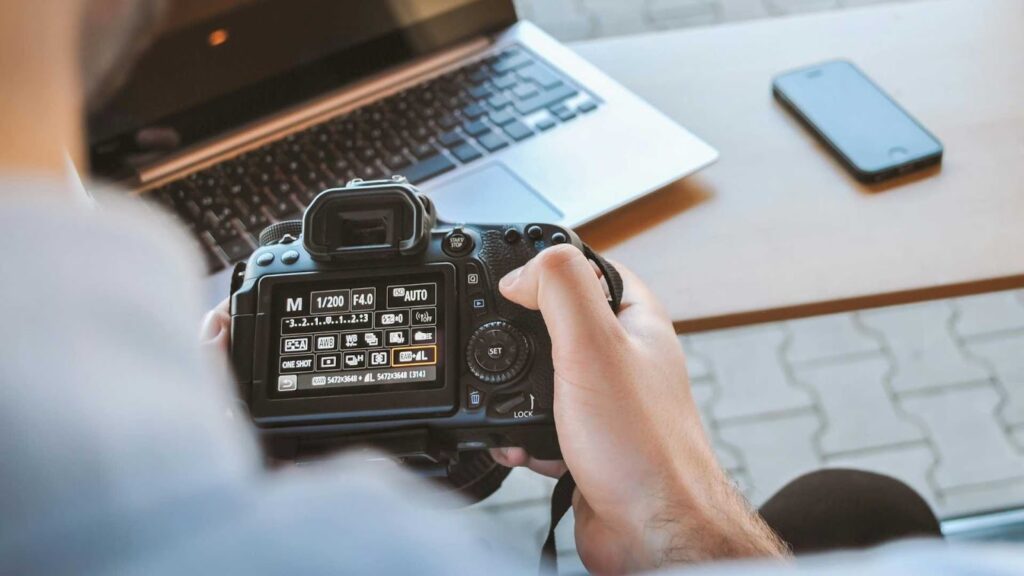
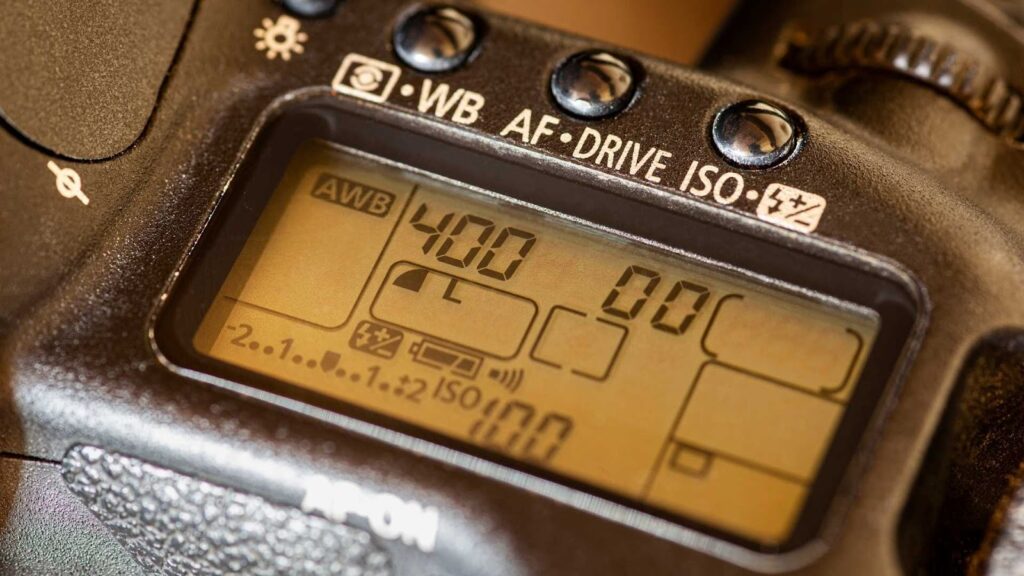
Aperture does not work alone. It is part of the exposure triangle along with shutter speed and ISO. Understanding how these three settings interact is essential for capturing high-quality sports footage.
Shutter speed is particularly important in sports videography because it affects motion clarity. Videographers usually follow the 180-degree rule, meaning the shutter speed should be roughly double the frame rate. For example, if you shoot at 60 frames per second, the shutter speed should be around 1/120.
Once shutter speed is set for motion clarity, aperture becomes the main tool for controlling light. Selecting the Best Aperture for Sports Videography allows you to maintain proper exposure without compromising motion quality.
If lighting conditions change, ISO can be adjusted slightly. However, many videographers prefer to rely on aperture first because increasing ISO too much can introduce noise and reduce video clarity.
By carefully balancing these three settings, you can consistently maintain the Best Aperture for Sports Videography in different shooting environments.
Depth of Field and Storytelling in Sports Videos
Aperture is not only a technical setting; it is also a storytelling tool. The depth of field created by different apertures can shape how viewers experience sports footage.
A wide aperture creates dramatic subject separation. The athlete becomes the center of attention while the background fades into a soft blur. This technique works well for emotional moments such as a player preparing for a penalty kick or celebrating a victory.
A narrower aperture tells a different story. It keeps more of the environment in focus, showing the stadium, crowd, and teammates. This perspective can help convey the scale and excitement of a sports event.
Understanding how to use the Best Aperture for Sports Videography allows videographers to control the visual narrative. By adjusting aperture based on the scene, you can emphasize the action, the emotion, or the overall atmosphere of the event.
Choosing the Right Lens for Sports Videography
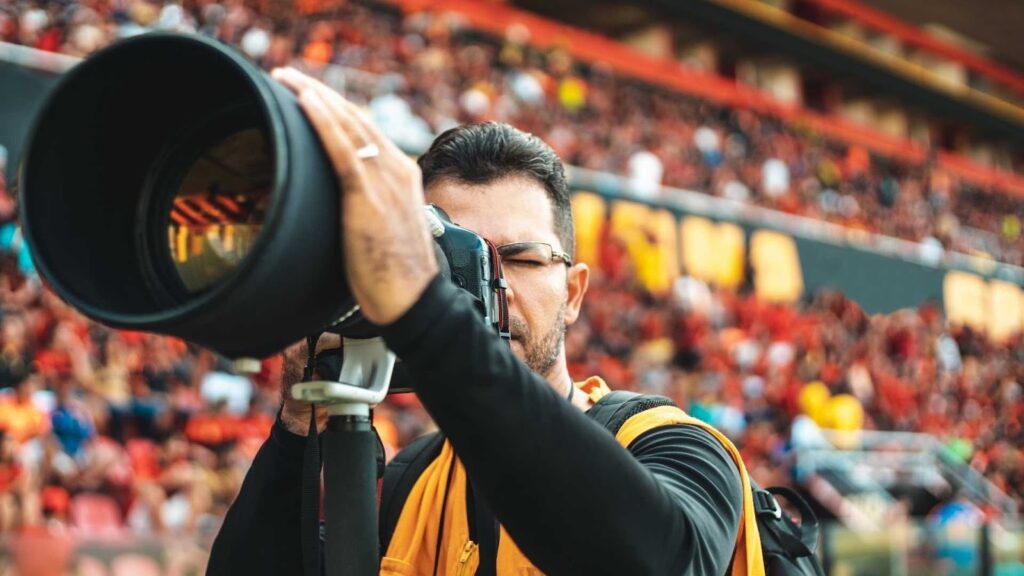
Lens choice also influences how aperture behaves in sports videography. Many professional sports videographers use telephoto lenses because they allow them to capture distant action while maintaining subject isolation.
Telephoto lenses with wide maximum apertures such as f/2.8 are especially popular. These lenses allow videographers to maintain the Best Aperture for Sports Videography even in challenging lighting conditions.
Prime lenses can also be effective because they often offer wider apertures and sharper images. However, zoom lenses provide more flexibility during live sports events where changing lenses is not practical.
When selecting a lens for sports video, consider both focal length and maximum aperture. A lens capable of shooting at f/2.8 or f/4 provides the flexibility needed to achieve the Best Aperture for Sports Videography across various environments.
Common Aperture Mistakes in Sports Videography
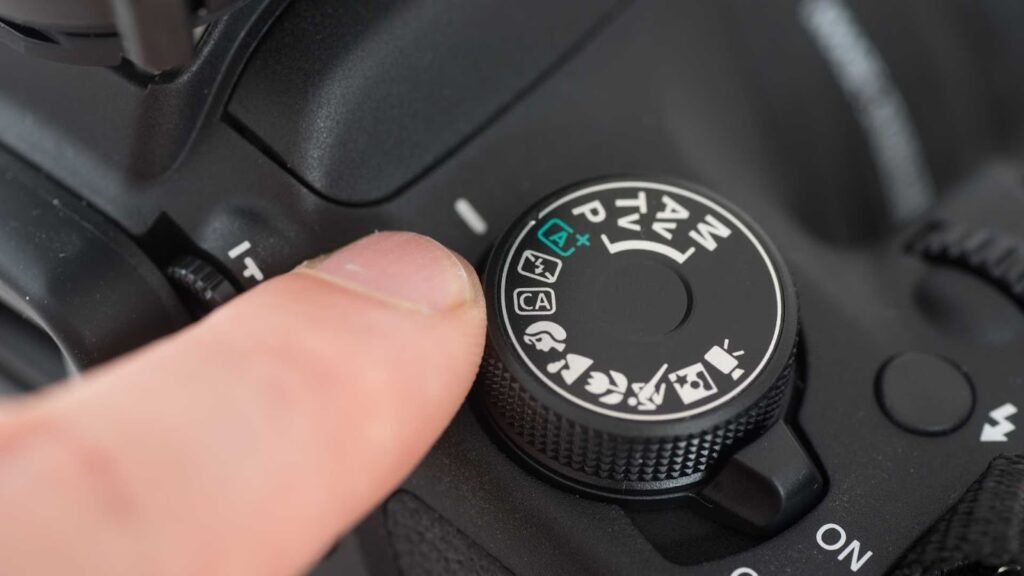
Many beginners make mistakes when adjusting aperture during sports filming. One common issue is shooting too wide open in bright conditions. While wide apertures create beautiful background blur, they may cause overexposure in daylight sports events.
Another mistake is using very narrow apertures such as f/11 or f/16. While these settings increase depth of field, they reduce light significantly and can make footage look flat or overly sharp. They can also introduce diffraction, which reduces image quality.
Some videographers also forget to adjust aperture when lighting conditions change. For example, a football match filmed during sunset may start with a narrow aperture but require a wider aperture later in the game.
Understanding the Best Aperture for Sports Videography helps avoid these issues and ensures consistent footage quality.
How Professional Sports Videographers Choose Aperture
Professional sports videographers rarely rely on a single aperture setting. Instead, they adapt based on lighting, movement, and the type of sport being filmed.
For outdoor sports under strong daylight, they often stay around f/4 or f/5.6 to maintain sharp focus across the action. For indoor arenas or night games, they may open the lens to f/2.8 to capture enough light while maintaining subject isolation.
Experience also plays a role. Professionals learn to anticipate movement and adjust aperture accordingly. This flexibility helps them consistently maintain the Best Aperture for Sports Videography even during unpredictable action.

Final Thoughts on the Best Aperture for Sports Videography
Aperture is one of the most powerful tools in sports videography. It controls brightness, focus depth, and even the storytelling style of your footage. By understanding how aperture works, videographers can capture cleaner, sharper, and more cinematic sports videos.
The Best Aperture for Sports Videography often falls between f/2.8 and f/5.6 depending on lighting conditions. Outdoor sports usually benefit from slightly narrower apertures, while indoor sports often require wider apertures to capture enough light.
Learning to adjust aperture based on the environment will dramatically improve the quality of your sports footage. With practice, you will develop an instinct for selecting the Best Aperture for Sports Videography in every situation.
If you are creating sports content, highlight reels, or promotional videos, editing is just as important as capturing the footage. At Inside Editors, we specialize in professional video editing services that help creators transform raw sports footage into engaging, high-quality videos. Whether you are a sports videographer, content creator, or production company, our team can help you produce polished videos ready for YouTube, social media, or broadcast.
Visit Inside Editors to learn more about our Video Editing Service and see how we can help elevate your sports videography projects.


