

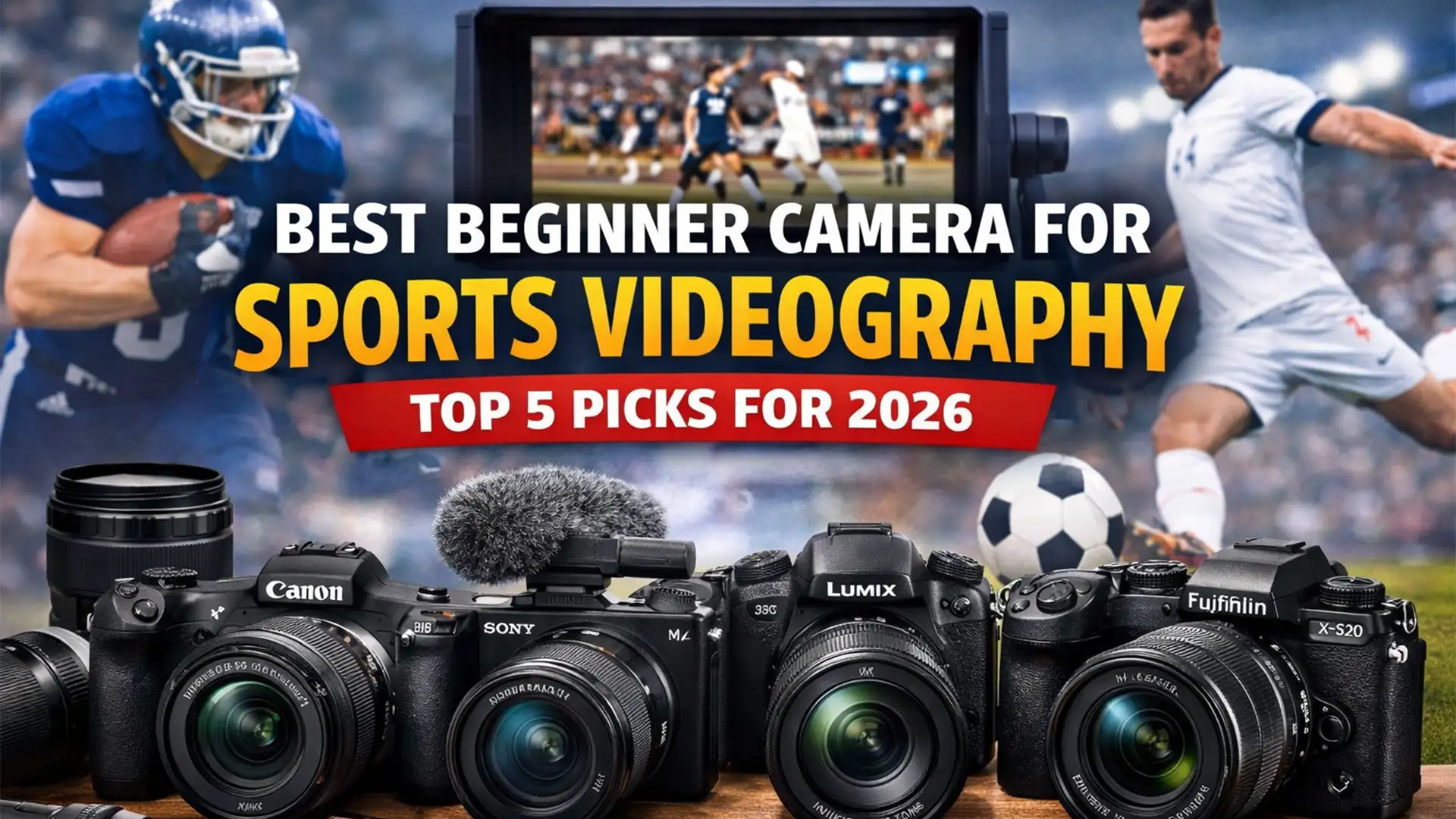
Sports videography is one of the most exciting forms of filmmaking. From capturing the intensity of a football match to recording a fast-paced basketball game, sports videos bring energy and emotion to the screen. However, recording sports is not always easy. Athletes move quickly, lighting conditions change rapidly, and the action never stops. That is why choosing the Best Beginner Camera for Sports Videography is extremely important if you want your footage to look smooth, sharp, and professional.
Many beginners assume they need the most expensive camera to capture sports, but that is not true. Modern entry-level and mid-range cameras now include advanced features such as fast autofocus, high frame rate recording, image stabilization, and 4K video. These tools make it easier than ever for beginners to film fast-moving action without missing critical moments.
When searching for the Best Beginner Camera for Sports Videography, you should focus on a few essential factors. Fast autofocus helps track athletes moving across the field. High frame rates allow you to capture slow motion highlights. Good battery life ensures you can record long games without interruption. Finally, a lightweight body makes it easier to carry your camera during events.
In this guide, we will explore the Best Beginner Camera for Sports Videography available in 2026. These cameras offer an excellent balance between price, performance, and ease of use. Whether you are filming school sports, local tournaments, or YouTube sports content, these cameras will help you get started with confidence.
Let’s dive into the best options.
What Makes a Good Beginner Camera for Sports Videography?
Before looking at the camera recommendations, it helps to understand what makes a camera suitable for sports filming. Sports videography is different from regular video shooting because the action is fast and unpredictable.
A camera that performs well in sports environments usually has strong autofocus tracking. When players move rapidly across the frame, the camera must lock onto them and maintain focus. Without reliable autofocus, footage can quickly become blurry or unusable.
Frame rate is another important factor. Higher frame rates allow you to capture smoother motion and create slow-motion replays. Many modern cameras now support 60fps or even 120fps video recording, which is perfect for sports highlights.
Another feature beginners should look for is image stabilization. Sports videographers often move while filming. Stabilization helps reduce camera shake and produces smoother footage, especially when shooting handheld.
Low-light performance is also useful because many sports events happen indoors or during evening hours. Cameras with larger sensors usually handle low light better and produce cleaner images.
When evaluating the Best Beginner Camera for Sports Videography, these core features play a huge role in determining overall performance.
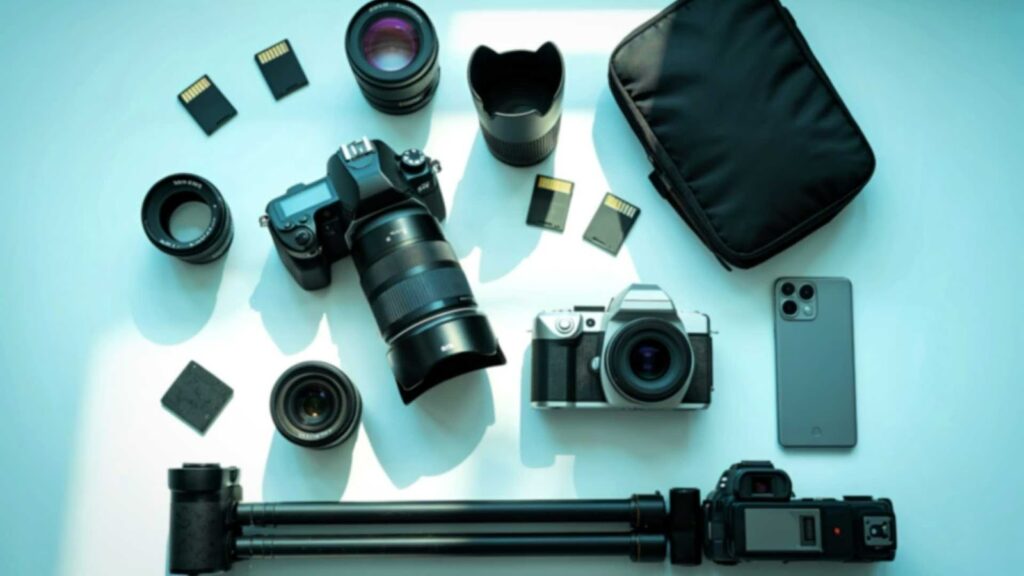
Key Features Beginners Should Look For
Choosing the Best Beginner Camera for Sports Videography becomes easier when you understand which features matter most. While many cameras advertise dozens of functions, only a few truly make a difference for sports filming.
Some of the most useful features include:
- Fast and accurate autofocus tracking
- High frame rate recording such as 60fps or 120fps
- Good battery life for long events
- Reliable image stabilization
- Lightweight and portable camera body
- Clean HDMI output for external recording
Autofocus tracking is arguably the most important feature. When players sprint across the field or court, the camera must continuously adjust focus to keep them sharp. Many modern cameras now use AI-based tracking systems that detect faces, eyes, and subjects automatically.
Frame rate also impacts the quality of sports footage. A camera capable of recording 4K at 60 frames per second gives you smoother playback and more flexibility in editing.
Stabilization helps beginners maintain steady shots even without professional rigs. Some cameras include in-body stabilization, while others rely on lens stabilization.
Understanding these features will help you select the Best Beginner Camera for Sports Videography that matches your budget and shooting style.
Top 5 Best Beginner Cameras for Sports Videography
Now let’s explore the cameras that offer the best combination of performance, price, and beginner-friendly features. These models are widely recommended for new sports videographers in 2026.
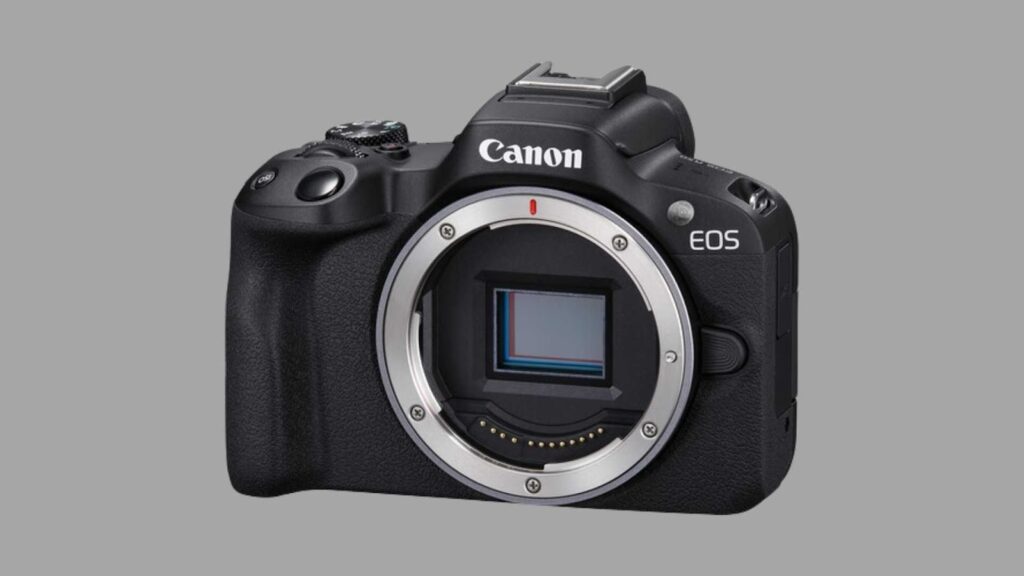
1. Canon EOS R50
The Canon EOS R50 has quickly become one of the most popular beginner cameras for video creators. It combines strong autofocus performance with a lightweight design that is easy for new videographers to handle.
One of the biggest advantages of the EOS R50 is Canon’s Dual Pixel autofocus system. This autofocus technology tracks subjects extremely well and keeps athletes in focus even when they move quickly across the frame. For beginners filming sports, this feature alone can make a huge difference.
The camera records 4K video with excellent detail and color. Canon cameras are known for producing natural skin tones and vibrant images straight out of the camera, which reduces editing time.
Another reason the EOS R50 stands out as the Best Beginner Camera for Sports Videography is its simplicity. The camera interface is beginner-friendly and easy to learn. Even users with little experience can start recording high-quality sports footage quickly.
Its compact size also makes it great for handheld shooting during games or practices. You can move around the field easily without carrying heavy equipment.
Overall, the Canon EOS R50 offers an excellent starting point for anyone entering sports videography.
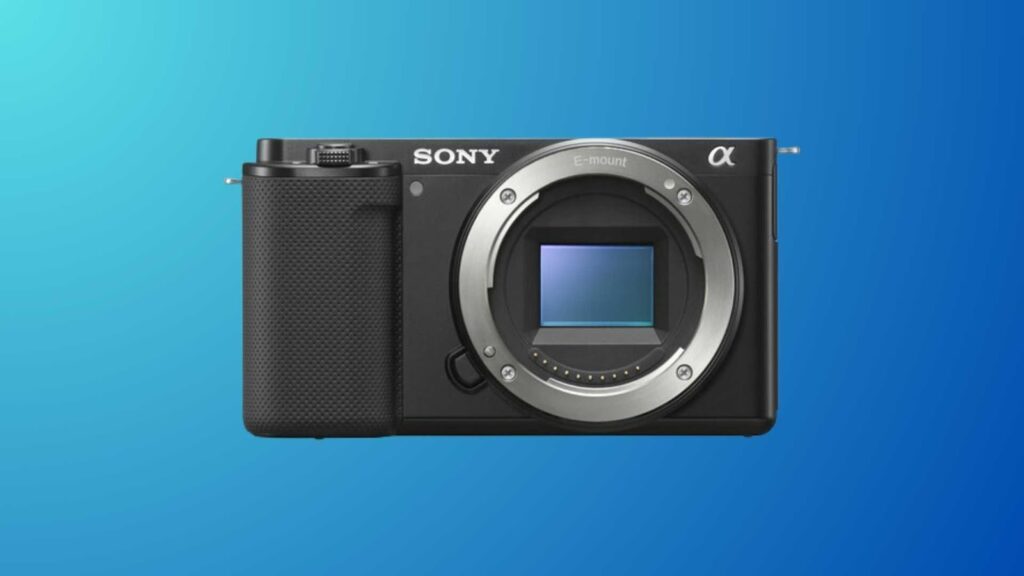
2. Sony ZV-E10
The Sony ZV-E10 is another outstanding choice for beginners who want to film sports. Sony has built a strong reputation for autofocus technology, and this camera continues that tradition.
Sony’s Real-Time Tracking autofocus system keeps moving subjects sharp and focused. This is extremely helpful when filming athletes running, jumping, or changing direction rapidly.
The ZV-E10 also supports high-quality 4K video recording with strong dynamic range. Footage captured with this camera looks crisp and professional even in challenging lighting conditions.
Another benefit is the wide range of Sony lenses available. Beginners can start with an affordable kit lens and later upgrade to telephoto lenses that are ideal for sports.
The camera is also popular among YouTubers and content creators because of its flip screen and easy connectivity. If you plan to share sports videos online, the ZV-E10 provides excellent flexibility.
Because of its powerful autofocus and video quality, many creators consider the Sony ZV-E10 a strong contender for the Best Beginner Camera for Sports Videography.
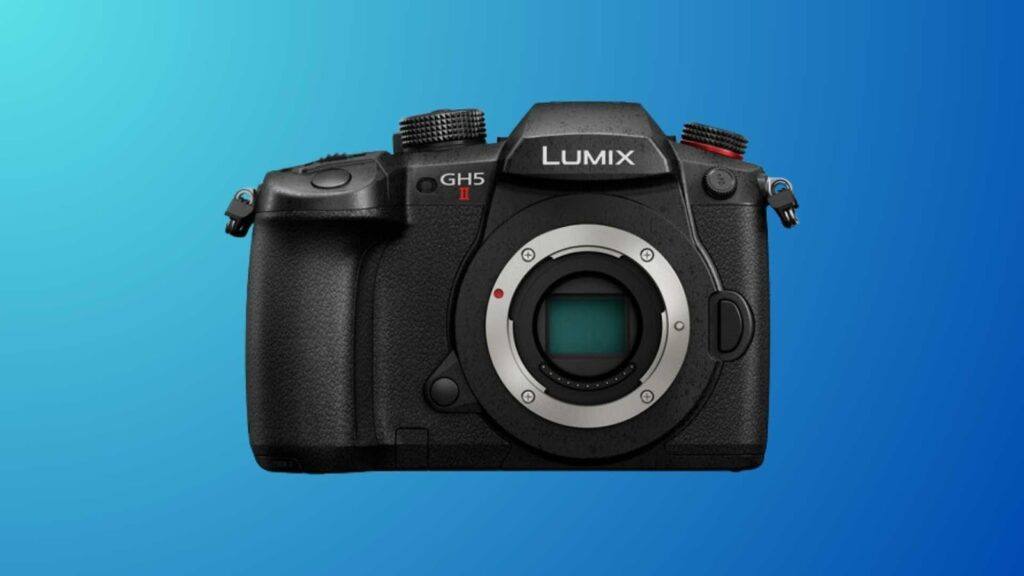
3. Panasonic Lumix GH5
The Panasonic GH5 has been a favorite among videographers for many years, and it remains a powerful tool even in 2026. While it may not be the newest model, it offers professional-level video features at a very reasonable price.
One of the standout features of the GH5 is its impressive video capabilities. The camera can record high-quality 4K video with excellent color depth and advanced video settings.
It also includes powerful in-body image stabilization. This feature helps produce smoother footage, especially when filming handheld during sporting events.
Another advantage is durability. The GH5 has a strong build quality and weather-sealed body, which makes it reliable for outdoor sports filming.
For beginners who want a camera that focuses heavily on video performance, the GH5 is still considered one of the Best Beginner Cameras for Sports Videography.
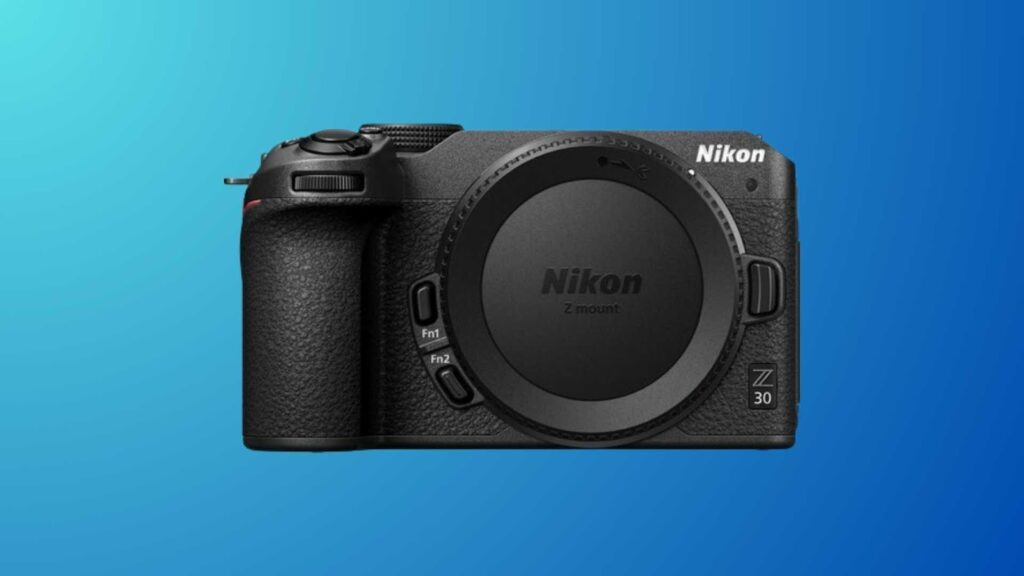
4. Nikon Z30
The Nikon Z30 is designed specifically for content creators and beginner videographers. It offers a simple user experience while delivering impressive video performance.
The camera records sharp 4K video and features reliable autofocus tracking. While Nikon autofocus was once considered slower than competitors, recent improvements have made it much more competitive.
The Z30 also has a lightweight design that makes it comfortable to use for extended periods. This is especially useful when filming long sports matches or tournaments.
Battery life is another positive aspect. Many beginners appreciate the ability to record longer sessions without constantly swapping batteries.
Because of its balance of simplicity and performance, the Nikon Z30 is often recommended as the Best Beginner Camera for Sports Videography for new filmmakers.
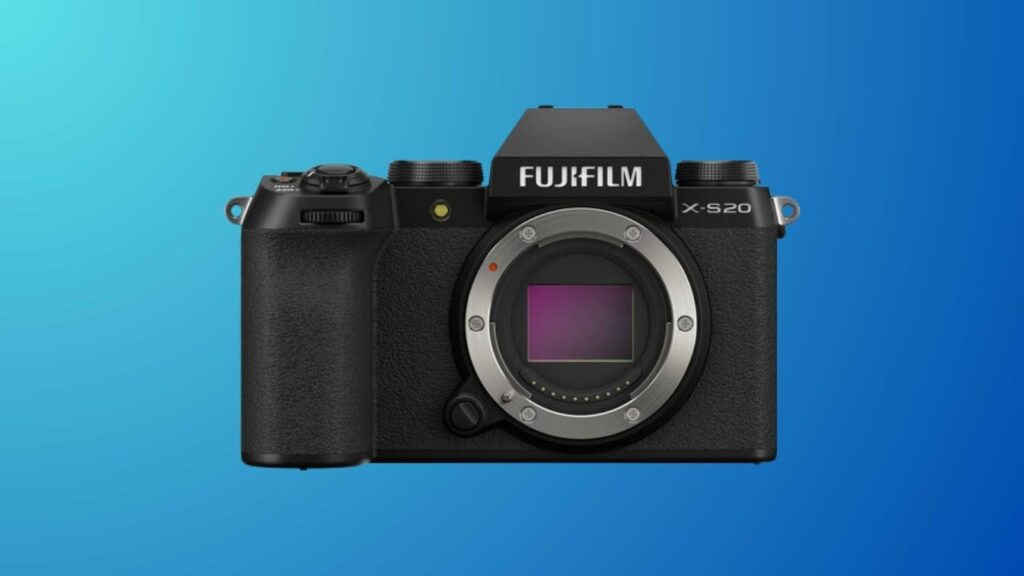
5. Fujifilm X-S20
The Fujifilm X-S20 is a powerful hybrid camera that works extremely well for both photography and videography. It offers strong autofocus, excellent color science, and impressive video features.
One of the most appealing aspects of Fujifilm cameras is their color profiles. Footage from the X-S20 often looks cinematic even before editing, which is great for beginners.
The camera also includes advanced stabilization technology that helps keep sports footage smooth. When filming handheld action scenes, stabilization plays a major role in improving video quality.
The X-S20 can record high-quality 4K video and supports high frame rates for slow-motion sports highlights.
Thanks to its versatility and image quality, many creators now consider the Fujifilm X-S20 among the Best Beginner Cameras for Sports Videography available today.
Best Lenses to Pair with a Beginner Sports Camera
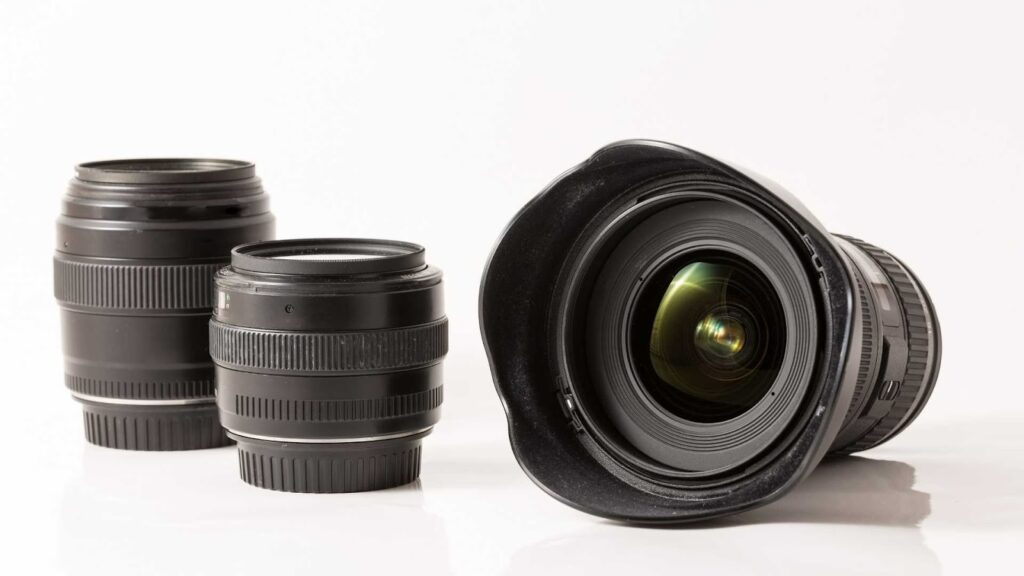
Even the Best Beginner Camera for Sports Videography cannot perform well without a suitable lens. Sports videography often requires zoom lenses that allow you to capture action from a distance without disturbing the game.
Many beginners start with a kit lens, which usually covers a standard zoom range such as 18–45mm or 16–50mm. While these lenses are good for learning, they may not provide enough reach for large fields or stadiums.
For outdoor sports like football, soccer, or cricket, telephoto lenses are extremely useful. These lenses allow videographers to zoom in on players from far away while still capturing sharp footage.
Some commonly recommended beginner sports lenses include:
- 70–200mm telephoto lenses for field sports
- 100–400mm lenses for large stadiums or wildlife-style sports coverage
- 24–70mm lenses for indoor sports or sideline shooting
Telephoto lenses help isolate athletes and bring viewers closer to the action. They also create a more cinematic look by compressing the background and focusing attention on the players.
Another advantage of longer lenses is flexibility. If you are filming multiple sports events, a telephoto zoom lens allows you to adapt quickly without constantly changing your position.
When selecting the Best Beginner Camera for Sports Videography, it is wise to plan your lens upgrades as well. The right lens can significantly improve the quality of your sports footage.
Essential Accessories for Sports Videography Beginners
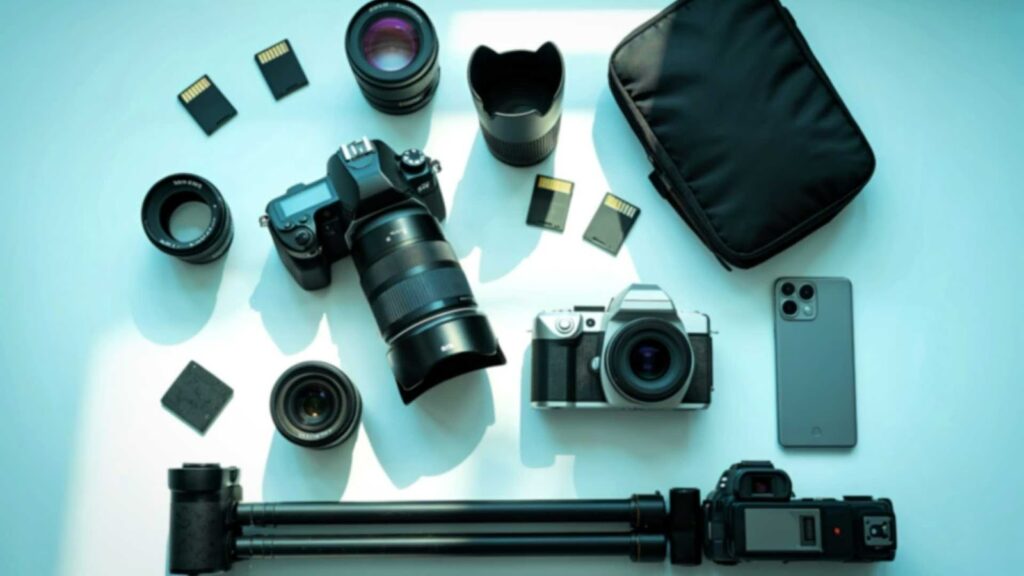
Once you have chosen the Best Beginner Camera for Sports Videography, adding a few accessories can greatly improve your shooting experience. Sports environments are unpredictable, and having the right gear can make your workflow smoother.
Some of the most helpful accessories include:
- A sturdy monopod or tripod for stability
- Extra batteries for long games
- Fast memory cards that support high video bitrates
- External microphones for better audio
- ND filters for shooting in bright daylight
Monopods are especially popular among sports videographers. Unlike tripods, monopods allow quick movement while still providing stability. This is useful when following athletes across a field.
Extra batteries are essential because recording video drains power quickly. Having multiple batteries ensures you can continue filming without interruptions.
Memory cards also matter more than many beginners realize. High-resolution video requires fast storage. Using reliable, high-speed cards prevents recording errors and dropped frames.
Audio equipment can also enhance sports videos, especially when capturing commentary or crowd reactions. While the camera’s internal microphone works in basic situations, external microphones usually produce much cleaner sound.
Accessories may seem like small upgrades, but they significantly improve the performance of the Best Beginner Camera for Sports Videography.
Tips for Filming Better Sports Videos as a Beginner
Buying the Best Beginner Camera for Sports Videography is only the first step. The real improvement comes from learning how to use your camera effectively during live events.
One of the most useful techniques is anticipating the action. Sports move quickly, and beginners often react too late. Experienced videographers watch the flow of the game and position their camera where the action is likely to happen.
Another helpful habit is maintaining steady movement while tracking players. Sudden camera movements can make footage look shaky and difficult to watch. Smooth panning motions create a more professional result.
Lighting conditions also play a major role in video quality. Outdoor sports often provide excellent natural light, but indoor arenas may be darker. Learning how to adjust ISO, shutter speed, and aperture will help maintain clear footage in different environments.
It is also important to capture a variety of shots. Wide shots show the overall play, while close-up shots capture emotions and reactions. Combining different perspectives during editing creates a more engaging sports video.
Practice is the key to mastering sports videography. Even the Best Beginner Camera for Sports Videography requires time and experimentation before you fully understand its capabilities.
Final Thoughts
Sports videography is one of the most exciting areas of video production. Capturing intense moments, emotional reactions, and fast-paced action can produce incredibly engaging content. However, the quality of your footage depends heavily on the camera you choose.
The Best Beginner Camera for Sports Videography should offer strong autofocus, high frame rate recording, reliable stabilization, and user-friendly controls. Cameras like the Canon EOS R50, Sony ZV-E10, Panasonic GH5, Nikon Z30, and Fujifilm X-S20 provide excellent performance while remaining accessible to beginners.
As you gain experience, you will learn how to anticipate action, frame shots more effectively, and use different lenses to capture dramatic perspectives. Over time, these skills will help you create professional-level sports videos.
Remember that equipment is only part of the equation. Good storytelling, smooth camera work, and strong editing are equally important for producing compelling sports content.
If you want to save time and ensure your videos look polished and professional, you can always rely on expert editing services like Inside Editors.


