

Sports videography is exciting, fast, and sometimes unpredictable. One second the field is calm, and the next second a goal, dunk, or tackle changes everything. If you want to capture those powerful moments perfectly, choosing the Best Lens for Sports Videography is one of the most important decisions you will make.
Many beginners focus only on the camera body. But experienced videographers know the truth: the lens plays an even bigger role. The right lens helps you track fast players, shoot in low light, zoom in from far away, and create that professional cinematic look. Without the Best Lens for Sports Videography, even the most expensive camera can struggle.
In this detailed guide, we will explore the top 10 lenses for 2026, explain what makes them great for sports, and help you compare features before buying. Whether you film football, basketball, motorsports, or school games, this guide will help you choose the Best Lens for Sports Videography for your needs and budget.
Let’s dive in.
What Makes the Best Lens for Sports Videography?
Before we review specific models, it’s important to understand what makes a lens suitable for sports.
Sports move fast. That means your lens must focus quickly and accurately. Autofocus performance is critical. You also need a lens that performs well in different lighting conditions, especially in indoor arenas or evening matches.
Another key factor is focal length. If you are filming from the sidelines, you need reach. Telephoto lenses allow you to zoom in without losing detail. On the other hand, if you are close to the action, a versatile zoom lens may be better.
A great Best Lens for Sports Videography usually offers:
- Fast and reliable autofocus
- Wide aperture (like f/2.8 or wider)
- Good image stabilization
- Strong build quality
- Sharp image quality even at long distances
Now, let’s look at the top 10 lenses dominating 2026.
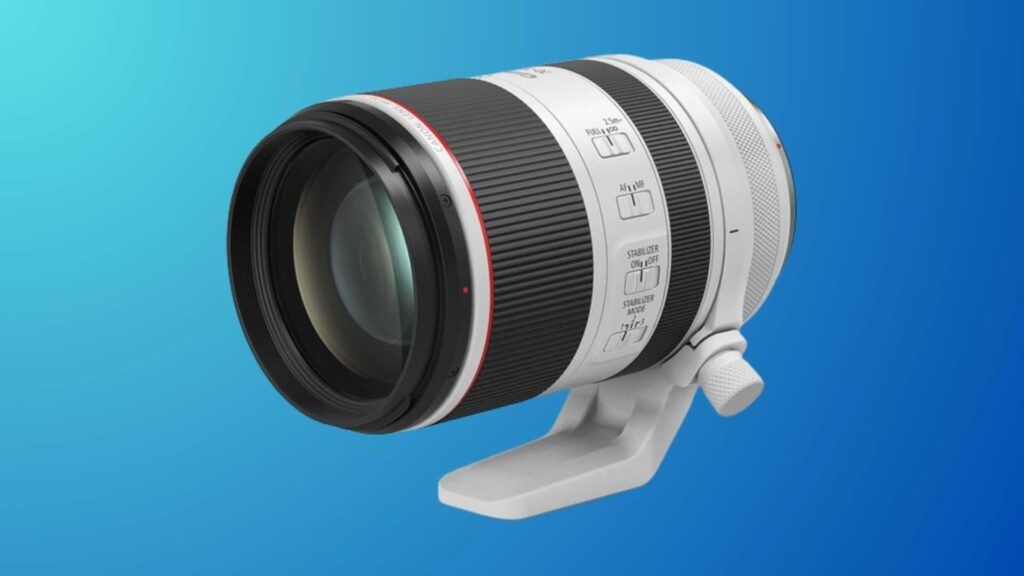
1. Canon RF 70-200mm f/2.8L IS USM
This lens is a favorite among professional sports videographers. Designed for Canon’s RF mirrorless cameras, it offers stunning image quality and fast autofocus performance.
The 70-200mm focal range is perfect for many sports. You can capture wide shots at 70mm and zoom in for close player details at 200mm. The constant f/2.8 aperture makes it an excellent choice for indoor sports and night games.
When searching for the Best Lens for Sports Videography, this Canon lens often comes up at the top because of its speed and reliability.
Pros
- Extremely fast autofocus
- Sharp across the entire zoom range
- Excellent image stabilization
- Professional build quality
Cons
- Expensive
- Slightly heavy for long handheld sessions
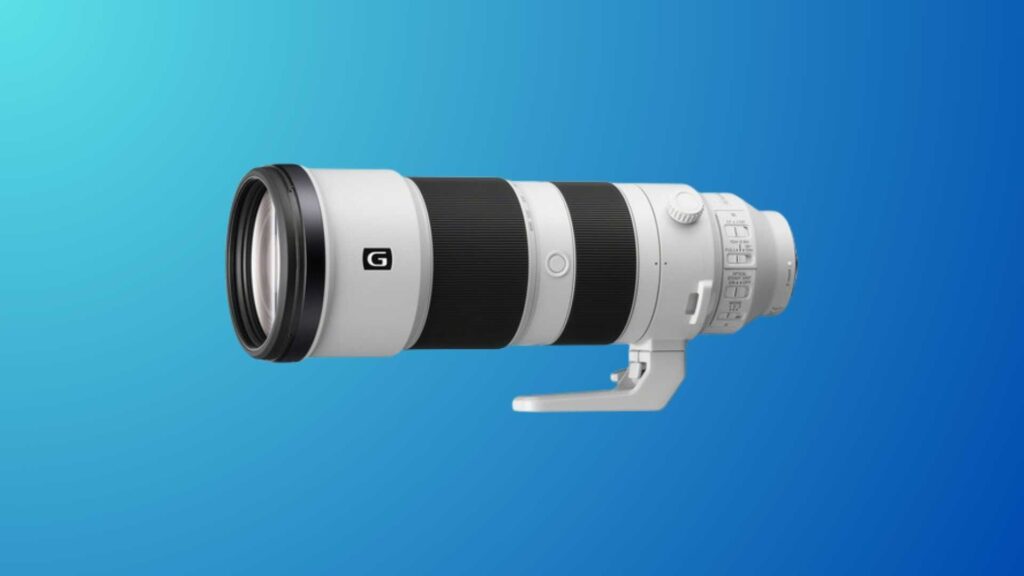
2. Sony FE 200-600mm f/5.6-6.3 G OSS
If you shoot outdoor sports like soccer, cricket, or motorsports, reach matters. This Sony lens gives you incredible zoom power.
With 600mm on the long end, you can capture players from across the field without losing detail. While the aperture is not as wide as f/2.8 lenses, it performs well in daylight conditions.
For many outdoor shooters, this is the Best Lens for Sports Videography because of its incredible range.
Pros
- Massive zoom range
- Great autofocus tracking
- Solid optical stabilization
- Ideal for outdoor sports
Cons
- Large and heavy
- Not ideal for low-light indoor games
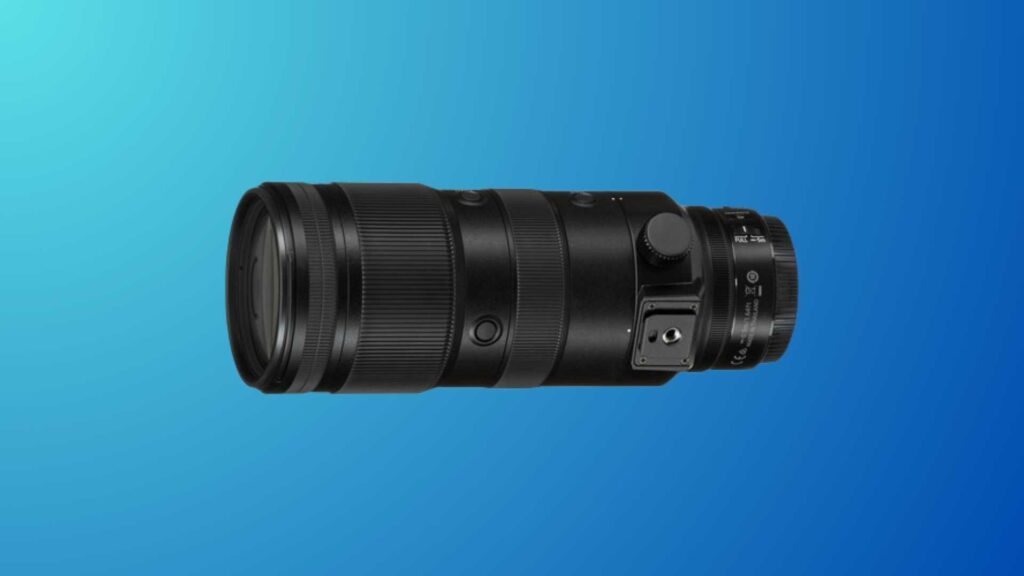
3. Nikon Z 70-200mm f/2.8 VR S
Nikon users looking for the Best Lens for Sports Videography often choose this model. It delivers exceptional sharpness and professional-level video performance.
The vibration reduction system helps keep footage stable during handheld shooting. The autofocus is silent and fast, which is essential when recording live action.
It performs beautifully in basketball arenas and football stadiums alike.
Pros
- Outstanding optical clarity
- Fast and accurate autofocus
- Durable weather-sealed design
- Excellent for low-light shooting
Cons
- Premium price
- Slightly bulky
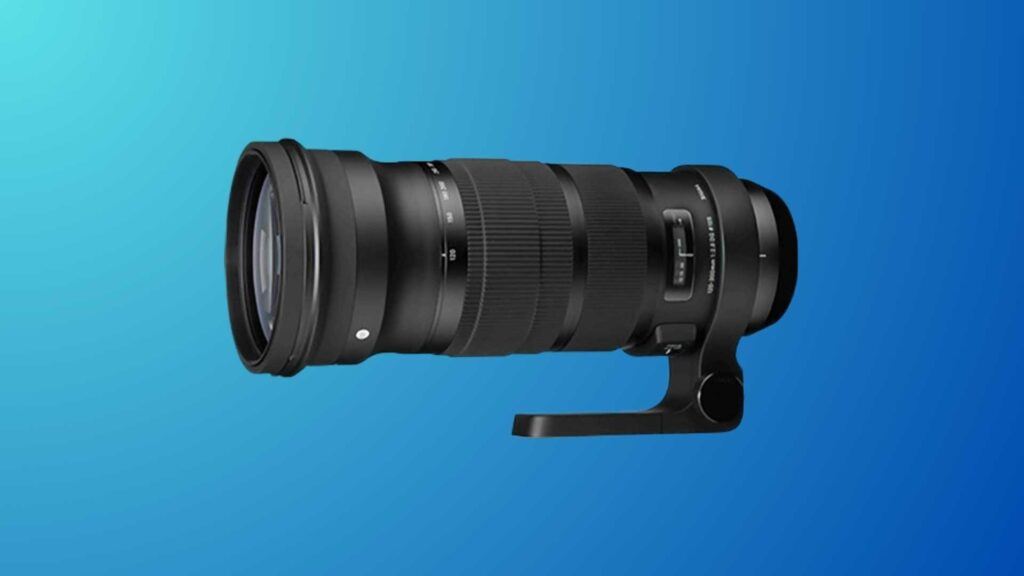
4. Sigma 120-300mm f/2.8 DG OS HSM Sports
This lens is powerful. It combines long reach with a constant f/2.8 aperture, something not many lenses offer.
For professionals who want both flexibility and brightness, this could be the Best Lens for Sports Videography. The ability to shoot at 300mm with f/2.8 gives you strong background blur and great subject isolation.
Pros
- Constant f/2.8 at long focal lengths
- Excellent build quality
- Great subject separation
- Professional performance
Cons
- Very heavy
- Expensive
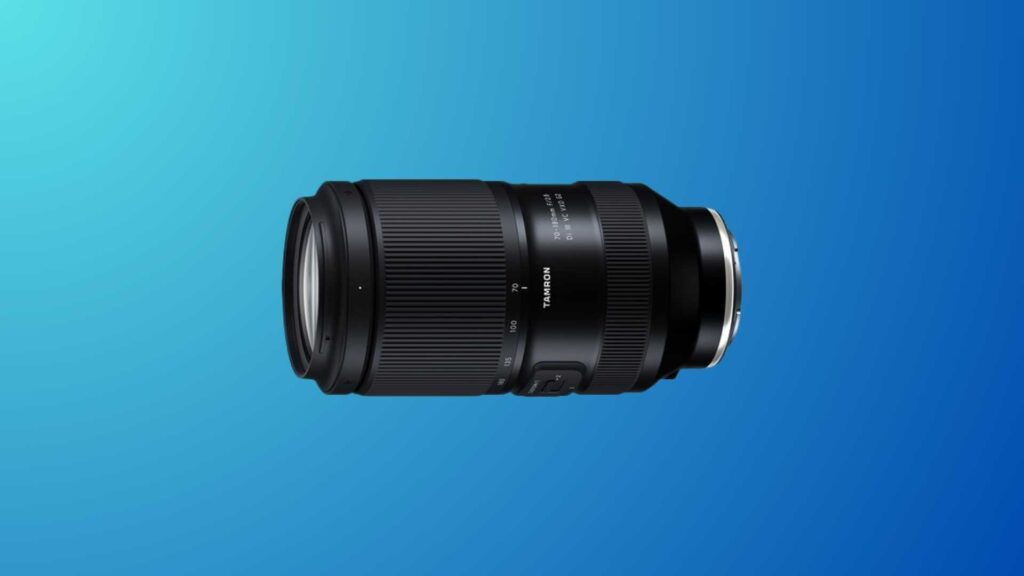
5. Tamron 70-180mm f/2.8 Di III VXD
This lens is more affordable but still powerful. It is lighter than many competitors, making it easier for handheld sports videography.
The autofocus motor is fast and responsive. For creators on a budget, this could be the Best Lens for Sports Videography without spending thousands.
Pros
- Lightweight design
- Affordable compared to premium brands
- Fast autofocus
- Good image quality
Cons
- Shorter zoom range
- Less rugged than high-end lenses
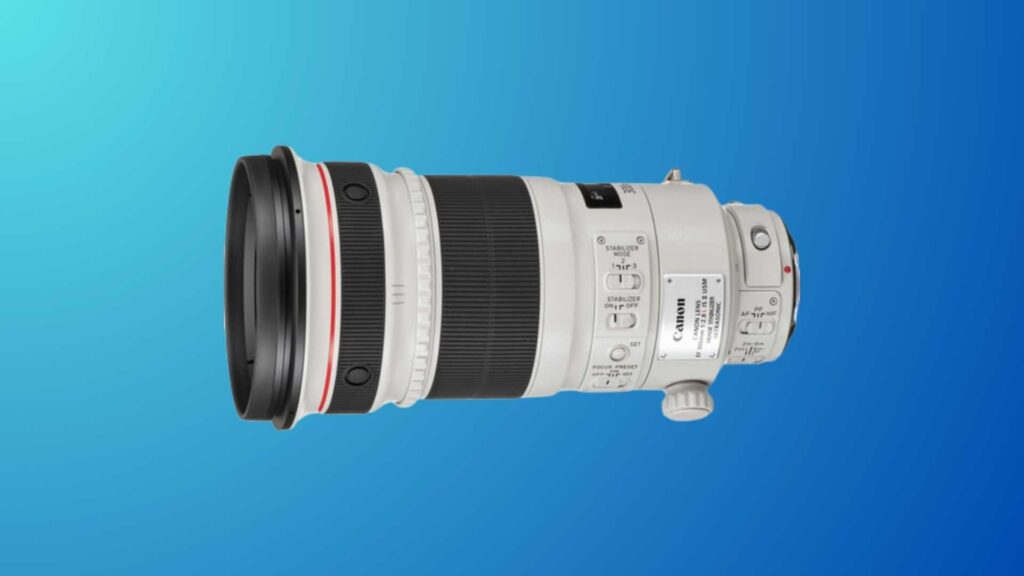
6. Canon EF 300mm f/2.8L IS II USM
Prime lenses are often sharper than zoom lenses. This 300mm lens is a classic choice for professional sports coverage.
The f/2.8 aperture allows excellent performance in low light. If you mostly shoot from one distance and want maximum image quality, this might be your Best Lens for Sports Videography.
Pros
- Incredible sharpness
- Beautiful background blur
- Strong low-light performance
- Durable construction
Cons
- Fixed focal length
- Very expensive
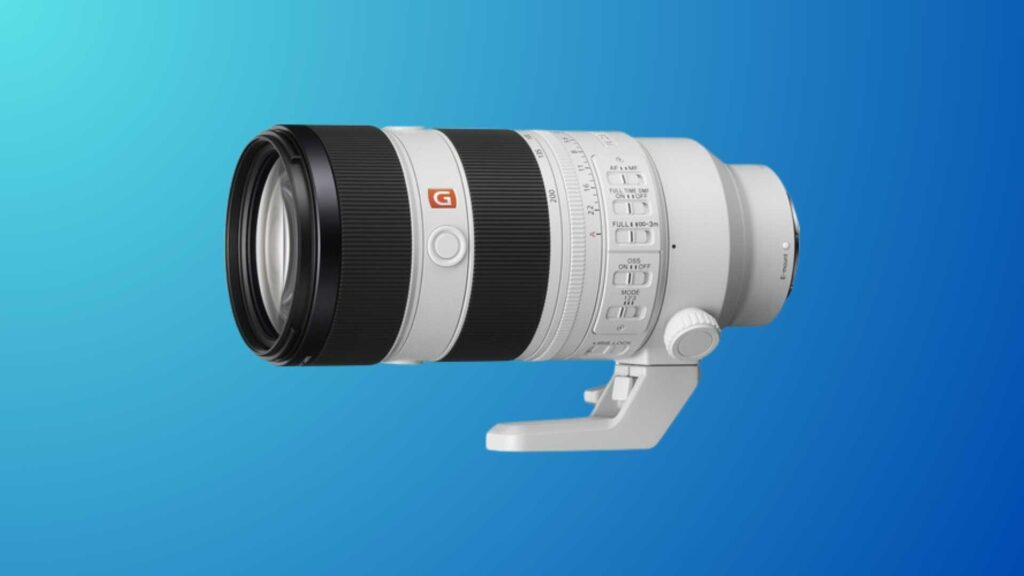
7. Sony FE 70-200mm f/2.8 GM II
Sony’s G Master series is known for premium quality. This lens is lighter than its previous version and delivers stunning video results.
The autofocus system is one of the fastest available in 2026. Many professionals consider this the Best Lens for Sports Videography for Sony users.
Pros
- Exceptional autofocus tracking
- Sharp corner-to-corner
- Lightweight for its class
- Excellent build quality
Cons
- High cost
- Premium investment
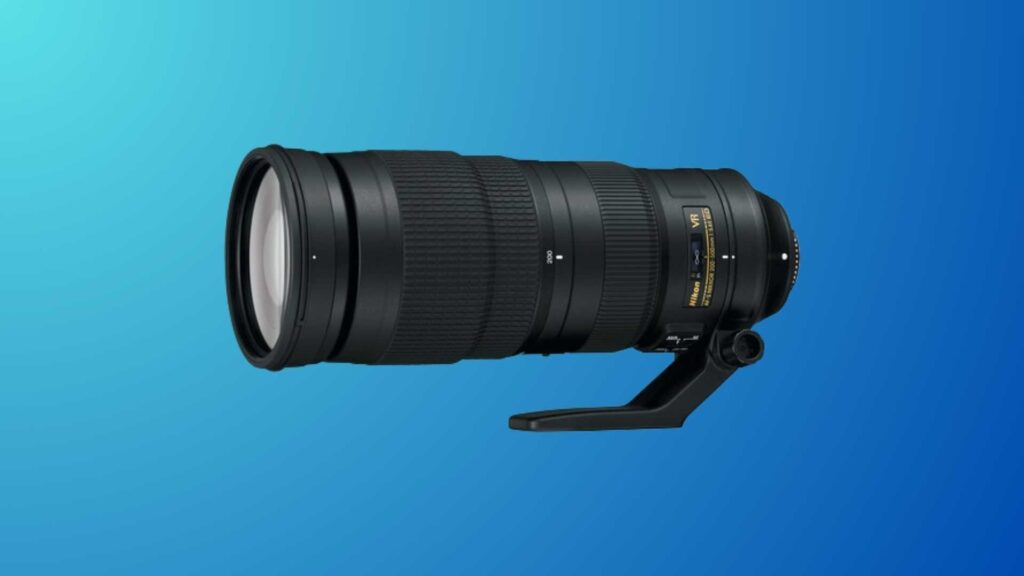
8. Nikon AF-S NIKKOR 200-500mm f/5.6E ED VR
When it comes to reach without breaking the bank, this Nikon lens stands out. The long-range zoom makes it excellent for outdoor matches where you may be far from the field. Whether you’re filming soccer, rugby, or track events, the super telephoto reach gives you the power to fill the frame with action.
This lens may not have the ultra-wide aperture of some premium models, but it delivers consistent sharpness and reliable autofocus. It’s often considered by videographers looking for both range and value, making it one of the Best Lens for Sports Videography options for 2026, especially for those with Nikon FX cameras.
Pros
- Impressive zoom range
- Affordable for its focal length
- Good image stabilization
- Solid build quality
Cons
- Slower aperture in low light
- Heavier than comparable zooms
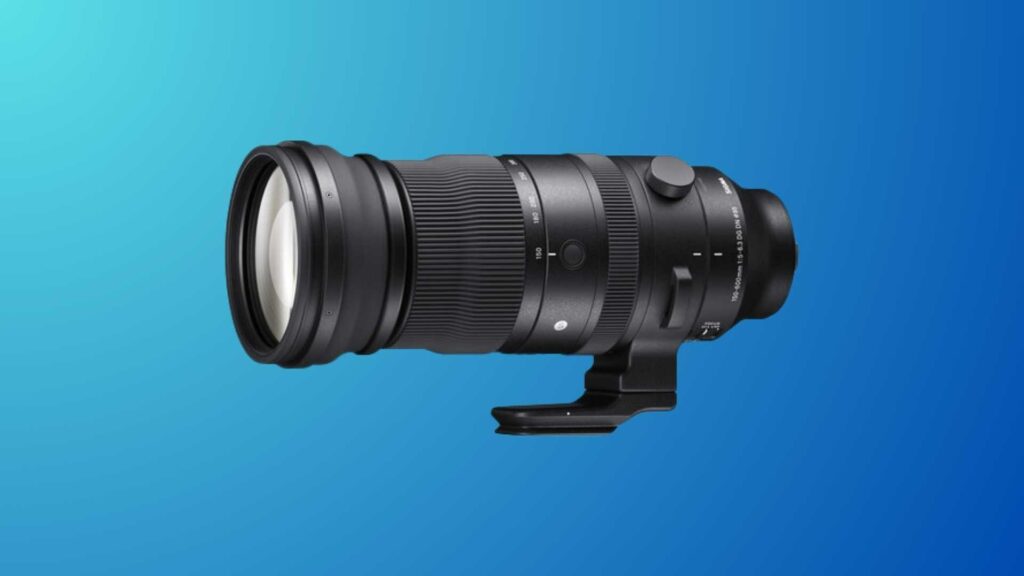
9. Sigma 150-600mm f/5‑6.3 DG DN OS Sports
Sigma’s 150-600mm lens is a beast in terms of reach. If you often find yourself positioned far from the action, needing extra reach for details, this lens delivers power without requiring a huge investment. Many creators consider this lens one of the Best Lens for Sports Videography when long-distance coverage matters most.
It works well in bright daylight and offers good optical stabilization to help smooth handheld footage. While it isn’t ideal for indoor or low-light situations, it gives an excellent balance of range, performance, and price.
Pros
- Massive focal range
- Excellent stabilization
- Great value for long reach
Cons
- Not optimal in low light
- Heavier side of super telephotos
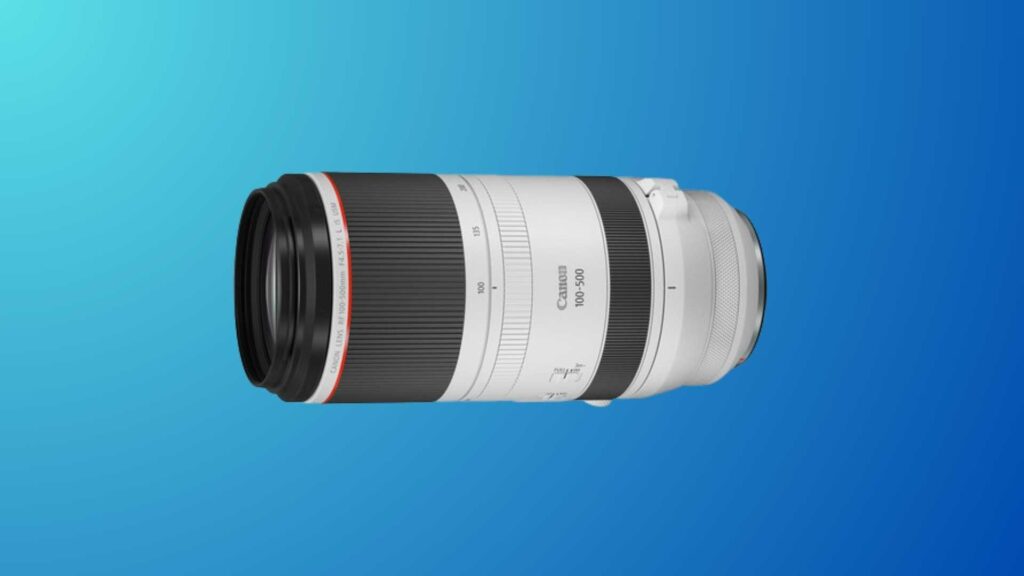
10. Canon RF 100‑500mm f/4.5‑7.1L IS USM
This Canon lens delivers an impressive zoom range that covers from medium to extreme telephoto. It’s a versatile pick for videographers who need a flexible lens that can work for both closer action and distant subjects.
While the variable aperture isn’t as wide as constant f/2.8 lenses, this lens performs well in outdoor situations where you have good light. If you want a well-rounded choice for many types of sporting events, this is often mentioned as one of the Best Lens for Sports Videography options for Canon mirrorless users in 2026.
Pros
- Wide zoom range
- Compact for its class
- Good autofocus
Cons
- Variable aperture limits low-light use
- Pricey for hobbyists
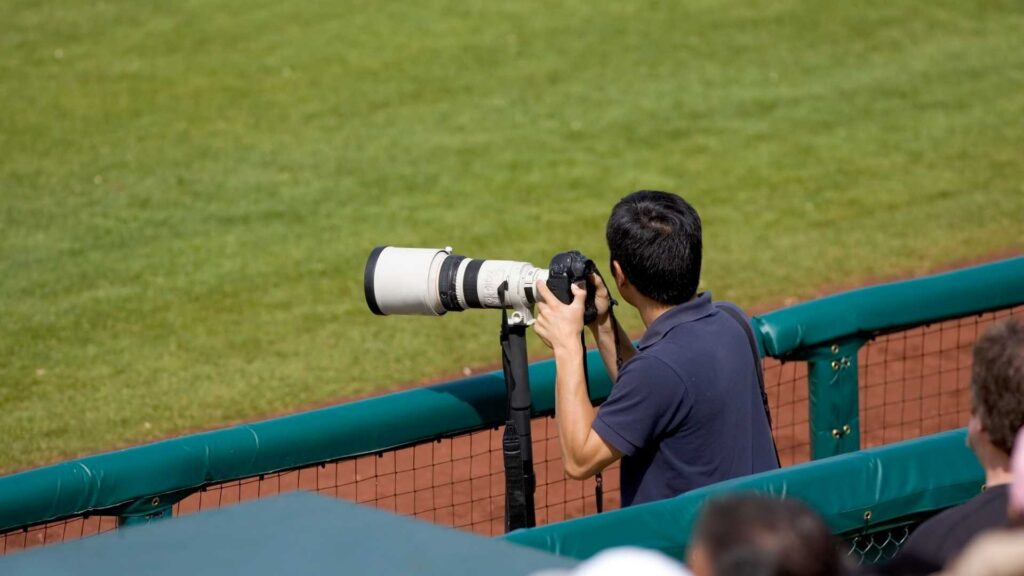
Choosing the Right Lens for Your Sports Videography Needs
Deciding which of these lenses is the Best Lens for Sports Videography depends on how, where, and what you film. Not all sports or shooting environments are the same, and your needs might differ from someone else’s.
For example, indoor sports like basketball, volleyball, and hockey usually require lenses with wider apertures. Why? Because indoor arenas often have less light than outdoor stadiums. Lenses with apertures like f/2.8 let in more light, improving clarity and reducing noise in your video. If you film in these conditions often, prioritize lenses with wide constant apertures. Many of the premium telephoto zooms listed above fit this need.
Outdoor sports like soccer, baseball, or motorsports often take place in daylight. In those situations, lenses with narrower apertures but longer zoom ranges can work perfectly well. Super telephoto lenses with reach up to 600mm allow you to focus on individual players or cars even from far away. While they may not be ideal in low light, they perform excellently in bright conditions. Many videographers shooting outdoor sports find these lenses among the Best Lens for Sports Videography for their flexibility.
It’s also important to consider the autofocus performance and image stabilization. Fast autofocus keeps your subject in focus even when the action moves quickly. Good image stabilization reduces shake, especially when shooting handheld or using long zooms. These features can make or break your sports footage, and many of the lenses highlighted for 2026 are strong in both.
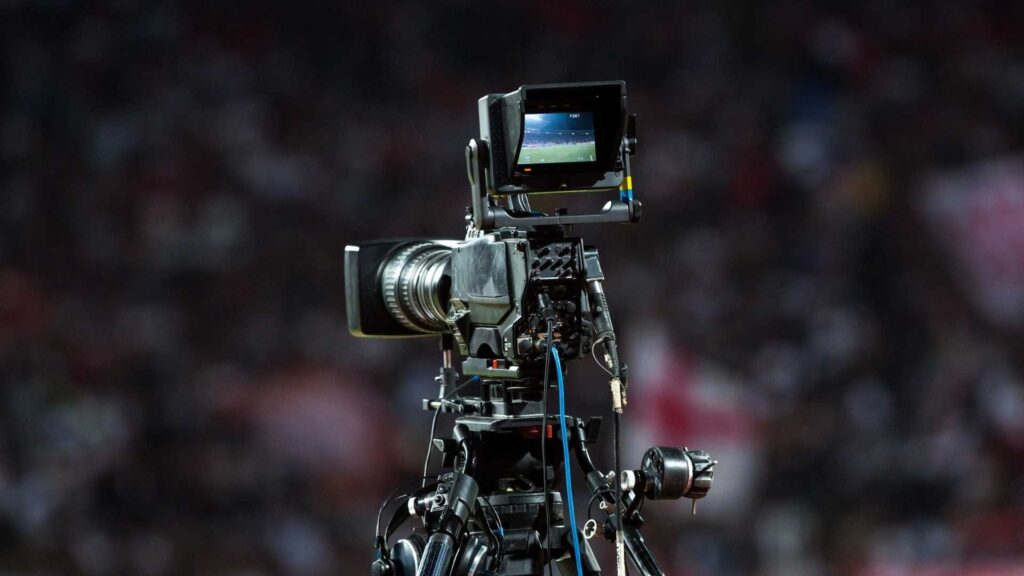
Tips to Maximize Your Sports Videography
While choosing the Best Lens for Sports Videography is crucial, how you use the lens matters too. Here are some friendly tips to help you get the most out of any lens you pick.
First, practice tracking moving subjects. Sports action rarely waits. Learning to smoothly follow players, balls, or vehicles helps your footage feel professional and immersive. Use features like continuous autofocus and high-speed burst shooting when your camera supports them.
Second, pay attention to light. Mid-day sun, evening games under artificial lights, and shaded fields all create different visual challenges. Adjust your camera’s ISO and shutter speed to get clean footage without blur or noise. With faster lenses (those with wider apertures), you can keep the shutter speed high and still have well-exposed video.
Another useful tip is to stabilize your camera. Even a stable body can show shake when zoomed in on fast action. Using a monopod, gimbal, or solid tripod can make your footage significantly more professional. This is especially true with super telephoto lenses that magnify motion.
Take some time to learn your lens’s focus modes. Modern lenses often have tracking features designed for sports. These can help your camera stay locked on a runner, cyclist, or striker, so you spend less time hunting for focus and more time capturing epic moments.
A Quick Guide to Lens Features That Matter
To help you pick the Best Lens for Sports Videography, here’s a brief overview of the key features worth paying attention to.
- Focal Length – This determines how close or far your subject appears. Longer focal lengths (200mm+) are great for distant action. Shorter ranges are better for close-up sideline work.
- Aperture – Lower f-numbers (like f/2.8) let in more light and help you keep faster shutter speeds, which is critical for freezing action.
- Autofocus Speed – The faster your lens can lock onto a subject, the better your tracking will be, especially for unpredictable motion.
- Image Stabilization – This reduces shake, especially important at longer zooms. Good stabilization can make handheld filming smoother and cleaner.
- Weight and Handling – Heavy lenses can be tiring for long shoots. If you film events by yourself, balance weight with performance.
Understanding these features helps you compare lenses and see what truly makes them contenders for the Best Lens for Sports Videography.
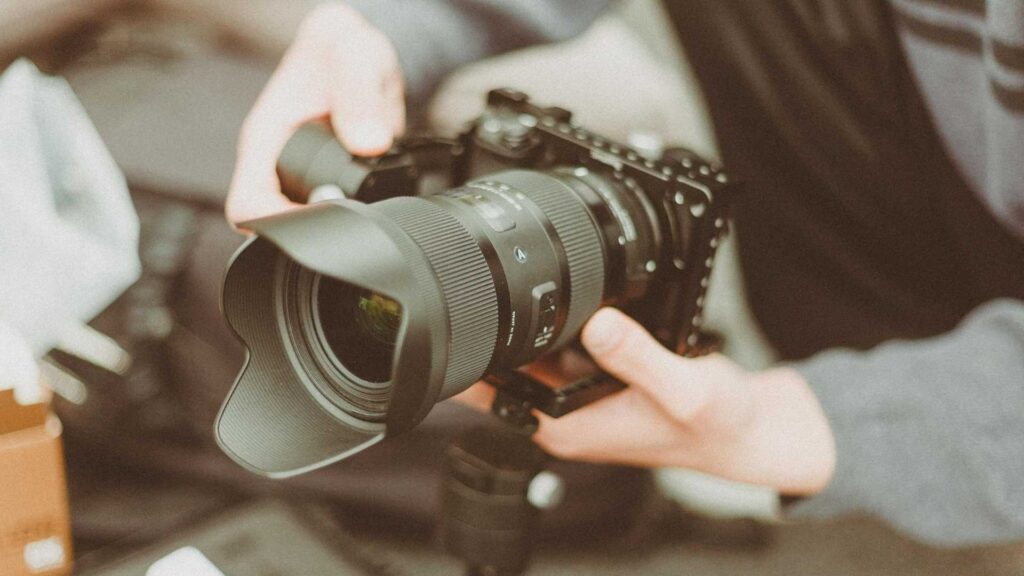
Final Thoughts: Finding Your Perfect Sports Lens
Choosing the Best Lens for Sports Videography in 2026 means balancing performance, budget, and your personal shooting style. There’s no single lens that’s perfect for everyone, but the options listed above give you excellent choices whether you are a student videographer, hobbyist, or professional.
Remember that the lens is just one part of your toolkit. Lighting, camera settings, stabilization, and your shooting experience all help shape great sports videos. Pair the right lens with good technique and your results will stand out.
Sports highlights, slow-motion action, and documentary-style game coverage all benefit from lenses that are responsive, sharp, and reliable. Whether you need extreme reach, low-light clarity, or all-around versatility, there’s a lens on this list that could be the Best Lens for Sports Videography for you.
And if you ever need help turning that footage into polished final videos, Inside Editors is here for you. At Inside Editors, we specialize in professional video editing services designed to bring out the best in your sports content. From slow-motion edits to highlight reels and broadcast-ready packages, we can help your work shine. Visit Inside Editors today and get the support you need to finish your next project with style and impact.


