


Sports videography is exciting, fast, and often unpredictable. Whether you are filming football, cricket, basketball, or track events, one technical setting can dramatically affect how your footage looks: shutter speed. Many beginners hear a common rule in filmmaking-the 180-degree shutter rule-which suggests that if you shoot at 60fps, your shutter speed should be 1/120. Because of this rule, people often assume that 1/120 is automatically the Best Shutter Speed for Sports Videography.
However, sports are very different from cinematic storytelling. Fast movements, unpredictable action, and varying lighting conditions mean that the shutter speed you choose can change how motion appears in your footage. In many cases, sticking strictly to 1/120 may actually make your footage look blurry or unclear.
Understanding the Best Shutter Speed for Sports Videography requires more than memorizing a single number. It involves knowing how motion blur works, how frame rate interacts with shutter speed, and how different sports demand different settings. A basketball dunk, a soccer sprint, and a tennis serve all move at different speeds, which means your camera settings may need to change as well.
In this guide, we will explore how shutter speed works in sports video, when the traditional 1/120 rule works well, and when you should break it. By the end, you will clearly understand how to choose the Best Shutter Speed for Sports Videography depending on the situation, lighting conditions, and the type of action you are filming.
Understanding Shutter Speed in Sports Videography
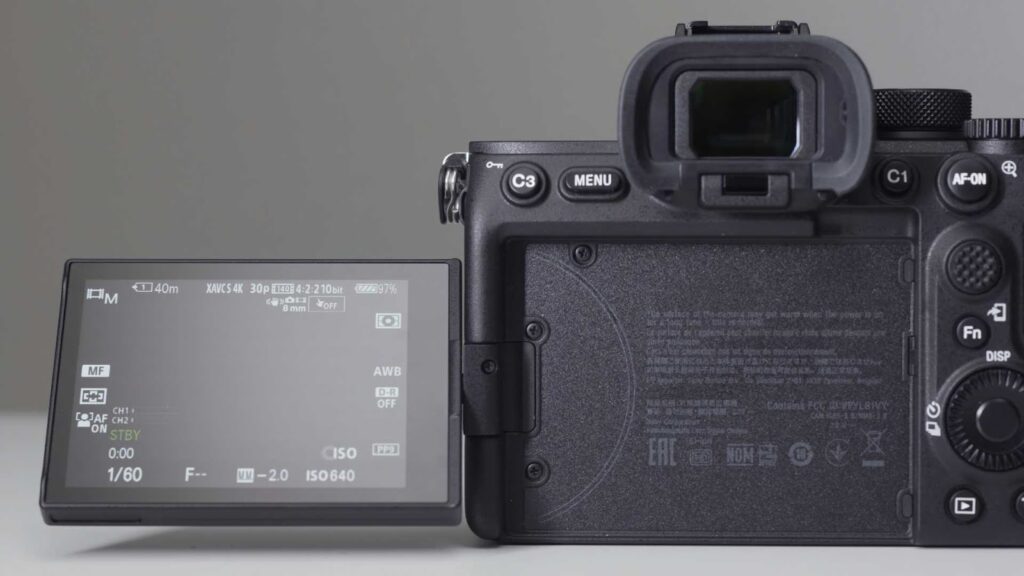
Before finding the Best Shutter Speed for Sports Videography, it helps to understand what shutter speed actually does.
Shutter speed controls how long your camera sensor is exposed to light for each frame. When shooting video, the shutter opens and closes rapidly to capture each frame in the sequence. The longer the shutter stays open, the more light enters the camera, but it also increases motion blur. A faster shutter speed reduces motion blur but allows less light to reach the sensor.
In sports videography, motion blur is the key factor. When athletes move quickly, a slow shutter speed can cause the movement to look smeared or soft. Sometimes this blur looks natural and cinematic, but other times it makes the footage feel unclear or unprofessional.
For example, imagine filming a soccer player sprinting down the field. If the shutter speed is too slow, the player’s legs may appear blurry, and the ball might be difficult to track. Increasing the shutter speed slightly can make the motion appear sharper and easier to follow.
This is why finding the Best Shutter Speed for Sports Videography involves balancing two important elements: motion clarity and natural movement.
The 180-Degree Rule and Why People Use 1/120
Many videographers learn about the 180-degree shutter rule early in their filmmaking journey. This rule comes from traditional cinema cameras and suggests that the shutter speed should be roughly double the frame rate.
If you are shooting at 24 frames per second, the shutter speed should be about 1/48 (usually rounded to 1/50). If you shoot at 60 frames per second, the shutter speed should be about 1/120.
This rule helps create natural motion blur that looks similar to what the human eye expects from movies and television. When applied correctly, it produces smooth and realistic movement.
Because of this, many people believe that 1/120 is always the Best Shutter Speed for Sports Videography when filming at 60fps. In many situations, this setting works perfectly fine, especially for moderate movement like interviews with light activity or slow sports sequences.
However, sports action often moves much faster than normal cinematic scenes. A baseball traveling at high speed or a hockey puck sliding across the ice may not look sharp enough at 1/120. Instead, the footage may appear slightly smeared during fast movements.
This is the main reason why the traditional rule is not always ideal when filming sports.
Why 1/120 Isn’t Always the Best Shutter Speed for Sports Videography
The biggest reason 1/120 does not always work is motion intensity. Sports contain extremely fast movements that require more clarity than cinematic storytelling.
When filming a tennis serve or a cricket fast bowler, the ball travels incredibly fast. If the shutter speed is too slow, the ball may appear as a blur instead of a clear object. Increasing the shutter speed to something like 1/250 or even 1/500 can dramatically improve clarity.
Another factor is the viewing experience. Sports footage is often used for analysis, highlights, and slow-motion replays. If the shutter speed is too slow, slow-motion playback can look messy because of excessive motion blur.
For example, many professional sports broadcasts use faster shutter speeds than traditional cinema settings. This helps keep the action crisp and easy to follow for viewers.
Because of this, the Best Shutter Speed for Sports Videography often depends on how much motion clarity you want in the final footage.
How Frame Rate Affects the Best Shutter Speed for Sports Videography
Frame rate and shutter speed work closely together. When you increase your frame rate, you often need to adjust your shutter speed accordingly.
If you shoot at 30fps, the traditional shutter speed would be around 1/60. For 60fps, it becomes 1/120. When shooting at 120fps for slow motion, the traditional value becomes 1/240.
However, sports videographers frequently go beyond these values to capture sharper motion. Shooting at 120fps with a shutter speed of 1/500 can produce extremely crisp frames, which look fantastic when slowed down in editing.
The relationship between frame rate and shutter speed is why understanding the Best Shutter Speed for Sports Videography requires experimentation. What works for one frame rate might not work for another.
If your goal is cinematic highlights, you may stay closer to the 180-degree rule. If your goal is analytical sports footage, faster shutter speeds will likely produce better results.
Different Sports Require Different Shutter Speeds
Not all sports move at the same speed. This means the Best Shutter Speed for Sports Videography changes depending on what you are filming.
For slower sports like golf, a shutter speed around 1/120 or 1/240 may work perfectly well. The movements are smooth and controlled, so motion blur can look natural.
For sports like basketball or soccer, a slightly faster shutter speed such as 1/250 can help maintain clarity while still preserving some motion blur.
Extremely fast sports like baseball, tennis, or motorsports may require even faster shutter speeds. In these situations, videographers sometimes use 1/500 or higher to ensure that fast objects remain visible and sharp.
The key idea is flexibility. The Best Shutter Speed for Sports Videography is not a fixed number. Instead, it adapts to the speed of the sport, the style of footage you want, and the lighting conditions of the environment.
Lighting Conditions and Shutter Speed Choices
Lighting plays a major role when choosing the Best Shutter Speed for Sports Videography. Faster shutter speeds allow less light to enter the camera, which can make footage darker.
Outdoor daytime sports give you more flexibility. Bright sunlight allows you to increase shutter speed without making the image too dark. This is why sports filmed during the day often look crisp and detailed.
Indoor sports can be more challenging. Gymnasiums and indoor arenas usually have limited lighting, which means very fast shutter speeds might produce underexposed footage. In these situations, videographers often balance shutter speed with ISO and aperture to maintain proper exposure.
Sometimes the Best Shutter Speed for Sports Videography is simply the fastest shutter speed your lighting conditions allow while still maintaining good exposure.
Motion Blur vs Motion Clarity
One of the most important decisions in sports videography is choosing between motion blur and motion clarity.
Motion blur makes footage look smooth and cinematic. It can help create a sense of speed and realism, which is why filmmakers often prefer it.
Motion clarity, on the other hand, keeps every detail sharp. This is useful for sports highlights, coaching analysis, and slow-motion playback.
If your goal is dramatic sports storytelling, the Best Shutter Speed for Sports Videography may stay close to the traditional 180-degree rule. If your goal is clear action shots, increasing the shutter speed can produce better results.
Understanding when to prioritize blur and when to prioritize clarity is a skill that improves with experience.
Testing to Find the Best Shutter Speed for Sports Videography
The truth is that there is no single universal answer. The Best Shutter Speed for Sports Videography often comes from testing different settings during real games or practice sessions.
Many professional videographers record short test clips at multiple shutter speeds. By comparing these clips, they can see how motion blur and clarity change in different situations.
Testing helps you understand how your camera behaves and how different sports respond to different shutter speeds. Over time, you will develop an instinct for which settings work best.
This experimentation is part of what makes sports videography both challenging and rewarding.
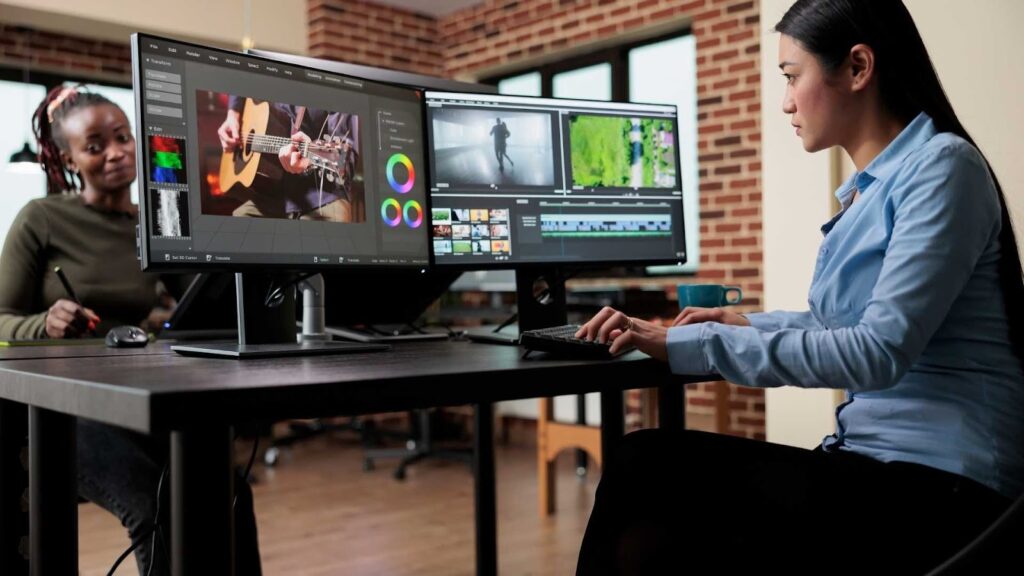
Editing Sports Footage for Maximum Impact
Once you capture your footage, editing becomes the next step in creating professional sports videos. Color grading, stabilization, slow motion, and highlight cuts all play important roles in the final result.
Professional editing can transform raw sports clips into exciting highlight reels that look polished and engaging. Smooth cuts, proper color balance, and cinematic effects can elevate even simple footage.
If you film sports regularly but do not want to spend hours editing every video, professional editing services can help speed up your workflow.
At Inside Editors, we provide high-quality video editing services designed for content creators, sports videographers, and businesses that want polished video content. Our team focuses on clean cuts, smooth motion, and visually engaging results that help your footage stand out.
Final Thoughts
Choosing the Best Shutter Speed for Sports Videography is not about following one strict rule. While the traditional 1/120 setting works well in many situations, sports videography often requires more flexibility.
Fast-moving action, different frame rates, lighting conditions, and the type of sport all influence the shutter speed you should use. Sometimes a cinematic shutter speed creates beautiful motion blur, while other times a faster shutter speed produces the clarity needed for exciting highlights.
The most important takeaway is to experiment and adapt. By testing different settings and reviewing your footage, you will quickly learn what works best for the sports you film.
And once you capture amazing footage, professional editing can help bring it to life. If you want your sports videos to look polished and professional, consider working with the team at Inside Editors. Our video editing services help creators transform raw footage into engaging, high-quality content that audiences love.


