

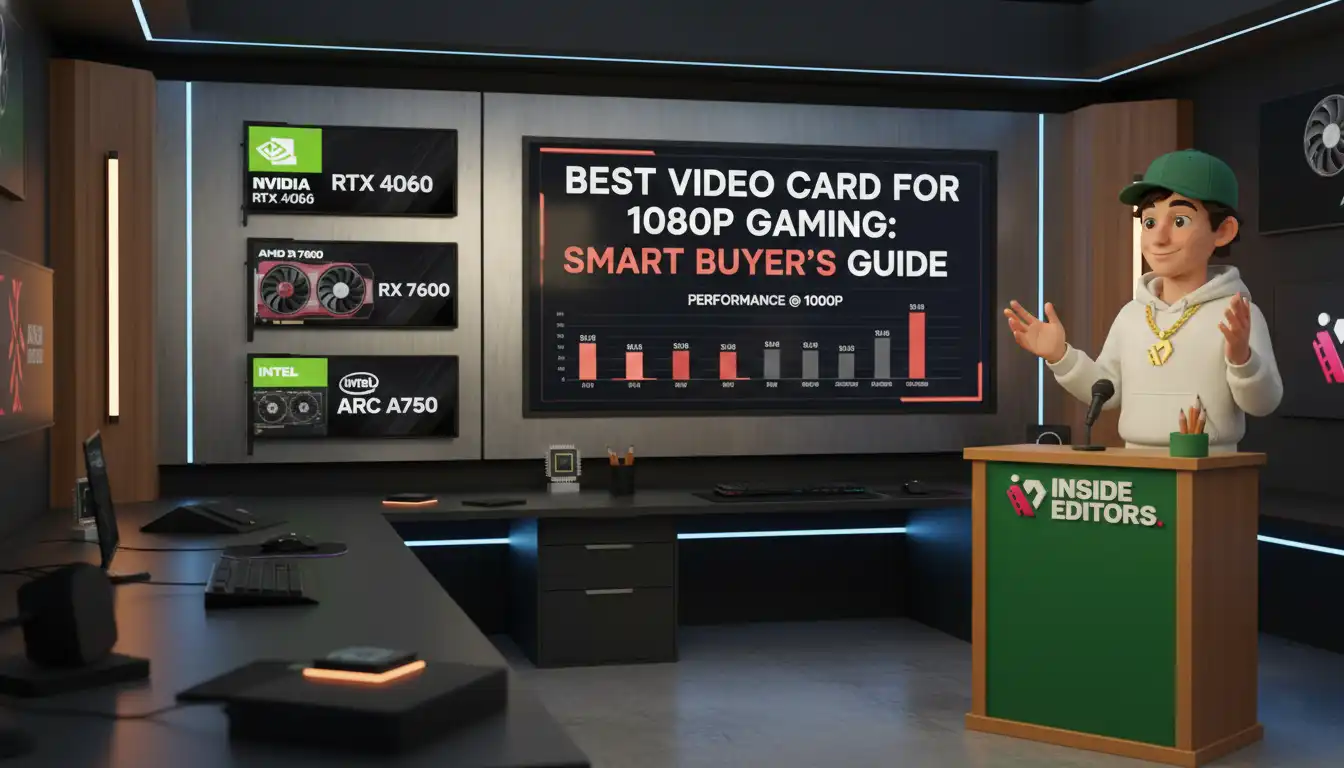
Choosing the right components for a gaming PC is often the most critical decision a builder makes, and nothing impacts performance quite like the graphics card. If your goal is to achieve smooth, high-refresh-rate gameplay without breaking the bank, focusing on the 1080p resolution sweet spot is the way to go. But with new cards constantly hitting the market, how do you determine the best video card for 1080p gaming?
This comprehensive guide cuts through the marketing noise to provide you with the expert knowledge needed to select a GPU that delivers exceptional performance, value, and longevity for Full HD gaming. We will evaluate performance metrics, critical features like VRAM and ray tracing, and help you future-proof your investment. Whether you are building your first PC or upgrading an aging system, understanding the nuances of the 1080p landscape is essential to finding the absolute best video card for 1080p gaming.
Understanding the 1080p Sweet Spot: Why Full HD Remains King
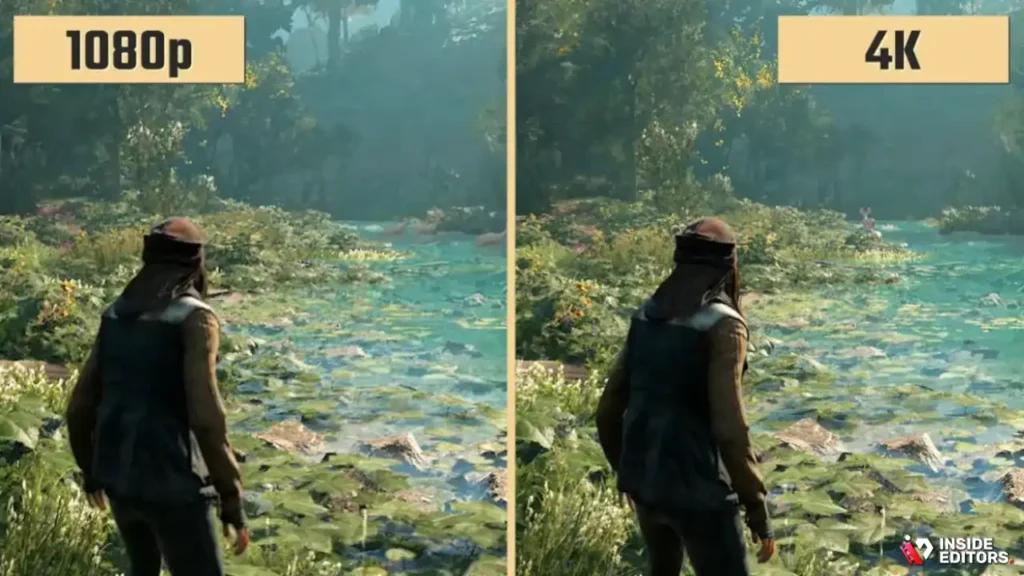
For many gamers, 1080p (1920×1080 resolution) offers the perfect balance of visual fidelity and high frame rates. It is significantly less demanding than 1440p or 4K, allowing mid-range graphics cards to shine and deliver the silky-smooth performance necessary for competitive titles and immersive single-player experiences.
The Performance Demands of Full HD Gaming
91080p gaming is not a static target. While older or less demanding games might run flawlessly on integrated graphics, modern AAA titles require substantial processing power to maintain 60 frames per second (FPS) or higher, especially when using Ultra settings. The key metric we chase at this resolution is high refresh rates-often 120Hz, 144Hz, or even 240Hz-to maximize the benefits of modern gaming monitors.
Think of 1080p as the entry point for serious competitive play. If you want to dominate in fast-paced shooters, you need consistency. A card that averages 144 FPS means you see updates faster than your opponents, giving you a tangible edge. This focus on high FPS, rather than sheer pixel count, defines the requirements for the best video card for 1080p gaming.
“The 1080p market is where true value resides. You can achieve 90% of the visual experience of 4K at a fraction of the cost, provided you prioritize frame rate stability over absolute graphical overkill.” – Dr. Elena Rodriguez, PC Hardware Analyst
Core Metrics: VRAM, Bus Width, and Clock Speed
When evaluating potential GPUs, three technical specifications are paramount for 1080p performance:
- VRAM (Video RAM): This is the dedicated memory the GPU uses to store textures, shaders, and frame buffers. For modern gaming, especially with high-resolution textures enabled, 8GB of VRAM is the current minimum standard. Cards with 6GB are quickly becoming outdated, leading to stuttering when VRAM capacity is exceeded.
- Memory Bus Width: Measured in bits (e.g., 128-bit, 192-bit), this determines how much data the GPU can move to and from the VRAM simultaneously. A wider bus usually translates to higher effective memory bandwidth, which is crucial for maintaining high frame rates.
- Boost Clock Speed: While not the sole indicator of performance, higher clock speeds generally mean faster processing. However, a card with a lower clock speed but more efficient architecture (like a newer generation) can often outperform an older, higher-clocked card.
Selecting the Best Video Card for 1080p Gaming: Architectural Considerations
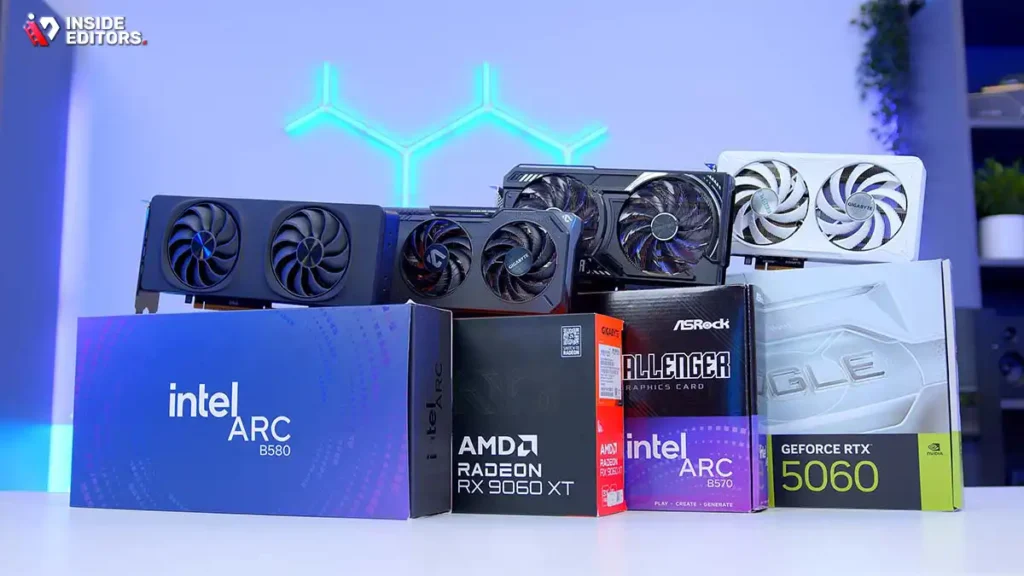
The modern GPU landscape is dominated by two primary players, NVIDIA and AMD. Both offer excellent options, but their approaches to performance optimization, especially regarding features like upscaling and ray tracing, differ significantly.
NVIDIA’s Strengths: DLSS and Ray Tracing
NVIDIA cards, typically in the GeForce RTX 40-series (or previous 30-series), excel in two key areas:
- DLSS (Deep Learning Super Sampling): This AI-powered upscaling technology renders the game at a lower resolution and uses machine learning to intelligently reconstruct a high-resolution image. At 1080p, DLSS Quality mode can provide a significant FPS boost while maintaining visual quality that is often indistinguishable from native resolution.
- Ray Tracing (RT): NVIDIA generally offers superior ray tracing performance due to more dedicated RT cores. While ray tracing is extremely demanding, even at 1080p, DLSS combined with RT can make these visually stunning effects playable.
AMD’s Strengths: FSR and Price-to-Performance Value
AMD’s Radeon cards often offer better raw performance per dollar, making them highly competitive for the budget-conscious gamer seeking the best video card for 1080p gaming.
- FSR (FidelityFX Super Resolution): AMD’s upscaling technology is open-source and works across a wider range of hardware, including older cards and even some NVIDIA GPUs. While FSR 3 includes frame generation capabilities similar to DLSS 3, its image quality, particularly at lower resolutions, is sometimes considered slightly behind DLSS.
- Rasterization Performance: In traditional rendering (rasterization), AMD often provides higher FPS than similarly priced NVIDIA counterparts, offering excellent value for gamers who prioritize frame rates over ray tracing effects.
Comparison of Key Features for 1080p Gaming
| Feature | NVIDIA (RTX) | AMD (Radeon) | Relevance for 1080p |
|---|---|---|---|
| Upscaling | DLSS (Superior Quality) | FSR (Wider Compatibility) | Essential for high refresh rates in demanding titles. |
| Ray Tracing | Dedicated RT Cores (Stronger) | Less Emphasis (Lower Performance) | Nice-to-have, but demanding; requires upscaling to be playable. |
| VRAM Capacity | Often 8GB standard in mid-range | Often offers higher VRAM (e.g., 12GB) at competitive prices | Crucial for texture loading and future-proofing. |
| Power Efficiency | Generally high efficiency | Improving rapidly with newer generations | Impacts system cost (PSU) and heat output. |
The Current Contenders: Identifying the Best Video Card for 1080p Gaming
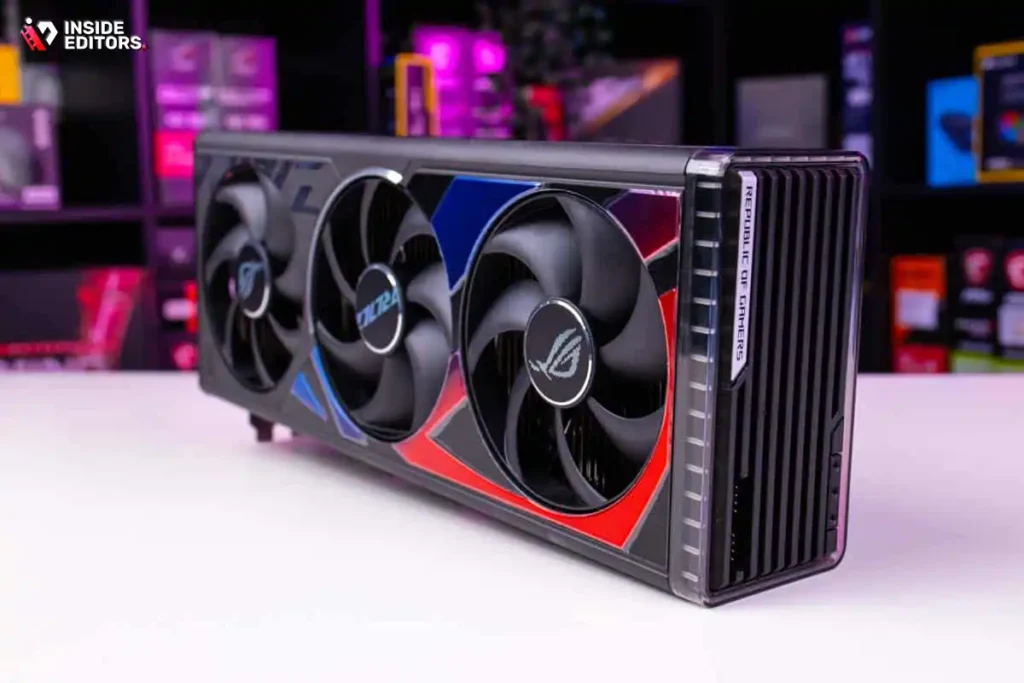
When selecting the best video card for 1080p gaming, we look for cards that consistently deliver 60+ FPS in AAA titles at High/Ultra settings, or 120+ FPS in competitive esports games. The market typically segments into three tiers for 1080p: Entry-Level, Mid-Range Value, and High-Performance 1080p.
Tier 1: Entry-Level 1080p (60 FPS Standard)
These cards are perfect for casual gamers, esports enthusiasts, and those on a strict budget. They handle older AAA titles well and deliver high frame rates in popular competitive games like Fortnite or Valorant.
- Pros: Highly affordable, low power consumption, excellent value for esports.
- Cons: Struggles with ray tracing, limited VRAM (often 6GB or 8GB), requires lowering settings in the newest AAA games.
Tier 2: Mid-Range Value (The Sweet Spot)
This is the category where most buyers will find the best video card for 1080p gaming. These GPUs offer the ideal blend of performance and price, easily hitting 90-120 FPS in most modern games with settings cranked up.
- Key Characteristics: 8GB or more VRAM, strong upscaling performance (DLSS/FSR), and efficient architecture.
- Why it Matters: These cards provide the longevity and performance needed to handle games released over the next 3-4 years without major compromises.
Tier 3: High-Performance 1080p (144Hz+ Dominance)
These cards are often slightly older high-end GPUs or newer mid-to-high-end cards that are overkill for standard 1080p but are essential for maximizing 144Hz, 240Hz, or even 360Hz monitors. They ensure you never drop below the monitor’s refresh rate, even in the most intense action.
- Target User: Competitive esports players, enthusiasts demanding Ultra settings with Ray Tracing enabled.
- Investment Justification: While they cost more, they guarantee the highest possible frame rates, making them the ultimate choice if budget allows for the best video card for 1080p gaming experience.
Future-Proofing Your Investment: VRAM and Software Ecosystem
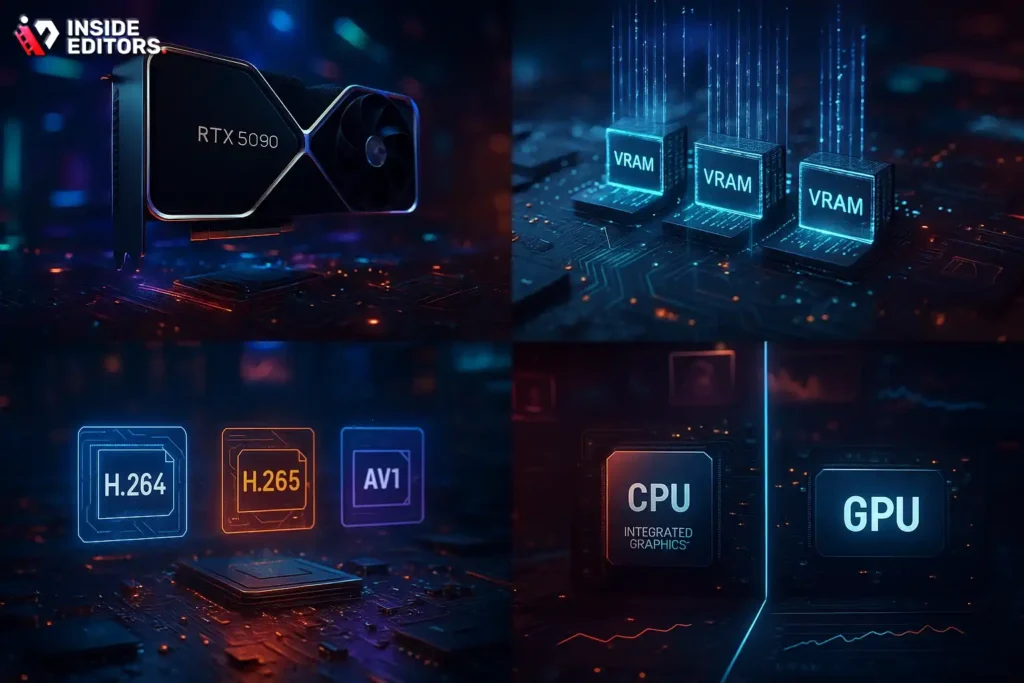
A smart buyer doesn’t just look at today’s benchmarks; they consider how the card will perform in two years. The two biggest factors influencing longevity are VRAM allocation and the GPU’s supporting software ecosystem.
The VRAM Crunch: Why 8GB is the Minimum
The trend in game development is toward higher-resolution textures, even when playing at 1080p. Games like Hogwarts Legacy and Cyberpunk 2077 can easily consume 8GB of VRAM or more, causing cards with 6GB or less to stutter badly as they swap data in and out of system memory.
When shopping for the best video card for 1080p gaming, prioritize 8GB of VRAM as the absolute floor. If you can afford a model with 12GB, that extra memory buffer provides significant peace of mind, ensuring smooth performance even as texture packs become more demanding.
“We are seeing VRAM usage escalate faster than resolution scaling. A 1080p player today needs the VRAM of a 1440p player from two generations ago to maintain Ultra settings.” – Industry Whitepaper on Memory Allocation, 2023
The Importance of Software Ecosystems
Modern GPUs are defined as much by their hardware as by their software. Both NVIDIA and AMD offer robust driver support, but their extra features are crucial:
| Software Feature | Description | Benefit for Gamers |
|---|---|---|
| Upscaling (DLSS/FSR) | AI or algorithm-based resolution scaling to boost FPS. | Dramatically increases frame rates without major visual loss. |
| Frame Generation | Creates entirely new frames using AI, significantly boosting perceived smoothness. | Essential for hitting 144Hz+ in demanding single-player games. |
| Driver Stability | Regular updates that optimize performance for new game releases. | Ensures day-one playability and fixes bugs quickly. |
| Latency Reduction | Technologies like NVIDIA Reflex or AMD Anti-Lag. | Reduces input lag, critical for competitive gaming. |
If you are a content creator, the software ecosystem extends beyond gaming. NVIDIA, for instance, often has an edge in video encoding and rendering tasks due to dedicated hardware cores (NVENC).
Beyond Gaming: The GPU as a Content Creation Workhorse
Many gamers are also content creators, whether they are streaming their gameplay on Twitch or editing highlight reels for YouTube. The GPU you choose for gaming must also be capable of handling these demanding multimedia tasks efficiently.
Video Encoding and Streaming Performance
For streamers, the quality of the dedicated video encoder on the GPU is vital. Using the GPU’s encoder (like NVIDIA’s NVENC or AMD’s AMF) offloads the encoding task from the CPU, allowing the CPU to focus on running the game.
NVIDIA’s NVENC encoder is widely regarded as the industry standard for high-quality, low-bitrate streaming. If your primary goal is to stream your 1080p gameplay, choosing a card with a high-quality encoder will significantly improve your stream quality and minimize in-game performance loss. This dual-purpose capability makes certain cards the best video card for 1080p gaming and streaming.
The Role of Inside Editors in Content Workflow
Once you’ve captured your high-quality 1080p gameplay footage, the next step is editing it into polished content. This is where professional services become invaluable. Inside Editors specializes in professional video editing services for businesses, content creators, and marketers.
Our team of professional editors, boasting 10+ years of experience, can take your raw 1080p footage and transform it into professional-grade videos. We handle everything from color grading and audio enhancement to complex cuts and motion graphics. This allows you to save time and focus entirely on creating more content or perfecting your gaming skills. We offer a fast turnaround (24-72 hours) and unlimited revisions until you are completely satisfied, all at affordable pricing starting at $29/video. By outsourcing the demanding post-production work to experts, you ensure consistent brand style and professional quality that builds trust with your audience.
The Power Supply Unit (PSU) and Cooling Considerations
A powerful GPU generates heat and requires adequate power. When upgrading to the best video card for 1080p gaming in the mid-range or higher tiers, always verify your Power Supply Unit (PSU) capacity.
- PSU Requirements: Most modern mid-range GPUs require a high-quality 550W to 650W PSU. Using an underpowered or low-quality PSU can lead to system instability, crashes, and potential hardware damage.
- Cooling: Ensure your PC case has good airflow. While 1080p cards are generally cooler than their 4K counterparts, adequate cooling prevents thermal throttling, which is when the card automatically slows down to prevent overheating. Look for cards with large, dual-fan or triple-fan coolers for the quietest and most stable performance.
Common Mistakes to Avoid When Buying a 1080p GPU
The path to finding the best video card for 1080p gaming is fraught with potential pitfalls. Avoiding these common mistakes will save you money and frustration.
1. Overspending on Unnecessary Power
The most frequent error is buying a GPU that is designed for 1440p or 4K when you only have a 1080p 60Hz monitor. If your monitor only displays 60 frames per second, buying a card that generates 200 FPS is wasted performance. Match the GPU power to your monitor’s capabilities. If you have a 144Hz monitor, aim for a card that consistently hits 120-144 FPS.
2. Ignoring the CPU Bottleneck
A GPU is only as fast as the data the CPU can feed it. At 1080p, the CPU often works harder than at higher resolutions because the GPU is rendering frames so quickly. If you pair a powerful, modern GPU with an ancient CPU, the CPU will become the bottleneck, limiting the GPU’s potential.
How to Check for Bottlenecks: Monitor your CPU and GPU utilization during gaming. If the GPU usage consistently stays below 95% while the CPU usage is near 100%, you have a CPU bottleneck. Ensure you have at least a modern mid-range CPU (e.g., a recent generation Core i5 or Ryzen 5) to pair with your chosen GPU.
3. Skimping on VRAM
As discussed, VRAM is non-negotiable for future-proofing. Many manufacturers release stripped-down versions of popular cards with less VRAM (e.g., a 6GB version of an 8GB card). While the price might be tempting, these cards will age poorly and quickly become obsolete for demanding titles. Always choose the 8GB model or higher if available.
4. Buying Based Solely on Price
While value is important, the cheapest card is rarely the best video card for 1080p gaming. Look at the price-to-performance ratio. Sometimes, spending an extra $50 on a slightly higher-tier card can yield 20-30% more performance, offering a much better long-term investment.
Finalizing Your Decision: A Step-by-Step Approach
Finding the perfect card involves a systematic evaluation of your needs, budget, and existing hardware.
Step 1: Define Your Frame Rate Target
Do you need 60 FPS (casual/cinematic), 120 FPS (high-end gaming), or 144+ FPS (competitive esports)? Your target frame rate dictates the performance tier you need.
Step 2: Set Your Budget and VRAM Floor
Determine your maximum spend, but commit to a minimum of 8GB of VRAM. Filter out any cards that fall below this memory threshold.
Step 3: Evaluate the Ecosystem (DLSS vs. FSR)
If you play games heavily featured with Ray Tracing, or if you plan to stream professionally, NVIDIA’s DLSS and NVENC encoders might push you toward the green team. If you prioritize raw rasterization performance and open-source compatibility, AMD offers fantastic value.
Step 4: Check System Compatibility
Verify your PSU wattage and physical case clearance. Ensure your motherboard has the necessary PCIe slot (usually PCIe 4.0 or 5.0, though 3.0 is still functional). Most importantly, confirm your CPU is strong enough to avoid bottlenecks.
By following these steps, you move beyond simple brand preference and make a data-driven choice, ensuring you select the absolute best video card for 1080p gaming that meets your specific needs and budget.
Helpful Resources and Next Steps
Once you have your new GPU installed and are enjoying high-frame-rate 1080p gaming, you may find yourself capturing more fantastic gameplay moments. If you are a content creator looking to turn those clips into professional videos, remember that Inside Editors is here to help.
We provide professional video editing services designed for YouTube creators, businesses, and marketers. Our process is simple: you send us your raw footage, and our expert team handles the complex editing, color grading, and audio enhancement. We guarantee a fast turnaround (24-72 hours) and unlimited revisions, ensuring your final product is exactly what you envisioned. By leveraging our expertise, you can save significant time and maintain a consistent, high-quality output, making Inside Editors the best choice for scaling your video content strategy.
Frequently Asked Questions
What VRAM is best for 1080p gaming?
For modern titles and future-proofing, 8GB of VRAM is the recommended minimum standard. Choosing a card with 12GB or more provides a significant buffer, ensuring smooth performance even when using high-resolution texture packs in demanding games. This helps guarantee you get the best video card for 1080p gaming longevity.
Does my CPU matter for 1080p gaming?
Yes, the CPU is critical at 1080p. Since the GPU renders frames very quickly at this resolution, the CPU must feed data fast enough to avoid a bottleneck. A modern mid-range CPU is necessary to ensure you maximize the performance of your best video card for 1080p gaming.
Should I choose DLSS or FSR?
DLSS (NVIDIA) generally offers superior image quality, especially at 1080p, and is preferred if you want to use ray tracing. FSR (AMD) offers broader compatibility and often provides better raw performance per dollar, making it a strong contender for the best video card for 1080p gaming value.
What FPS should I aim for at 1080p?
For a standard experience, aim for a consistent 60 FPS on high settings. For competitive gaming or high-refresh-rate monitors (144Hz+), you should target 120 FPS or higher to fully utilize your display and get the best video card for 1080p gaming performance.
Is ray tracing worth it at 1080p?
Ray tracing is visually impressive but highly demanding. At 1080p, it often requires using performance-boosting technologies like DLSS or FSR to maintain playable frame rates. It is a ‘nice-to-have’ feature rather than a necessity for finding the best video card for 1080p gaming.


