

Choosing the right graphics card is the single most important decision when building a high-end gaming PC. If your goal is to experience modern titles at their absolute best-running smooth frame rates, ultra settings, and stunning visual fidelity-you need a GPU specifically engineered for extreme performance. Finding the best video card for 4k gaming requires balancing raw power, VRAM capacity, and overall value. This comprehensive guide reviews the top contenders on the market today, helping you decide which powerhouse component belongs in your rig.
We dive deep into the five leading graphics cards that define the 4K gaming experience, analyzing their strengths, weaknesses, and real-world performance metrics. Whether you prioritize ray tracing capabilities, raw rasterization speed, or efficiency, we have the expert insights you need to make an informed choice.
Understanding the Demands of 4K Gaming

Before diving into specific models, it is crucial to understand why 4K resolution (3840 x 2160 pixels) is so demanding. A 4K display contains four times the total pixels of a standard 1080p display. This massive increase in pixel count means the GPU must calculate and render four times the data every single frame.
To maintain a smooth, enjoyable experience-ideally 60 frames per second (FPS) or higher-the graphics card needs immense processing power, often measured in TFLOPS, and substantial high-speed memory (VRAM). Insufficient VRAM is often the first bottleneck encountered when pushing textures and graphical settings to their limits at 4K.
Key Metrics for High-Performance GPUs
When evaluating the best video card for 4k gaming, three specifications stand out:
- VRAM Capacity: For modern 4K gaming, 12GB is the practical minimum, but 16GB or more is highly recommended for future-proofing and high-texture packs.
- Core Performance (Rasterization): This is the raw speed at which the GPU can render traditional graphics. High core counts and clock speeds are essential.
- Ray Tracing (RT) Performance: Ray tracing simulates light realistically. While demanding, top-tier GPUs handle it well, especially when paired with upscaling technologies like DLSS or FSR.
“4K gaming isn’t just about resolution; it’s about pushing the entire visual pipeline-textures, shadows, ambient occlusion, and lighting-to their maximum potential. That requires a card built for sustained, high-wattage output.” – Dr. Evelyn Reed, Graphics Architecture Analyst
The Contenders: Top 5 GPUs for 4K Gaming
We have selected five graphics cards that consistently deliver exceptional performance and are widely considered the elite choices for anyone seeking the definitive best video card for 4k gaming experience.
1. The Flagship Powerhouse: NVIDIA GeForce RTX 4090
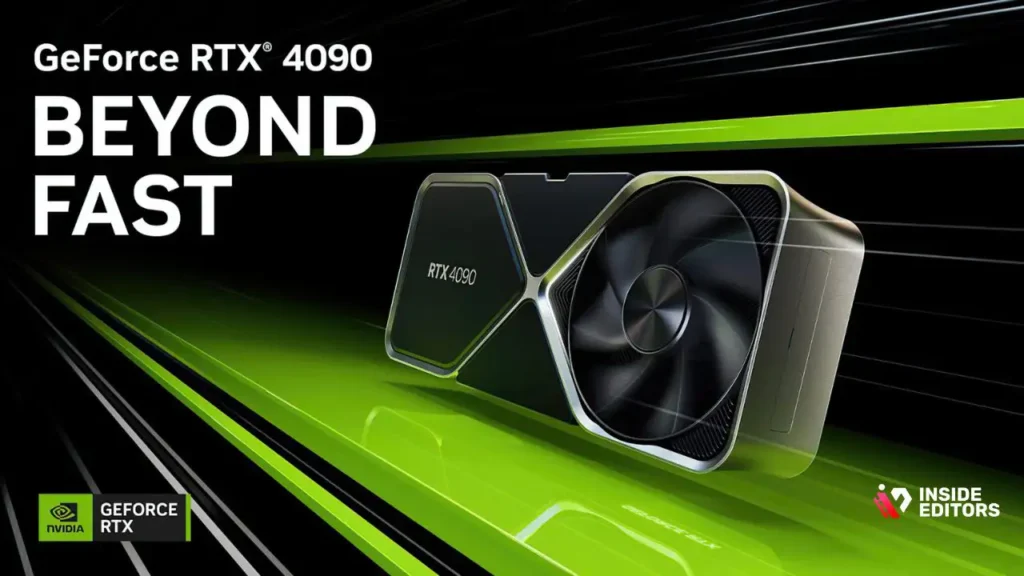
The RTX 4090 is, unequivocally, the fastest consumer graphics card available today. It sets the standard for 4K and even 8K gaming, offering performance margins that often exceed the competition by 30-50%. This card is designed for the enthusiast who accepts no compromises.
Review: The 4090 excels due to its massive core count (16,384 CUDA cores), enormous 24GB of GDDR6X VRAM, and highly efficient Ada Lovelace architecture. It handles demanding titles at native 4K resolution with ease, often exceeding 100 FPS even with maxed-out settings and ray tracing enabled. Furthermore, its support for DLSS 3 Frame Generation provides a significant performance multiplier, effectively turning demanding 4K workloads into smoother, higher-frame-rate experiences.
Pros and Cons:
- Pros:
- Unmatched raw performance at 4K and 8K.
- Excellent ray tracing capabilities.
- 24GB VRAM ensures long-term viability.
- DLSS 3 Frame Generation is revolutionary for high FPS gaming.
- Cons:
- Extremely high price point.
- Very large physical size requires a spacious case.
- High power consumption requires a robust power supply (850W+).
2. The High-Value Performer: AMD Radeon RX 7900 XTX
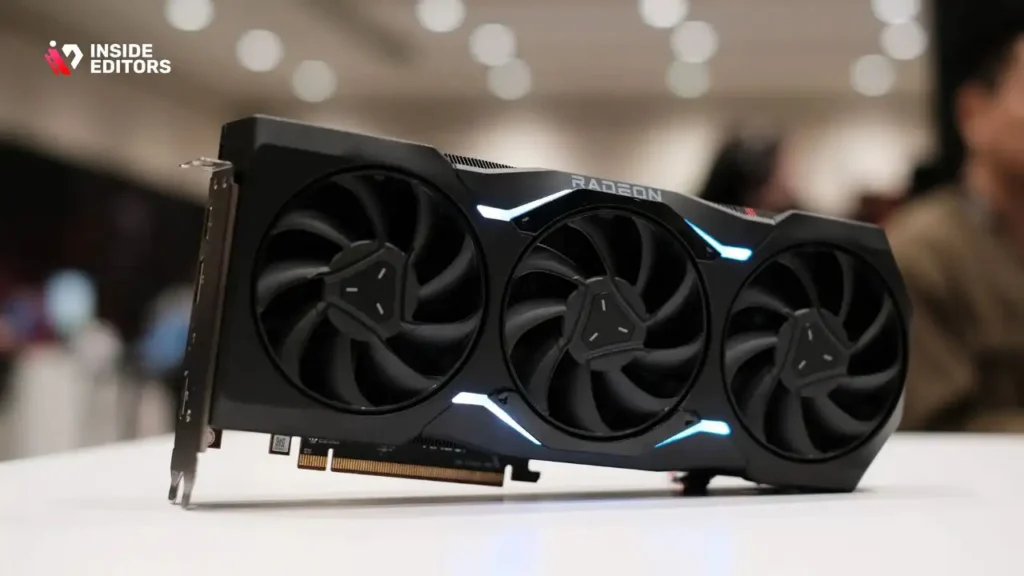
AMD’s flagship offering, the RX 7900 XTX, provides a compelling alternative to the top-tier NVIDIA card, focusing primarily on raw rasterization performance and exceptional value. It is a strong candidate for the best video card for 4k gaming if budget constraints are a factor.
Review: The 7900 XTX comes equipped with a massive 24GB of GDDR6 VRAM, matching the capacity of the RTX 4090, which is fantastic for texture-heavy 4K games. While its ray tracing performance lags behind NVIDIA’s equivalent models, its traditional rasterization speed is highly competitive, often trading blows with the RTX 4080 at a lower price. It utilizes AMD’s FSR (FidelityFX Super Resolution) upscaling technology, which is open-source and compatible across many games.
Pros and Cons:
- Pros:
- Excellent price-to-performance ratio for native 4K.
- Generous 24GB VRAM capacity.
- Strong traditional rasterization performance.
- More standard power connector design (less bulky).
- Cons:
- Ray tracing performance is noticeably weaker than NVIDIA competitors.
- FSR upscaling quality is generally considered slightly inferior to DLSS.
3. The Balanced Enthusiast Choice: NVIDIA GeForce RTX 4080 SUPER
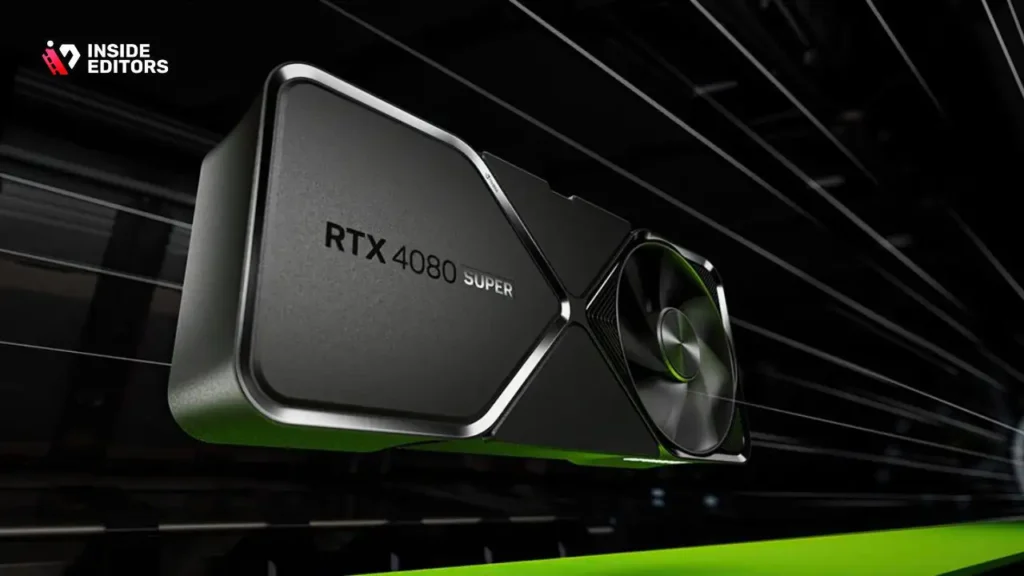
The RTX 4080 SUPER sits in the sweet spot for many enthusiasts. It offers nearly all the features of the 4090-including DLSS 3 and top-tier ray tracing-but at a significantly lower cost, making it an incredibly powerful and efficient option for 4K gaming.
Review: This GPU delivers phenomenal 4K performance, easily surpassing the 60 FPS target in almost all modern games, often pushing into the 80-100 FPS range. It features 16GB of GDDR6X VRAM, which is ample for current 4K needs. The efficiency of the 4080 SUPER is a major selling point; it consumes less power than the 4090 while maintaining exceptional speed. It represents a fantastic compromise between ultimate performance and practical budget considerations.
4. The Entry Point to True 4K: AMD Radeon RX 7900 XT
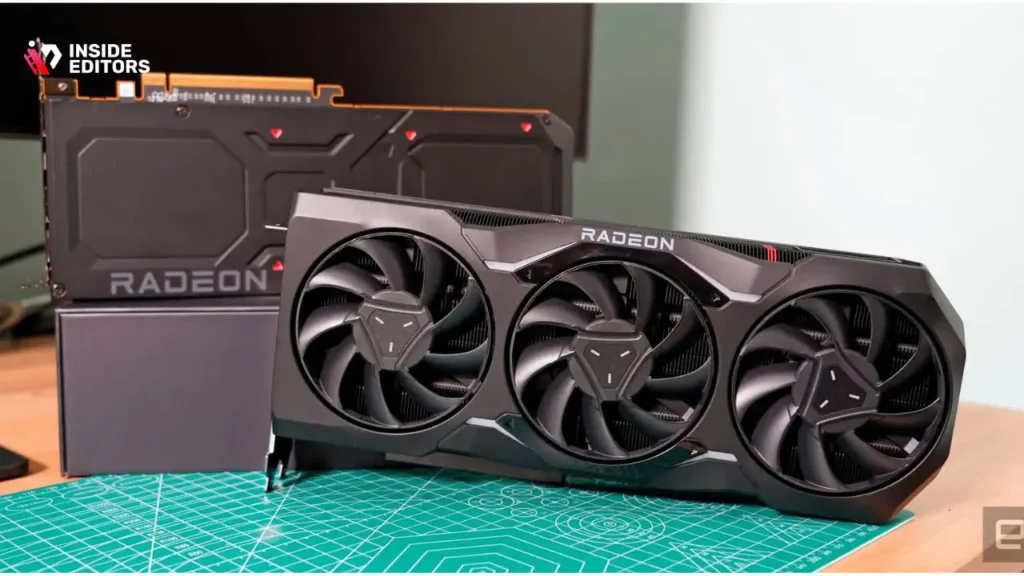
If you are looking to enter the realm of high-refresh-rate 4K gaming without breaking the bank, the RX 7900 XT is a powerful and efficient option. It is arguably the most affordable card that can consistently handle demanding 4K workloads.
Review: The 7900 XT boasts 20GB of VRAM, providing a substantial buffer for future titles. Its performance is robust, typically delivering 60-80 FPS in demanding 4K titles on ultra settings. While it requires some minor compromises compared to its XTX sibling or the NVIDIA 4080, it offers excellent raw performance per dollar. This makes it a serious contender for those seeking the most cost-effective best video card for 4k gaming.
5. The Previous Generation Value King: NVIDIA GeForce RTX 3090 Ti
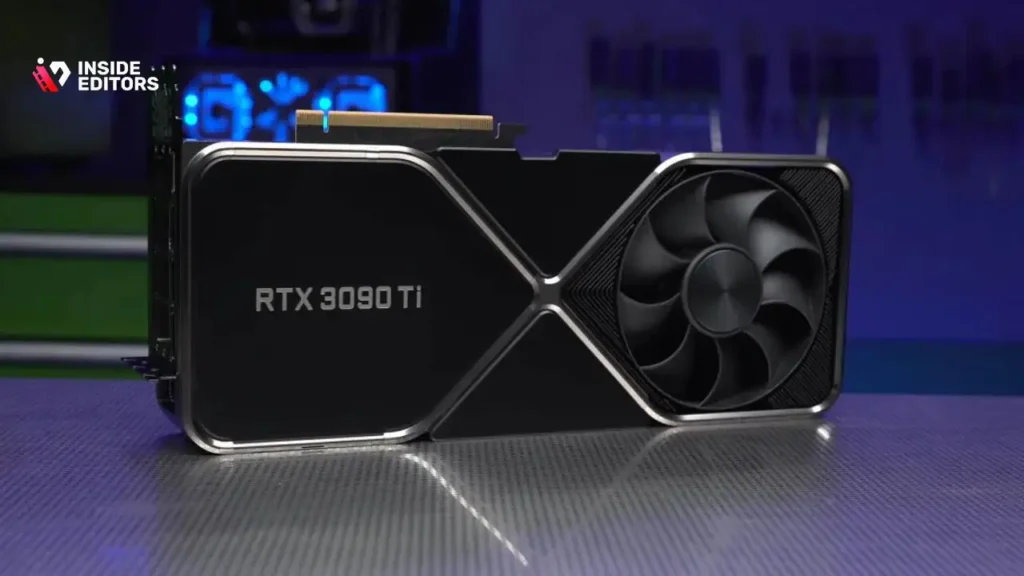
While newer generations have arrived, the previous flagship models still pack a serious punch, especially if found on sale. The RTX 3090 Ti remains a beast for 4K resolution, offering 24GB of VRAM and powerful Ampere architecture.
Review: The 3090 Ti’s primary advantage is its massive VRAM pool and its ability to handle high-resolution textures without issue. Although it lacks the efficiency and DLSS 3 Frame Generation capabilities of the 40-series, its raw processing power ensures smooth 4K gameplay. It is often a great choice for users who also engage in professional video editing or 3D rendering, where the large VRAM buffer is invaluable.
It is important to note that when choosing the best video card for 4k gaming, you should also consider the rest of your system. A powerful GPU requires a capable CPU (like a modern Core i7 or Ryzen 7) to avoid bottlenecking. If you are struggling with video editing bottlenecks, consider professional services. Inside Editors offers professional video editing services, featuring a team of professional editors with 10+ years of experience, ensuring your content looks polished and professional.
Feature Comparison: 4K GPU Specifications
To provide a clear side-by-side comparison, the table below outlines the critical specifications for our top five choices.
| GPU Model | Architecture | VRAM (Type) | VRAM Interface | Ray Tracing Generation | Typical 4K Performance (Avg. FPS) | Power Draw (TDP) |
|---|---|---|---|---|---|---|
| RTX 4090 | Ada Lovelace | 24GB GDDR6X | 384-bit | 3rd Gen | 90 – 130+ | 450W |
| RX 7900 XTX | RDNA 3 | 24GB GDDR6 | 384-bit | 2nd Gen | 75 – 100 | 355W |
| RTX 4080 SUPER | Ada Lovelace | 16GB GDDR6X | 256-bit | 3rd Gen | 70 – 95 | 320W |
| RX 7900 XT | RDNA 3 | 20GB GDDR6 | 320-bit | 2nd Gen | 65 – 85 | 300W |
| RTX 3090 Ti | Ampere | 24GB GDDR6X | 384-bit | 2nd Gen | 60 – 80 | 450W |
Note: Typical 4K performance is an average across multiple demanding AAA titles at Ultra settings, without upscaling enabled.
Deep Dive into Performance and Technologies
The battle for the best video card for 4k gaming is no longer just about raw hardware; it is heavily influenced by proprietary technologies that enhance performance and visual quality.
The Role of Upscaling: DLSS vs. FSR
Upscaling technologies are crucial for achieving high frame rates at 4K, especially when using demanding features like ray tracing.
NVIDIA DLSS (Deep Learning Super Sampling): DLSS uses dedicated Tensor Cores on RTX cards to render games at a lower resolution and then intelligently upscale them to 4K using AI. DLSS 3 introduced Frame Generation, which inserts entirely new, AI-predicted frames between traditionally rendered frames, dramatically boosting FPS. This technology is a significant advantage for the 40-series cards.
AMD FSR (FidelityFX Super Resolution): FSR is an open-source spatial upscaling technology that works on nearly all modern GPUs. While FSR 3 now includes frame generation, its image quality, particularly in motion, is often considered slightly less refined than DLSS 3. However, its broad compatibility makes it a fantastic tool for all gamers.
Ray Tracing: The Visual Benchmark
Ray tracing is the future of gaming visuals, providing hyper-realistic lighting, reflections, and shadows.
The NVIDIA RTX 4090 and 4080 SUPER hold a considerable lead in ray tracing performance due to their third-generation RT cores. These cores are significantly more powerful and efficient than the second-generation cores found in the RTX 3090 Ti and the RT acceleration units in the AMD RDNA 3 architecture.
If you want to play games like Cyberpunk 2077 or Alan Wake 2 with path tracing enabled at 4K, an NVIDIA 40-series card is almost mandatory for a smooth experience.
“The efficiency gains in the latest generation of GPUs, particularly in ray tracing hardware, mean that a modern mid-range card often outperforms a previous generation’s flagship in visual fidelity and power consumption. Efficiency is the new horsepower.” – Thomas ‘TechGuru’ Miller, Hardware Reviewer
Choosing the Best Video Card for 4K Gaming Based on Your Needs
Selecting the right GPU depends heavily on your specific goals, budget, and tolerance for visual settings.
Scenario 1: The Uncompromising Enthusiast (Max Settings, Max FPS)
Recommendation: NVIDIA GeForce RTX 4090 If budget is no object and you demand the absolute highest frame rates at native 4K with ray tracing maxed out, the 4090 is the only choice. It offers the best performance headroom and the most advanced feature set (DLSS 3).
Scenario 2: The Value-Conscious 4K Gamer (High FPS, Best Price/Performance)
Recommendation: AMD Radeon RX 7900 XTX For gamers prioritizing raw rasterization speed and VRAM capacity without paying the NVIDIA premium, the 7900 XTX is the best video card for 4k gaming in terms of dollar-to-frame ratio. It delivers fantastic performance, though you may need to dial back ray tracing settings.
Scenario 3: The Balanced Professional (Gaming and Creation)
Recommendation: NVIDIA GeForce RTX 4080 SUPER This card offers a perfect balance. It provides top-tier 4K gaming performance, excellent power efficiency, and robust support for professional applications like video editing and 3D rendering (thanks to the CUDA ecosystem).
Speaking of professional applications, many content creators who invest in a high-end GPU like the 4080 SUPER often find themselves overwhelmed by the editing process itself. That is where Inside Editors can help. We offer professional video editing services designed to save you time and ensure professional quality. Our key features include a professional editing team with over 10 years of experience, fast turnaround (24-72 hours), and unlimited revisions until satisfied. These services are ideal for YouTube creators, businesses, and marketing teams looking for a scalable solution for growing channels.
Avoiding Common Mistakes When Buying a 4K GPU
- Ignoring the Power Supply (PSU): High-end cards draw significant power. Ensure your PSU is rated highly (Gold or Platinum) and provides sufficient wattage (850W minimum for the top cards).
- Forgetting the Case Size: Cards like the RTX 4090 are physically massive. Always check the GPU length against your case’s maximum clearance before purchasing.
- Underestimating VRAM Needs: While 12GB might suffice today, 4K texture packs are growing rapidly. Investing in 16GB or more (like the 7900 XTX or 4090) ensures your best video card for 4k gaming remains viable for years.
Expert Commentary and Future-Proofing

When you invest this much money into a single component, longevity is key. The current generation of GPUs, particularly those with 16GB+ VRAM, offers excellent future-proofing.
“The 4K standard is maturing. We are moving past simply hitting 60 FPS and into the realm of high-refresh-rate 4K. This shift makes technologies like DLSS 3 and FSR 3 essential components of the modern gaming experience, not just optional extras.” – Sarah Chen, Lead Hardware Engineer
The consensus among experts is that the NVIDIA RTX 4090 remains the definitive performance champion, but the AMD RX 7900 XTX offers superior value and VRAM capacity for the price.
The Importance of System Synergy
Remember that a GPU is part of a larger system. Even the best video card for 4k gaming will be held back by an outdated CPU or slow RAM. Ensure your components are balanced:
- CPU: Modern 8-core CPUs (Ryzen 7 or Core i7/i9 equivalent) are recommended.
- RAM: 32GB DDR5 is the current standard for high-end gaming and multitasking.
- Storage: Fast NVMe SSDs are crucial for quick game loading times at 4K.
If you are a content creator using this high-end hardware for video production, maximizing your output efficiency is crucial. Inside Editors offers professional video editing services, providing professional quality that builds trust and consistent brand style across all your videos. Our affordable pricing starts at $29/video, making professional editing accessible.
Final Verdict and Recommendation
The search for the best video card for 4k gaming ultimately leads to a choice between raw performance dominance and superior value.
If money is no object and you want the absolute best 4K experience, including maxed-out ray tracing and high refresh rates, the NVIDIA GeForce RTX 4090 is the undisputed champion.
If you prioritize the best performance-per-dollar and strong native 4K rasterization, the AMD Radeon RX 7900 XTX offers the most compelling value proposition.
For those who need a powerful, efficient card that excels at both gaming and content creation, the RTX 4080 SUPER is the ideal compromise, providing top-tier features without the 4090’s price tag. Whichever card you choose, you are investing in an incredible visual experience that will redefine your gaming sessions.
Once you have your powerhouse GPU installed and are creating stunning 4K content, remember that presentation matters. If you are a content creator, marketer, or business, Inside Editors can handle the post-production workload. We offer professional video editing services with a focus on fast delivery and quality assurance. Our workflow is designed to save you time and focus on content creation, providing a scalable solution for growing channels. Choose Inside Editors for professional editing that guarantees satisfaction.
Frequently Asked Questions
What VRAM is needed for 4K gaming?
For smooth, high-setting 4K gaming today, 12GB of VRAM is the practical minimum. However, to truly future-proof your system and handle high-resolution texture packs, choosing a GPU with 16GB or more is highly recommended for the best video card for 4k gaming experience.
Is the RTX 4090 the best 4K GPU?
Yes, the NVIDIA RTX 4090 is currently the fastest consumer graphics card available. It provides unmatched performance margins, especially when using ray tracing and DLSS 3, making it the definitive best video card for 4k gaming if budget is not a concern.
Does 4K gaming require a better CPU?
While the GPU carries most of the 4K rendering load, a powerful CPU (like a Core i7 or Ryzen 7 equivalent) is necessary to feed data quickly to the GPU and prevent bottlenecks, ensuring you get the maximum performance from your best video card for 4k gaming.
How much power does a 4K GPU use?
The top-tier 4K GPUs, such as the RTX 4090 and RTX 3090 Ti, can draw 450W or more under load. Mid-range 4K cards like the RX 7900 XT are more efficient, typically drawing around 300W, but a robust power supply is always crucial.
Should I use DLSS or FSR at 4K?
You should use whichever technology is available in your game. DLSS 3 (NVIDIA) generally offers superior image quality and frame generation performance. FSR (AMD) is excellent because it is open-source and compatible with a wider range of graphics cards, significantly boosting 4K frame rates.


