


Welcome to the definitive guide for serious gamers seeking the ultimate display upgrade. Choosing the best video gaming TV is no longer just about picture quality; it’s a complex decision involving refresh rates, input lag, and next-generation console compatibility. If you are investing in a PlayStation 5 or Xbox Series X, you need a display that unlocks their full potential. This comprehensive review breaks down the top contenders, helping you find the perfect screen to elevate your gaming experience.
The search for the best video gaming TV requires balancing high-end features with real-world performance. We have rigorously assessed the market, focusing on critical metrics like HDMI 2.1 support, variable refresh rate (VRR) technology, and overall responsiveness.
Understanding the Essentials of a Best Video Gaming TV

Before diving into the top five models, it is crucial to understand the technical specifications that separate a standard 4K TV from the best video gaming TV. These features directly impact how smoothly and responsively your games play. Ignoring these details can lead to frustrating input lag and motion blur, especially in fast-paced competitive titles.
The Critical Role of HDMI 2.1
HDMI 2.1 is the single most important feature for modern gaming displays. This standard dramatically increases bandwidth, allowing for crucial high-performance modes. Without HDMI 2.1, achieving 4K resolution at 120 frames per second (FPS) is impossible.
A key benefit of HDMI 2.1 is its support for 48 Gbps data transfer. This bandwidth is necessary to handle the massive data load created by high resolution and high frame rate combinations. Look for at least one dedicated HDMI 2.1 port when evaluating the best video gaming TV options.
“HDMI 2.1 isn’t just a marketing buzzword; it’s the foundational technology enabling the true next-gen gaming experience, delivering uncompressed 4K/120Hz and low-latency features.” – Vincent Teoh, Display Technology Analyst
Input Lag and Response Time: Measuring Responsiveness
Input lag is the delay between pressing a button on your controller and seeing the action register on the screen. For competitive gamers, low input lag is paramount. The best video gaming TV should aim for 10 milliseconds (ms) or less at 4K/60Hz, and ideally under 5ms when running at 120Hz.
Response time, conversely, measures how quickly individual pixels can change color. Slow response times cause motion blur, making fast-moving objects appear smeared. OLED technology typically offers near-instantaneous response times, giving it a significant advantage in this area.
Variable Refresh Rate (VRR) Explained
VRR technology synchronizes the TV’s refresh rate with the console’s frame rate. This eliminates screen tearing and stuttering, which occur when the console and the display are out of sync. Both NVIDIA G-Sync and AMD FreeSync are forms of VRR, and many modern TVs support both standards, ensuring smooth gameplay regardless of frame rate fluctuations.
This seamless synchronization is essential for maintaining immersion, especially in graphically demanding games where frame rates can drop momentarily. The inclusion of effective VRR support is a non-negotiable trait of the best video gaming TV available today.
Top 5 Contenders for the Best Video Gaming TV
We have selected five televisions that represent the pinnacle of gaming performance across various price points and display technologies. Each model excels in the critical areas of input lag, refresh rate, and picture quality.
1. The OLED Champion: LG C4 Series
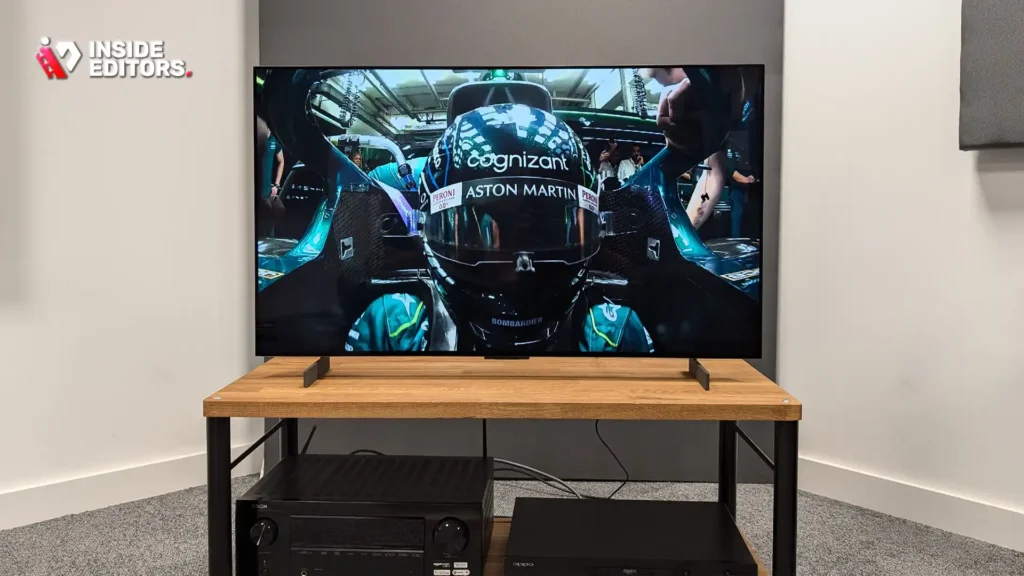
The LG C-series has consistently set the benchmark for gaming TVs, and the C4 continues this legacy. Utilizing cutting-edge OLED technology, it delivers perfect blacks, infinite contrast, and near-instantaneous response times. This makes it an exceptional choice for cinematic, atmospheric games and competitive shooters alike.
The C4 features a comprehensive Game Optimizer menu, allowing users to quickly adjust settings like VRR, low input lag mode, and even specific genre modes (FPS, RPG). It includes four full-bandwidth HDMI 2.1 ports, ensuring maximum compatibility for multiple consoles and PCs.
Detailed Review: LG C4
- Gaming Performance: Unmatched response time (sub-1ms) eliminates motion blur. Input lag is consistently below 10ms at 4K/60Hz and drops below 5ms at 4K/120Hz.
- Picture Quality: Perfect black levels create stunning depth and realism. While OLEDs are traditionally less bright than QLEDs, the C4 boasts significant brightness improvements over previous generations.
- Connectivity: Four HDMI 2.1 ports, supporting all next-gen features including 4K/120Hz, VRR (G-Sync and FreeSync), and ALLM (Auto Low Latency Mode).
2. The Brightness King: Samsung QN90D Neo QLED
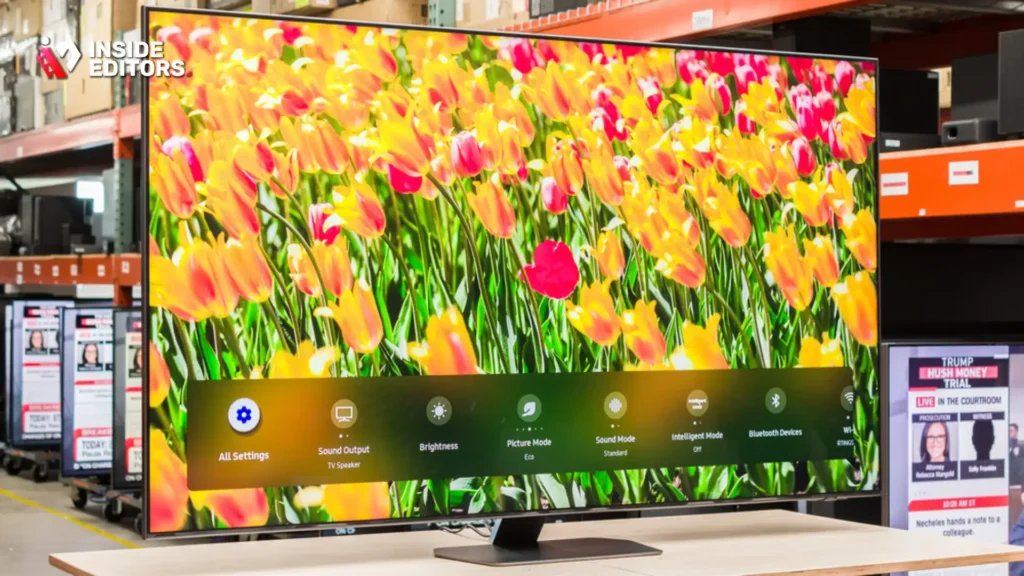
For gamers who play primarily in bright rooms, the Samsung QN90D offers a compelling alternative to OLED. This Neo QLED uses Mini-LED backlighting to achieve phenomenal peak brightness, mitigating glare and maintaining vibrant colors even in sunlit environments.
The QN90D excels in HDR performance thanks to its high brightness and precise local dimming zones. Samsung’s proprietary Game Hub simplifies accessing cloud gaming services and console inputs. This model is a strong contender for the title of best video gaming TV for daytime players.
Detailed Review: Samsung QN90D
- Gaming Performance: Excellent input lag performance, competitive with the LG C4. It supports 4K/120Hz and FreeSync Premium Pro.
- Picture Quality: Exceptional brightness levels (often exceeding 2000 nits in small highlights). Colors are vivid and punchy, making games truly pop.
- Limitations: While the Mini-LED backlighting is excellent, it can occasionally exhibit minor blooming (light halos) around bright objects on a black background, a slight drawback compared to OLED’s perfect blacks.
3. The Value Performer: Sony Bravia X90L/X90M
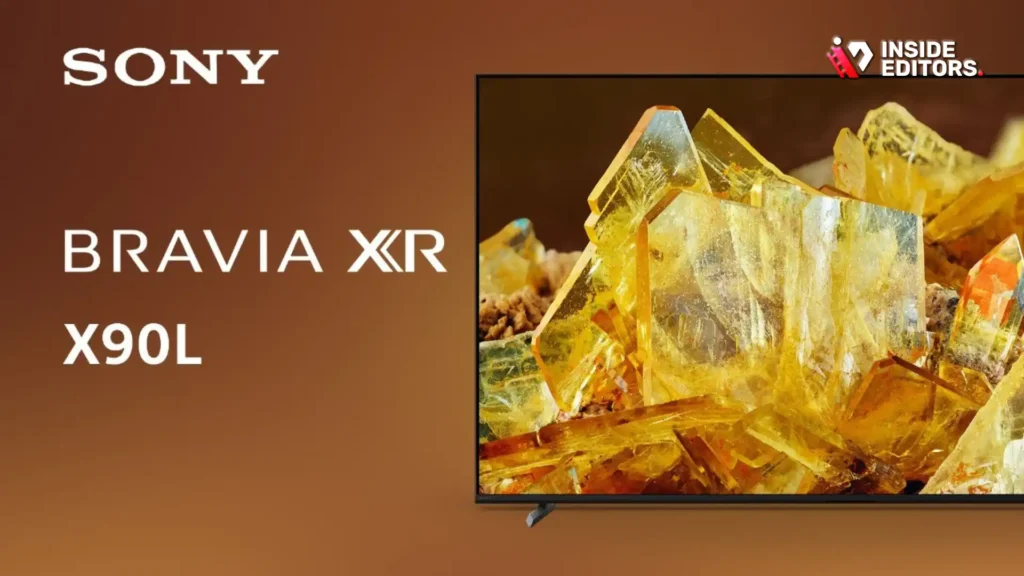
Sony, the maker of the PlayStation console, ensures its Bravia line offers deep integration and optimization for gaming. The X90L (and its successor, the X90M) is a Full Array Local Dimming (FALD) LED TV that provides a fantastic balance of performance and price. It’s often significantly cheaper than the high-end OLEDs and Mini-LEDs.
This TV features the “Perfect for PlayStation 5” features, including Auto HDR Tone Mapping and Auto Genre Picture Mode, which automatically optimize settings when a PS5 is connected. While it only offers two HDMI 2.1 ports, its processing power and image clarity are superb.
Detailed Review: Sony X90L/X90M
- Gaming Performance: Very low input lag, especially in Game Mode. Excellent motion handling due to Sony’s proprietary processing chips.
- Picture Quality: Strong contrast ratios for an LED TV, thanks to effective local dimming. Colors are accurate and cinematic.
- Use Case: Ideal for PS5 owners seeking seamless integration and high-quality visuals without the premium price tag of an OLED.
4. The Budget 120Hz Option: TCL QM8 Series
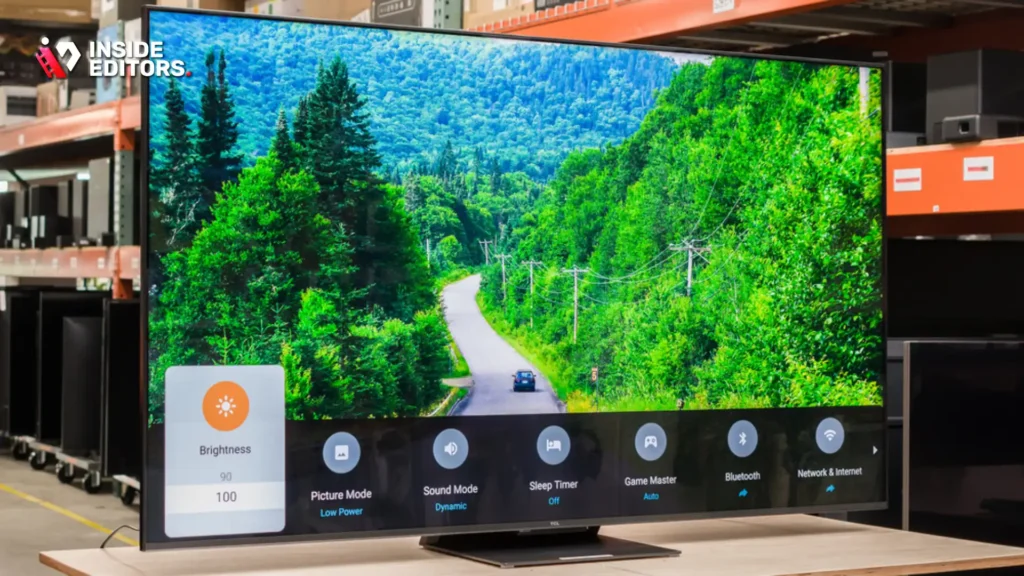
The TCL QM8 series proves that you don’t need to spend a fortune to get a high-refresh-rate gaming experience. This Mini-LED TV offers hundreds of local dimming zones and impressive peak brightness, rivaling more expensive models.
TCL has aggressively pushed gaming features into its mid-range lineup. The QM8 supports 4K/144Hz refresh rates on its top-tier models, appealing directly to PC gamers who demand higher frame rates than consoles currently offer. This makes it a strong dark horse candidate for the best video gaming tv in the mid-range segment.
Detailed Review: TCL QM8
- Gaming Performance: Excellent input lag performance. Supports advanced features like VRR and 144Hz refresh rates (on specific inputs/models).
- Value: Offers the highest brightness-per-dollar ratio on the market.
- Limitations: Picture processing and upscaling are generally good but may not match the refinement of Sony or LG when viewing lower-resolution content.
5. The QD-OLED Hybrid: Samsung S95D
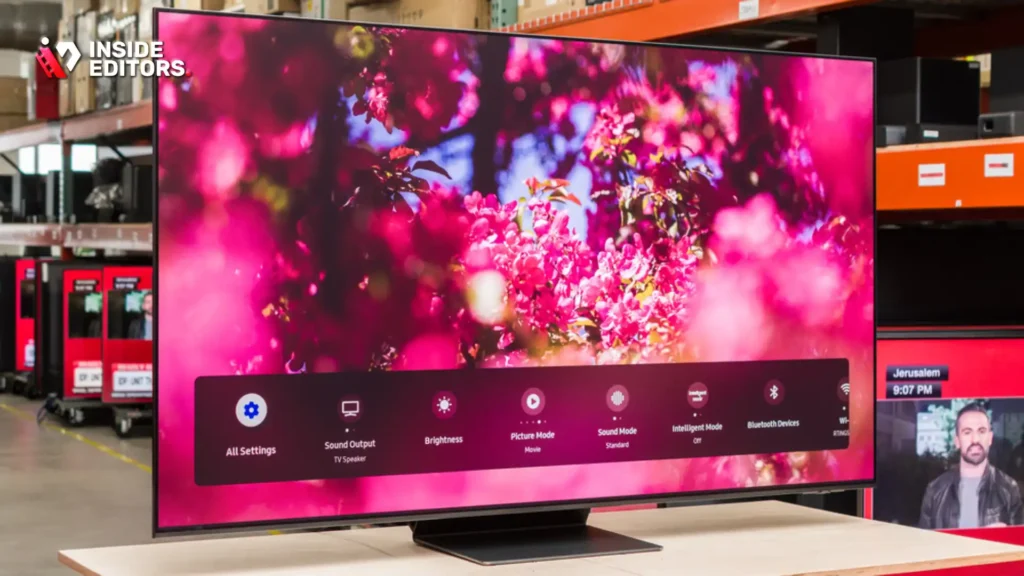
The Samsung S95D represents the cutting edge of display technology: QD-OLED (Quantum Dot OLED). This hybrid technology combines the perfect blacks and instant response of OLED with the superior color volume and brightness of Quantum Dots. The result is a display that is brighter than traditional OLEDs and offers unparalleled color vibrancy.
The S95D is arguably the most visually stunning display on this list, offering an experience that transcends standard HDR viewing. Its anti-glare screen technology is particularly noteworthy, significantly reducing reflections without compromising picture quality.
Detailed Review: Samsung S95D
- Gaming Performance: Flawless gaming performance with four HDMI 2.1 ports and extremely low input lag. The instantaneous response time makes motion look incredibly fluid.
- Picture Quality: Best-in-class color volume and peak brightness for an OLED panel. The anti-reflection screen is revolutionary for gaming in lit rooms.
- Verdict: If budget is no concern, the S95D delivers the most premium, visually immersive gaming experience available, making it the definitive best video gaming TV for enthusiasts.
Side-by-Side Comparison of the Best Video Gaming TV Models
To help you visualize the differences, here is a quick comparison of the key gaming metrics for our top five selections.
| Model | Display Type | HDMI 2.1 Ports | Peak Brightness (Nits) | Input Lag (4K/120Hz) | VRR Support |
|---|---|---|---|---|---|
| LG C4 | WOLED | 4 | ~1000 | < 5 ms | G-Sync, FreeSync |
| Samsung QN90D | Mini-LED (QLED) | 4 | ~2000+ | < 6 ms | FreeSync Premium Pro |
| Sony X90L/M | FALD LED | 2 | ~900 | < 10 ms | Standard VRR |
| TCL QM8 | Mini-LED (QLED) | 2 | ~2000+ | < 8 ms | FreeSync, 144Hz |
| Samsung S95D | QD-OLED | 4 | ~1500 | < 5 ms | FreeSync Premium Pro |
Essential Features Checklist: What to Demand from Your Gaming Display
When you are spending significant money on the best video gaming TV, you must ensure it meets a minimum standard of features. These elements ensure future-proofing and optimal performance with current and upcoming console generations.
HDR Support: Maximizing Visual Fidelity
High Dynamic Range (HDR) significantly increases the range between the darkest and brightest parts of the image, offering more detail and realism. The two main HDR formats are HDR10+ and Dolby Vision.
- Dolby Vision: Generally considered superior, as it uses dynamic metadata that adjusts brightness and contrast frame-by-frame.
- HDR10+: Uses dynamic metadata but is less common in high-end gaming TVs compared to Dolby Vision, though Samsung champions this format.
The ability of a TV to display HDR content effectively depends heavily on its peak brightness and local dimming capabilities. The brighter the TV, the more impactful the HDR highlights will be.
Screen Size and Viewing Distance
The ideal screen size depends entirely on your viewing distance. Sitting too close to a massive screen can strain your eyes and make it difficult to take in the entire visual field during fast-paced games.
A general rule of thumb for 4K viewing is to multiply your screen size by 1.5 to get the optimal viewing distance in inches. For example, a 65-inch TV is best viewed from about 97.5 inches (8.1 feet) away. Choosing the right size ensures you get the most immersive experience from your best video gaming TV selection.
Audio Quality: Don’t Neglect the Sound
While serious gamers often use headphones or dedicated soundbars, the built-in audio quality of a TV still matters. High-end models often include advanced acoustic technologies, such as object tracking sound (OTS) on Samsung models, which makes sound appear to follow the action on screen.
If you plan to use the TV’s internal speakers, look for models that support Dolby Atmos decoding. This provides a more three-dimensional and enveloping soundscape, enhancing the overall gaming atmosphere.
Expert Insights on Display Technology
The competition between OLED and Mini-LED remains fierce. Understanding the nuances of each technology is key to selecting the best video gaming TV for your specific needs.
OLED: The King of Contrast
OLED (Organic Light Emitting Diode) pixels are self-emissive, meaning each pixel generates its own light and can be turned off individually. This results in perfect blacks and infinite contrast, which is unbeatable for dark scenes and atmospheric horror games.
The primary concern with OLED remains potential burn-in, although modern panels have sophisticated protective measures, including pixel shifting and logo brightness detection. For typical gaming usage, where content varies, burn-in is highly unlikely.
“The instantaneous pixel response of OLED is the single greatest advantage in gaming displays. It eliminates motion artifacts that even the fastest LCDs struggle with.” – Dr. Michael Chen, Display Engineering Consultant
Mini-LED: The Brightness Powerhouse
Mini-LEDs are essentially highly refined LCD (Liquid Crystal Display) panels that use thousands of tiny LEDs for backlighting. This allows for incredibly high brightness and vastly improved local dimming compared to traditional LED TVs.
Mini-LEDs are ideal for gamers who prioritize peak brightness for HDR content or who game in rooms with significant ambient light. While they cannot achieve the perfect black levels of OLED, the best Mini-LEDs come remarkably close, especially the high-zone count models like the Samsung QN90D and TCL QM8.
Enhancing Your Gaming Setup: Beyond the TV
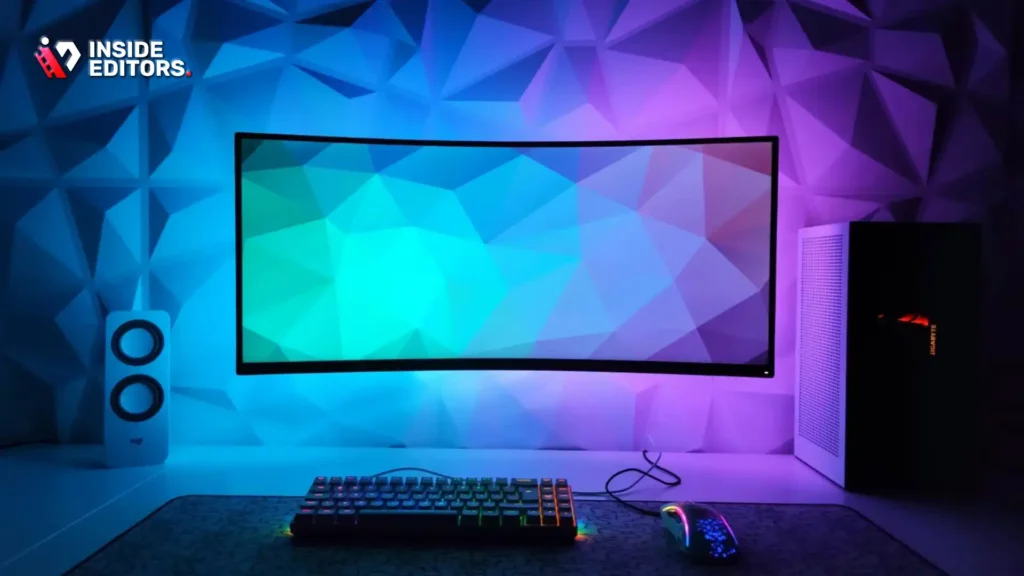
Selecting the best video gaming TV is only one part of the equation. To truly maximize your experience, consider optimizing the entire setup.
The Importance of High-Quality Cables
To utilize 4K/120Hz and VRR, you must use certified Ultra High Speed HDMI cables. Standard or older HDMI cables lack the necessary bandwidth (48 Gbps) and will prevent the TV from activating its highest performance modes. Always check that your cables are rated for HDMI 2.1.
Optimizing Your Console Settings
Once your new best video gaming TV is connected, dive into the console settings. Ensure that the 120Hz output mode is enabled and that VRR is activated. On the TV side, confirm that the specific HDMI port you are using is set to “Enhanced” or “Full Bandwidth” mode, as some TVs default to a lower bandwidth setting.
The Role of Video Editing in Content Creation
For many gamers, the next step after achieving peak performance is sharing their gameplay. Whether you are a competitive streamer, a YouTube content creator, or a marketer showcasing game footage, professional video editing is essential to make your content stand out.
At Inside Editors, we understand the demands of high-quality video content. We offer professional video editing services designed for businesses, content creators, and marketers who need polished, engaging videos quickly. Our professional editing team, with over 10 years of experience, specializes in transforming raw gameplay footage into compelling narratives, highlight reels, or marketing assets.
We provide a seamless workflow with fast turnaround times (24-72 hours) and unlimited revisions until you are completely satisfied. Our services include critical enhancements like color grading and audio optimization, ensuring your content looks and sounds professional. We offer affordable pricing starting at $29 per video, making professional quality accessible.
If you are a YouTube creator or a business aiming for consistent brand style and professional quality, Inside Editors is the scalable solution you need. By handling the complex editing process, we allow you to save time and focus entirely on creating more content.
Common Mistakes When Buying a Video Gaming TV
Navigating the TV market can be tricky. Avoid these common pitfalls to ensure you select the best video gaming TV that meets your expectations.
Mistake 1: Prioritizing Refresh Rate Over Input Lag
While 120Hz is essential, a TV with 120Hz but high input lag (over 20ms) will still feel sluggish. Always check the measured input lag reviews. A 60Hz TV with 5ms lag will feel more responsive than a 120Hz TV with 25ms lag. The ideal scenario is low input lag at 120Hz.
Mistake 2: Assuming All HDMI Ports Are Equal
On many mid-range TVs, only one or two ports are full-bandwidth HDMI 2.1 ports. The remaining ports may be older HDMI 2.0, limiting you to 4K/60Hz. Always check the specifications to confirm which ports support the highest gaming features.
Mistake 3: Ignoring Burn-in Fears for OLED
While burn-in is rare, it is a valid concern for specific, extreme use cases. If you exclusively play one game with a static HUD (Heads-Up Display) for 8+ hours every day, a high-end Mini-LED might offer better peace of mind. For the vast majority of users who play diverse content, an OLED remains the best video gaming TV choice due to its superior image quality.
Final Verdict and Recommendations
The search for the best video gaming TV ultimately comes down to balancing performance, features, and budget. All five models reviewed here are excellent, but specific use cases dictate the final winner.
Recommendation 1: The All-Around Best (Enthusiast Choice)
Winner: LG C4 OLED.
The LG C4 remains the industry standard. Its perfect blacks, infinite contrast, and class-leading gaming features (four HDMI 2.1 ports, G-Sync/FreeSync support, and sub-5ms input lag) make it the most complete package. If you want the most visually stunning and responsive experience, the LG C4 is the best video gaming TV you can buy.
Recommendation 2: Best for Bright Rooms and HDR Impact
Winner: Samsung QN90D Neo QLED.
If your gaming space is bathed in sunlight or you simply crave blindingly bright HDR highlights, the QN90D is the superior choice. Its Mini-LED technology delivers incredible brightness without compromising too much on black levels.
Recommendation 3: Best Value for PS5 Owners
Winner: Sony Bravia X90L/X90M.
For those prioritizing budget and seamless integration with the PlayStation 5, the Sony X90 series offers superb picture quality and low input lag at a more accessible price point than the flagship OLEDs. It is a highly capable and reliable best video gaming TV option.
Choosing the right screen ensures that every frame, every detail, and every victory is displayed exactly as the developers intended. The investment in a high-quality gaming TV pays dividends in immersion and competitive advantage.
Inside Editors: Elevating Your Content
Once you have captured your amazing gameplay on your new best video gaming TV, the next step is sharing it with the world. Whether you are creating tutorials, highlight reels, or marketing campaigns, professional editing is non-negotiable for success.
Inside Editors provides the expertise you need to transform your raw footage into professional, polished videos. Our service features a team of professional editors with over 10 years of experience, guaranteeing quality and consistency. We offer fast turnaround (24-72 hours) and unlimited revisions until satisfied, ensuring your vision is perfectly realized.
Our affordable pricing, starting at $29 per video, includes essential services like color grading and audio enhancement. By choosing Inside Editors, you save time and gain a professional quality that builds trust and maintains a consistent brand style across all your videos. We are the scalable solution for growing channels, businesses, and marketers who demand the best.
We encourage you to explore how Inside Editors can streamline your content creation process and deliver the professional results your audience expects. Focus on gaming; let us handle the editing.
Frequently Asked Questions
What is the most critical gaming TV feature?
HDMI 2.1 is the most critical feature because it enables 4K resolution at 120 frames per second (FPS) and supports essential technologies like VRR. Without HDMI 2.1, you cannot unlock the full potential of the best video gaming tv.
How important is input lag for gaming?
Input lag is extremely important, especially for competitive games. The best video gaming tv should have input lag under 10ms at 60Hz and ideally below 5ms at 120Hz to ensure actions register instantly.
Should I choose OLED or Mini-LED?
OLED offers perfect blacks and instant response time, ideal for cinematic visuals. Mini-LED offers superior peak brightness, making it the better choice for bright rooms and impactful HDR content in a best video gaming tv.
Does VRR matter for console gaming?
Yes, Variable Refresh Rate (VRR) is vital for console gaming. It synchronizes the TV’s refresh rate with the console’s frame rate, eliminating screen tearing and stuttering for smoother, more consistent gameplay.
What is the ideal screen size for 4K?
The ideal screen size depends on viewing distance. A general rule for 4K is to multiply the screen size (in inches) by 1.5 to determine the optimal distance (e.g., 65 inches needs 8.1 feet).
Why are certified HDMI 2.1 cables needed?
Certified Ultra High Speed HDMI 2.1 cables are necessary because they provide the 48 Gbps bandwidth required to transmit uncompressed 4K/120Hz signals from modern consoles to the best video gaming tv.
Can I prevent OLED screen burn-in?
Modern OLED panels have built-in protections like pixel shifting, making burn-in rare for varied content. Avoid displaying static images or HUDs for extremely long periods to ensure longevity of your best video gaming tv.


