


In today’s digital landscape, visual communication is not just a preference-it’s a necessity. Businesses that leverage high-quality Corporate Video Production see significant returns in engagement, trust, and conversion. However, navigating the complexities of creating professional-grade content can be daunting. This comprehensive guide breaks down the process, providing a clear roadmap for achieving excellence in video production corporate.
Whether you are launching an internal training series, crafting a compelling brand story, or developing high-impact marketing assets, mastering the fundamentals of video production corporate is essential for success. This article outlines the seven most critical steps, ensuring your project moves smoothly from concept to final delivery, resulting in content that genuinely resonates with your target audience.
1. Strategic Planning Success

The foundation of any successful corporate video project lies in meticulous planning. Before a single frame is shot, you must clearly define why you are making the video and what you hope to achieve. This initial phase sets the strategic direction and ensures that every subsequent decision aligns with your business objectives.
Identifying the Core Objective and Audience
Every piece of corporate video content must serve a specific purpose. Is the goal to increase brand awareness, drive sales leads, improve customer service through tutorials, or onboard new employees? Clarity here is paramount.
Once the objective is defined, the next crucial step is understanding the audience. A video targeting potential investors will have a vastly different tone, length, and visual style than one aimed at new product users. Deep audience analysis informs creative decisions, ensuring the message hits home.
“If you don’t know where you are going, any road will take you there. In video production, that means wasted resources and a diluted message.” – Anonymous Creative Director
Establishing the Scope and Budget
Corporate video projects vary wildly in complexity and cost. A simple testimonial shot on location requires vastly different resources than a complex animated explainer or a multi-day shoot with professional actors.
The scope defines the project boundaries: length, format (live-action, animation, mixed media), location requirements, talent needs, and overall production value. Simultaneously, the budget must be realistic and allocated strategically across the three main phases: pre-production, production, and post-production. Overlooking costs in post-production, particularly for professional editing and motion graphics, is a common mistake.
A well-defined scope and budget prevent scope creep-the uncontrolled changes or continuous growth in a project’s requirements-which is the enemy of efficient video production corporate.
2. Pre-Production Blueprint
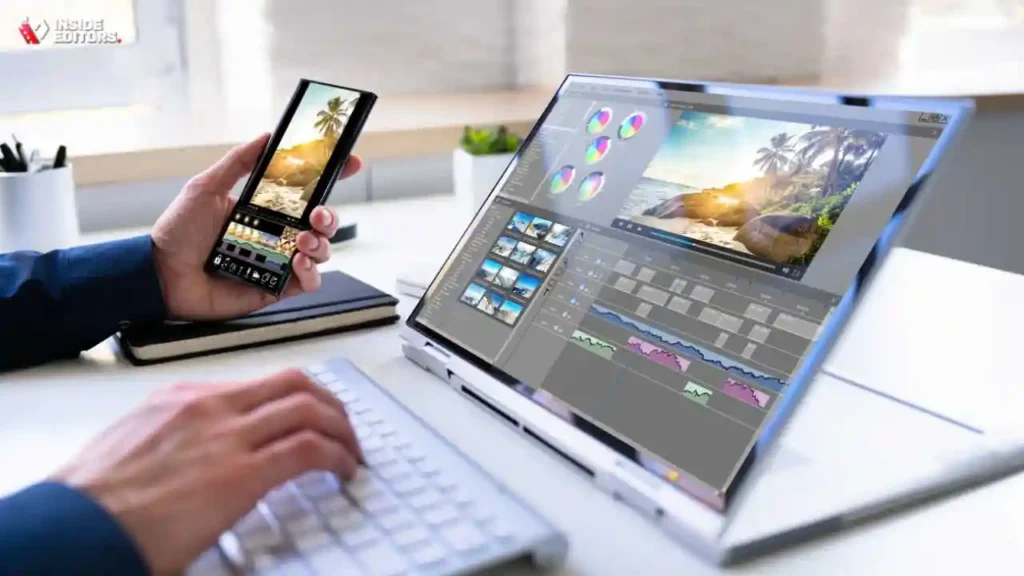
Pre-production is the most critical phase, often accounting for 50% of the total project time, yet it is where the most significant savings and quality assurance occur. This phase transforms abstract ideas into actionable plans.
Scripting, Storyboarding, and Shot Lists
The script is the backbone of the video. It must be concise, engaging, and directly address the audience’s needs while fulfilling the video’s objective. Once the script is finalized and approved, visual planning begins.
Storyboarding involves sketching out the key scenes and visual transitions, providing a clear visual roadmap for the director and camera operators. This is invaluable for complex shoots, helping visualize how the narrative will unfold visually.
The shot list is a detailed breakdown of every shot required, including camera angle, movement, location, and required props or talent. A comprehensive shot list ensures that no essential footage is missed during the high-pressure production day.
Securing Locations, Talent, and Crew
Logistics management in pre-production involves securing all necessary resources. This includes scouting and booking suitable locations (ensuring proper permits and releases are obtained), casting professional talent (or briefing internal staff), and assembling the production crew.
For high-quality video production corporate, the crew typically includes a Director, Director of Photography (DP), sound technician, and production assistant. Ensuring everyone understands their role and the overall vision before the shoot day minimizes delays and costly reshoots.
If your project involves complex visual effects or animation, you might also need to hire a motion graphics designer early in this stage to start developing assets that will integrate seamlessly with the live-action footage.
3. High-Quality Capture

Production is where the plan comes to life. While often the shortest phase, it is the most expensive in terms of hourly costs and requires absolute efficiency and professionalism. The focus here is on capturing the highest quality video and audio assets possible.
Optimizing Lighting and Audio
Poor lighting and bad audio are the two most common reasons corporate videos look unprofessional. Even with a great script, if the audience struggles to see or hear the content, the message is lost.
Lighting: Effective corporate lighting is often about creating depth and separating the subject from the background. The standard three-point lighting setup (key light, fill light, back light) is essential for interviews and on-camera presentations, ensuring the subject is well-defined and flattering.
Audio: Audio quality is arguably more important than video quality. Viewers will tolerate slightly fuzzy video, but they will immediately tune out poor audio. Using professional lavalier microphones for close-up dialogue and boom mics to capture ambient sound ensures crystal-clear recordings. Always record a backup track and monitor audio levels rigorously during the shoot.
“The audience will forgive shaky video before they forgive bad sound. Sound is 50% of the picture.” – George Lucas
Directing and Managing the Set
A professional set environment is crucial for efficiency. The director’s role is to guide the talent and crew, ensuring the performance matches the script and the shots fulfill the shot list.
Key Production Tips:
- Maintain Focus: Keep the set quiet and focused. Time is money during production.
- Check the Gate: Review footage immediately after key scenes (video playback) to confirm the required shots were captured correctly, especially focusing on focus, exposure, and audio sync.
- Be Flexible: Be prepared for unexpected issues (e.g., weather changes, location noise). Having contingency plans is part of expert video production corporate.
4. Post-Production Storytelling

Once the camera stops rolling, the magic truly begins in post-production. This phase transforms raw footage into a polished, cohesive narrative. It involves editing, sound design, color correction, and graphics integration.
The Importance of Professional Video Editing
Editing is the heart of storytelling. A skilled editor selects the best takes, dictates the pace, builds tension, and ensures the video flows logically according to the original script and goal.
For many businesses, managing the vast amounts of footage and complex editing software internally is inefficient. This is where specialized services become invaluable. Inside Editors offers professional video editing services designed specifically for businesses and content creators. Our workflow ensures that your raw footage is handled by a team of professional editors with 10+ years of experience, guaranteeing a professional quality that builds trust.
We understand that time is critical in video production corporate. Our service offers fast turnaround times (24-72 hours) and includes essential features like color grading and audio enhancement, ensuring your final product is visually stunning and audibly clear. You can save time and focus on content creation while we handle the technical complexities.
If you are looking to scale your content production, choosing a reliable partner for professional video editing services is the most efficient path to maintaining a consistent brand style across all your videos.
Color Grading and Sound Design
These two elements are often overlooked but dramatically impact the perceived quality of the final video.
| Feature | Description | Impact on Corporate Video |
|---|---|---|
| Color Grading | Adjusting color, contrast, and brightness to achieve a consistent, cinematic look. | Establishes mood, enhances brand consistency, and improves visual appeal. |
| Sound Design | Layering music, sound effects (SFX), and voiceovers (VO) over the cleaned dialogue track. | Increases engagement, guides the viewer’s attention, and adds professional polish. |
Sound design, in particular, moves beyond simple audio cleanup. It includes selecting license-free music that matches the video’s tone and adding subtle SFX (like clicks, whooshes, or ambient room tones) to make the visual elements feel more grounded and real.
5. Graphics & Effects
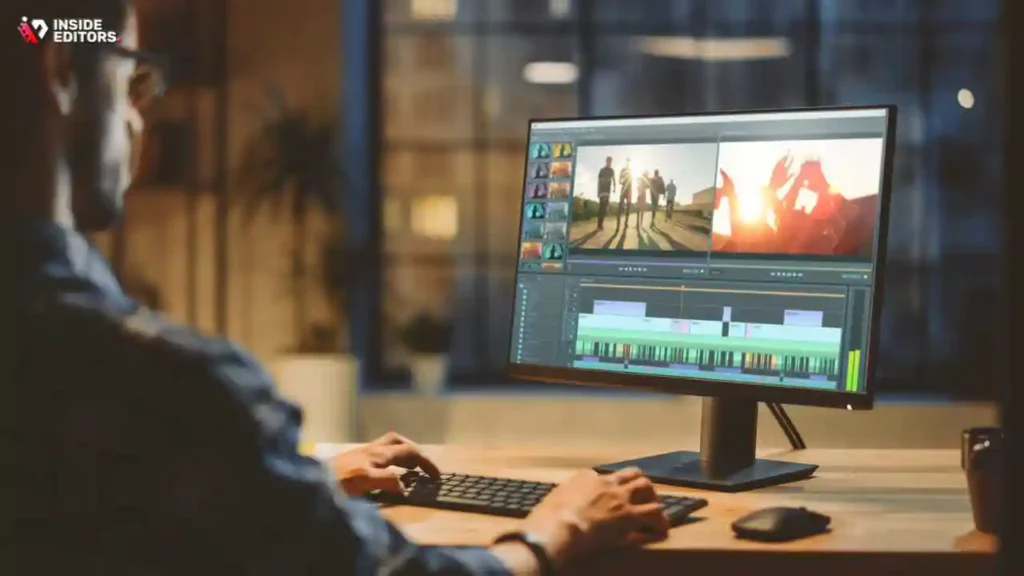
In modern video production corporate, static footage rarely suffices. Graphics, text overlays, and animation are essential tools for clarifying complex data, highlighting key takeaways, and maintaining viewer engagement.
Motion Graphics and Text Overlays
Motion graphics (MOGRTs) are dynamic visual elements that can transform dry information into engaging content. They are perfect for:
- Lower Thirds: Identifying speakers or locations.
- Data Visualization: Animating charts, graphs, and statistics.
- Call-to-Action (CTA) Screens: Clearly directing the viewer to the next step.
Effective integration of motion graphics requires a keen eye for brand alignment. The graphics must use your corporate colors, fonts, and style guide to ensure consistency. If you need assistance creating these dynamic elements, you might consider hiring a video editor for YouTube who specializes in fast-paced, highly visual content.
Using Stock Footage and B-Roll Strategically
B-roll-supplementary footage used to cover edits or add visual interest-is crucial. When original B-roll isn’t feasible, high-quality stock footage can fill the gap. However, it must be used judiciously. Generic, overused stock footage can cheapen the production value.
Pros and Cons of Using Stock Footage in Corporate Video
| Pros | Cons |
|---|---|
| Cost-Effective: Cheaper than organizing a dedicated shoot for specific scenes. | Lack of Authenticity: Can feel generic or disconnected from your specific brand. |
| Time-Saving: Immediate access to specialized or hard-to-capture scenes (e.g., aerials, historical events). | Licensing Complexity: Requires careful verification of commercial usage rights. |
| Variety: Access to diverse locations, people, and scenarios globally. | Overused Clips: Risk of using the same footage as competitors. |
The best approach is to prioritize custom-shot footage and use stock assets only when they genuinely enhance the narrative without distracting from the core message.
6. Review & Delivery
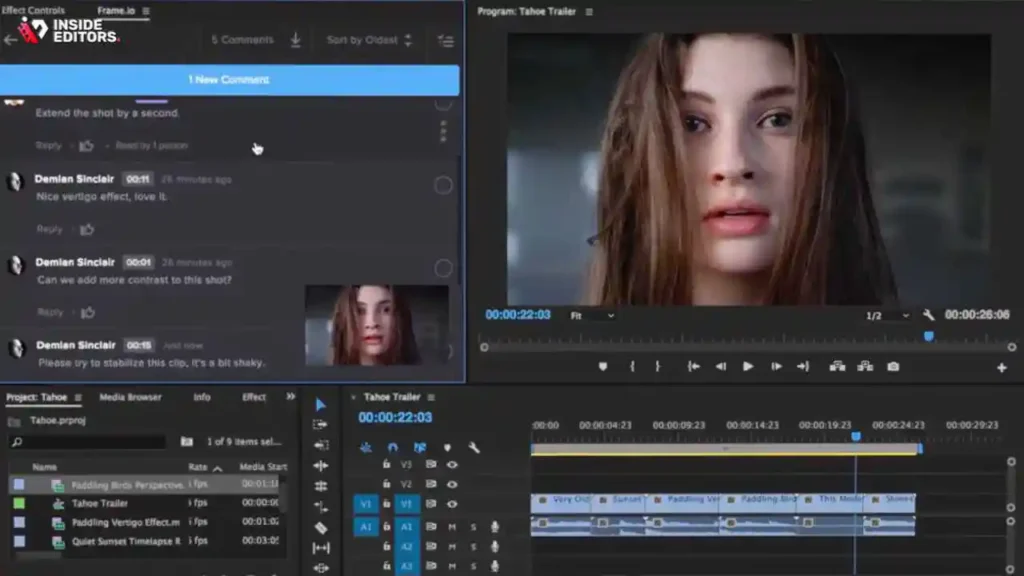
The revision process is a critical checkpoint that ensures the final video meets the client’s expectations and strategic goals. A structured, efficient review cycle saves time and prevents endless back-and-forth edits.
Establishing a Clear Revision Workflow
Before starting the project, define the number of revision rounds included in the contract (e.g., two major rounds and one minor polish). Provide clear guidelines on how feedback should be submitted (e.g., time-coded comments on a shared platform).
Inside Editors streamlines this process by offering unlimited revisions until you are satisfied. This commitment ensures that the final video perfectly aligns with your vision, minimizing stress and maximizing satisfaction. The goal is to move from the initial draft to the final, approved version as efficiently as possible.
Quality Assurance and Technical Specifications
Before final delivery, the video must undergo rigorous Quality Assurance (QA). This involves checking:
- Technical Specs: Is the resolution (e.g., 1080p or 4K), frame rate (e.g., 24fps or 30fps), and codec (e.g., H.264) correct for the intended platform (YouTube, internal server, social media)?
- Audio Levels: Is the audio normalized and consistent across the entire video?
- Visual Consistency: Are the color grading and graphics consistent throughout?
- Legal Checks: Are all music, stock footage, and talent releases secured and documented?
This meticulous QA process is essential for high-stakes video production corporate, ensuring the video performs flawlessly wherever it is deployed. If you are preparing content for a global audience, you may also need to consider video translation and subtitling services to maximize reach and accessibility.
7. Distribution Performance Analysis

A fantastic video that nobody sees is a failure. The final step in successful video production corporate is strategically distributing the content and rigorously analyzing its performance.
Optimizing for Platform and Search
Each distribution channel-YouTube, LinkedIn, your corporate website, or internal training portals-has unique requirements and audience behaviors.
- Social Media: Videos must be short, punchy, and often optimized for silent viewing (using subtitles).
- YouTube/Website: Requires strong SEO optimization, including compelling titles, detailed descriptions, relevant tags, and high-quality thumbnails.
To maximize the reach of your corporate videos, understanding search intent is crucial. This is why many organizations choose to outsource video editing to teams familiar with platform-specific best practices, ensuring the video is formatted and optimized correctly for maximum visibility.
Measuring Return on Investment (ROI)
The success of your video production corporate project is ultimately measured by its impact on your initial strategic goals. Key performance indicators (KPIs) must be tracked:
| Goal | Key Performance Indicators (KPIs) |
|---|---|
| Brand Awareness | Views, Impressions, Social Shares, Time Watched. |
| Lead Generation | Click-Through Rate (CTR) on CTAs, Form Submissions, Conversion Rate. |
| Internal Training | Completion Rate, Quiz Scores, Employee Feedback. |
| Customer Support | Reduction in support calls related to the topic, Self-Service Rate. |
Analyzing this data allows you to understand what resonated with your audience and informs future content strategy. Continuous improvement based on performance metrics is the hallmark of sophisticated video production corporate.
Video Production Corporate Support

Mastering the seven steps of video production corporate-from strategic planning to performance analysis-requires a significant investment of time, expertise, and resources. While internal teams can manage the pre-production and distribution, the technical demands of high-quality production and post-production often necessitate professional assistance.
If your business is growing rapidly or you need to maintain a high volume of professional content, partnering with a dedicated service like Inside Editors offers a scalable, reliable solution.
Why Choose Inside Editors for Your Corporate Video Needs?
We specialize in taking your raw footage and transforming it into professional, high-impact corporate assets. Our key strengths are designed to support the demanding pace of corporate content creation:
- Expertise: Our team consists of professional editors with 10+ years of experience, ensuring every edit is technically flawless and strategically sound.
- Speed: We guarantee fast turnaround times (24-72 hours) so you can deploy your content quickly.
- Quality Assurance: We include professional color grading, audio enhancement, and unlimited revisions until you are completely satisfied.
- Affordability: Starting at competitive pricing per video, we provide a cost-effective alternative to hiring full-time in-house staff, making professional quality accessible.
By entrusting the post-production phase to Inside Editors, you free up your internal marketing and production teams to focus on strategy, scripting, and distribution-the areas where your unique business insights are most valuable. We handle the technical heavy lifting, ensuring your video production corporate efforts consistently deliver professional results that build trust and drive business goals.
Ready to streamline your video workflow and guarantee professional quality? Explore our services today and see how we can become an extension of your content team.
Frequently Asked Questions
What is the most crucial first step?
The most crucial first step in corporate video production is defining the objective and target audience. A clear goal, whether it’s lead generation or internal training, dictates the content and style. This foundational planning ensures your corporate video aligns with business strategy and delivers measurable results.
How long does a typical corporate video take?
The timeline for corporate video production varies significantly, usually spanning 4 to 12 weeks. Simple testimonial videos might take less time, while complex animated or high-end brand films require more extensive pre-production, filming, and post-production phases. Planning is key to hitting deadlines.
Why is scripting important for success?
A detailed script or storyboard is essential because it serves as the blueprint for the entire project. It locks down messaging, ensures compliance, and controls the video’s length, preventing costly reshoots. Effective scripting streamlines the entire corporate video production process.
Should we hire an in-house team or outsource?
Outsourcing corporate video production often provides higher quality and scalability, especially for complex projects. While an in-house team offers familiarity, external agencies bring specialized equipment, diverse creative expertise, and established workflows, often saving time and budget in the long run.
What role does distribution play in success?
Distribution is critical; a great video fails if no one sees it. Success requires planning where the video will live (e.g., website, social media, internal portals) and optimizing it for each platform. Effective distribution ensures maximum ROI for your corporate video content.


