

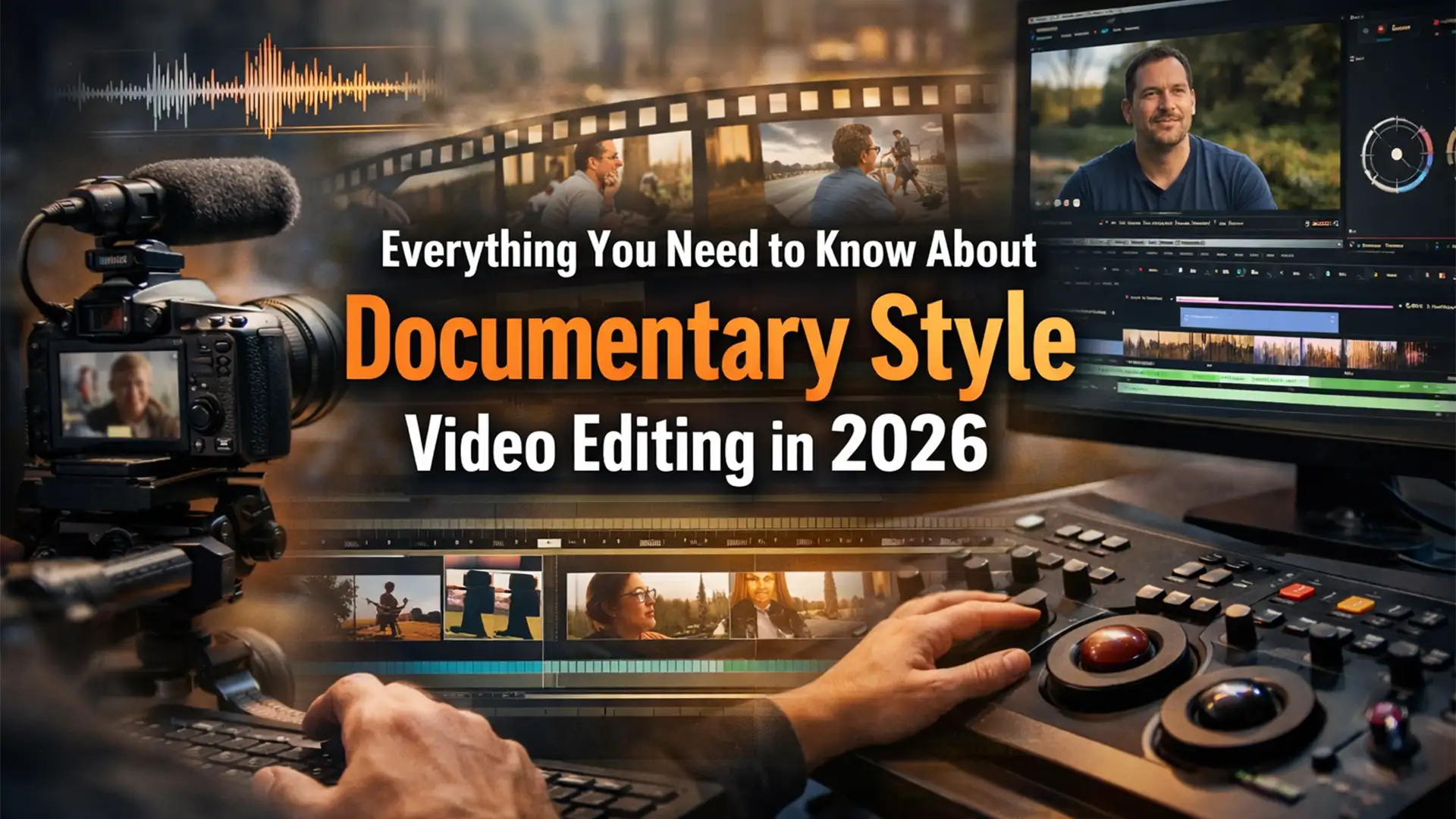
Documentary style video editing has changed a lot over the years, but its core purpose is still the same: telling real stories in an honest, emotional, and engaging way. In 2026, audiences are more curious, more informed, and more selective than ever before. They don’t just want polished visuals. They want authenticity. They want stories that feel real, human, and meaningful. This is exactly why documentary style video editing continues to grow in popularity across films, YouTube, brand storytelling, journalism, education, and even social media.
When people search for documentary style video editing, they are usually looking for guidance. They want to understand how it works, why it feels different from other editing styles, and how editors shape raw footage into powerful narratives. Whether you are a filmmaker, content creator, business owner, or just someone interested in visual storytelling, understanding documentary style video editing will help you see videos in a completely new way.
In this guide, we will walk through everything you need to know about documentary style video editing in 2026. We will keep things simple, conversational, and practical. No complicated jargon, no confusing theory, just clear explanations that feel like a friendly chat. Let’s start by understanding what this editing style really means today.
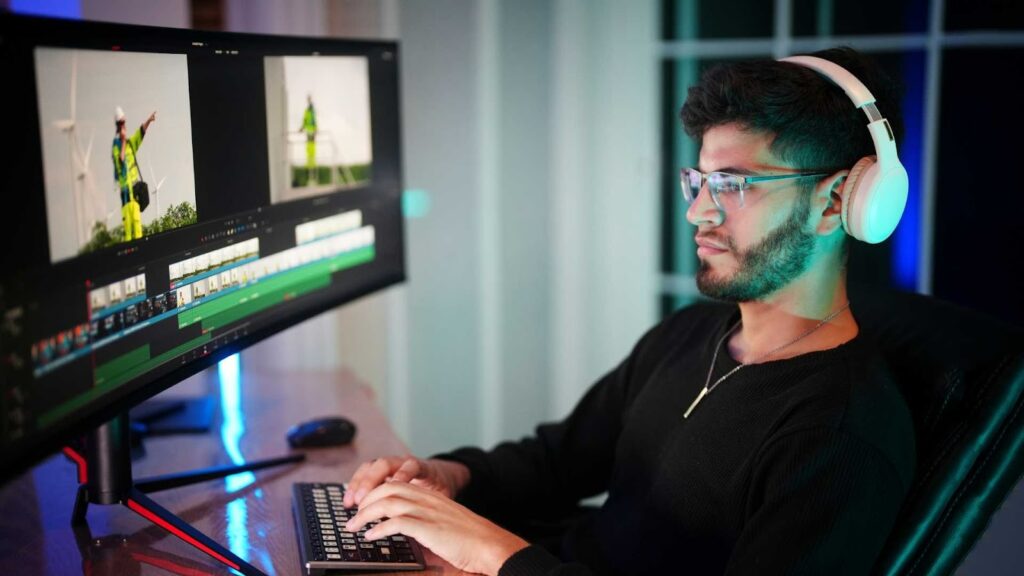
What Is Documentary Style Video Editing?
Documentary style video editing is the process of shaping real-life footage into a story without losing its authenticity. Unlike scripted videos or cinematic commercials, this style focuses on real moments, natural dialogue, and emotional truth. The editor’s role is not to create drama artificially, but to discover it within the footage.
In 2026, documentary style video editing is no longer limited to traditional documentaries. You will see it used in YouTube vlogs, brand documentaries, nonprofit videos, podcasts, interviews, travel films, and even corporate storytelling. The common thread is realism. The edits feel natural, the pacing feels intentional, and the story unfolds in a way that respects the subject.
A good documentary edit does not scream for attention. Instead, it quietly pulls the viewer in. Cuts are motivated by emotion, not flashy effects. Music supports the story rather than overpowering it. Silence is sometimes just as important as sound. This is why documentary style video editing requires patience, empathy, and strong storytelling instincts.
Why Documentary Style Video Editing Matters More in 2026
The digital world in 2026 is crowded. People scroll fast, skip ads, and ignore content that feels fake or overly promotional. Documentary style video editing stands out because it feels honest. It builds trust.
Audiences today want to connect with real people and real experiences. They want to see behind the scenes. They want stories that feel unscripted and human. This is one of the biggest reasons brands, creators, and organizations are turning to documentary style video editing instead of traditional marketing videos.
Another reason this editing style matters is longevity. Trend-based edits age quickly. Documentary edits age gracefully. A well-edited documentary-style video can stay relevant for years because it focuses on timeless human emotions rather than short-term visual trends.
In 2026, algorithms may change, platforms may evolve, but storytelling remains constant. Documentary style video editing is built on storytelling, which is why it continues to be valuable across different platforms and industries.
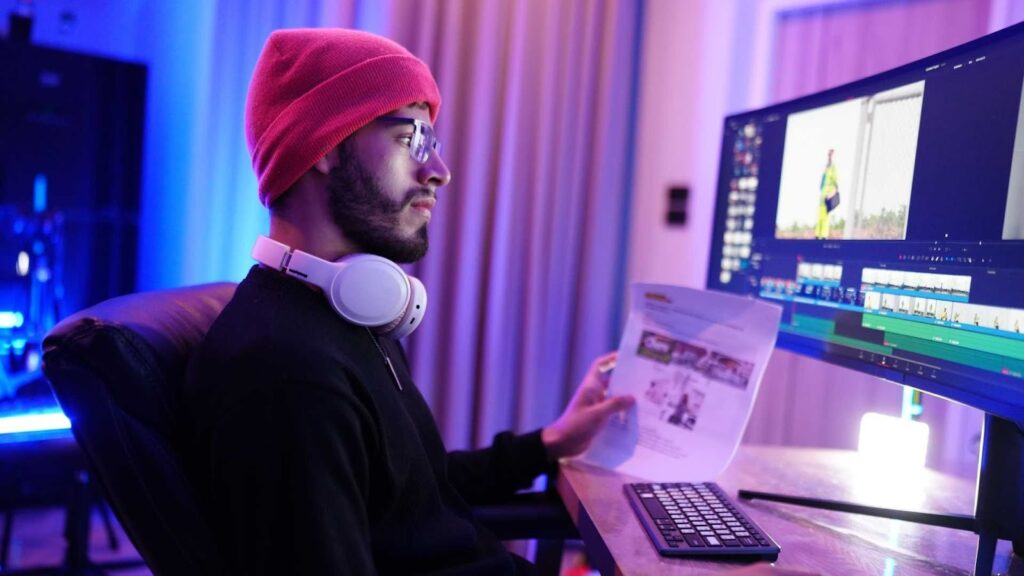
The Core Principles of Documentary Style Video Editing
At its heart, documentary style video editing follows a few simple but powerful principles. The first is authenticity. Every cut, transition, and sound choice should serve the truth of the story. If an edit feels forced or manipulative, the audience will sense it immediately.
The second principle is narrative clarity. Real life is messy. Footage often comes in long, unstructured clips. The editor’s job is to find a clear story within that chaos. This does not mean changing reality, but organizing it in a way that makes sense to the viewer.
The third principle is emotional flow. Documentary style video editing pays close attention to how scenes make the viewer feel. The pacing, the pauses, the choice of reactions, and even the order of shots all influence emotion. A strong editor knows when to slow down and when to move forward.
Finally, there is respect for the subject. Documentary editors are storytellers, but they are also caretakers of real people’s stories. Ethical editing is more important than ever in 2026, especially when content spreads quickly online.
How Documentary Style Video Editing Starts Before the Timeline
One important thing many beginners don’t realize is that documentary style video editing begins long before you open your editing software. It starts with understanding the purpose of the video and the story you want to tell.
In 2026, editors often work closely with directors, producers, or content creators even before filming ends. Knowing what the story is about helps the editor recognize important moments during the edit. Even if the footage is already shot, spending time watching everything carefully is a crucial first step.
Logging footage, creating rough selects, and identifying emotional beats are all part of documentary style video editing. This phase may not look exciting, but it is where the foundation of the story is built. Rushing this step often leads to weak or confusing edits.

The Role of Interviews in Documentary Style Video Editing
Interviews are often the backbone of documentary storytelling. In documentary style video editing, interviews are not just about information. They are about emotion, tone, and perspective.
In 2026, editors use interviews more creatively than ever. Instead of relying on long talking-head segments, editors break interviews into emotional soundbites and weave them throughout the story. These pieces help guide the narrative while visuals support what is being said.
Good documentary style video editing also pays attention to pauses, breaths, and natural speech patterns. Not every “um” needs to be removed. Sometimes those small imperfections make the story feel more human and relatable.
Using B-Roll to Strengthen the Story
B-roll is essential in documentary style video editing. It shows the world of the subject and adds visual depth to the story. In 2026, audiences expect B-roll to feel intentional, not random.
Strong documentary edits use B-roll to reinforce emotions and themes. A quiet moment can be supported by subtle visuals. A powerful statement can be enhanced by meaningful imagery. The goal is not to decorate the video, but to deepen the viewer’s understanding.
Editors also use B-roll to control pacing. Cutting away from interviews at the right moments keeps the video engaging and helps maintain emotional rhythm. This balance is one of the key skills in documentary style video editing.
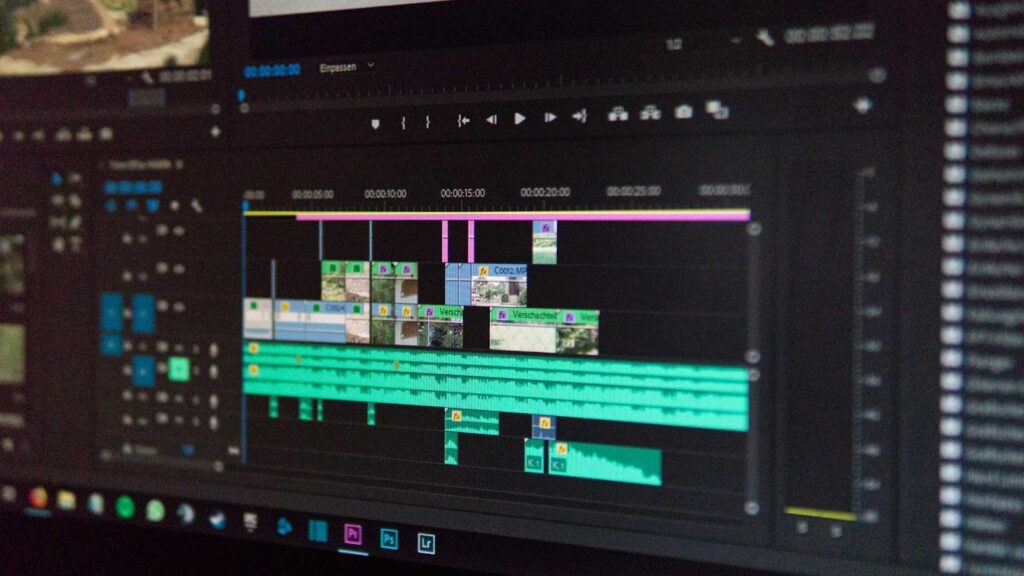
Sound Design and Music in Documentary Editing
Sound plays a huge role in documentary style video editing, especially in 2026 when audiences often watch with headphones. Clean dialogue is a priority. Background noise is controlled, but not always eliminated, because natural sound adds realism.
Music in documentary edits is subtle and supportive. It sets mood without telling the audience how to feel. Many editors choose minimal, atmospheric tracks that blend naturally with the story. Silence is also used intentionally to create space for reflection.
Sound design, such as ambient noise or location audio, helps place the viewer inside the story. These details may seem small, but they make a big difference in how real and immersive the video feels.
How Technology Shapes Documentary Style Video Editing in 2026
Technology has made documentary style video editing more accessible than ever. AI-assisted tools help with transcription, rough cuts, and organization, allowing editors to focus more on storytelling. However, technology does not replace human judgment.
In 2026, the best documentary editors use technology as a support system, not a shortcut. Automated tools may help speed up workflows, but emotional storytelling still requires human intuition. Knowing which moment matters and why is something no algorithm can fully understand.
Cloud-based collaboration has also changed how documentary style video editing works. Teams can now work together from different locations, review edits in real time, and give feedback more efficiently. This has opened the door for more diverse stories and global collaboration.
Common Mistakes to Avoid in Documentary Style Video Editing
One common mistake is over-editing. Adding too many effects, transitions, or music cues can distract from the story. Documentary style video editing thrives on simplicity.
Another mistake is ignoring pacing. Real stories still need structure. If the edit drags or feels rushed, viewers will lose interest. Finding the right rhythm takes time and careful attention.
A third mistake is losing objectivity. Editors can become emotionally attached to certain scenes, but not every moment belongs in the final cut. Strong documentary editing requires tough decisions for the sake of the story.
Why Professional Documentary Editing Still Matters
Even with modern tools, documentary style video editing remains a craft. It requires storytelling experience, technical skill, and emotional sensitivity. This is why many creators and businesses choose to work with professional editing teams.
A professional editor knows how to turn hours of raw footage into a clear, compelling narrative. They understand pacing, sound, structure, and audience expectations. In 2026, when attention spans are short, this expertise is more valuable than ever.
Final Thoughts and How Inside Editors Can Help
Documentary style video editing is not about perfection. It is about truth, connection, and storytelling. In 2026, this editing style continues to shape how stories are told across platforms and industries. Whether you are creating content for education, branding, journalism, or personal projects, understanding documentary style video editing will help you communicate more powerfully.
If you want your story to feel real, emotional, and professionally crafted, working with an experienced editing team makes a huge difference. At Inside Editors, we specialize in high-quality video editing services, including documentary style video editing that connects with audiences on a human level. We focus on storytelling, clean visuals, and natural flow, so your message feels authentic and engaging.
To learn more about our video editing services, you can visit insideeditors and explore how we help creators, filmmakers, and brands bring real stories to life.


