

Editing a documentary is not just about cutting clips and adding music. It is about shaping reality into a meaningful story that feels honest, emotional, and engaging. If you are searching for How to Edit a Documentary Video, you are probably working with hours of raw footage and wondering how to turn it into something people actually want to watch. You are not alone. Documentary editing can feel overwhelming, especially in the beginning.
The good news is that documentary editing is a process you can learn step by step. You do not need fancy effects or complicated tricks. What you really need is a clear approach, patience, and an understanding of how stories work. When you understand How to Edit a Documentary Video properly, your edit becomes smoother, your message becomes clearer, and your audience stays connected from the first frame to the last.
In this guide, I will walk you through How to Edit a Documentary Video from raw footage to final cut in a simple, human way. This article is written as if we are sitting together, talking through the process. Whether you are a beginner filmmaker, a YouTuber, a student, or a brand creating a documentary-style video, this guide will help you build confidence and structure in your edit.
Understanding the Purpose of Your Documentary Before Editing
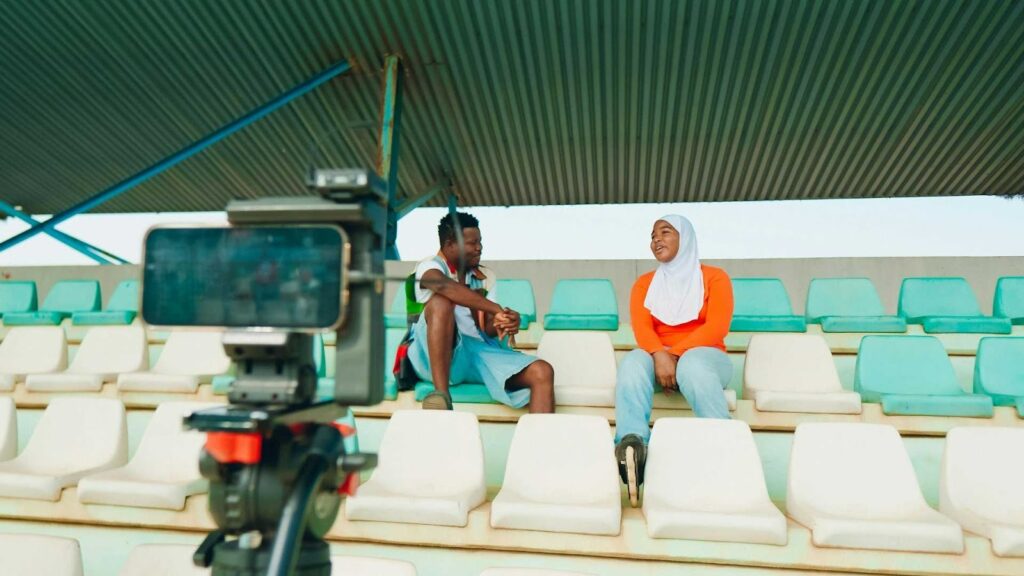
Before you even open your editing software, you need to be clear about one thing: why this documentary exists. This step is often skipped, but it is critical when learning How to Edit a Documentary Video. A documentary is not just a collection of interviews and b-roll. It is a story with a point of view.
Ask yourself what the core message is. What should the viewer feel or understand by the end? Is it awareness, inspiration, education, or emotional connection? When you know the purpose, every editing decision becomes easier. You will know what to keep, what to cut, and what does not serve the story.
At this stage, it helps to rewatch your footage without editing. Take notes as you watch. Write down moments that feel real, emotional, or powerful. These moments are the backbone of your documentary and will guide you as you move forward in the editing process.
Organizing Raw Footage the Smart Way
One of the most important but boring parts of How to Edit a Documentary Video is organizing your footage. Trust me, this step saves hours of frustration later. Documentary projects often include interviews, b-roll, ambient sound, archival clips, and sometimes phone footage. If everything is messy, editing becomes slow and confusing.
Start by creating folders for interviews, b-roll, audio, music, and graphics. Rename clips clearly so you know what is inside without opening them. Label interview clips with the speaker’s name and topic if possible. When you are deep into the edit, this organization will feel like a blessing.
Inside your editing software, create bins or folders that match your file structure. Good organization allows you to focus on storytelling instead of searching for files. This step alone can dramatically improve your experience of How to Edit a Documentary Video.
Reviewing Interviews and Finding the Story
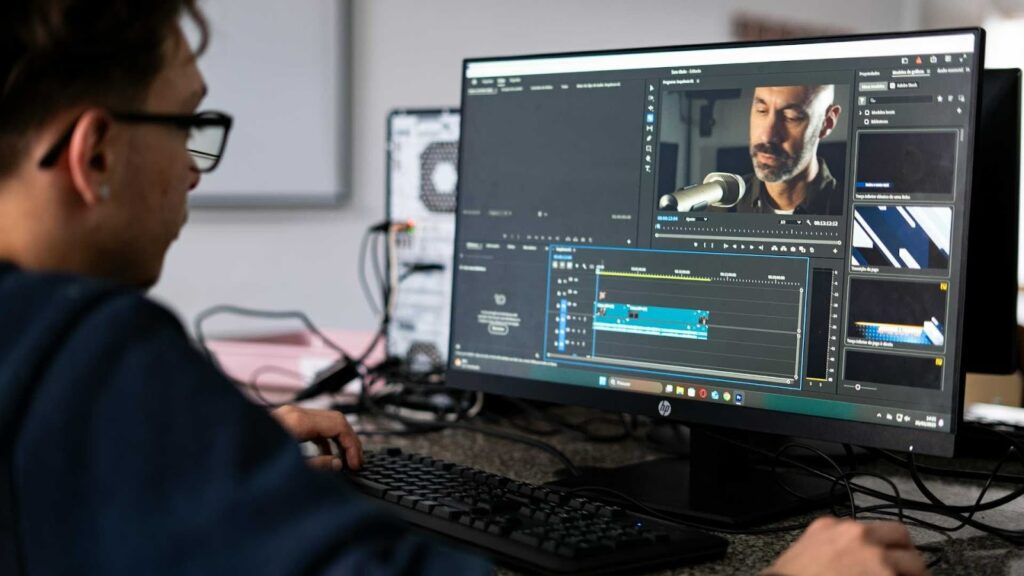
Interviews are usually the heart of a documentary. When learning How to Edit a Documentary Video, this is where real storytelling begins. Watch all interviews carefully, even if it takes time. Listen for strong statements, emotional moments, and natural story arcs.
As you watch, pull out the best soundbites. These are short sections where the speaker explains something clearly or emotionally. Do not worry about order yet. Just collect the strongest moments. Think of this as gathering ingredients before cooking.
Once you have selected key soundbites, start arranging them in a rough order. This is often called a radio edit because it focuses on audio first. At this stage, visuals do not matter much. You are building the story using voices and ideas. This approach is a core principle of How to Edit a Documentary Video effectively.
Creating a Rough Cut That Focuses on Story
The rough cut is not meant to be perfect. It is meant to exist. Many editors get stuck here because they want everything to look polished too early. When understanding How to Edit a Documentary Video, you must accept that the rough cut will feel messy.
Place your interview soundbites on the timeline in a way that tells a clear story. Add basic b-roll to cover cuts or support what is being said. Do not worry about music, color, or transitions yet. Focus only on clarity and flow.
Watch your rough cut from start to finish. Does it make sense? Is the message clear? Are there boring sections that feel too long? This is where you start shaping the documentary into something watchable. Editing is rewriting, and the rough cut is your first draft.
Using B-Roll to Support and Enhance the Story
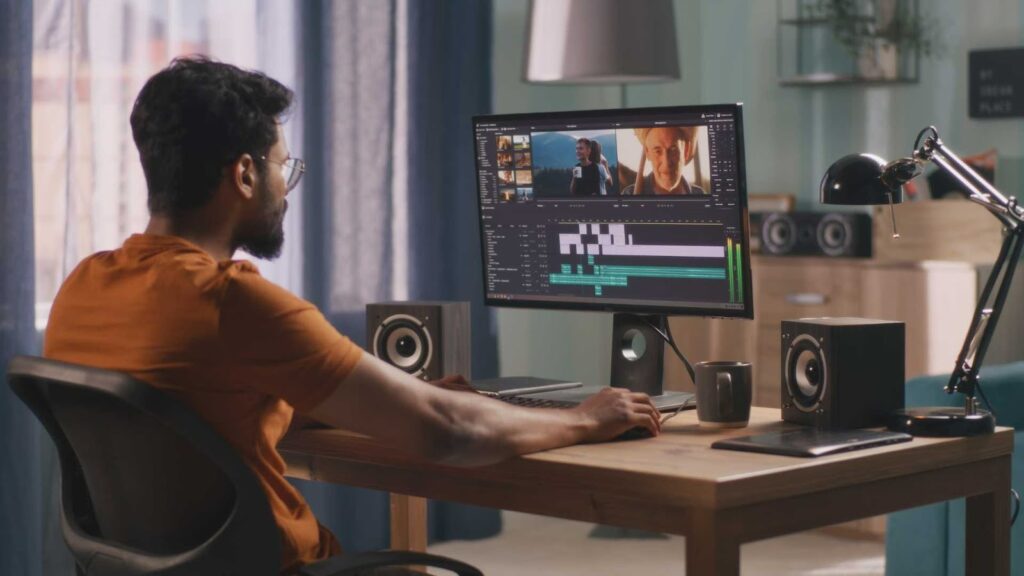
B-roll is what makes a documentary visually engaging. It shows context, emotion, and environment. When learning How to Edit a Documentary Video, using b-roll correctly is essential. B-roll should not be random or decorative. It should support what the speaker is saying.
For example, if someone talks about their daily routine, show them working, walking, or interacting with others. If the topic is emotional, choose shots that reflect that mood. Good b-roll makes the documentary feel alive and real.
Avoid overusing b-roll just to hide cuts. Let some moments breathe. Sometimes a simple pause or a natural jump cut can feel more authentic. Documentary editing is about balance, and understanding this balance is key to mastering How to Edit a Documentary Video.
Refining the Edit and Improving Pacing
Once the rough cut feels solid, it is time to refine. This stage is where your documentary starts to feel professional. Watch the video again and focus on pacing. Are some scenes dragging? Are others too rushed? Adjust clip lengths until the rhythm feels natural.
Good pacing keeps viewers engaged without overwhelming them. Silence can be powerful. So can slow moments. Do not be afraid to cut content you love if it does not serve the story. This is one of the hardest lessons in How to Edit a Documentary Video, but also one of the most important.
At this point, show your edit to someone else if possible. Fresh eyes can spot confusion or boredom that you might miss. Feedback helps you see your documentary from the viewer’s perspective.

Adding Music and Natural Sound Carefully
Music plays a subtle but powerful role in documentary editing. When thinking about How to Edit a Documentary Video, music should support emotion, not manipulate it too heavily. Choose music that fits the tone of your story and does not overpower dialogue.
Place music gently under scenes and fade it naturally. Let important moments breathe without music if needed. Also pay attention to natural sound like footsteps, room tone, or background noise. These sounds add realism and immersion.
Clean audio is critical. Make sure dialogue is clear and consistent in volume. Poor audio can ruin even the best documentary, so never rush this part of the process.
Color Correction and Final Touches
Color correction is where your documentary gets a polished look. This does not mean heavy filters or dramatic grading. When learning How to Edit a Documentary Video, the goal is consistency and realism. Match exposure and color between shots so everything feels cohesive.
Fix basic issues like white balance, brightness, and contrast. Keep skin tones natural. Documentary audiences value authenticity, so avoid over-stylizing unless it fits the story.
Add simple titles or lower thirds if needed to introduce people or locations. Keep them clean and readable. Final touches should enhance clarity, not distract from the story.
Building Emotional Flow in a Documentary
One of the most overlooked parts of How to Edit a Documentary Video is emotional flow. A documentary should not feel flat from beginning to end. Just like a good conversation, it should rise, slow down, and rise again. Emotional pacing keeps viewers engaged and connected.
Pay attention to how each scene makes the viewer feel. If several heavy moments appear back-to-back, the audience may feel overwhelmed. In that case, adding a quieter scene or lighter moment can help reset the emotional balance. On the other hand, if everything feels too calm, the documentary may become boring.
Editing is about feeling, not just logic. Watch your documentary and notice your own reactions. If you feel distracted, tired, or confused, your audience probably will too. Learning How to Edit a Documentary Video at a deeper level means trusting emotional instincts as much as technical skills.
Strengthening the Narrative Arc
Even though documentaries are based on real events, they still need a clear narrative arc. This is a key concept in How to Edit a Documentary Video. A strong documentary usually has a beginning that sets context, a middle that explores conflict or depth, and an ending that offers resolution or reflection.
The beginning should introduce the subject and make the viewer curious. The middle should explore challenges, questions, or discoveries. The ending should leave the audience with understanding, emotion, or something to think about. This does not mean forcing drama where it does not exist. It means arranging real moments in a way that feels purposeful.
Sometimes the story only becomes clear during editing. Do not be afraid to restructure your documentary if a better narrative emerges. Flexibility is an essential skill when mastering How to Edit a Documentary Video.
Knowing What to Cut and Why It Matters
Cutting footage is one of the hardest but most important parts of How to Edit a Documentary Video. You might love a certain interview moment or beautiful shot, but if it does not serve the story, it weakens the documentary.
Ask yourself simple questions. Does this clip move the story forward? Does it add new information or emotion? If the answer is no, it probably needs to go. Cutting does not mean losing value. It means focusing the viewer’s attention on what truly matters.
Professional editors cut aggressively, but thoughtfully. They protect the story, not individual clips. This mindset shift is crucial if you want to grow in documentary editing.
Avoiding Common Documentary Editing Mistakes
Many beginners struggle with the same mistakes when learning How to Edit a Documentary Video. One common issue is overexplaining. Trust your audience. You do not need to explain everything with dialogue or text. Sometimes visuals and silence communicate more powerfully.
Another mistake is overusing effects or transitions. Documentaries usually benefit from simplicity. Fancy transitions can distract from the story and reduce authenticity. Clean cuts often feel more honest and professional.
Poor audio balance is another frequent problem. Inconsistent volume or background noise can ruin the viewing experience. Always prioritize clear dialogue and balanced sound levels.
Using Titles, Graphics, and Text the Right Way
Text elements can be helpful, but they should be used carefully in How to Edit a Documentary Video. Titles, lower thirds, and captions should clarify information, not overwhelm the viewer.
When introducing a person, use a simple lower third with their name and role. Keep fonts clean and readable. Avoid long paragraphs of on-screen text. If something needs a long explanation, it is usually better delivered through narration or interviews.
Graphics should match the tone of the documentary. A serious topic needs restrained design, while a creative topic may allow more visual expression. Consistency is key.
Advanced Audio Storytelling Techniques
Audio is half the documentary experience, sometimes more. A big part of How to Edit a Documentary Video at a professional level is understanding audio storytelling. Layering sound can add depth and realism.
Use ambient sound to transition between scenes. Let room tone fill gaps so cuts feel natural. Use music to guide emotion subtly, not aggressively. Silence can also be powerful when used intentionally.
If possible, clean audio using noise reduction and equalization tools. Good audio does not draw attention to itself. It simply feels right.
Making the Documentary Feel Authentic
Authenticity is the soul of documentary filmmaking. When thinking about How to Edit a Documentary Video, always ask whether your choices respect the truth of the subject. Avoid manipulating footage to create false meaning.
Let people speak in their own words. Keep natural pauses when appropriate. Do not over-polish moments that are meant to feel raw. Viewers connect deeply with honesty, even when it feels imperfect.
An authentic documentary builds trust with its audience. Once trust is broken, it is hard to recover. This is why ethical editing matters so much in documentary work.
Final Review and Quality Control
Before calling your project finished, do a final quality check. This step is often rushed, but it is essential in How to Edit a Documentary Video. Watch the entire documentary without stopping. Pretend you are a first-time viewer.
Check for spelling errors in titles, audio pops, color mismatches, or awkward cuts. Make sure the story flows smoothly from start to finish. Small issues can add up and reduce the professional feel of your work.
If possible, watch it on different devices like a phone and a laptop. This helps you catch issues related to sound and visuals that may not appear on your main screen.
Preparing the Documentary for Publishing
Once your final cut is ready, export it in the correct format for your platform. Different platforms require different settings, and understanding this is part of How to Edit a Documentary Video for real-world use.
Keep a high-quality master file stored safely. You may need it later for re-exports, festivals, or future updates. Proper file management is a professional habit that saves time and stress.
Why Professional Documentary Editing Makes a Difference
Editing a documentary is time-consuming and emotionally demanding. While learning How to Edit a Documentary Video is incredibly valuable, there are times when working with professionals makes sense. Experienced editors bring objectivity, technical skill, and storytelling experience to your project.
They can see the story clearly, make tough decisions faster, and deliver a polished result that meets industry standards. This is especially important for brands, filmmakers, and organizations that want their message to be taken seriously.
Let Inside Editors Handle Your Documentary Editing
If you want your documentary to look professional, feel authentic, and connect deeply with viewers, Inside Editors is ready to help. We specialize in video editing services, including documentary editing, interview-based storytelling, and long-form content.
Our team understands How to Edit a Documentary Video from both a technical and emotional perspective. We take your raw footage and turn it into a compelling final cut that respects your story and engages your audience.
Visit insideeditors to learn more about our video editing services and see how Inside Editors can support your next documentary project with care, creativity, and professionalism.


