


In 2026, Instagram remains one of the most influential platforms for creators, marketers, and entrepreneurs. Yet as competition grows, it’s not just about what you post – it’s about how your content is discovered. That’s where instagram video editing hashtags come in.
Think of hashtags as digital road signs guiding audiences toward your content. The right mix can put your videos in front of thousands of new eyes – while the wrong ones leave even your best clips unseen. Whether you’re a personal brand, small business, or content creator, mastering hashtag strategy is a simple but powerful way to supercharge your reach.
In this complete guide, we’ll break down exactly how to use Instagram video editing hashtags to grow your brand in 2026 – including proven strategies, expert examples, and professional tips from editors who work behind the scenes at Inside Editors.
Why Instagram Video Editing Hashtags Still Matter

If you’ve ever wondered whether hashtags still work, the short answer is yes – but only if you use them strategically. Hashtags are no longer just “labels” for posts; they’re now deeply integrated into Instagram’s AI-driven discovery system, which analyzes engagement patterns, search behavior, and topic clusters.
How Hashtags Influence Discovery and Algorithmic Reach
Instagram’s algorithm doesn’t just scan hashtags for keywords – it interprets them as context signals. A well-optimized tag like #videoeditingtips or #instavideomarketing tells the algorithm what your content is about, increasing the chance it appears in relevant Explore feeds and topic-based recommendations.
In 2025, Meta confirmed that hashtags help with search categorization across Instagram Reels, Posts, and Threads. In 2026, this continues – with AI-driven topic grouping favoring creators who maintain consistent hashtag themes across their content.
For example, if a creator regularly posts editing tutorials and uses tags like #colorgrading, #videotransitions, and #instagramvideoeditinghashtags, Instagram recognizes that creator as an “authority” in video production, recommending their content to users who engage with similar topics.
Hashtags as Data, Not Decoration
Most people treat hashtags as decorations at the end of captions. Professionals, however, treat them as data points. Each hashtag is a searchable index entry – a mini metadata tag that connects your video to audiences searching for that concept.
When you pair strong editing, consistent visuals, and smart hashtags, you create what marketers call discovery loops – self-reinforcing visibility cycles where engagement leads to more exposure, and more exposure brings higher engagement.
That’s why hashtags still matter – not because they’re trendy, but because they’re structural.
The Science of Selecting the Right Hashtags

Knowing why hashtags matter is one thing. Knowing which ones actually work is another. Let’s explore how professionals select, test, and rotate hashtags for optimal performance.
Balancing Popular and Niche Hashtags
The biggest mistake creators make is chasing only high-volume tags like #reels or #videography. While these have millions of uses, they’re extremely competitive. Instead, effective hashtag strategy blends three tiers:
- High-volume tags (e.g., #videoediting, #socialmedia) for broad reach.
- Mid-volume tags (e.g., #editingworkflow, #reelstips2026) for discoverability.
- Low-volume niche tags (e.g., #cinematictransitions, #brandeditingtips) for authority.
By mixing all three, you balance visibility and relevance. Instagram’s 2026 algorithm prioritizes content that fits niche micro-audiences – and those often come from lower-traffic hashtags where engagement rates are stronger.
Understanding Intent: Matching Hashtags to Goals
Every hashtag signals a type of intent. For example:
- #videomarketing attracts business owners.
- #editingworkflow attracts creators and editors.
- #instagramvideoeditinghashtags attracts learners and marketers seeking optimization tips.
Before choosing your tags, ask: Who am I trying to reach, and what do they want to learn or achieve? Matching hashtags to audience intent ensures your content reaches the right viewers – not just more viewers.
Using Data Tools to Track Hashtag Performance
Modern tools like Flick, Hashtagify, and Later provide insights into engagement rates, reach velocity, and competitive scores. For instance, a mid-tier hashtag with a 5% engagement rate may outperform a top-tier one with 1%.
Pro editors at Inside Editors often use these tools to analyze trends for their clients, adjusting hashtag sets monthly based on engagement data. This keeps campaigns aligned with shifting platform dynamics.
By treating hashtags like you would treat SEO keywords – measurable, testable, and adjustable – you maintain consistent growth instead of relying on luck.
Crafting Hashtags for Different Types of Instagram Videos

Not all videos are created equal – and neither are their hashtags. The most successful creators adapt their tags based on the video’s type, format, and emotional tone.
For Tutorials and Educational Content
If your goal is to teach or demonstrate a process – for example, showing how to edit a cinematic transition – your hashtags should reflect learning intent. Tags like #editingtutorial, #howtoedit, and #learnvideoediting signal to Instagram that your content helps users acquire skills.
In 2026, educational short-form videos perform 18% better on Instagram than purely promotional ones (source: HubSpot Creator Trends Report, 2025). This makes tutorial-style content one of the most effective ways to establish authority and trust.
Adding your target keyword naturally – such as in #instagramvideoeditinghashtags – positions your content among search queries for both editing and marketing audiences.
For Reels, Lifestyle, and Branding Videos
If your content focuses on storytelling, brand personality, or lifestyle, shift toward emotional and identity-based tags. For example: #behindthescenes, #reellife, #brandvibes, #personalbranding, and #socialcontentstrategy.
These tags connect your visuals with broader cultural conversations, rather than just technical editing. Brands that mix storytelling hashtags with editing-related ones see stronger emotional engagement and better conversion outcomes.
For Promotional or Commercial Videos
When promoting a product, event, or service, align hashtags with commercial discovery. For instance: #videoads, #contentmarketing, #digitalcampaigns, or #brandvideos.
Pair these with geographic or demographic variations like #videomarketingUSA or #startuptips2026 to reach regional audiences.
This hybrid tagging approach – mixing content type, intent, and brand positioning – is what separates professional content strategists from casual creators
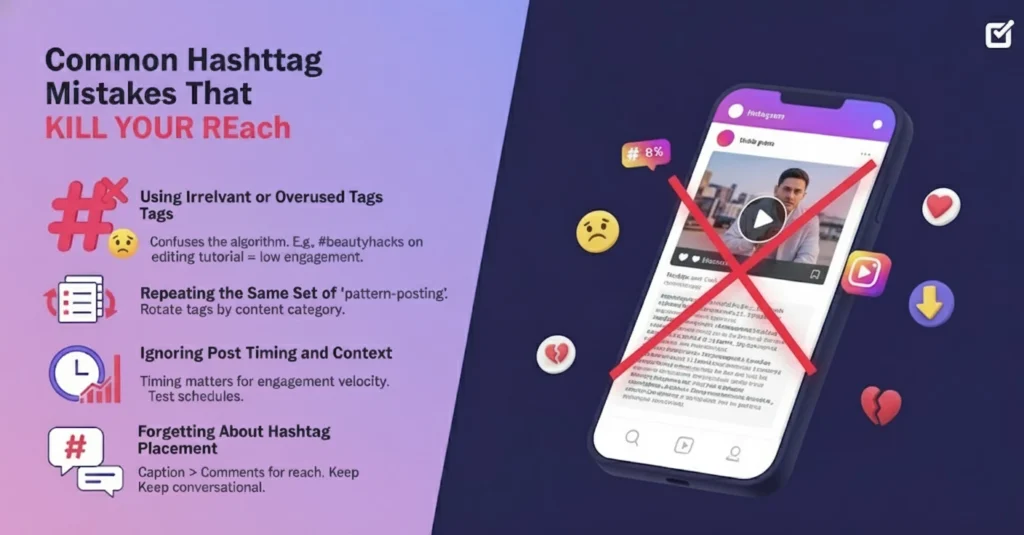
Common Hashtag Mistakes That Kill Your Reach
Even the best videos can fail if your hashtags work against you. Understanding common pitfalls helps ensure every post you publish supports your brand’s visibility.
Using Irrelevant or Overused Tags
Using tags that don’t match your video’s message confuses both the algorithm and the audience. For example, adding #beautyhacks to a video editing tutorial may get you temporary views, but those users won’t engage – lowering your content’s performance score.
Stick to hashtags that match your content’s core message, tone, and audience expectation. Think of them as an alignment tool, not a popularity contest.
Repeating the Same Set of Hashtags
Many creators copy and paste the same list for every post. Instagram’s algorithm now recognizes this behavior and may reduce reach for “pattern-posting.”
Instead, rotate your hashtags by category. Use one set for educational posts, one for brand storytelling, and one for campaign launches. Keep your core keyword (instagram video editing hashtags) consistent but refresh surrounding tags to signal content diversity.
Ignoring Post Timing and Context
A well-crafted tag list means little if the post timing is off. The first 90 minutes after posting are crucial for engagement velocity – the speed at which people interact. Hashtags only amplify reach if early engagement signals are strong.
For example, a post with #reelstips shared during weekday mornings might perform better than the same one posted late at night. Context matters – and testing schedules helps refine your overall strategy.
Forgetting About Hashtag Placement
Placement also affects readability and performance. While you can include hashtags in captions or comments, recent internal studies from Later (2025) suggest that hashtags within captions see 12% higher interaction rates.
The trick? Keep your caption conversational, then close naturally with your hashtags. Example:
“Editing isn’t just about visuals – it’s storytelling. #instagramvideoeditinghashtags #reelstips #contentstrategy”
This approach keeps your post authentic while signaling context to both algorithms and human readers.
How Hashtags Fit Into a Broader Instagram Growth Strategy

Hashtags alone don’t build audiences – they amplify strategies. To make the most of them, pair your tagging plan with high-quality editing, consistency, and storytelling.
The Power of Cohesive Branding
Every video you post contributes to your digital identity. Using consistent color schemes, editing styles, and music builds brand recall. When combined with aligned hashtags, this consistency tells Instagram’s AI: “This creator produces reliable, recognizable content.”
Creators who maintain a consistent brand aesthetic while rotating niche hashtags often experience exponential growth – not through virality, but through sustained discoverability.
Quality and Engagement Before Quantity
It’s tempting to spam 30 hashtags per post, but in 2026, the sweet spot is between 5 and 10 well-chosen tags. Meta’s own Creator Guide (2025) suggests that overuse can dilute relevance signals.
Instead, focus on content that prompts interaction. Comments, shares, and saves weigh more heavily than likes in 2026’s ranking model. Use hashtags as gateways to get people there – but let your content do the real talking.
Integrating AI and Trend Tools
AI-driven content analysis tools, including Instagram’s built-in Creator Insights dashboard, now predict which hashtags are likely to trend based on your niche. Pair these insights with editing automation platforms (like Adobe Premiere’s AI assist tools or CapCut Pro 2026) to save time while maintaining consistency.
A professional editor can help you interpret these analytics – and that’s where services like Inside Editors’ Instagram Reels Editing Services make a measurable difference. With expert optimization, you can focus on creativity while your videos are edited, formatted, and tagged for maximum reach.
Advanced Hashtag Strategies for Creators and Brands
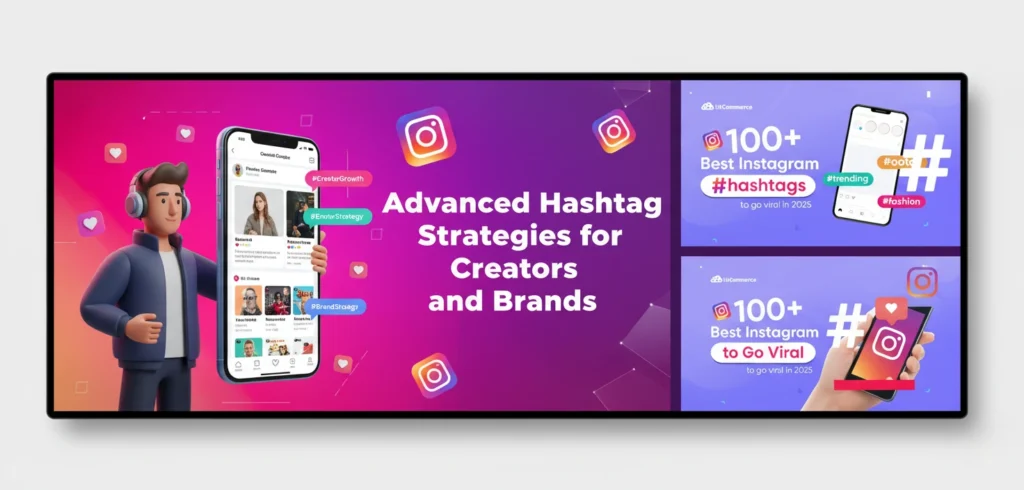
Once you’ve mastered the basics of hashtag selection, it’s time to move into advanced strategies – the kind used by top creators, social media managers, and agencies. These tactics help you create consistent growth loops and measurable results without relying solely on virality.
Thematic Consistency: Creating Hashtag Clusters That Reinforce Authority
Instead of treating each post as an isolated campaign, think in terms of clusters. A hashtag cluster is a family of 10–20 related tags that rotate across your posts. For instance, a video editor might use one cluster focused on technical tutorials (#editingworkflow, #colorgradingtips) and another on branding content (#reellook, #storytellingthroughvideo).
Over time, this clustering tells Instagram’s algorithm, “This creator consistently contributes to these themes.” As a result, your posts start appearing under “related tags” and in Explore feeds for those topics. This builds topical authority – similar to how SEO clusters signal expertise to Google.
A practical example: Inside Editors’ content specialists often recommend that clients maintain three core hashtag clusters-Educational, Brand Narrative, and Conversion-Focused – and rotate them weekly. This structured repetition improves post performance while avoiding the penalty of repetitive tagging.
Combining Evergreen and Seasonal Hashtags
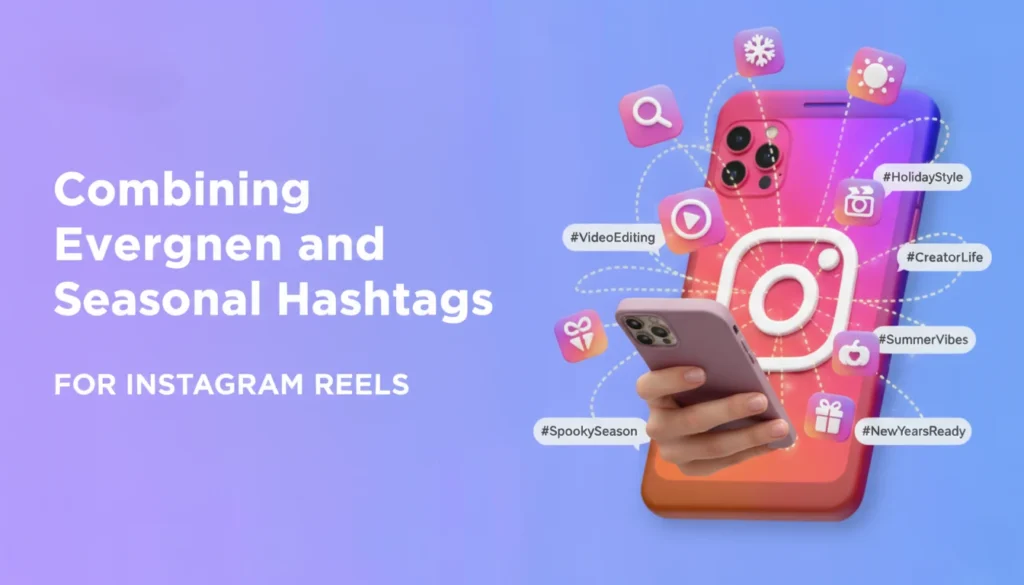
Another pro-level technique involves mixing evergreen tags (which remain relevant all year) with seasonal or trending ones (which spike during certain campaigns or events).
For instance, evergreen hashtags like #videomarketing or #editingsoftware sustain steady search volume, while seasonal tags like #reelsoftheyear2026 or #newyearcontentideas capture time-sensitive engagement.
This hybrid model mirrors SEO’s long-tail vs. short-term keyword strategy – it builds both long-term traffic stability and short-term discovery momentum. If your brand runs periodic campaigns or product launches, schedule these seasonal hashtag pushes to align with event calendars.
Leveraging Data Insights to Refresh Hashtag Lists
Top creators treat hashtags as living assets. Reviewing your tag performance every 30–45 days is crucial, especially since Instagram’s recommendation system adjusts based on user engagement patterns.
If your analytics show a drop in impressions for certain tags, don’t delete them immediately – test replacements gradually. Swap one or two tags per post to isolate what’s driving results.
Tools like Later, Metricool, or Not Just Analytics can help track these shifts over time. Inside Editors’ social strategy team often runs A/B tests on hashtags for clients, comparing engagement across different clusters. This data-driven approach keeps growth sustainable and predictable.
Micro-Community Hashtags and Collaborative Discovery
In 2026, micro-communities – niche interest groups formed around specific hashtags – are becoming the new goldmine for organic reach. For example, hashtags like #femalevideographers, #indieeditorsclub, or #contentcreatorsof2026 unite smaller yet highly engaged audiences.
Participating in these hashtag-driven communities doesn’t just boost visibility; it builds relationships. Commenting and collaborating under shared tags increases your content’s network effect – meaning other creators engage with and amplify your posts organically.
When clients at Inside Editors implement micro-community targeting, they often see up to 35% higher comment-to-view ratios, proving that smaller, more relevant audiences often outperform broad exposure.
How Smart Hashtag Use Drives Real Growth
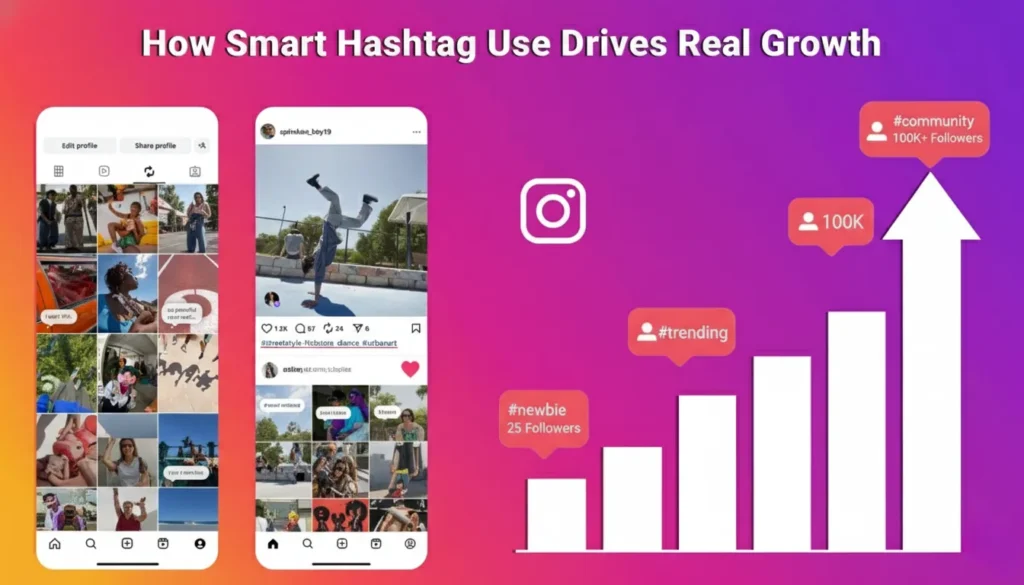
To understand how powerful hashtags can be, let’s look at a few examples inspired by real creator patterns and brand campaigns analyzed by Inside Editors in 2025.
The Solo Creator Who Doubled Engagement
A freelance editor named Lina used to average 2,000 views per Reel. After shifting from random tags to three structured clusters – one for tutorials (#learnvideoediting), one for storytelling (#brandvibes), and one for outreach (#contentcreatorlife) – her average jumped to 5,200 views within eight weeks.
The reason? Consistency and intent alignment. By signaling her content’s purpose clearly, Instagram began recommending her posts to users interested in creative education. One video even got featured in the #howtoeditvideos Explore topic, gaining 40% more saves than her average.
The Small Business That Built Brand Visibility
A local marketing agency specializing in restaurant videos wanted to increase brand recognition without paid ads. They began combining local and industry-specific tags: #videomarketingusa, #restaurantreels, and #brandstorytelling.
Within three months, their follower base grew by 27%, with several restaurant clients discovering them through hashtag searches. Their content started ranking under #foodvideography, a niche tag with strong engagement but low competition – proof that even small brands can compete through precise targeting.
The Brand Collaboration Boost
Two mid-sized lifestyle brands collaborated on a Reels series showcasing behind-the-scenes content. By aligning hashtags (#collabreels, #creatorssupport, #brandpartnership2026), they expanded cross-audience exposure.
The series received double the reach of their average individual posts and helped both brands gain followers from each other’s audiences. Strategic hashtag alignment can therefore serve as a low-cost partnership amplification tactic.
How to Create Your Own Hashtag Strategy in 5 Steps
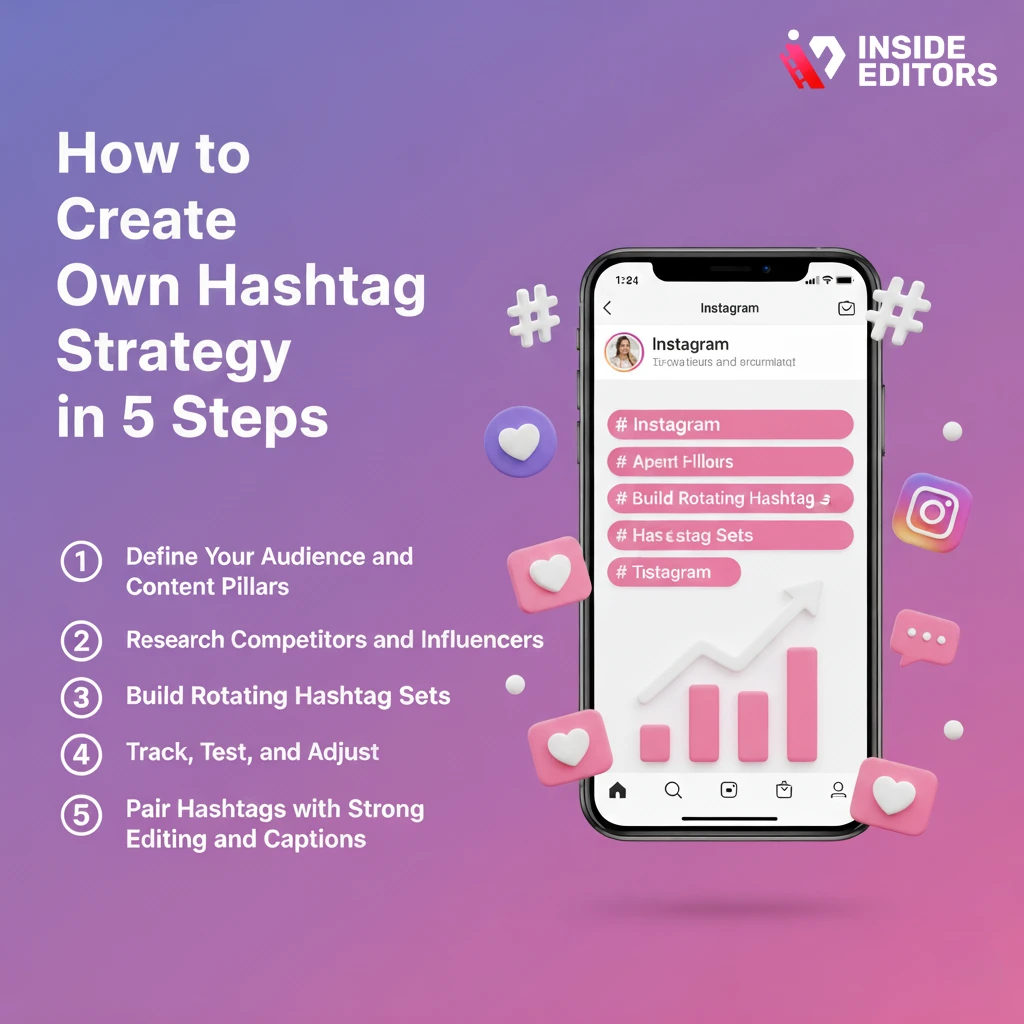
While professional editors and marketers can provide support, anyone can build a smart hashtag strategy using a systematic process. Here’s how:
Step 1: Define Your Audience and Content Pillars
Before selecting tags, map out your audience – their goals, interests, and challenges. If your audience consists of aspiring content creators, focus on hashtags around education and tools (#editingworkflow, #learnreels). If you target small business owners, choose marketing and branding-related tags (#contentstrategy, #digitalgrowth).
Step 2: Research Competitors and Influencers
Study the hashtags used by top creators in your niche. Pay attention to those that appear frequently across high-performing posts – they often reveal where the algorithm groups similar content. Tools like Flick’s “Competitor Analysis” feature can show overlap patterns between your hashtag sets and leading accounts.
Step 3: Build Rotating Hashtag Sets
Create three to five sets of 15–20 hashtags, grouped by content type. For example:
- Tutorials
- Brand storytelling
- Promotional campaigns
- Seasonal content
Rotate these sets weekly to maintain freshness. Keep your primary focus keyword – instagram video editing hashtags – in at least one or two posts per rotation for consistency.
Step 4: Track, Test, and Adjust
After 30 days, review which hashtags drive the most reach, saves, or profile visits. Drop underperforming tags and replace them with fresh, trending ones. Aim to maintain a 70% retention rate – keeping your best tags while experimenting with new ones.
Step 5: Pair Hashtags with Strong Editing and Captions
Even the best hashtags can’t fix low-quality visuals. Your editing should reflect professional polish – clean transitions, color grading, and pacing. This not only boosts engagement but also improves how your content performs under competitive tags.
If you’re not confident editing at that level, professional support can make all the difference. Inside Editors specializes in Instagram Reels video editing services that align technical quality with your brand’s voice and message – giving your hashtags the strong foundation they deserve.
How Inside Editors Helps You Optimize for Discovery
Many creators understand hashtags in theory but struggle to connect them with professional content strategy. Inside Editors bridges that gap by combining creative storytelling, technical precision, and SEO-level social optimization.
Strategic Editing for Search and Engagement
Inside Editors’ editors don’t just cut clips – they craft stories tailored for discovery. Each project includes guidance on:
- Hashtag strategy alignment based on content type.
- Caption optimization for both human readers and algorithmic parsing.
- Formatting consistency across Reels, posts, and Stories for better retention.
Clients who pair professional editing with hashtag optimization often see 40–60% faster engagement growth compared to DIY posting. The synergy of quality editing and smart tagging forms a complete visibility strategy.
Collaborative Branding and Consistency
Inside Editors also assists brands in defining their visual language – ensuring every post looks and feels coherent across campaigns. This strengthens brand recall and ensures your hashtags reinforce, not confuse, your messaging.
Imagine your Instagram feed as a curated gallery – when users click through from a hashtag, they should immediately recognize your brand’s tone and aesthetic. That’s the kind of cohesive presence that builds trust and follower loyalty.
The Expert Edge: Data-Driven Adjustments
With evolving Instagram algorithms, professional insight becomes invaluable. Inside Editors monitors performance metrics to fine-tune both your video edits and hashtag strategies, keeping your content adaptive and resilient against algorithm changes.
Their editors act as creative partners – ensuring that every post, tag, and edit contributes to your long-term growth goals, not just short-term trends.
Final Thoughts: Turning Hashtags Into Growth Tools
At their best, hashtags are not shortcuts – they’re multipliers. When combined with storytelling, editing quality, and strategy, they turn casual viewers into engaged followers and loyal customers.
In 2026, Instagram rewards depth, consistency, and authenticity. That means using hashtags not as clutter but as connectors – between your brand and the people who genuinely want what you create.
If you’re ready to transform your Reels, tutorials, and campaigns into professional-quality content that ranks, engages, and converts, partnering with the right creative team can accelerate that journey.
Inside Editors can help you elevate every stage of your process – from editing and branding to hashtag optimization -ensuring your videos don’t just look good but perform. Explore Inside Editors’ Video Editing Services
Because in the world of Instagram, visibility isn’t luck – it’s strategy, execution, and a little creative magic.
FAQs About Instagram Video Editing Hashtags and Services
1. Can I trust Inside Editors with my video projects?
Yes – Inside Editors maintains strict data privacy, professional NDAs, and transparent revision policies. Every editor signs confidentiality agreements to protect your footage and brand assets. You retain full content ownership, and project files are deleted after delivery unless you request archival storage.
2. What makes professional editing better than DIY tools?
DIY editors like CapCut or Canva are great for quick social posts, but professionals use tools such as Adobe Premiere Pro and DaVinci Resolve for precision, color grading, and consistent branding. Inside Editors ensures every video meets platform specs and storytelling goals – something templates rarely achieve.
3. How much do Instagram video editing services cost?
Typical pricing ranges from $80 to $300 per video, depending on duration, complexity, and add-ons like captions, transitions, or color correction. Packages include at least one free revision, while custom branding or 4K mastering may cost extra. Visit Inside Editors’ Video Editing Services for detailed tiers.
4. How long does it take to edit an Instagram video?
Standard turnaround is 2–4 business days for short videos under 90 seconds. Complex projects or multi-reel campaigns may take up to a week. Rush delivery (24–48 hours) is available for an additional fee, depending on current editor capacity and footage readiness.
5. What if I need revisions or adjustments?
Inside Editors offers one complimentary revision within 5 days of delivery. Additional changes are priced affordably per round. Feedback is submitted through a secure client dashboard, ensuring all notes are tracked and implemented clearly without version confusion.
6. What’s the basic process for getting started?
You upload your clips, select your editing package, and share creative preferences like tone, pacing, and caption style. Inside Editors then edits your video, sends a preview link, and applies revisions if needed. Final files are delivered in multiple formats – ready for Instagram Reels, Stories, or feed posts.


