


The landscape of leisure activities has evolved dramatically over the last few decades. Where once hobbies were strictly defined by tangible outputs-like knitting, woodworking, or painting-the digital age has introduced new forms of engagement that challenge traditional definitions. This shift often leads to a fundamental question: is video gaming a hobby?
For many, video gaming is more than just a pastime; it’s a deep, complex, and rewarding activity that demands skill, time, and dedication. To answer definitively whether video gaming qualifies as a hobby, we must move beyond outdated stereotypes and examine it against established criteria used to define true hobbies. This comprehensive analysis will explore the intellectual, social, and financial investment required, proving that for millions globally, the answer to is video gaming a hobby is a resounding yes.
Defining the Criteria: What Makes an Activity a Hobby?

Before we can determine if video gaming fits the bill, we need a clear, actionable definition of what constitutes a hobby. A hobby is generally understood as an activity done regularly in one’s leisure time for pleasure or relaxation. However, a deeper definition involves several key components that differentiate a casual activity from a dedicated pursuit.
The Core Components of a True Hobby
A true hobby requires voluntary engagement, meaning the activity is pursued by choice, not obligation. It must also provide intrinsic satisfaction-the joy comes from the activity itself, not necessarily an external reward. Beyond these basics, three critical elements define a dedicated hobby: skill development, time investment, and community engagement.
Think about traditional hobbies like learning a musical instrument or competitive cycling. These pursuits require intentional practice and measurable improvement over time. If an activity allows for continuous learning and mastery, it possesses the necessary structure to be classified as a serious hobby.
“A hobby is characterized by the voluntary pursuit of knowledge and skill in a non-professional context. It is the persistent striving for mastery that elevates an activity from mere entertainment to a true hobby.” – Dr. Jane McGonigal, Game Designer and Researcher
Distinguishing Hobbies from Pastimes and Professions
It is crucial to differentiate a hobby from a casual pastime and a professional endeavor. A pastime, like watching television or scrolling through social media, requires minimal active engagement or skill development. A profession, conversely, is driven by financial necessity and external obligations.
A hobby sits in the middle: it demands active effort and skill growth (like a profession) but is pursued purely for personal enjoyment and fulfillment (like a pastime). When someone asks, is video gaming a hobby, they are usually trying to place it accurately on this spectrum of engagement.
The Investment of Time and Skill: Why Video Gaming Qualifies

One of the strongest arguments for classifying video gaming as a hobby lies in the significant investment of time and the rigorous development of complex skills it demands. Unlike passive entertainment, modern video games require high levels of cognitive and motor function.
The Time Commitment for Mastery
Many popular video games, particularly those in the strategy, role-playing (RPG), and massively multiplayer online (MMO) genres, demand hundreds, if not thousands, of hours to master. This level of dedication mirrors the time required for serious pursuits like learning a new language or becoming proficient in photography.
Players often dedicate specific blocks of time daily or weekly to practice mechanics, learn complex maps, or collaborate with teammates. This structured, recurring commitment is a hallmark of any serious hobby. The process of learning a new game involves research, practice, failure, and adaptation-a cycle identical to mastering a physical skill.
Cognitive and Motor Skill Development
Video games are powerful tools for developing cognitive flexibility, strategic thinking, and rapid decision-making. Real-time strategy games, for instance, demand resource management under pressure, while competitive shooters require exceptional hand-eye coordination and spatial awareness.
According to research published in the Psychological Bulletin, action video games have been shown to improve visual attention and cognitive control (Green & Bavelier, 2012). This measurable improvement in cognitive abilities further validates the claim that video gaming is an active, skill-building pursuit.
| Skill Area | Traditional Hobby (e.g., Chess) | Video Gaming (e.g., Strategy/FPS) |
|---|---|---|
| Strategic Planning | Long-term foresight, opening theory | Resource allocation, map control, objective prioritization |
| Motor Skills | Precision movement of pieces, timing | Rapid input execution, fine motor control (aiming) |
| Teamwork/Coordination | Tournament etiquette, opponent analysis | Real-time communication, role delegation, synchronized execution |
| Information Processing | Analyzing board state and possible moves | Processing vast amounts of visual and auditory data quickly |
Is Video Gaming a Hobby That Requires Gear?
Just as a dedicated golfer needs clubs and a painter needs high-quality brushes, serious video gaming often requires specialized equipment. This financial investment-in high-performance PCs, consoles, specialized controllers, or virtual reality (VR) gear-further solidifies its status as a dedicated hobby. The pursuit of optimal performance through hardware upgrades is a common characteristic shared by many technical hobbies, such as audiophilia or amateur radio.
The Social and Cultural Dimensions of Gaming

One of the most compelling arguments for classifying video gaming as a hobby is its robust social structure and cultural impact. Hobbies are rarely solitary; they often form the basis for communities, shared experiences, and cultural identity.
Building Community and Shared Identity
Modern gaming is fundamentally social. Whether through cooperative campaigns, competitive leagues, or shared virtual worlds, gamers connect globally. Guilds, clans, and online communities function exactly like real-world hobby clubs, offering support, shared goals, and mentorship.
These communities require active participation, communication, and conflict resolution. The effort invested in maintaining these social structures-attending scheduled raids, practicing strategies, or moderating forums-is a significant part of the hobby itself.
The Rise of Spectator Culture and Content Creation
The growth of streaming platforms like Twitch and YouTube has introduced a massive spectator culture around gaming. Watching professional gaming (esports) or following content creators who analyze game mechanics is a form of engagement common to other sports and hobbies.
This is where the distinction between playing and observing becomes blurred, much like following professional football or analyzing film theory. For those who create content about their gaming hobby, the process becomes even more complex, blending active play with digital media production.
If you are a gamer or content creator looking to share your passion, the quality of your video content is paramount. This is where professional services become invaluable. Inside Editors provides professional video editing services designed specifically for content creators, marketers, and businesses. We understand the nuances of gaming content, offering fast turnaround (24-72 hours), color grading, and audio enhancement to ensure your videos look professional and engaging. Choosing Inside Editors means you save time and focus on playing, while we ensure your consistent brand style across all videos.
The Cultural Significance of Gaming
Video games are now a recognized art form and a significant cultural force. They are studied in universities, featured in museums, and discussed in mainstream media. This level of cultural integration suggests that the activity transcends simple entertainment.
“Games are the most important art form of the 21st century. They demand active participation, and through that participation, they offer unique forms of narrative, challenge, and emotional resonance that define a true cultural pursuit.” – Hideo Kojima, Video Game Director
Addressing the Skeptics: Why Some Still Question the Hobby Status

Despite the overwhelming evidence, some resistance remains to the idea that is video gaming a hobby. This skepticism often stems from outdated perceptions, moral panic, or a failure to distinguish between casual play and dedicated engagement.
The Perception of Productivity
Many traditional hobbies produce a tangible outcome: a finished painting, a knitted scarf, or a restored antique. Because video gaming often results in digital achievements (high scores, virtual items, completed quests), some observers struggle to equate this with “productive” leisure.
However, productivity in a hobby is not measured solely by tangible output. It is measured by the development of personal skill, emotional fulfillment, and cognitive growth. The strategic thinking developed in a complex game is just as valuable as the manual dexterity honed by a craftsman.
The Stigma of Addiction and Escapism
The discussion around gaming is sometimes hijacked by concerns about addiction or excessive escapism. While problematic gaming exists, it is a clinical issue separate from the activity itself, just as problematic drinking is separate from the hobby of wine tasting.
For the vast majority of participants, video gaming is a structured, enjoyable activity that balances other life responsibilities. The key difference between a healthy hobby and an unhealthy obsession is control and balance. A dedicated enthusiast maintains control; an addict does not.
The Difference Between Casual Play and Dedicated Hobby
The final point of confusion is the difference between someone who plays Candy Crush for five minutes on the bus and someone who dedicates ten hours a week to mastering StarCraft II.
| Aspect | Casual Pastime | Dedicated Hobby |
|---|---|---|
| Time Investment | Sporadic, opportunistic (5-30 minutes) | Scheduled, intentional (5+ hours per week) |
| Goal | Immediate distraction, relaxation | Skill mastery, achievement, community goals |
| Learning Curve | Minimal or repetitive | Continuous learning, complex mechanics |
| Community Role | None or passive observation | Active participation, leadership, collaboration |
| Equipment | Standard smartphone/console | Specialized peripherals, high-end PC/console |
For the dedicated player, the question is video gaming a hobby is easily answered by observing the intentionality and effort applied.
The Professionalization of Gaming: Esports and Content Creation
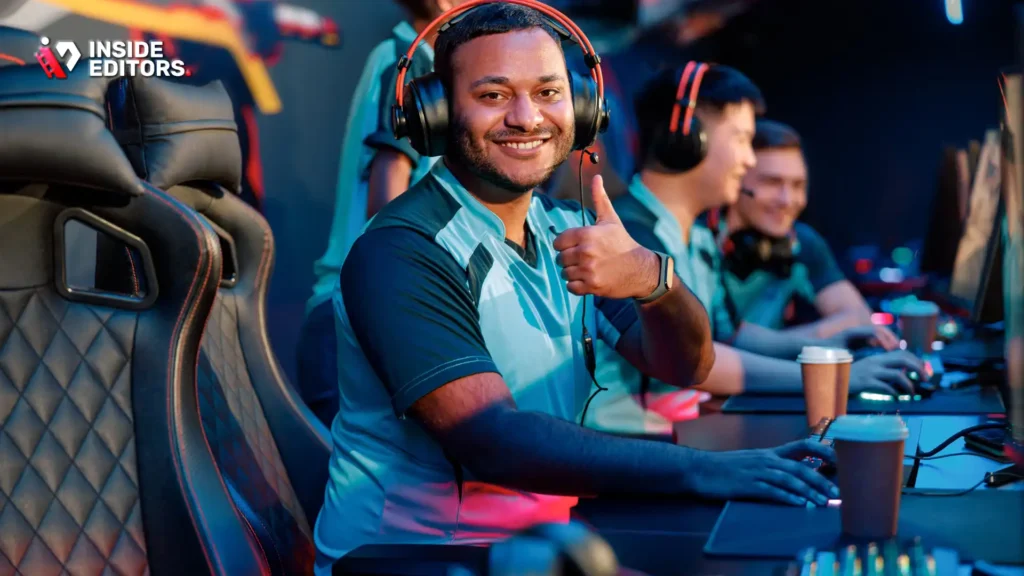
The emergence of professional esports and the massive industry built around gaming content creation provide the ultimate validation that video gaming is a serious pursuit. While professional gaming is a career, the infrastructure supporting it-amateur leagues, coaching, and streaming-is built upon the foundation of a widespread, dedicated hobby.
From Hobbyist to Professional
Many professional esports players begin as dedicated hobbyists, spending years honing their skills before transitioning to professional status. This path mirrors the transition of an amateur musician joining an orchestra or a talented amateur athlete turning professional. The underlying activity remains the same; only the financial motivation changes.
The sheer scale of the esports industry-with millions of spectators and significant prize pools-demonstrates that the skills acquired through video gaming are highly valued and recognized globally.
The Role of High-Quality Content in the Gaming Ecosystem
Content creators, whether streaming their gameplay or producing analytical videos, rely on professional presentation to succeed. They are often hobbyists who have monetized their passion.
If you are one of these creators, maximizing the impact of your content requires professional polish. Inside Editors offers a professional editing team with over 10 years of experience, ensuring your YouTube channel or marketing videos maintain a consistent, high-quality brand style. Our affordable pricing, starting at just $29/video, makes professional quality accessible, allowing you to scale your content without sacrificing quality. We handle the technical details-from color grading to audio enhancement-so you can focus on the core hobby: gaming.
Analyzing the Criteria: A Final Verdict on the Question
To definitively answer is video gaming a hobby, we must return to our established criteria: voluntary engagement, intrinsic satisfaction, skill development, time investment, and community structure.
Skill Development and Mastery (E.E.A.T.)
Video gaming demands continuous learning and measurable skill improvement. Whether it’s micro-management in an RTS or complex team coordination in a MOBA, the pursuit of mastery is central to the experience. This aligns perfectly with the definition of a hobby.
Time and Financial Investment
Dedicated gamers invest significant, scheduled time and often spend considerable amounts on specialized hardware, software, and accessories. This financial and temporal commitment elevates the activity beyond casual entertainment.
Social Structure and Community
Gaming fosters massive, global communities that are integral to the experience. These communities provide the structure, support, and shared goals characteristic of any successful hobby club.
“The social aspect of gaming is often overlooked. It’s not just about the game; it’s about the shared narratives, the collaborative achievements, and the sustained relationships built within virtual spaces. These are the hallmarks of a deeply engaging hobby.” – Anonymous Study, Digital Culture Review
The Conclusion: Is Video Gaming a Hobby?
Given the rigorous demands for skill development, the significant investment of time and resources, and the robust social structures it supports, the answer is unequivocally yes. For the millions who engage with intentionality, structure, and a desire for mastery, is video gaming a hobby is a question that has long been settled. It is a modern hobby, one that leverages digital technology to provide complex, challenging, and deeply rewarding leisure.
Maximizing Your Gaming Hobby Through Content Creation

If your video gaming hobby extends into content creation-sharing highlights, tutorials, or analysis-you are participating in a secondary, media-focused hobby. To succeed in this competitive space, quality matters immensely.
The Importance of Professional Video Editing
A poorly edited video, even with excellent gameplay, can undermine your efforts. Viewers expect high production values. Professional editing ensures smooth transitions, clear audio, and visually appealing color grading, all critical for viewer retention.
Inside Editors specializes in transforming raw footage into polished, professional videos. Our process is simple:
- Submit Your Footage: Upload your gameplay or commentary clips.
- Professional Editing: Our expert team enhances the video, applying consistent branding and dynamic cuts.
- Fast Delivery: Receive your professionally edited video within 24-72 hours.
- Unlimited Revisions: We work until you are 100% satisfied.
By leveraging professional editing services, you maintain the joy of your gaming hobby while ensuring your content meets the high standards of the digital landscape. This scalable solution allows growing channels to maintain quality without the burden of time-consuming post-production work.
Frequently Asked Questions
What defines a hobby versus a pastime?
A hobby requires active engagement, skill development, and a significant time investment, such as dedicated practice in gaming. A pastime, conversely, is a casual activity requiring minimal effort or skill growth, like passively watching TV. The key difference is intentional pursuit of mastery in the hobby.
Is video gaming a hobby that builds real skills?
Yes, video gaming is a hobby that demonstrably builds real-world skills. These include enhanced strategic planning, faster decision-making, improved hand-eye coordination, and complex team communication. These cognitive benefits validate why is video gaming a hobby is a serious question.
How much time investment makes gaming a hobby?
While there is no strict minimum, dedicated hobbyists typically invest five or more scheduled hours per week. This intentional, recurring time commitment, focused on skill mastery or community goals, distinguishes the hobbyist from the casual player.
Can I monetize my video gaming hobby?
Many people monetize their video gaming hobby through content creation (streaming, YouTube videos) or competing professionally (esports). Turning the hobby into a revenue stream often requires professional quality content, making services like video editing essential for success.
Does professional gaming count as a hobby?
Professional gaming is a career, not a hobby, as it is driven by financial necessity. However, it is built upon the foundation of the video gaming hobby, requiring the same dedication and skill. The amateur pursuit of gaming still qualifies as a hobby.


