


The digital landscape is rapidly evolving, making video the dominant form of communication and content consumption. This surge in demand has created a massive, global market for skilled editors, making the pursuit of online video editing jobs a highly lucrative and flexible career path. Whether you are looking to transition from a traditional editing role or start fresh in the freelance world, understanding the nuances of remote work is essential.
This comprehensive guide will walk you through the essential steps, tools, strategies, and industry insights needed to successfully secure and thrive in online video editing jobs. We will cover everything from mastering the necessary software and building a compelling portfolio to pricing your services and finding high-quality clients.
The Digital Gold Rush : Why Online Video Editing Jobs Are Booming

The demand for video content across platforms-from YouTube and TikTok to corporate training and e-commerce-has never been higher. Content creators, small businesses, and massive corporations all require professional editing to maintain audience engagement and brand consistency. This universal need means that online video editing jobs offer unparalleled flexibility, allowing editors to work with clients anywhere in the world, directly from their home studio.
Defining the Scope of Remote Video Editing
Remote video editing encompasses a wide variety of tasks, far beyond simply cutting footage. It includes color correction, audio mixing, motion graphics, visual effects (VFX), and creating different versions of content optimized for specific platforms (e.g., vertical video for mobile).
The flexibility of these roles means that editors can specialize. Some focus exclusively on short-form social media content, while others tackle long-form documentaries or corporate explainers. The key to success in securing online video editing jobs is often specialization combined with a robust understanding of storytelling principles.
“Video is not just a medium; it’s the language of the internet. Those who master the art of editing are the new interpreters, bridging the gap between raw footage and compelling narrative.” – Sarah Jenkins, Digital Content Strategist
The Core Skillset for Successful Remote Editors
While technical proficiency is mandatory, successful remote editors need a blend of creative, technical, and professional skills.
| Skill Category | Essential Traits | Why It Matters for Online Video Editing Jobs |
| Technical Mastery | Proficiency in NLEs (Premiere Pro, DaVinci Resolve), color grading, sound design. | Non-negotiable foundation for delivering professional quality. |
| Creative Storytelling | Pacing, narrative structure, understanding audience psychology. | Transforms raw footage into engaging content that meets client goals. |
| Communication & Professionalism | Clear written communication, prompt responses, meeting deadlines, client management. | Crucial for remote work where face-to-face interaction is limited. |
| Self-Management | Time tracking, project organization, file management, self-motivation. | Ensures productivity and reliability when working independently. |
Step 1: Mastering the Tools and Building Your Foundation
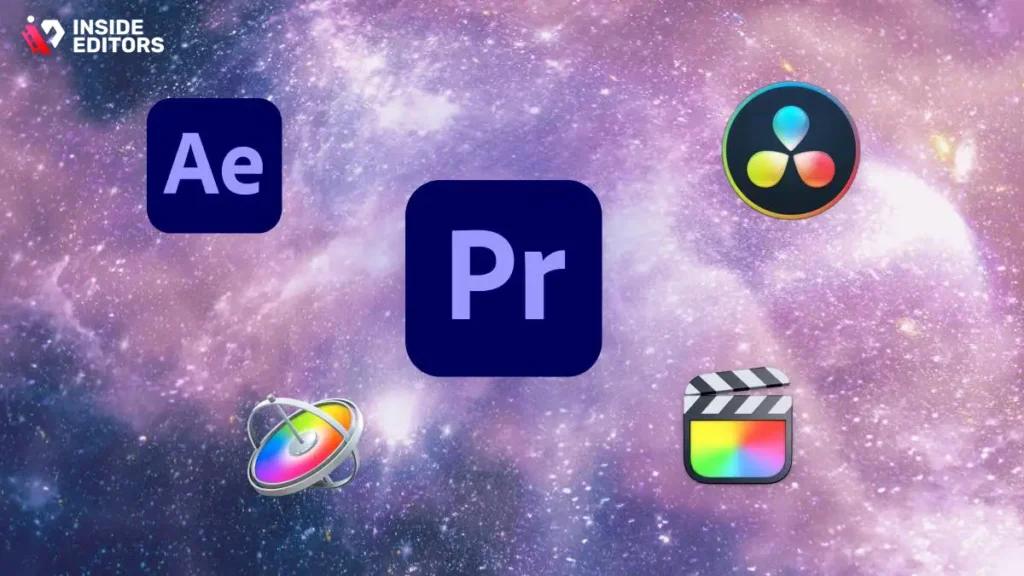
Before you start applying for online video editing jobs, you must ensure your technical setup and foundational skills are rock-solid. This involves investing in the right equipment and committing to continuous learning.
Choosing Your Non-Linear Editor (NLE)
The choice of editing software often dictates the types of projects you can take on. While many editors are bilingual, focusing on one or two industry standards is a smart starting point.
| Software | Primary Use Case | Pros for Online Video Editing Jobs |
| Adobe Premiere Pro | Corporate, YouTube, Social Media, Broadcast | Industry standard, integrates with Adobe Suite (After Effects, Audition). |
| DaVinci Resolve | Color Grading, Independent Film, High-End Post-Production | Best-in-class color tools, powerful free version, rapidly gaining market share. |
| Final Cut Pro X | Apple Ecosystem, Quick Turnaround Projects | Optimized performance on macOS, intuitive interface for fast editing. |
Setting Up Your Remote Editing Studio
Working remotely requires a reliable setup. Clients hiring for online video editing jobs expect professional-grade results, which means you need the hardware to handle demanding tasks like 4K editing and rendering.
- Computer: High-end CPU (Intel i7/i9 or AMD Ryzen 7/9), 32GB+ RAM, dedicated GPU (NVIDIA or AMD).
- Storage: Fast SSDs for project files and cache, plus large external HDDs for archiving and backups.
- Monitor: Color-accurate monitor (calibrated regularly) is essential for professional color grading.
- Internet: High-speed, stable internet connection for uploading and downloading massive video files.
The Importance of a Defined Workflow
In remote editing, file organization is paramount. Develop a standardized folder structure for every project (e.g., Footage, Audio, Graphics, Project Files, Exports). This ensures that if a client or another editor needs to step in, the project is instantly navigable.
Furthermore, mastering proxy workflows-creating smaller, lower-resolution versions of high-res footage for editing-is crucial for managing large files and ensuring smooth performance, even on older systems.
Step 2: Building an Irresistible Portfolio and Reel
A portfolio is your digital handshake. For online video editing jobs, clients rarely care about your resume; they care about what you can show them.
Curating Your Best Work
Your portfolio should be highly targeted to the type of work you want to attract. If you want to edit corporate explainers, include three excellent corporate explainers. If you want to edit vlogs, showcase your best vlogs.
Key Portfolio Elements:
- The Demo Reel (60-90 seconds): This is a fast-paced compilation of your absolute best shots, showcasing your range in color, motion graphics, and pacing. It should grab attention immediately.
- Full Project Examples: Embed 3-5 complete, high-quality projects. Clients need to see the full narrative arc, not just flashy cuts.
- Case Studies: Briefly explain the client’s goal, your role, and how your editing solved their problem or achieved their objective (e.g., “Increased YouTube watch time by 20%”).
Sourcing Content for Your First Portfolio
If you are new to the industry, you won’t have paid client work yet. You must create your own.
- Pro Bono Work: Offer to edit for local non-profits, student filmmakers, or small content creators for free or at a deep discount, specifically to build your portfolio.
- Spec Edits: Download raw footage available online (often provided by camera manufacturers or cinematography challenges) and edit it into a finished piece.
- Personal Projects: Create short films, travel videos, or motion graphics pieces that demonstrate your unique style and technical capabilities.
Step 3: Finding and Securing Online Video Editing Jobs
The search for online video editing jobs requires a multi-pronged approach, utilizing specialized platforms, networking, and direct outreach.
Navigating Freelance Marketplaces
Platforms like Upwork, Fiverr, and Freelancer are common starting points. While they offer volume, they are often saturated and price-sensitive. Use them strategically:
- Start Small: Take on smaller, lower-paying jobs initially to build five-star ratings and testimonials.
- Specialize: Don’t bid on generic “video editor needed” posts. Target specific niches (e.g., “Editor for real estate drone footage”).
- Professionalism: Treat every application like a job interview. Customize your proposal and link directly to the relevant portfolio piece.
Direct Outreach and Networking
The most lucrative online video editing jobs are often found through direct connections.
- Identify Target Clients: Research successful YouTube channels, busy marketing agencies, or course creators whose content style you admire.
- The Value Proposition: Instead of asking for a job, offer a solution. Send a personalized email pointing out a specific area where their current videos could be improved (e.g., pacing, color consistency) and show how your editing could fix it.
- Leverage Social Media: Be active on LinkedIn and relevant Facebook groups. Share your work and engage in industry discussions. Learn how to create engaging video content by studying what successful creators are doing.
The Power of Niche Specialization
Generic applications for “video editor” are easily ignored. Specializing makes you the obvious choice for specific online video editing jobs.
| Niche Specialization | Target Clients | Required Skills |
| E-commerce Product Videos | Shopify sellers, Amazon vendors | Fast cuts, clear product focus, motion graphics for text overlays. |
| Podcast to Video (Clips) | Podcasters, media companies | Subtitling, multi-camera syncing, dynamic zooming/panning. |
| Corporate Testimonials | B2B companies, SaaS providers | Clean audio, professional color grading, seamless interview cutting. |
| Real Estate Virtual Tours | Realtors, property developers | Drone footage stabilization, smooth transitions, music synchronization. |
Step 4: Pricing, Contracts, and Client Management

Once you start securing online video editing jobs, managing the business side of freelancing becomes critical. This includes setting fair prices and establishing clear boundaries.
Determining Your Rate Structure
Pricing is one of the biggest challenges for new editors. You generally have three options:
- Hourly Rate: Best for projects with undefined scope or ongoing retainer work. (e.g., $40–$100+ per hour, depending on experience).
- Per-Project Rate: Best for defined deliverables (e.g., “Edit one 10-minute YouTube video for $500”). This protects you if the project takes longer than expected.
- Day Rate: Common for on-site editing or high-volume corporate clients.
Common Mistakes to Avoid:
- Undercutting: While tempting, severely undercutting the market devalues your work and attracts low-quality clients.
- Not Charging for Revisions: Define the scope clearly. A standard contract includes 1-2 rounds of minor revisions. Charge extra for major structural changes requested after the initial edit is complete.
Essential Contract Elements
A clear contract protects both you and the client. Never begin a project without one.
- Scope of Work (SOW): Detailed description of the deliverable (length, resolution, required graphics, audio mixing level).
- Payment Terms: Specify the rate, payment method, and due date. Standard practice is 50% upfront for new clients.
- Revision Policy: Clearly define what constitutes a “revision” and the maximum number included in the price.
- Delivery Format: Specify the final export format, codec, and delivery method (e.g., Google Drive, Dropbox).
“The difference between a good freelancer and a successful business owner is the contract. A contract isn’t about distrust; it’s about clarity and mutual respect for time and deliverables.” – Michael Chen, Freelance Business Consultant
The Client Onboarding Process
A streamlined onboarding process builds trust and professionalism, which is vital for long-term online video editing jobs.
- Discovery Call: Understand the client’s goals, target audience, and brand guidelines.
- Proposal & Contract: Send the detailed SOW and contract for signature.
- Asset Collection: Establish a system for receiving footage (e.g., shared cloud folder).
- First Draft: Deliver a watermarked draft for initial feedback.
- Final Delivery: Upon final payment, deliver the high-resolution, unwatermarked file.
Step 5: Scaling Your Career and Managing Workload

As you successfully complete more online video editing jobs, you will face the challenge of scaling your capacity without burning out.
When to Outsource and Delegate
If your workload exceeds your capacity, you have two options: raise your rates (to attract fewer, higher-paying clients) or delegate. Delegation is a sign of a maturing business.
- Delegate Specialized Tasks: Hire a freelance sound designer for complex audio mixing or a motion graphics artist for intricate animations. This allows you to focus on the core edit.
- Use Sub-Editors: If you secure a retainer contract for high-volume work (e.g., daily YouTube videos), hire a junior editor to handle the initial cuts, while you manage the final polish and client communication.
The Importance of Continuous Learning
The technology and trends in video editing change constantly. To remain competitive in the market for online video editing jobs, you must dedicate time to upskilling.
- Software Updates: Master new features in your NLE (e.g., AI tools, new codecs).
- Industry Trends: Study successful content creators. Learn new editing styles (e.g., jump cuts, meme integration, visual pacing).
- Technical Skills: Deepen your knowledge of color science, HDR workflows, and advanced audio repair.
Common Pitfalls and How to Avoid Them
| Pitfall | Description | Solution |
| Scope Creep | The client continually adds new requests outside the original contract. | Refer back to the signed Scope of Work and issue a Change Order with an updated price. |
| Poor Communication | Missing details or slow response times leading to delays. | Establish a clear communication channel (e.g., Slack or email only) and set expectations for response times. |
| Failing to Back Up | Losing project files due to hard drive failure. | Implement the 3-2-1 backup rule: 3 copies of data, on 2 different media types, with 1 copy offsite (cloud storage). |
The Pros and Cons of Online Video Editing Jobs
Like any career, remote video editing has trade-offs. Understanding these helps you manage expectations.
Pros:
- Flexibility and Autonomy: Set your own hours and work from anywhere.
- Global Client Base: Access to online video editing jobs from clients worldwide, not just local businesses.
- High Demand: The market is consistently growing, providing ample opportunities.
- Specialization Potential: Ability to focus purely on the creative and technical aspects you enjoy most.
Cons:
- Isolation: Lack of in-person collaboration can be challenging for some.
- Technical Demands: Constant need for hardware upgrades and managing large data transfers.
- Inconsistent Income: Freelancing requires active marketing and managing cash flow during slow periods.
- Blurred Boundaries: Difficulty separating work life from personal life when the office is at home.
Step 6: When to Hire Professional Video Editing Services
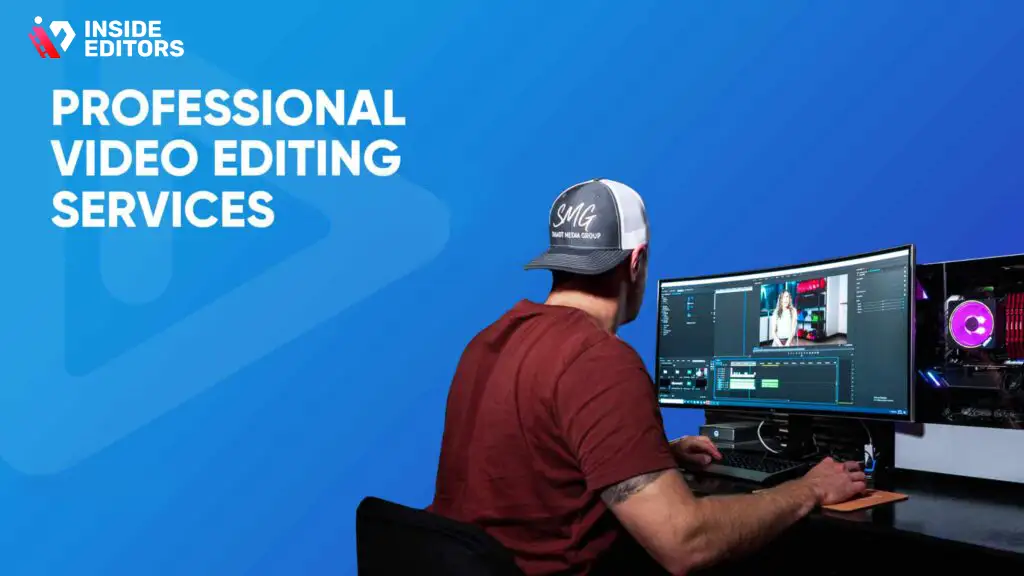
While this guide focuses on starting a career in editing, there are times when individuals and businesses realize that managing the constant flow of online video editing jobs internally is inefficient or impractical. This is where professional video editing services become invaluable.
Recognizing the Need for Outsourcing
Many creators and businesses reach a point where their time is better spent on content creation, marketing, or core business operations, rather than the time-consuming process of post-production.
You should consider outsourcing if:
- You are spending more than 10 hours a week editing.
- Your videos lack professional polish (poor audio, inconsistent color).
- You need to scale production rapidly (e.g., launching a new course or daily uploads).
- You need specific expertise (e.g., complex motion graphics or VFX) that you don’t possess.
Inside Editors: Your Professional Post-Production Partner
For those seeking reliable, high-quality video editing without the hassle of managing freelance contracts or learning complex software, Inside Editors offers a streamlined, professional solution.
We understand the demands of modern content creation and offer comprehensive professional video editing services designed for speed, quality, and consistency. Our team of experienced editors handles the entire post-production workflow, allowing you to focus on your content strategy.
Why Choose Inside Editors?
- Expertise: Our professional editing team has 10+ years of collective experience across various niches, ensuring your project meets industry standards.
- Speed and Reliability: We offer a fast turnaround (typically 24-72 hours), crucial for timely content delivery.
- Quality Assurance: We include color grading and audio enhancement as standard, ensuring every video is polished and professional.
- Affordable and Scalable: Our affordable pricing starts at just $29/video, making us an ideal, scalable solution for growing channels and businesses. We offer unlimited revisions until you are completely satisfied.
Whether you are a busy YouTube creator needing consistent uploads, a marketing team requiring polished ad videos, or a course creator launching a new series, Inside Editors provides the professional quality that builds trust and saves you time. By choosing our services, you ensure professional quality that builds trust and maintains a consistent brand style across all your videos.
If you are looking to find professional video editors who can seamlessly integrate into your workflow, Inside Editors is the best choice.
Step 7: Advanced Strategies for Long-Term Success

To move beyond basic freelance work and secure high-value online video editing jobs, you need to think like a long-term partner, not just a service provider.
Mastering Remote Collaboration Tools
Effective remote collaboration is the backbone of successful online video editing jobs. Clients need a simple way to review and provide feedback on drafts.
- Review Platforms: Utilize tools like Frame.io, Vimeo Review Pages, or Wipster. These allow clients to leave time-stamped comments directly on the video, eliminating confusing email chains.
- Cloud Storage: Standardize on one or two cloud services (Dropbox, Google Drive, or specialized media transfer services like MASV) for sending and receiving large files.
The Art of Client Retention
The most profitable online video editing jobs are repeat clients. It costs far less time and effort to keep an existing client happy than to find a new one.
- Anticipate Needs: After a few projects, understand the client’s style so well that your first draft requires minimal revisions.
- Be Proactive: Suggest improvements or new content formats (e.g., repurposing a long video into short social clips). Offering video editing for social media shows initiative and expands your contract value.
- Consistency: Deliver on time, every time. Reliability is the number one trait clients look for in remote partners.
“In the freelance world, technical skill gets you the interview, but reliability and communication get you the retainer contract.” – Alex Rodriguez, CEO of Post-Production House
Financial and Legal Considerations
Working internationally for online video editing jobs means dealing with global payments and taxes.
- Payment Gateways: Use services like PayPal, Wise (TransferWise), or Stripe for international payments, which offer better exchange rates and lower fees than traditional banks.
- Tax Compliance: Understand the tax implications of working as an independent contractor in your country, especially regarding international income. Consulting with an accountant specializing in freelance income is highly recommended. For those looking to manage their business finances efficiently, understanding how much does video editing cost can help in setting competitive rates and budgeting for necessary expenses.
Conclusion: Launching Your Career in Online Video Editing
The path to securing lucrative online video editing jobs is built on a foundation of technical excellence, strategic marketing, and impeccable professionalism. The digital world is hungry for compelling visual stories, and skilled editors are the architects of that narrative.
By mastering your tools, building a targeted portfolio, and proactively seeking out clients in specialized niches, you can establish a flexible, high-demand career. Remember that every project is an opportunity to refine your craft and demonstrate reliability.
If you are a content creator or business looking to scale your video production immediately, or if you find the administrative burden of managing multiple online video editing jobs overwhelming, consider partnering with a professional service. Inside Editors provides expert, fast, and affordable post-production solutions, allowing you to reclaim your time and focus on growth.
To learn more about our professional services and how we can elevate your content, visit our main service page today: Inside Editors Video Editing Services. We are committed to helping you achieve professional, high-quality video content that resonates with your audience.
Additional Resources and Next Steps
- Mastering Specific Software: Deep dive into tutorials for Premiere Pro, DaVinci Resolve, or After Effects.
- Networking: Join local and online editor communities for mentorship and job leads.
- Business Tools: Investigate project management software (Trello, Asana) to streamline your online video editing jobs workflow.
- Advanced Techniques: Explore specialized areas like video editing for e-commerce or video editing for corporate training.
- Audio Focus: Never underestimate sound. Learn how to edit audio for video to dramatically improve the perceived quality of your work.
- Marketing Yourself: Develop a strong personal brand. Your website and social media presence should reflect the quality of the online video editing jobs you aspire to land.
- Continuous Improvement: Regularly seek feedback on your work and be open to constructive criticism. For those interested in the financial side of the industry, understanding video editing rates is crucial for competitive pricing.
Frequently Asked Questions
What skills are needed for online video editing?
Proficiency in industry-standard software like Adobe Premiere Pro or DaVinci Resolve is essential. You also need a strong understanding of visual storytelling, pacing, and color grading. Good communication and time management are critical for handling remote video editing jobs and meeting client deadlines consistently. Basic audio mixing skills are also highly valued by employers.
How do I build a strong video editing portfolio?
Start by creating diverse sample projects, even if they are speculative or personal. Include various styles, such as short films, promotional videos, and social media content, to showcase your range. Ensure your portfolio demonstrates high technical quality and effective storytelling. Host it on a professional platform like Vimeo or your own website for easy client access.
What equipment is required to start editing?
You need a reliable computer with a fast processor (i7 or equivalent), ample RAM (at least 16GB), and a dedicated GPU for rendering. A high-resolution monitor with accurate color representation is also crucial for professional video editing. Ensure you have fast, external storage (SSDs are recommended) to handle large project files efficiently.
Where can I find entry-level editing jobs online?
Freelance platforms like Upwork, Fiverr, and specialized job boards (e.g., MediaMatch) are excellent starting points. Look for clients needing short-form content or YouTube video editing. Networking within online creative communities and directly pitching small businesses can also lead to your first online video editing jobs.
Should I specialize in a specific niche?
Yes, specializing can significantly increase your market value and efficiency. Niches like wedding videography, corporate training videos, or social media reels (e.g., TikTok/Instagram) allow you to become an expert. Specialization helps you target high-paying clients and reduces competition compared to being a generalist video editor.
How much should I charge for video editing services?
Beginners often charge between $20 to $35 per hour, or a project rate based on complexity. Research current market rates for online video editing jobs in your niche and location. As you gain experience and a stronger portfolio, you can confidently raise your rates to $50 or more per hour. Always clarify scope before quoting a final price.
Is formal education necessary to get hired?
No, formal education is not strictly necessary; practical skills and a strong portfolio are far more important. Many successful editors are self-taught using online courses and tutorials. However, certifications or degrees can provide foundational knowledge and networking opportunities. Focus on demonstrating your ability to deliver high-quality results.
How long does it take to find my first client?
The timeline varies widely, but consistent effort usually yields results within 4 to 8 weeks. Focus on optimizing your profiles, actively applying to 5-10 jobs daily, and networking. Offering a competitive introductory rate or a small, free sample edit can accelerate the process of landing your first few online video editing jobs.


