

The world of sports is fast, dynamic, and visually stunning. Capturing that energy requires specialized skills, making Sports Video Editing Jobs highly sought after. Whether you’re cutting highlight reels for a major league team or producing documentary shorts for an athlete’s personal brand, the demand for skilled editors is booming. But once you have the skills, the critical choice remains: Should you pursue stable, in-house agency work, or embrace the flexibility and risk of freelance sports video editing jobs?
This comprehensive guide breaks down the two primary paths available for professionals looking to build a career in this exciting niche. We will compare the stability, earning potential, creative freedom, and workflow of agency life versus the entrepreneurial spirit of freelancing, helping you determine the best route for your specific career goals. Understanding the nuances of these environments is the first step toward securing the best Sports Video Editing Jobs available today.
The Landscape of Sports Video Editing Jobs
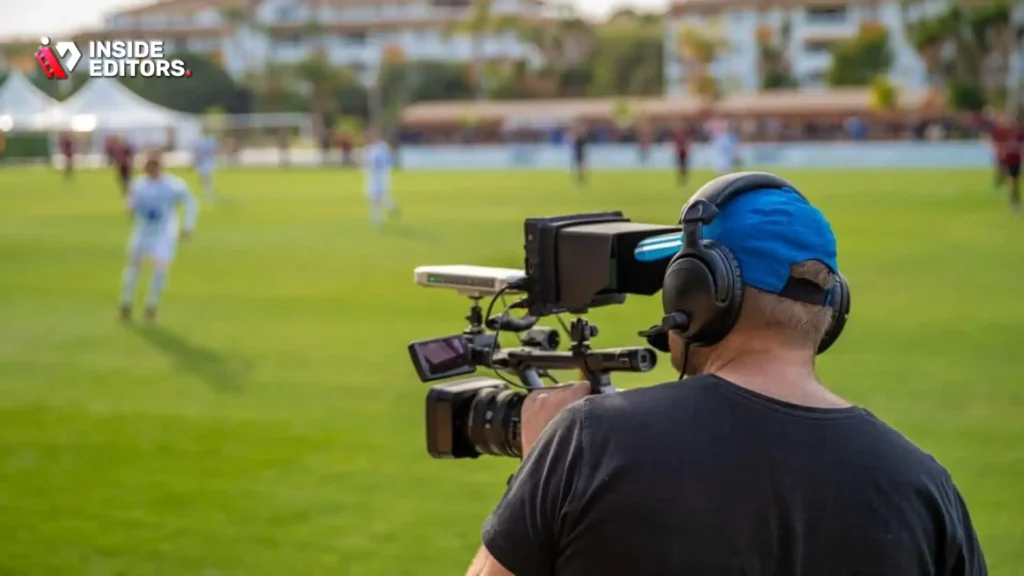
The sports content ecosystem is vast. It spans broadcast television, digital streaming platforms, social media (TikTok, Instagram Reels), and internal team analysis. This variety means that Sports Video Editing Jobs are not monolithic. They require editors to be proficient in everything from high-speed motion graphics to long-form storytelling.
The core intent of most sports video is simple: engagement. Whether it’s driving ticket sales, boosting merchandise revenue, or building a star athlete’s brand, the video must capture attention instantly. This high-stakes environment means employers-whether agencies or direct clients-are looking for proven expertise and rapid turnaround times.
Defining the Two Major Paths
When searching for Sports Video Editing Jobs, your career trajectory will likely fall into one of two categories:
- Agency/In-House: Working as a salaried employee for a sports marketing agency, a broadcast network (like ESPN or Fox Sports), or directly for a professional sports organization (NBA, NFL, Premier League team).
- Freelance/Contract: Operating as an independent business owner, taking on projects from various clients, which might include small teams, individual athletes, or production companies needing overflow support.
Both paths offer unique benefits and drawbacks. Your personality, risk tolerance, and desired lifestyle will ultimately dictate which environment provides the most fulfilling and profitable career in sports video editing.
Agency Life: Stability, Structure, and Scale

Working within an agency or an in-house media team offers a structured career path. These roles are often defined by consistent work schedules, predictable income, and the opportunity to work on large-scale, high-profile campaigns.
The Benefits of In-House Sports Video Editing Jobs
One of the greatest advantages of agency employment is stability. You receive a regular salary, benefits (health insurance, 401k matching), and paid time off. This financial predictability allows for easier long-term planning.
Furthermore, agency environments expose you to large, complex projects that might be inaccessible to individual freelancers. You are part of a larger creative team, collaborating with producers, directors, and graphic designers. This collaboration is crucial for professional growth.
“In-house editing provides an unparalleled opportunity for mentorship and learning specialized workflows. You’re constantly exposed to the highest industry standards, which accelerates skill development faster than working in isolation.” – Sarah Jenkins, Senior Editor at a Major Sports Network
Another key feature is access to state-of-the-art equipment and software. Agencies invest heavily in the latest editing suites, high-speed storage, and licensing for premium stock footage and music libraries. You rarely have to worry about the cost of upgrading your tools.
Workflow and Technical Demands
Agency Sports Video Editing Jobs often involve highly standardized workflows. Teams use shared servers, detailed naming conventions, and specific project templates to ensure consistency across multiple editors. Turnaround times are frequently dictated by broadcast schedules or major sporting events, meaning tight deadlines are common.
For example, an editor working for a basketball team might be responsible for cutting game highlights immediately after the final buzzer, ensuring the content is ready for social media within minutes. This requires speed, precision, and adherence to brand guidelines.
| Feature | Agency/In-House | Freelance/Contract |
|---|---|---|
| Income Stability | High (Salaried, benefits) | Variable (Project-based) |
| Project Scope | Large, high-profile campaigns, consistent brand work | Diverse, ranging from small social clips to feature projects |
| Creative Freedom | Moderate (Must adhere to strict brand guidelines) | High (Client-dependent, but generally more control) |
| Equipment Costs | Zero (Provided by employer) | High (Must purchase and maintain own gear) |
| Networking | Internal team building, working with high-level producers | External client acquisition, industry events |
Freelance Life: Flexibility, Earnings Potential, and Ownership

The freelance path offers a radically different experience. Instead of being an employee, you become a business owner. This route appeals to editors who value flexibility, enjoy managing their own time, and are motivated by the direct correlation between effort and income.
The Appeal of Independent Sports Video Editing Jobs
Freelancing provides ultimate control over your schedule and the projects you accept. If you prefer working on niche sports, documentary features, or focusing exclusively on social media content, you can tailor your client base accordingly. This autonomy is a major draw.
The earning potential for freelance Sports Video Editing Jobs can often exceed a salaried position, particularly for highly specialized editors. While the income is less stable, the hourly or project rates can be significantly higher than the equivalent internal wage, especially when working with high-budget clients like major brands or international federations.
“The true value of freelancing is ownership. You set your rates, you choose your clients, and every piece of work you deliver directly contributes to your professional reputation and portfolio.” – Marcus Chen, Independent Sports Filmmaker
However, being a freelancer means wearing multiple hats: editor, accountant, marketer, and project manager. Success depends not just on editing skill, but on business acumen.
Navigating the Freelance Market
Finding and securing consistent Sports Video Editing Jobs requires proactive marketing and networking. Freelancers must constantly pitch new clients, manage contracts, and handle invoicing. This administrative load can consume a significant portion of their time.
Many successful freelancers utilize professional video editing services to manage overflow or specialized tasks. For instance, if a freelance editor lands a massive project but needs help with color grading or rapid turnaround on daily social clips, they might partner with a reliable service provider.
If you are a freelance editor facing tight deadlines or seeking to scale your output without hiring full-time staff, consider partnering with a professional service. A company like Inside Editors offers a professional editing team with over 10 years of experience, ensuring fast turnaround (24-72 hours) and unlimited revisions until satisfaction. This allows freelancers to focus on high-value tasks like client relations and creative direction while outsourcing the heavy lifting.
Pros and Cons of Freelance Sports Video Editing
| Pros | Cons |
|---|---|
| High Earning Potential | Income is inconsistent and unpredictable |
| Maximum Flexibility | Responsible for all taxes, insurance, and benefits |
| Creative Control | Must handle all administrative tasks (invoicing, marketing) |
| Diverse Portfolio | Requires constant client acquisition and networking |
| Choose Your Clients | High initial investment in equipment and software |
Earning Potential and Financial Realities

When comparing agency and freelance Sports Video Editing Jobs, the financial calculus is complex. It’s not just about the gross number; it’s about net income, benefits, and overhead.
Salary Expectations in Agency Roles
Salaries for in-house Sports Video Editing Jobs vary widely based on location, company size, and experience.
- Entry-Level (0-3 years): $45,000 – $65,000
- Mid-Level (3-7 years): $65,000 – $95,000
- Senior/Supervisory (7+ years): $95,000 – $150,000+
These figures represent base salary and do not include the value of benefits (which can add 20-30% to the total compensation package). The trade-off is the cap on earning potential; raises are typically incremental and tied to annual performance reviews.
Freelance Rate Structures
Freelancers charge either hourly, daily, or per-project rates. High-end freelancers working for major sports brands often command premium rates.
- Hourly Rate: $50 – $150+ per hour (depending on specialization and speed).
- Day Rate (8-10 hours): $400 – $1,200+ per day.
- Project Rate: Highly variable. A 30-second social media spot might be $500-$1,500, while a long-form documentary trailer could be $5,000-$15,000.
While the potential income is higher, freelancers must account for “non-billable hours”-time spent marketing, invoicing, and learning new software. A successful freelancer aims for a utilization rate (billable hours) of around 60-70%.
“Freelancers often underestimate the cost of overhead. Insurance, software subscriptions, hardware depreciation, and self-employment taxes easily consume 30% of gross income. You must price your services accordingly.” – Forbes, 2023 Report on Creative Economy
Essential Skills for Sports Video Editing Jobs
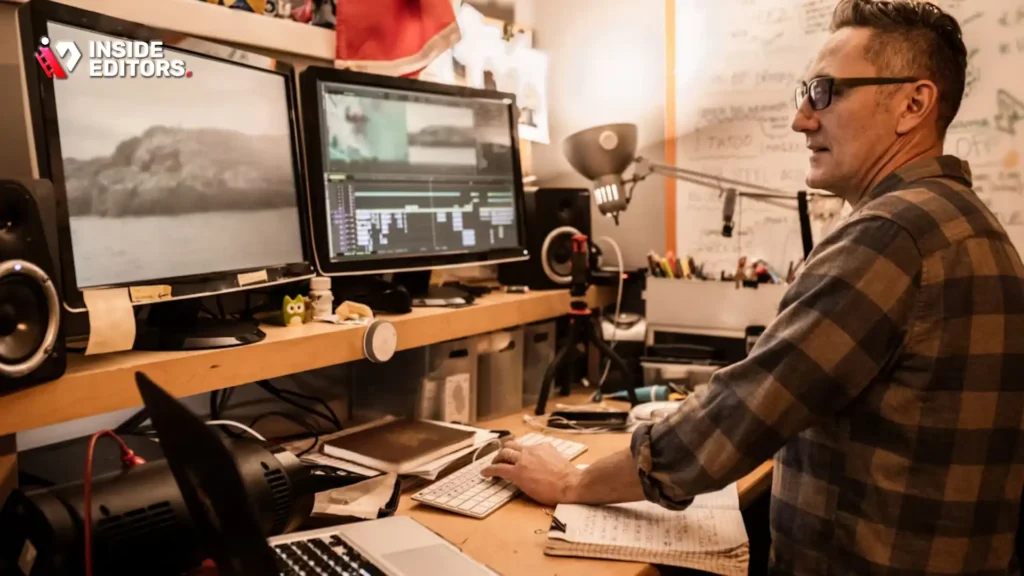
Regardless of the path chosen, certain skills are non-negotiable for success in Sports Video Editing Jobs. The high-speed nature of sports content demands technical mastery combined with creative instinct.
Technical Proficiency
- NLE Mastery: Deep expertise in industry-standard tools like Adobe Premiere Pro, Avid Media Composer, or Final Cut Pro X.
- Motion Graphics: Competence in Adobe After Effects for creating dynamic lower thirds, score overlays, and transition effects.
- Color Grading and Audio: The ability to professionally color correct footage (often shot in varying light conditions) and enhance audio clarity, which is crucial for interviews and ambient sound.
- Speed and Efficiency: The ability to ingest, log, and cut footage rapidly, often under immense time pressure.
Creative and Soft Skills
The best sports editors are storytellers first. They understand how to build tension, utilize pacing, and create emotional impact, even in a short highlight reel.
- Pacing and Rhythm: Matching cuts to music and the natural rhythm of the sport.
- Archival Management: Knowing how to quickly sift through hours of raw footage to find the perfect reaction shot or game-winning moment.
- Communication: Clearly articulating creative choices to clients or producers.
- Adaptability: Quickly pivoting to new brand guidelines or adapting to last-minute changes in game outcomes.
Case Study: The Post-Game Highlight Reel

Consider the workflow difference for a post-game highlight reel, a common task in Sports Video Editing Jobs.
Agency Workflow (In-House Team)
- Ingest: Footage is automatically ingested onto a shared server during the game.
- Logging: Loggers or assistant editors tag key moments (goals, fouls, reactions) in real-time.
- Editing: The editor receives the logged footage and a specific template (music, graphics package). They assemble the 60-second reel within 30 minutes of the game ending.
- Approval: The producer gives final approval, and the content is immediately uploaded to all social platforms.
Result: Highly consistent, brand-compliant content delivered with maximum speed.
Freelance Workflow (Individual Contractor)
- Acquisition: The freelancer downloads footage remotely, often hours after the game, or works on-site with their own equipment.
- Drafting: The freelancer creates the cut, selects music (ensuring licensing is covered), and designs custom graphics.
- Review Cycle: The freelancer sends the draft to the client (e.g., a minor league team or athlete agent). This often involves 1-3 rounds of revisions.
- Delivery: Final video is delivered, and the freelancer then handles invoicing.
Result: More creative freedom and potentially higher quality, but a slower, more complex delivery process involving administrative overhead.
For freelancers needing to guarantee speed and quality control, leveraging expert support is invaluable. Inside Editors offers professional video editing services designed for rapid, high-quality output. Their team of professional editors ensures consistent brand style across all videos, acting as a scalable solution for growing content demands.
Choosing Your Path: Agency vs. Freelance
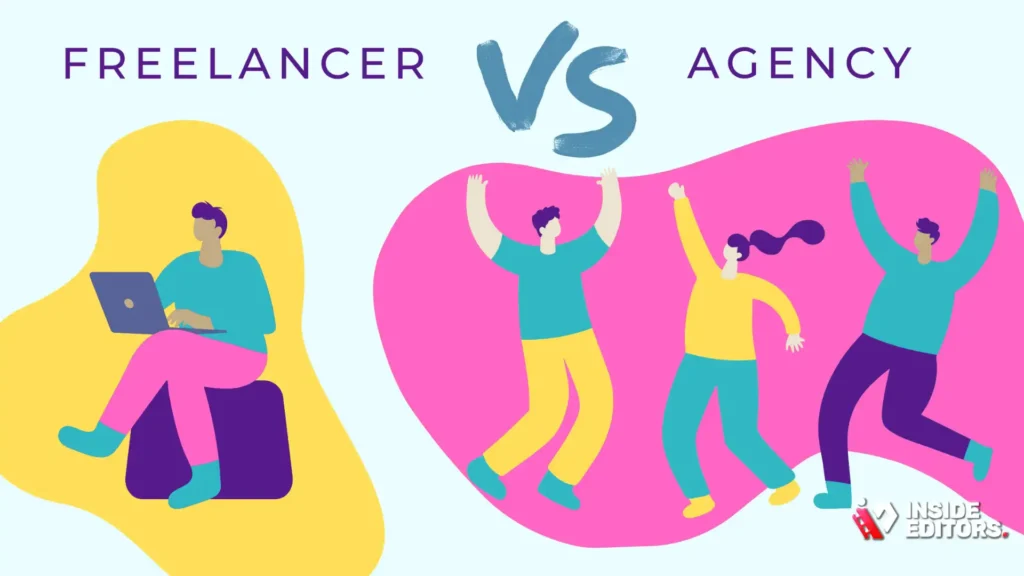
The decision between agency and freelance Sports Video Editing Jobs hinges on your personal priorities.
Choose Agency If:
- You prioritize financial stability and comprehensive benefits.
- You thrive in a collaborative, team-oriented environment.
- You prefer focusing solely on editing, leaving marketing and accounting to others.
- You want to work on the largest, most visible projects with major league teams or broadcasters.
Choose Freelance If:
- You value flexibility and control over your working hours and location.
- You are a self-starter comfortable with sales, marketing, and business administration.
- You seek the highest possible earning potential and are willing to accept financial risk.
- You want maximum creative input and the ability to work across diverse clients and sports.
Expert Insight on Career Longevity
Many successful editors advise starting in an agency or in-house role. This provides the necessary structure, mentorship, and high-pressure experience needed to hone skills and build a robust portfolio.
“Starting in an agency is like boot camp. You learn speed, professional standards, and how to manage massive projects. Once you master that, transitioning to freelance becomes much safer and more profitable.” – Dr. Elena Rodriguez, Media Studies Professor specializing in Digital Production
After gaining 5-7 years of experience and building a strong network, the transition to high-paying freelance Sports Video Editing Jobs becomes a natural progression, allowing the editor to capitalize on their expertise and connections.
Scaling Your Output with Professional Editing Services
Whether you choose the agency or freelance route, the demand for quality sports content often exceeds the capacity of a single editor. This is where professional video editing services become a strategic asset.
Inside Editors provides a solution for both busy agencies needing to manage overflow during peak seasons (like playoffs) and individual freelancers looking to scale their business. Our key features include:
- Professional Editing Team: A dedicated team with over a decade of experience in high-impact video production.
- Fast Turnaround: Guaranteed delivery within 24–72 hours, critical for timely sports content.
- Quality Assurance: Unlimited revisions until satisfied, ensuring the final product meets the highest standards.
- Affordable Pricing: Starting at competitive rates per video, offering a cost-effective alternative to hiring full-time staff.
By utilizing a service like Inside Editors, agencies can maintain a consistent brand style across all videos, and freelancers can save time, allowing them to focus on acquiring new clients and creative direction. It is a scalable solution that ensures professional quality that builds trust with clients and audiences alike.
Conclusion: Securing Your Dream Sports Video Editing Jobs
The field of Sports Video Editing Jobs is thrilling and rewarding, offering paths for both the structure-seeking professional and the entrepreneurial creative. Your decision between agency and freelance should be a reflection of your long-term goals, risk tolerance, and desired work-life balance.
The agency path offers stability, mentorship, and access to large-scale projects, providing an excellent foundation for any career. The freelance path offers superior flexibility and uncapped earning potential, provided you are ready to embrace the business side of the creative industry.
Ultimately, success in either environment requires relentless dedication to craft, speed, and storytelling. By mastering your technical skills and strategically leveraging resources, you can secure the best Sports Video Editing Jobs and build a thriving career capturing the excitement of the sports world.
FAQ
What is the key difference between agency and freelance work?
The core difference lies in stability versus flexibility. Agency work provides a steady salary, benefits, and team collaboration. Freelancing offers higher hourly rates, often ranging from $40 to $100 per hour, but requires constant self-marketing and managing all client relationships. Both involve high-stakes sports video editing.
How much do sports video editors earn?
Salaries vary significantly by role and location. Agency editors typically earn between $50,000 and $85,000 annually, plus benefits. Freelancers often charge project rates or hourly, potentially earning six figures, but this income is inconsistent and dependent on securing high-profile sports editing jobs regularly.
What skills are essential for sports video editing?
Technical proficiency in Adobe Premiere Pro or DaVinci Resolve is mandatory. Crucially, you need a strong understanding of sports narratives, pacing, and rapid turnaround times. Editors must quickly identify highlight moments and integrate dynamic graphics for maximum impact, often under tight deadlines.
Is freelance sports editing more profitable?
Freelancing can be more profitable on a per-hour basis, especially for specialized skills like 3D graphics or high-end commercial work. However, you must account for overhead costs, taxes, and unpaid time spent finding clients. An agency job offers guaranteed income and paid time off, simplifying financial planning.
What are the typical hours for agency editors?
Agency editors usually work standard 40-hour weeks, though game days or major project deadlines often require mandatory overtime. This environment provides structure but less control over personal time. Freelancers set their own hours but must be available when clients need urgent sports video editing completed.
How do I build a portfolio for sports editing?
Start by creating spec reels demonstrating fast-paced highlight cuts and narrative storytelling. Focus on showing dynamic graphic integration and sound design. Target specific sports-like basketball or football-and aim for 3-5 high-quality, short pieces (under 90 seconds) that showcase your best sports video editing skills.
What are the drawbacks of agency employment?
The main drawback is less creative autonomy and potential burnout due to high-volume, repetitive work. While the pay is stable, the ceiling for income growth is usually lower than successful freelancing. You are also limited to the agency’s specific client roster, restricting exposure to diverse projects.
Should I start freelance or join an agency first?
Most professionals benefit from starting at an agency. This provides crucial industry experience, mentorship, and a chance to refine technical skills under pressure. After 2-3 years, you’ll have a strong network and portfolio, making the transition to higher-paying freelance sports video editing much smoother and less risky.


