

The modern gaming laptop is a marvel of engineering, packing desktop-level performance into a portable chassis. But the heart of any true gaming machine isn’t the CPU or the RAM-it’s the Graphics Processing Unit (GPU), often referred to simply as the video card for gaming laptop. Choosing the right GPU determines everything: frame rates, resolution support, graphical fidelity, and even the longevity of your investment.
If you are looking to purchase a new machine or simply understand the technology driving today’s mobile gaming experience, this comprehensive guide is for you. We will break down the top contenders, compare their real-world performance, and help you select the ideal video card for gaming laptop that matches your budget and gaming ambitions.
Understanding the Core: Why the Video Card for Gaming Laptop Matters
Before diving into the top five list, it is essential to understand the unique role the GPU plays in a laptop environment. Unlike desktop graphics cards, mobile GPUs are often constrained by thermal limits and power consumption. This means a mobile RTX 4070, for example, will not perform identically to its desktop counterpart, even if they share the same name.
The video card is responsible for rendering all the visual data you see on screen. In gaming, this involves complex calculations for lighting, textures, physics, and anti-aliasing. A powerful video card for gaming laptop ensures smooth, stutter-free gameplay, especially at high resolutions like 1440p or 4K.
The Thermal and Power Challenge
One of the biggest differences between desktop and mobile GPUs is the Thermal Design Power (TDP), often expressed in Watts. Laptop manufacturers adjust the power limits (TGP – Total Graphics Power) of the GPU to fit within the cooling capabilities of the specific laptop chassis. A high-end GPU running at 150W will perform significantly better than the same GPU constrained to 100W, even though they are technically the same model.
When evaluating any video card for gaming laptop, always check the specific TGP rating provided by the laptop manufacturer. This detail is crucial for predicting real-world performance and avoiding disappointment.
“The TGP rating is the single most overlooked specification when buying a gaming laptop. It defines the ceiling of performance for that specific GPU model.” – Linus Sebastian, Tech Reviewer
Essential Features of a Modern Gaming Laptop Video Card
Today’s leading video cards offer more than just raw processing power. They include advanced features that enhance both performance and visual quality.
- Ray Tracing: This technology simulates the physical behavior of light, offering hyper-realistic shadows, reflections, and global illumination. It is highly demanding, requiring significant GPU power.
- Upscaling Technologies (DLSS/FSR): NVIDIA’s Deep Learning Super Sampling (DLSS) and AMD’s FidelityFX Super Resolution (FSR) use AI or clever algorithms to render games at a lower resolution and then upscale them to the target resolution. This dramatically boosts frame rates with minimal perceived loss in image quality.
- VRAM (Video RAM): This dedicated memory stores textures and graphical data needed for the game. For modern 1440p gaming, 8GB of VRAM is the current minimum, with 12GB or more preferred for future-proofing and high-resolution textures.
The Top 5 Video Card for Gaming Laptop: A Detailed Breakdown
We have curated the top five mobile GPUs currently available, categorized by their performance tier, from entry-level excellence to flagship dominance.
| Rank | Video Card Model | Target Resolution | Ideal TGP Range | Key Feature Set |
|---|---|---|---|---|
| 1 | NVIDIA GeForce RTX 4090 (Mobile) | 4K High Refresh | 150W – 175W+ | Unmatched raw power, DLSS 3.5, Ray Tracing |
| 2 | NVIDIA GeForce RTX 4080 (Mobile) | 1440p High Refresh / 4K Mid | 150W – 175W | Excellent performance-per-watt, 12GB VRAM |
| 3 | NVIDIA GeForce RTX 4070 (Mobile) | 1440p High / 1080p Ultra | 100W – 140W | Strong efficiency, great 1440p entry point |
| 4 | AMD Radeon RX 7800M XT | 1440p High Refresh | 150W – 165W | Strong rasterization performance, FSR 3 |
| 5 | NVIDIA GeForce RTX 4060 (Mobile) | 1080p Ultra / 1440p Mid | 80W – 115W | Best value for 1080p gaming, DLSS 3 |
1. The Flagship Contender: NVIDIA GeForce RTX 4090 (Mobile)
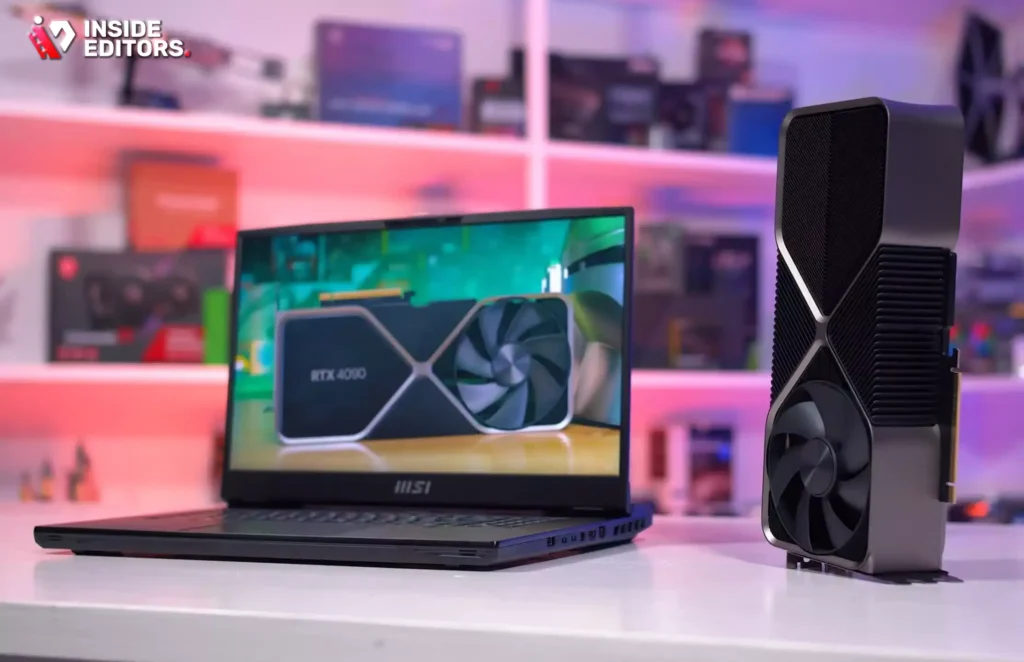
The NVIDIA GeForce RTX 4090 is, without question, the pinnacle of mobile graphics performance. This is the video card for gaming laptop designed for enthusiasts who demand uncompromised 4K gaming, often paired with high-refresh-rate displays.
Performance and Use Case
The RTX 4090 leverages the Ada Lovelace architecture, offering massive core counts and the most advanced implementation of DLSS 3 (Frame Generation). In real-world tests, this GPU can often push modern AAA titles well over 60 FPS at native 4K resolution, and easily achieve triple-digit frame rates at 1440p.
If your goal is competitive esports at maximum settings or utilizing external high-resolution monitors, the 4090 is the only choice. However, this power comes at a cost: these laptops are typically large, heavy, and expensive, requiring robust cooling solutions.
Strengths and Limitations
- Pros:
- Unrivaled raw performance in a mobile form factor.
- Superior Ray Tracing capabilities compared to any competitor.
- Access to DLSS 3.5 and Frame Generation for massive FPS boosts.
- Ideal for professional creative work (rendering, 3D modeling) alongside gaming.
- Cons:
- Extremely high price point.
- Requires maximum TGP (150W+) to truly shine.
- Significant heat and fan noise under load.
2. The High-End Sweet Spot: NVIDIA GeForce RTX 4080 (Mobile)
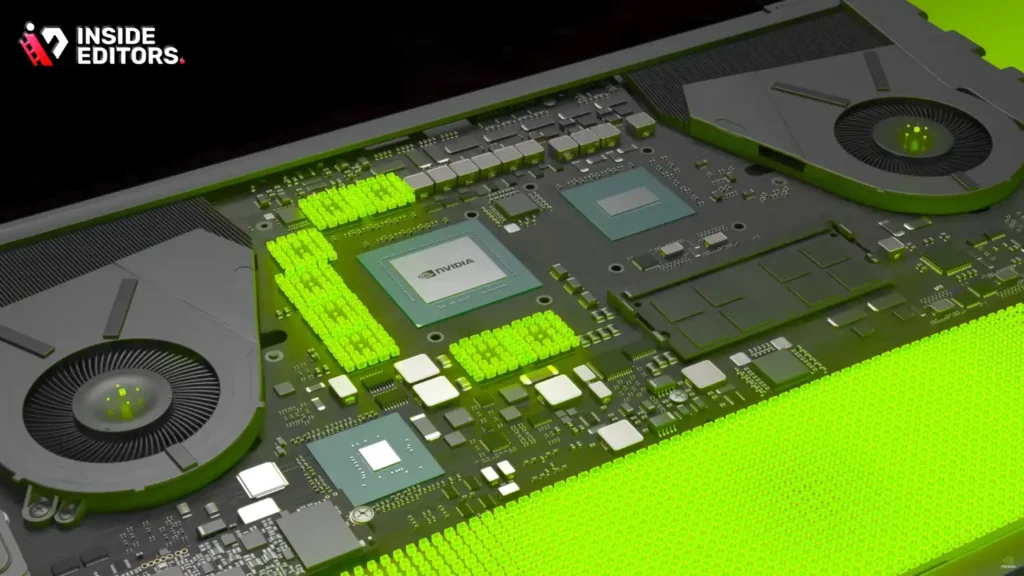
The RTX 4080 mobile GPU often represents the best balance of performance and cost efficiency in the high-end segment. It delivers performance remarkably close to the 4090 for significantly less money, making it a highly attractive video card for gaming laptop buyers.
The 4080 is perfectly suited for 1440p gaming at ultra settings, easily exceeding 100 FPS in most titles. It also handles 4K gaming effectively, especially when utilizing DLSS 3. The 12GB of VRAM provides excellent future-proofing.
“For the vast majority of gamers, the RTX 4080 delivers 90% of the 4090’s performance for 70% of the cost. It’s the smart enthusiast choice.” – Tom’s Hardware Review
3. The 1440p Workhorse: NVIDIA GeForce RTX 4070 (Mobile)
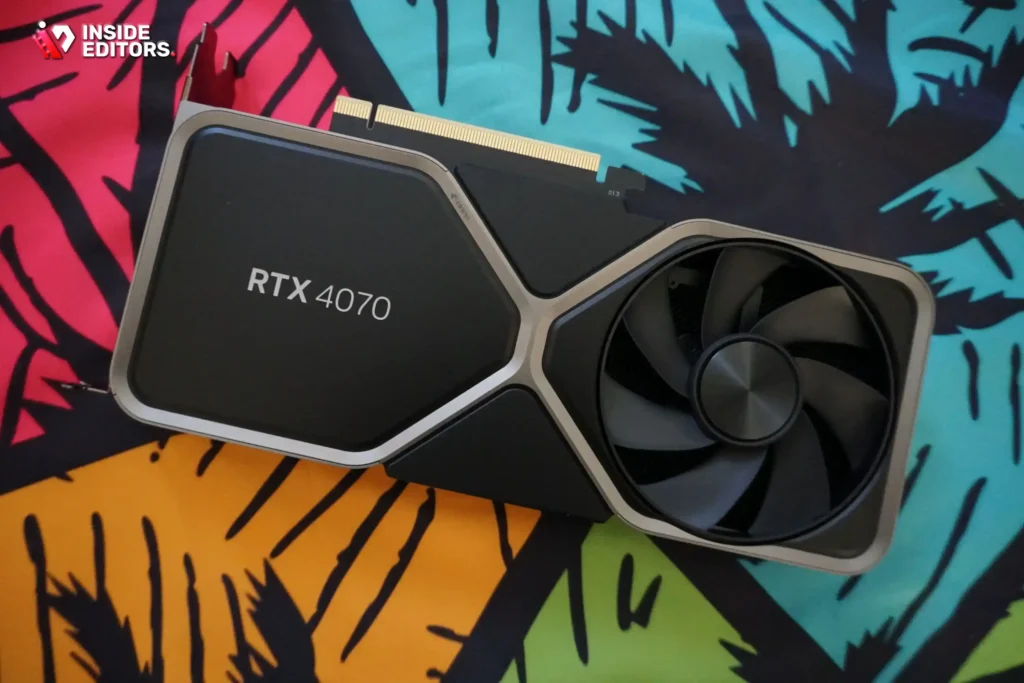
The RTX 4070 is arguably the most popular choice for a mid-to-high-range video card for gaming laptop. It hits the sweet spot for 1440p gaming, offering fantastic performance while maintaining reasonable power efficiency and thermal output.
The key advantage of the 4070 is its efficiency. It performs very well even at lower TGPs (around 100W), meaning it can be integrated into thinner, lighter chassis than the 4080 or 4090. This makes it ideal for users who prioritize portability alongside high-fidelity gaming.
4. The Rasterization Powerhouse: AMD Radeon RX 7800M XT
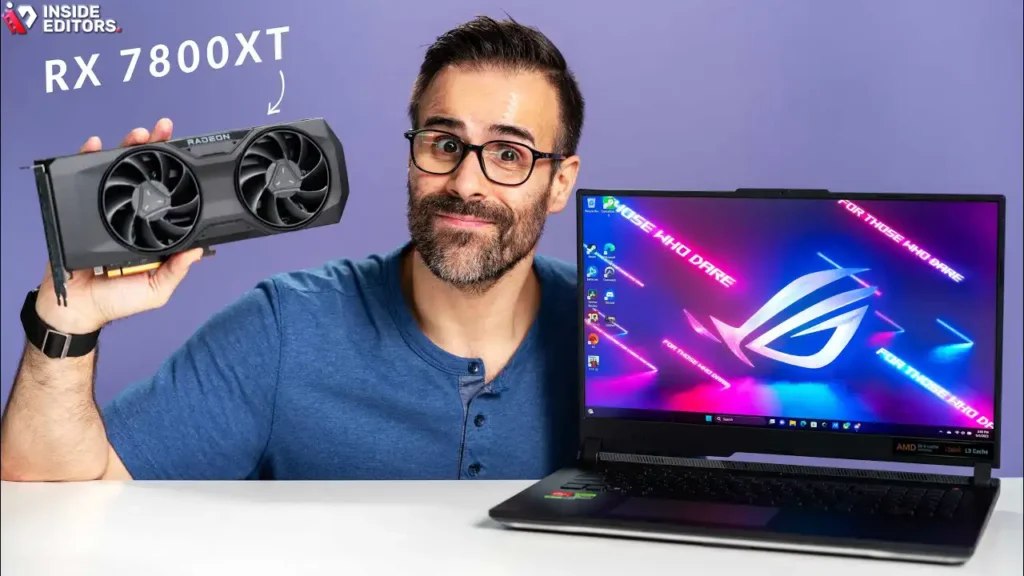
While NVIDIA dominates the high-end market, AMD offers compelling alternatives focused on raw rasterization performance (traditional rendering without ray tracing). The RX 7800M XT is a formidable video card for gaming laptop users who want excellent 1440p performance, often surpassing the RTX 4070 in non-ray-traced scenarios.
AMD’s FSR 3 technology provides a strong alternative to DLSS, and the 7800M XT typically comes with a generous amount of VRAM. If you play games that are optimized for AMD hardware or if ray tracing is not a priority, this GPU offers exceptional value.
5. The Value Champion: NVIDIA GeForce RTX 4060 (Mobile)
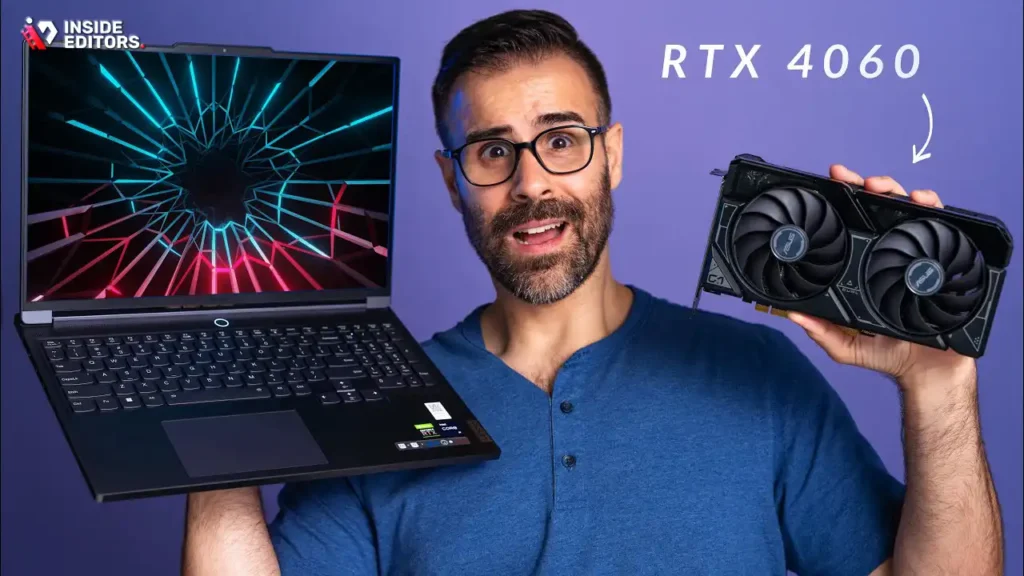
For the budget-conscious gamer or those focused purely on 1080p high-refresh-rate gaming, the RTX 4060 is the undisputed value champion. This video card for gaming laptop provides the full suite of modern features, including DLSS 3 and decent ray tracing capabilities, at an accessible price point.
The 4060 is perfect for the vast majority of gaming laptops sold today. It handles esports titles effortlessly and runs demanding AAA games at 1080p Ultra settings, often hitting 60+ FPS, especially when Frame Generation is enabled. It is also highly efficient, making it suitable for compact and thin-and-light gaming machines.
Technical Deep Dive: Comparing the Top Mobile GPUs
Understanding the specifications of a video card for gaming laptop requires looking beyond the model name. Here is a detailed comparison of the key specifications for our top five models:
| Specification | RTX 4090 (Mobile) | RTX 4080 (Mobile) | RTX 4070 (Mobile) | RX 7800M XT | RTX 4060 (Mobile) |
|---|---|---|---|---|---|
| Architecture | Ada Lovelace | Ada Lovelace | Ada Lovelace | RDNA 3 | Ada Lovelace |
| CUDA/Stream Processors | 9728 | 7424 | 4608 | 60 Compute Units | 3072 |
| VRAM (GDDR6) | 16 GB | 12 GB | 8 GB | 12 GB | 8 GB |
| Memory Bus Width | 256-bit | 192-bit | 128-bit | 192-bit | 128-bit |
| Max TGP (Approx.) | 175W+ | 175W+ | 140W | 165W | 115W |
| Upscaling Tech | DLSS 3.5 | DLSS 3.5 | DLSS 3.5 | FSR 3 | DLSS 3.5 |
The Importance of VRAM and Bus Width
Notice the differences in VRAM and memory bus width. The memory bus width dictates how fast the GPU can access its dedicated VRAM.
- The RTX 4070 and 4060 use a narrower 128-bit bus. While efficient, this can become a bottleneck at high resolutions (1440p and above) when the textures demand high bandwidth.
- The 4080, 4090, and 7800M XT utilize wider buses (192-bit or 256-bit), ensuring they can handle the massive data throughput required for 4K textures and complex scenes. If you plan on running competitive 1440p or 4K gaming, prioritize a video card for gaming laptop with a wider memory bus.
Expert Advice: Matching the Video Card to Your Workflow
Choosing the right video card for gaming laptop is not just about gaming; it’s about your entire digital workflow. Many users who purchase gaming laptops are also content creators, video editors, or 3D artists.
The Creator’s Perspective: Beyond Frame Rates
If your work involves video editing, 3D rendering, or streaming, the GPU takes on a dual role. NVIDIA GPUs historically hold an advantage here due to their dedicated encoders (NVENC) and superior driver optimization for professional applications like Adobe Premiere Pro, DaVinci Resolve, and Blender.
For professional video editors, the speed of rendering and exporting is paramount. The CUDA cores in high-end NVIDIA cards accelerate these tasks significantly.
“The NVENC encoder on the latest NVIDIA cards drastically reduces export times in video production software, making the 4080 or 4090 a productivity tool, not just a gaming component.” – Hardware Unboxed
If you are a content creator looking to maximize your output, consider how the power of your video card for gaming laptop translates into efficiency. Faster rendering means faster delivery.
Optimizing Your Video Content Workflow
As a content creator, you understand that raw footage is only the beginning. The final polished product requires expert editing, color grading, and audio enhancement. While a powerful video card for gaming laptop handles the rendering, professional quality often requires professional hands.
This is where the specialized services of Inside Editors come into play. We offer professional video editing services designed for YouTube creators, businesses, and marketers who need high-quality, consistent content without the time commitment.
Our professional editing team, with over 10 years of experience, ensures your gaming highlights, tutorials, or marketing videos look polished and professional. We offer fast turnaround times (24-72 hours) and unlimited revisions until you are completely satisfied. This allows you to focus on creating more great content, knowing the technical polish is handled by experts.
Whether you are using a high-end RTX 4090 or a more modest RTX 4060, pairing your powerful hardware with professional editing services ensures maximum impact for your audience. Our affordable pricing starts at just $29/video, including color grading and audio enhancement.
To learn more about how we can elevate your content, visit our video editing services page.
Common Mistakes When Choosing a Video Card
- Ignoring TGP: Assuming all RTX 4070s perform the same. Always check the TGP rating (e.g., 140W vs. 80W). A high-power 4060 can sometimes outperform a low-power 4070.
- Over-Prioritizing Ray Tracing: Ray tracing is beautiful but demanding. If you prioritize high frame rates in competitive games, you might be better served by a GPU with strong rasterization performance, even if its ray tracing is weaker.
- Underestimating VRAM Needs: Modern games are VRAM hungry. If you plan to use high-resolution texture packs or play games for several years, 8GB is the minimum; 12GB or 16GB is highly recommended for a top-tier video card for gaming laptop.
Future-Proofing Your Investment
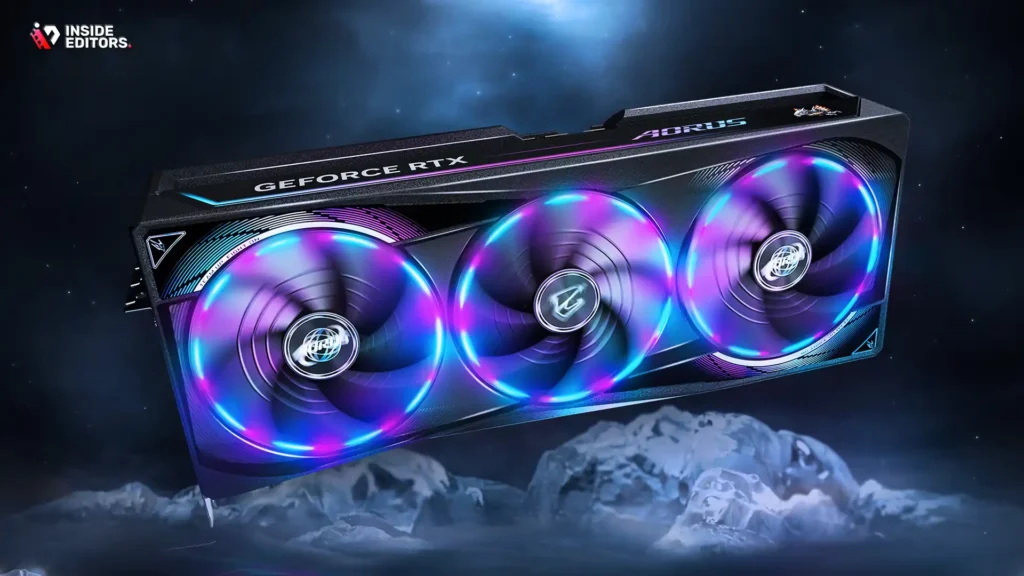
When selecting a video card for gaming laptop, think about longevity. A laptop is a fixed investment; unlike a desktop, you cannot easily upgrade the GPU later.
The Role of Upscaling Technology
Upscaling technologies like DLSS and FSR are the key to future-proofing. They allow a mid-range GPU today to perform like a high-end GPU from a few years ago.
- DLSS 3 (Frame Generation): This is a game-changer for the 40-series cards. It inserts entirely new, AI-generated frames between traditionally rendered frames. This can effectively double your frame rate in supported titles. If you are choosing an NVIDIA 40-series video card for gaming laptop, DLSS 3 support is a massive advantage.
- FSR 3: AMD’s open-source alternative is supported across more hardware, including older GPUs and competitor cards. While its image quality and frame generation implementation are rapidly improving, DLSS 3 generally holds a slight edge in maturity and visual fidelity.
If you are aiming for 1440p gaming with a mid-range GPU (like the RTX 4070), relying on DLSS 3 is essential to maintain high frame rates in the most demanding titles released over the next three to five years.
The Importance of Cooling
A fantastic video card for gaming laptop is useless if the laptop cannot cool it effectively. High temperatures cause thermal throttling, which drastically reduces performance.
When researching a specific laptop model, look for reviews that focus heavily on cooling performance, fan noise, and sustained performance tests. A well-engineered cooling system is just as important as the GPU itself.
Final Verdict and Recommendations
Choosing the best video card for gaming laptop depends entirely on your budget, resolution target, and portability needs. Here is our final recommendation matrix:
Recommendation Matrix
| Use Case | Recommended Video Card | Why We Choose It |
|---|---|---|
| Uncompromised 4K Gaming | RTX 4090 (High TGP) | Maximum power, 16GB VRAM, best Ray Tracing/DLSS 3. |
| 1440p High Refresh Rate | RTX 4080 (High TGP) | Excellent performance-per-dollar ratio, 12GB VRAM, strong efficiency. |
| Balanced 1440p/Portability | RTX 4070 (Mid TGP) | Great performance in thinner chassis, strong DLSS 3 support. |
| Best Value 1080p Gaming | RTX 4060 (Mid TGP) | Affordable entry to DLSS 3, handles all 1080p titles easily. |
The Expert Takeaway
If budget allows, the RTX 4080 mobile GPU offers the most future-proof and balanced performance for the enthusiast. It handles 1440p flawlessly and provides a strong entry into 4K gaming. If you are a student or casual gamer, the RTX 4060 provides exceptional value, making it a fantastic video card for gaming laptop users who want modern features without breaking the bank.
Ultimately, your choice in a video card for gaming laptop should align with the screen resolution of the laptop itself. Don’t buy an RTX 4090 if the laptop only has a 1080p screen-you will be paying for power you cannot use.
Elevate Your Content with Inside Editors
After investing in a powerful gaming laptop and the perfect video card for gaming laptop, make sure your content reflects that quality. If you are a streamer, YouTuber, or course creator, professional video editing is essential for building trust and maintaining a consistent brand.
Inside Editors specializes in transforming raw footage into polished, high-engagement videos. Our professional editors handle everything from color correction and audio enhancement to complex cuts and motion graphics. We understand the demands of content creation and offer a scalable solution that saves you time and guarantees professional results.
We pride ourselves on our expertise, fast turnaround (24-72 hours), and commitment to quality assurance. Let our team handle the technical details so you can focus on what you do best: creating.
To learn more about our professional video editing services, visit our service pages:
- Description: Professional video editing services for businesses, content creators, and marketers
- Key Features: Professional editing team with 10+ years experience, Fast turnaround (24-72 hours), Unlimited revisions until satisfied, Affordable pricing starting at $29/video, Color grading and audio enhancement included
- Benefits: Save time and focus on content creation, Professional quality that builds trust, Consistent brand style across all videos, Scalable solution for growing channels
- Ideal For: YouTube creators, Businesses, Marketing teams, Course creators
- Service URL: https://insideeditors.com/video-editing-services
Frequently Asked Questions
What is the best video card for gaming laptop performance?
The NVIDIA GeForce RTX 4090 mobile is currently the best video card for gaming laptop performance, offering unmatched power for 4K resolution and utilizing advanced DLSS 3 technology for maximum frame rates. However, it requires a high TGP and is very expensive.
How important is TGP for a gaming laptop video card?
TGP (Total Graphics Power) is critically important. It dictates the maximum power the video card for gaming laptop can draw. A high-wattage GPU performs significantly better than the same model constrained by low wattage, so always check the specific TGP rating of the laptop model.
Should I choose NVIDIA or AMD for my video card?
NVIDIA generally leads in efficiency, ray tracing, and professional application support (due to DLSS and NVENC). AMD offers excellent raw rasterization performance and often better value, making either a great choice for a video card for gaming laptop depending on your priorities.
What VRAM size is needed for 1440p gaming?
For comfortable 1440p gaming today, 8GB of VRAM is the minimum requirement. For future-proofing and using high-resolution texture packs in modern AAA titles, choosing a video card for gaming laptop with 12GB or more VRAM is highly recommended.
Does the RTX 4060 handle 1440p gaming well?
The RTX 4060 is primarily optimized for 1080p Ultra gaming. It can handle 1440p gaming effectively, but only by relying heavily on NVIDIA’s DLSS 3 and Frame Generation technology to boost frame rates and maintain smooth performance.
Why is cooling important for a mobile video card?
Effective cooling is vital because a video card for gaming laptop will throttle its performance (reduce clock speeds) when it gets too hot. Poor cooling prevents even the most powerful GPU from reaching its full potential, leading to lower frame rates.
What is the most balanced video card for gaming laptop?
The NVIDIA GeForce RTX 4080 mobile is widely considered the most balanced video card for gaming laptop users, offering near-flagship performance for 1440p and 4K gaming at a significantly lower cost than the RTX 4090.


