

The relationship between video gaming and depression is complex, often misunderstood, and frequently sensationalized. For many, video games offer a vital source of entertainment, social connection, and stress relief. However, when gaming habits shift from healthy recreation to compulsive escape, the line between hobby and harm blurs, potentially exacerbating or masking underlying mental health issues. Understanding this dynamic requires moving beyond simple causation and exploring the nuanced interplay of screen time, social isolation, and psychological well-being. This comprehensive guide, informed by psychological research and industry insights, aims to clarify the connection between video gaming and depression, providing actionable steps for maintaining a healthy balance.
Understanding the Complex Relationship Between Video Gaming and Depression
The core question isn’t whether video games cause depression, but rather how they interact with existing vulnerabilities and coping mechanisms. Research suggests that while excessive gaming can be a symptom or a maladaptive coping strategy for depression, certain game elements can also provide therapeutic benefits. It’s a two-sided coin: distraction and engagement versus avoidance and isolation.
The Role of Gaming as a Coping Mechanism
Many individuals struggling with depression find solace in the structured, rewarding world of video games. Games offer immediate gratification, clear goals, and a sense of mastery often lacking in real life. This escape mechanism can be temporarily soothing. However, relying heavily on gaming to numb negative feelings prevents the individual from developing healthier, long-term coping skills.
“Video games provide a sense of agency and competence that can be incredibly attractive to someone feeling helpless or overwhelmed by depression. The danger lies in substituting virtual achievement for real-world engagement.” – Dr. Jane McGonigal, Game Designer and Researcher
When the primary motivation for playing shifts from enjoyment to avoidance-using the game to escape responsibilities, relationships, or difficult emotions-it becomes a negative cycle. This avoidance often leads to further isolation, which is a significant risk factor for deepening depressive symptoms.
Defining Problematic Gaming Behavior
It is crucial to distinguish between enthusiastic participation and problematic gaming. Problematic use is generally characterized by impairment in social, occupational, or other important areas of functioning. It’s not about the hours played; it’s about the consequences of those hours.
| Feature | Healthy Gaming (Hobby) | Problematic Gaming (Symptom/Risk) |
|---|---|---|
| Motivation | Enjoyment, challenge, social connection | Avoidance, escape from negative emotions |
| Control | Can stop easily; integrates with other activities | Loss of control; inability to stop despite desire |
| Consequences | Minimal negative impact on sleep, work, school | Significant impairment in daily functioning, sleep deprivation, relationship strain |
| Emotional State | Feel energized or satisfied after playing | Feel irritable, anxious, or empty when not playing |
If you notice that your engagement with video gaming and depression seems intertwined-where the gaming stops the moment your mood dips-it’s time to assess the underlying function of the activity.
Recognizing the Signs of Gaming-Exacerbated Depression
While gaming does not inherently cause mental illness, the lifestyle associated with excessive gaming can amplify depressive symptoms. Recognizing these signs is the first step toward intervention and recovery.
Physical and Lifestyle Indicators
Excessive gaming often leads to neglect of basic self-care, creating a physical environment that supports depression. This includes significant changes in sleep patterns, often involving staying up late and sleeping through the day, which disrupts the body’s natural circadian rhythm. Poor nutrition, characterized by reliance on fast food or snacks, and a lack of physical activity further contribute to low energy and poor mood regulation.
Emotional and Cognitive Markers
The emotional signs are often more subtle but more damaging. Individuals may experience heightened irritability, particularly when interrupted or prevented from playing. They might show a marked loss of interest in previously enjoyed activities, such as sports, hobbies, or spending time with non-gaming friends. Furthermore, academic or occupational performance often declines sharply as focus shifts almost entirely to the game.
“The persistent pursuit of virtual rewards at the expense of real-world responsibilities is a hallmark of problematic behavior. It’s a trade-off that rarely favors long-term mental health.” – Clinical Psychologist, specializing in digital well-being.
If you are a content creator or a professional streamer, the pressure to maintain engagement can blur the lines between work and addiction. If you find yourself needing professional help to manage your content creation workflow so you can prioritize mental health, services like professional video editing can be invaluable.
The Impact of Social Isolation on Mental Health
While many modern games are highly social, played online with friends or guild members, this virtual socialization often replaces face-to-face interaction. Real-world social interaction provides complex emotional cues and physical connection necessary for robust mental health. When virtual social bonds supersede genuine, physical connection, feelings of loneliness and isolation can actually increase, fueling the cycle of video gaming and depression.
Strategies for Balancing Gaming and Mental Wellness
Achieving a healthy balance requires intentional effort and the establishment of clear boundaries. The goal is not necessarily abstinence, but integration-making gaming a healthy part of a fulfilling life, not the whole life.
1. Implementing Time Management and Boundary Setting
Effective boundary setting is critical. This involves scheduling specific, non-negotiable times for gaming and sticking to them. Use external tools, like timers or apps, to enforce limits.
A Step-by-Step Guide to Reclaiming Time:
- Identify Core Needs: Determine the minimum time required for sleep (8 hours), work/school, exercise (30 mins), and social connection (1 hour).
- Schedule Non-Negotiables: Block these times out first in your calendar.
- Allocate Gaming Time: Assign a fixed block for gaming (e.g., 2 hours after dinner). Treat it like any other appointment.
- Create Physical Barriers: Move the gaming setup out of the bedroom to protect sleep hygiene.
- Establish Transition Rituals: Have a clear activity (e.g., a short walk or reading a book) that signifies the end of the gaming session.
2. Developing Alternative Coping Mechanisms
Since gaming often serves as an escape, replacing it with healthier coping mechanisms is essential. When the urge to play arises due to stress or sadness, try substituting the activity with something that addresses the underlying emotion without avoidance.
- Mindfulness and Movement: A short walk, stretching, or deep breathing exercises can disrupt the depressive loop.
- Creative Outlets: Engaging in non-digital activities like drawing, playing an instrument, or journaling.
- Social Connection: Intentionally reaching out to a friend or family member for a face-to-face conversation.
3. Seeking Professional Support
If the relationship between video gaming and depression feels overwhelming, professional help is necessary. Cognitive Behavioral Therapy (CBT) is highly effective in identifying the thought patterns that drive excessive gaming and replacing them with healthier behaviors. Support groups, both online and in-person, can also provide a crucial sense of community and shared experience.
The Creator’s Edge: Maintaining Balance While Working in Gaming
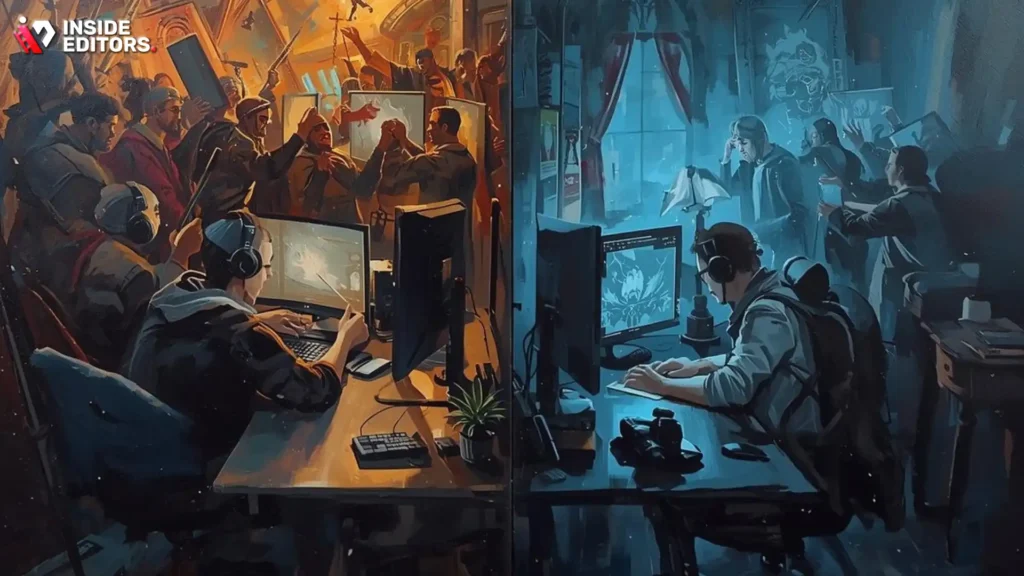
For content creators, streamers, and professionals whose livelihood depends on video games, the challenges are amplified. The boundary between work and personal life dissolves, making it difficult to step away. This constant pressure can significantly increase the risk of burnout and depression.
Leveraging Professional Services for Work-Life Balance
One practical way creators can safeguard their mental health is by delegating time-intensive, repetitive tasks. Video editing, for example, is a necessary but often draining part of content creation. Outsourcing this work frees up significant time that can be reinvested in self-care, exercise, or genuine social interaction.
Inside Editors offers professional video editing services designed specifically for content creators, businesses, and marketers. Our service allows you to save time and focus on content creation-or, more importantly, focus on your well-being. We provide a professional editing team with 10+ years experience, ensuring high-quality results. Our workflow includes fast turnaround (24-72 hours) and unlimited revisions until you are satisfied, all at affordable pricing starting at $29/video. We handle the technical details, including color grading and audio enhancement, providing a consistent brand style across all your videos. This scalable solution is ideal for YouTube creators and businesses looking to grow without sacrificing personal time.
If you are struggling to balance the demands of creating content about video gaming and depression-or any topic-consider how professional support can alleviate the workload and improve your quality of life.
Comparison of Self-Editing vs. Professional Editing
| Feature | Self-Editing (Creator) | Professional Editing (Inside Editors) |
|---|---|---|
| Time Investment | High (often 1:5 ratio of footage to finished product) | Low (Focus only on filming and review) |
| Quality & Consistency | Variable; dependent on creator’s energy and skill | Professional quality that builds trust; consistent brand style |
| Mental Load | High; risk of burnout and repetitive strain | Low; allows focus on creative strategy and mental health |
| Cost | Time cost, software subscription, hardware upgrades | Affordable pricing starting at $29/video |
Nuance and the Positive Aspects of Gaming
It is vital to acknowledge that not all engagement with video gaming and depression is negative. Used mindfully, games can be a powerful tool for cognitive and emotional growth.
Therapeutic and Cognitive Benefits
Certain games are specifically designed or utilized for therapeutic purposes. They can improve problem-solving skills, enhance reaction time, and foster strategic thinking. Massive Multiplayer Online Role-Playing Games (MMORPGs) can even provide a low-stakes environment for practicing social skills, especially for those who struggle with anxiety in face-to-face settings.
“When used moderately, video games can be powerful tools for cognitive training, emotional regulation, and even pain distraction. The key is moderation and intentionality.” – Research from the National Institute of Mental Health (NIMH).
The Power of Flow State
Gaming often induces a state of “flow,” where the player is completely absorbed and focused on the task at hand. This state is associated with reduced anxiety and increased feelings of competence. For someone experiencing the mental fog of depression, achieving flow can be a temporary but meaningful relief, provided it doesn’t become the only source of positive emotion.
Final Thoughts on Video Gaming and Depression
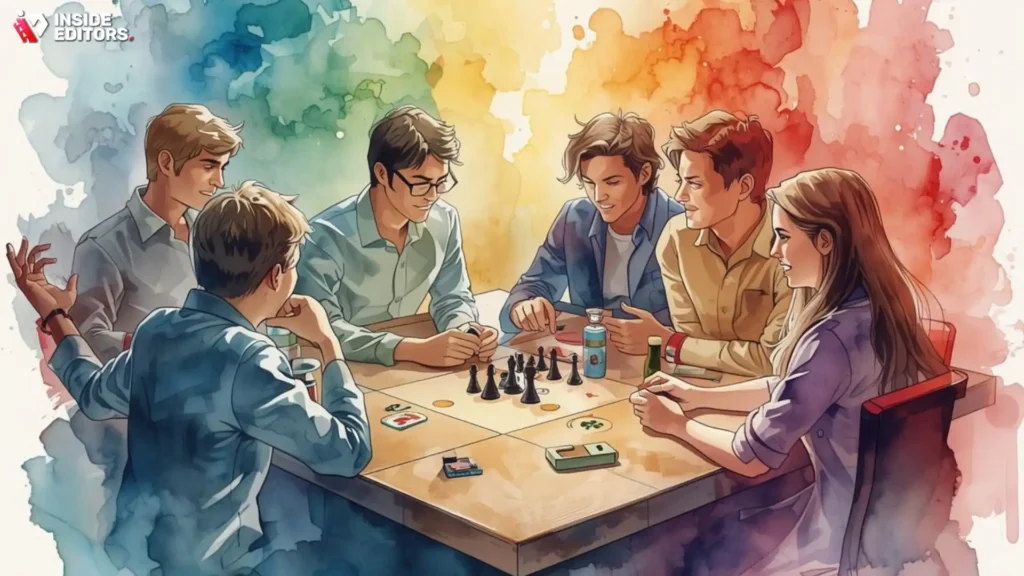
The relationship between video gaming and depression is not one of simple cause and effect, but rather a complex interaction influenced by individual vulnerabilities, lifestyle choices, and the function the game serves in a person’s life. If gaming is used as an escape that consistently displaces real-world responsibilities and social connections, it can certainly exacerbate depressive symptoms.
The path toward balance involves recognizing the warning signs, setting firm boundaries, and actively developing healthier coping mechanisms. If you are a content creator, remember that prioritizing your mental health is the best long-term strategy for your career. Outsourcing demanding tasks, such as video editing, can create the necessary space for recovery and balance.
By approaching video games with awareness and moderation, they can remain a source of enjoyment, challenge, and connection, rather than a barrier to mental wellness.
Frequently Asked Questions
Can video games cause depression?
Video games do not directly cause depression, but excessive use can be a symptom of underlying depression or can worsen existing symptoms. Problematic gaming often leads to social isolation, sleep disruption, and neglect of self-care, all of which fuel the cycle of video gaming and depression.
How many hours of gaming is too much?
There is no fixed number, as ‘too much’ is defined by the negative impact on daily life. If gaming interferes with sleep, work, relationships, or hygiene, it is problematic, regardless of the hours. Focus on the consequences, not just the duration of video gaming and depression interaction.
What are the signs of problematic gaming?
Signs include loss of control over time spent playing, irritability when unable to play, neglecting responsibilities, and using games primarily to escape negative emotions. These behaviors indicate a harmful link between video gaming and depression.
How can creators balance gaming and work?
Creators should set strict work hours and delegate time-consuming tasks like video editing. Outsourcing editing frees up time for vital self-care, exercise, and real-world social interaction, helping to manage the pressures of content creation.
Are there positive aspects to gaming?
Yes, moderate gaming can improve cognitive skills, reaction time, and problem-solving abilities. Games can also offer a sense of achievement and social connection, provided they are balanced with real-world engagement and responsibilities.


