


The global landscape of interactive entertainment is vast, but few regions present a more complex and tightly controlled environment than the People’s Republic of China. For developers, publishers, and players alike, understanding the regulatory framework governing video gaming in China is essential. This system is not merely about taxation or market access; it is a profound reflection of the government’s priorities regarding social stability, public health, and cultural integrity.
The heavy regulation of video gaming in China stems primarily from a top-down approach aimed at controlling content, limiting playtime, and managing the economic impact of the industry. This article will explore the core reasons behind these stringent rules, detailing the mechanisms used to enforce them and the resulting impact on one of the world’s largest gaming markets.
The Philosophical Foundation: Why Control Video Gaming in China?

The stringent oversight of video gaming in China is rooted in deep ideological and social concerns that extend far beyond typical market regulations seen in Western countries. The government views digital entertainment not just as a commodity but as a powerful cultural and educational tool that must align with core socialist values.
Protecting Youth and Combating Addiction
One of the most frequently cited justifications for strict regulation is the protection of minors. Concerns about gaming addiction, myopia, and the overall physical and mental health of young people drive many of the most restrictive policies.
In the eyes of regulators, excessive engagement with digital games is seen as a societal ill that detracts from academic performance and social development. This perspective led directly to the implementation of the most famous restrictions: strict time limits. These limits dictate that minors can only play games for a few hours per week, typically on weekends or public holidays, and only during specific evening hours. These rules require real-name verification and facial recognition technology to ensure compliance, making the control over video gaming in China highly granular.
“The primary goal of these regulations is to prevent children from becoming addicted to games, which the government views as ‘spiritual opium’ that harms the nation’s future.” – State Media Commentary, 2021
Maintaining Cultural and Political Stability
Content control is perhaps the most critical aspect of the Chinese regulatory environment. All media, including video games, must adhere to strict censorship guidelines designed to uphold political stability and promote approved cultural narratives. This means that any content deemed subversive, historically inaccurate (by official standards), or promoting “spiritual pollution” is strictly prohibited.
Developers seeking to publish in China must navigate a complex approval process that scrutinizes every line of dialogue, every character design, and every plot point. Themes that are routinely flagged include depictions of ghosts or the supernatural, excessive violence or gore, political commentary, and anything that might challenge the authority of the state or the Communist Party. This rigorous screening process ensures that the cultural output of video gaming in China aligns with state-sanctioned morality.
Economic and Market Control
While social concerns dominate the narrative, the economic control over the gaming industry is also a significant factor. The government manages the number of games released annually through a strict licensing system, known as the ISBN approval process.
This system serves two main purposes: first, to ensure quality and ideological compliance before a game reaches the public, and second, to manage the growth and size of the domestic market. By limiting the number of licenses granted, the government can slow down the industry’s expansion when it feels it is growing too fast or becoming too influential. This control mechanism shapes the entire landscape of video gaming in China, favoring established domestic publishers who have the resources and relationships to navigate the complex approval bureaucracy.
The Mechanisms of Control: How Regulation is Enforced

Enforcement in the Chinese gaming sector is systematic, utilizing technology, bureaucratic oversight, and punitive measures to ensure compliance. This layered approach makes the regulatory environment particularly challenging for both domestic and international companies.
The ISBN Approval Process and Licensing Freeze
The cornerstone of regulatory control is the ISBN (International Standard Book Number) approval process, which every game-foreign or domestic-must obtain before it can be legally sold or monetized. This process is managed by the National Press and Publication Administration (NPPA).
The NPPA reviews games based on content, technical specifications, and adherence to social values. The process is often opaque and lengthy, sometimes taking years. Furthermore, the NPPA has, on several occasions, instituted complete freezes on new game approvals, halting the entire market pipeline. These freezes, often implemented without clear warning, demonstrate the immense power the state holds over the entire ecosystem of video gaming in China.
Real-Name Verification and Anti-Addiction Systems
To enforce youth playtime limits, the government mandates the use of robust anti-addiction systems integrated directly into the games. These systems require players to register using their real names and national identity numbers.
Facial recognition technology is increasingly being deployed to verify the identity of players, particularly during late-night hours, ensuring that adults are not simply lending their accounts to minors. This technological surveillance is a defining feature of video gaming in China, allowing for precise, real-time control over who plays and for how long.
Content Censorship and Localization Challenges
For international developers, content censorship presents the biggest hurdle. Localization goes far beyond simple translation; it requires significant modification of game assets, storylines, and even character appearances.
For instance, skeletons are often replaced with fleshy zombies, blood colors are changed from red to black or green, and any mention of sensitive political topics is removed entirely. These mandatory changes require substantial investment and often compromise the original artistic vision of the game. Navigating these censorship requirements demands specialized knowledge and careful planning.
Navigating the Regulatory Minefield: Challenges for Developers

The strict regulatory environment creates unique operational challenges for companies involved in video gaming in China. Success requires not only a compelling product but also mastery of bureaucratic compliance.
The High Cost of Compliance and Delays
The time and resources required to achieve regulatory approval are substantial. Developers must employ dedicated compliance teams, often working closely with local partners, to pre-emptively modify content and manage the lengthy submission process.
The unpredictability of approval timelines means that marketing plans and revenue projections are constantly at risk. A sudden licensing freeze can wipe out months of preparation and delay a game’s release indefinitely. This inherent instability makes long-term investment in video gaming in China a high-risk proposition for many smaller studios.
The Impact on Game Design and Creativity
The constant threat of censorship inevitably stifles creativity. Developers must self-censor during the design phase, avoiding potentially sensitive themes to maximize their chances of approval. This leads to a homogenization of content, where games often adhere to safe, government-approved narratives.
The focus shifts from innovative storytelling to mechanics that are less likely to offend. This constraint affects the global gaming market, as many large international studios design their games with Chinese compliance in mind from the start, subtly influencing global game design trends.
Comparison of Regulatory Focus
| Feature | Western Markets (e.g., US/EU) | Video Gaming in China |
|---|---|---|
| Primary Focus | Consumer protection, data privacy, anti-monopoly. | Social stability, ideological purity, youth protection. |
| Content Review | Age ratings (e.g., ESRB, PEGI); voluntary compliance. | Mandatory pre-approval; strict ideological censorship. |
| Player Verification | Optional registration; focused on payment security. | Mandatory real-name verification; facial recognition. |
| Playtime Limits | None enforced by government. | Strict limits for minors (e.g., 3 hours per week). |
| Market Access | Open competition; fast digital release. | Controlled ISBN licensing; unpredictable release schedule. |
The Social and Economic Consequences of Heavy Regulation

The strict control over video gaming in China has had profound effects, shaping consumer behavior, industry structure, and even the global perception of the Chinese market.
Shifting Player Behavior and the Gray Market
When official channels impose severe restrictions, players often seek alternatives. The strict anti-addiction limits for minors have led to a rise in the use of VPNs, shared adult accounts, and the use of gray market platforms to access international versions of games that are not subject to Chinese oversight.
While the government attempts to close these loopholes, the demand for unrestricted gaming experiences remains high, fueling a persistent, though illicit, parallel market. This demonstrates the difficulty of completely controlling digital consumption in the modern era.
Consolidation of Power Among Domestic Giants
The complex and costly compliance process naturally favors large, well-funded domestic companies like Tencent and NetEase. These companies possess the necessary capital, political connections, and legal teams to navigate the bureaucratic maze successfully.
This regulatory advantage leads to market consolidation. Smaller studios struggle to compete, resulting in an industry dominated by a few major players. This lack of competition can stifle innovation and limit the diversity of games available to consumers in video gaming in China.
“The regulatory environment acts as a natural barrier to entry. If you don’t have the scale and political capital of a major tech conglomerate, obtaining an ISBN is a monumental task.” – Industry Analyst, 2023
The Need for Professional Content Management
For companies operating in the global digital space, particularly those that rely on video content to promote their games or services, the regulatory environment in China highlights the critical need for professional, adaptable content creation. Video content, whether for marketing, tutorials, or streaming, must be meticulously managed to ensure quality and compliance across different regions.
This is where specialized services become invaluable. For instance, if you are a developer looking to create high-quality trailers or promotional videos for your game, you need a partner who understands the demands of professional production and fast turnaround times.
Inside Editors offers professional video editing services designed for businesses, content creators, and marketers. Our team of professional editors, with over 10 years of experience, ensures that your video content is polished, engaging, and ready for global distribution. We offer fast turnaround times (24-72 hours) and unlimited revisions until you are completely satisfied. This reliable, scalable solution allows game developers and marketers to save time and focus on their core product, while ensuring consistent brand style and professional quality that builds trust with audiences worldwide.
Expert Insights: The Pros and Cons of Heavy Regulation
While the regulations are often criticized by the industry, proponents argue they achieve certain social goals. Understanding both sides provides a nuanced view of the landscape of video gaming in China.
Arguments for Strict Regulation (Pros)
- Reduced Gaming Addiction: The strict limits demonstrably reduce the time minors spend playing games, addressing a genuine public health concern.
- Cultural Preservation: By filtering foreign content, the regulations aim to protect and promote domestic cultural values and narratives.
- Orderly Market Growth: The ISBN system prevents market saturation and ensures that only vetted, high-quality (by regulatory standards) products reach consumers.
- Protection of Minors’ Health: Policies directly address concerns like myopia and sedentary lifestyles by limiting screen time.
Arguments Against Strict Regulation (Cons)
- Stifled Innovation: Self-censorship limits creative expression and leads to less diverse game content.
- Market Instability: Unpredictable licensing freezes and regulatory shifts create massive operational risk for businesses.
- Increased Gray Market Activity: Restrictions push players toward unregulated, unofficial channels, undermining the purpose of control.
- Global Influence: The need to comply with Chinese rules influences the design and content of games released globally.
The Future Trajectory of Video Gaming in China
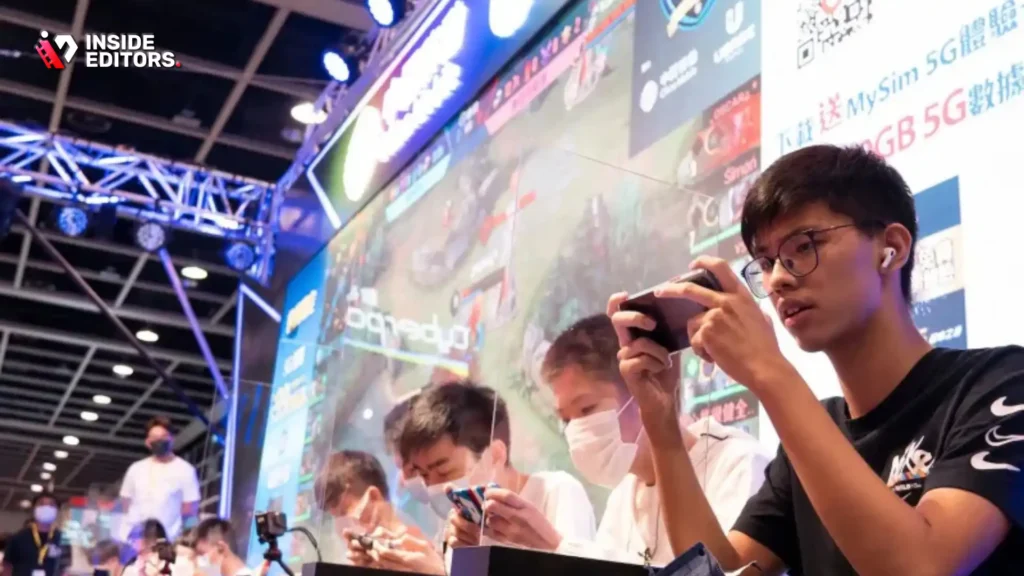
The regulatory landscape is constantly evolving, but the core principles of control and oversight appear firmly entrenched. Future trends suggest a continuation of technological enforcement and a focus on content quality.
Focus on Content Quality and Morality
The NPPA has signaled a shift toward emphasizing “high-quality” content that promotes positive social values. This means games that incorporate elements of traditional Chinese culture, history, or educational themes are likely to receive preferential treatment during the approval process. The era of quick, low-effort mobile games is likely ending, replaced by a demand for more sophisticated, ideologically compliant titles.
Increasing Technological Surveillance
Expect the anti-addiction systems to become even more sophisticated. The use of AI and big data analytics to monitor player behavior and enforce playtime limits will likely increase. This continuous technological arms race between regulators and players seeking loopholes defines the modern experience of video gaming in China.
Global Implications for Developers
For developers outside China, the market remains immensely tempting due to its sheer size, but the regulatory hurdles demand strategic partnerships and meticulous content planning. Success requires a dedicated approach to compliance, often involving creating separate, compliant versions of games specifically for the Chinese market.
If you are producing promotional videos, trailers, or developer diaries for a global audience, maintaining high production standards is non-negotiable. Inside Editors specializes in providing professional video editing services, offering a streamlined workflow where our expert team handles everything from color grading to audio enhancement. Our affordable pricing, starting at just $29/video, makes professional quality accessible, helping you maintain a consistent, trustworthy brand image across all your digital platforms.
Conclusion: Navigating the Regulatory Maze
The heavy regulation of video gaming in China is a multifaceted phenomenon driven by deep-seated government concerns over public health, social stability, and cultural integrity. From the strict ISBN licensing system to the technologically enforced anti-addiction measures, the state maintains tight control over the content and consumption of digital entertainment.
While these regulations create significant barriers to entry and challenge creative freedom, they also define the unique characteristics of the Chinese gaming market. For those looking to engage with this massive audience, whether as a developer, publisher, or content creator, understanding these stringent rules is the first step toward navigating this complex and highly rewarding landscape.
To ensure your game’s visual identity remains professional and consistent across all marketing channels, consider partnering with experts. Inside Editors offers professional video editing services, providing a scalable solution for growing channels and marketing teams. Our commitment to quality, fast turnaround (24-72 hours), and unlimited revisions ensures your video content always meets the highest standards, allowing you to save time and focus on developing the next great game.
Frequently Asked Questions
Why are minors limited in playing games?
The government limits minors’ playtime to combat gaming addiction and protect their physical health, viewing excessive video gaming in China as a significant social concern. Strict real-name verification systems enforce these limits.
What is the ISBN approval process?
The ISBN approval process is the mandatory licensing system managed by the NPPA. Every game must obtain an ISBN before release, ensuring content compliance and controlling the overall market for video gaming in China.
How does censorship affect foreign games?
Foreign games must undergo extensive content modification to remove elements deemed politically sensitive, violent, or culturally inappropriate. This often requires significant changes to the game’s original design and narrative.
Are there playtime limits for adults?
Currently, the strictest playtime limits are focused on minors. Adults face fewer direct restrictions, though general content and monetization rules still apply to all forms of video gaming in China.
What is the biggest challenge for developers?
The biggest challenge is the unpredictable nature of the ISBN approval process and the high cost of compliance, which can delay releases indefinitely and require extensive content self-censorship.
Who enforces the anti-addiction rules?
The anti-addiction rules are enforced through mandatory integration of real-name verification and identity checks, often using facial recognition technology, directly within the game platforms themselves.
Does this regulation affect global game design?
Yes, many large international developers design their games with Chinese compliance in mind from the start, subtly influencing global content and design choices to ensure market access for video gaming in China.


