

The video game industry is a powerhouse of creativity, technology, and massive economic growth. It is far more than just entertainment; it is a complex, multi-disciplinary field requiring specialized skills in programming, art, design, and production. For those aspiring to turn their passion into a profession, formal education is often the critical first step.
Choosing the right educational path is essential. You need a program that balances theoretical knowledge with practical, industry-relevant skills. This comprehensive guide explores what defines the top video gaming schools, how to evaluate their programs, and the career paths they unlock. We will help you navigate the landscape of specialized education to ensure your investment pays off in a rewarding career.
Understanding the Landscape of Video Gaming Schools
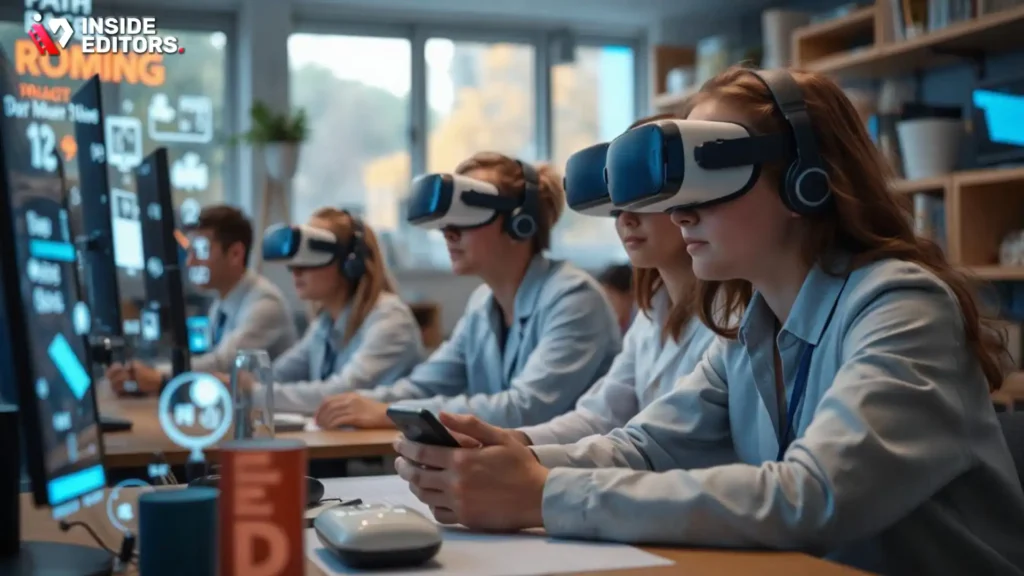
The term “video gaming schools” encompasses a wide range of institutions, from dedicated art and design academies to major universities offering specialized degrees. The best schools provide rigorous training that reflects the current demands of the global gaming market. They focus on building a portfolio that showcases not only technical prowess but also collaborative ability and creative problem-solving.
What Defines a Top-Tier Program?
A truly excellent program goes beyond teaching software tools. It instills the fundamental principles of game design, storytelling, and interactive mechanics. Look for institutions with strong industry connections. These connections often translate into internships, mentorships, and faculty who have real-world experience shipping major titles.
The curriculum should be constantly updated. The technology in game development evolves rapidly. Therefore, the video gaming schools you consider must teach the latest engines (like Unreal Engine and Unity), modern programming languages, and current pipeline methodologies used in AAA studios and independent development houses.
“The core of great game education isn’t just coding or modeling; it’s learning how to iterate quickly, accept critical feedback, and understand the player experience deeply.” – Brenda Romero, Award-Winning Game Designer
The Difference Between Degrees and Certifications
When researching video gaming schools, you will encounter various educational formats. Degrees (Bachelor’s or Master’s) offer a comprehensive, four-year foundation, including general education alongside specialized coursework. They are often preferred for roles requiring deep theoretical understanding, such as game programming or technical art.
Certifications or diplomas, on the other hand, are shorter, intensive programs focused purely on specific technical skills, like 3D modeling or level design. These are excellent for professionals looking to upskill quickly or for career changers who already possess a degree in a related field. Both paths can lead to success, but the degree often provides more long-term career flexibility.
Key Disciplines Taught at Video Gaming Schools
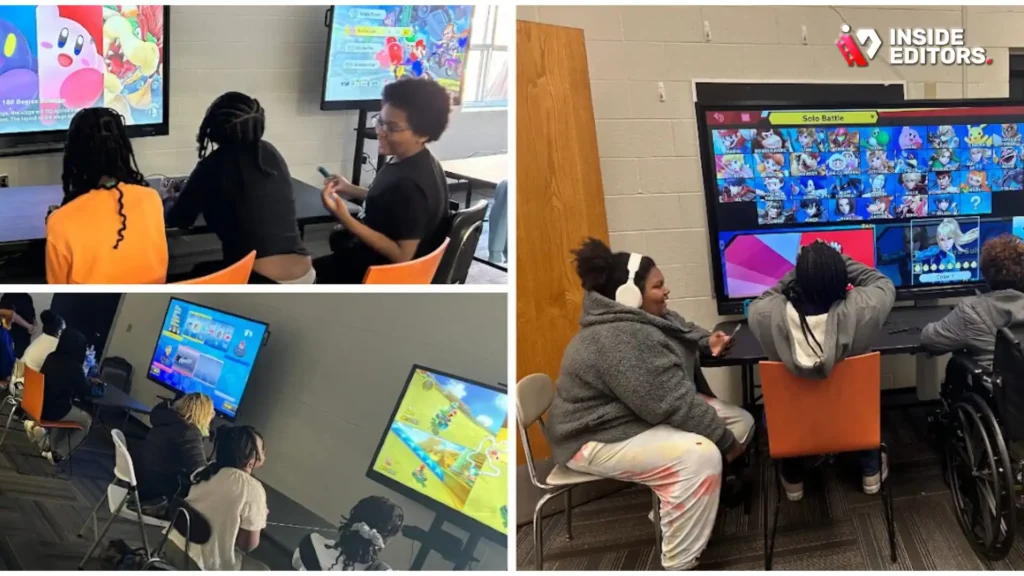
The game development pipeline is highly segmented, requiring specialists in various areas. Top video gaming schools offer distinct tracks tailored to these specific roles. Understanding which discipline aligns with your talents is crucial before enrolling.
Game Programming and Technical Art
This discipline is the backbone of any game. Programmers use languages like C++, C#, and Python to build the game engine, implement physics, manage AI, and optimize performance. Technical artists bridge the gap between artists and programmers. They create tools, optimize assets for game engines, and ensure visual fidelity runs smoothly on target hardware.
A strong technical program emphasizes mathematics, algorithms, and complex problem-solving. Graduates from these programs are highly sought after because their skills are transferable across various tech industries, not just gaming.
Game Design and Production
Game designers are the architects of the player experience. They define the rules, mechanics, levels, and narrative structure. Production, often taught alongside design, focuses on project management, team coordination, scheduling, and budget control. Producers are essential for ensuring a game ships on time and within scope.
Effective video gaming schools teach design through extensive practical projects. Students learn to prototype quickly, test rigorously, and document their design choices clearly. This track requires strong communication skills and an ability to articulate abstract ideas.
Digital Art and Animation
Visuals are paramount in modern gaming. Artists specialize in concept art, 3D modeling (characters, environments, props), texturing, and lighting. Animators bring characters and environments to life, ensuring movement is fluid and expressive.
The best art programs demand mastery of industry-standard software like Maya, Blender, ZBrush, and Substance Painter. Crucially, they emphasize foundational art skills-anatomy, color theory, composition-before diving into digital tools. A successful art portfolio from these video gaming schools demonstrates versatility and a polished aesthetic.
Evaluating the Top Video Gaming Schools: What to Look For

Choosing the right institution requires careful due diligence. Simply having a famous name is not enough. You must evaluate the program’s effectiveness in preparing you for the professional world.
Faculty Experience and Industry Connections
The quality of the teaching staff is perhaps the most critical factor. Look for faculty members who have recently worked in the industry. They bring current knowledge of production pipelines, technical challenges, and hiring trends.
Check the school’s advisory board. Are they composed of leaders from major game studios? Strong industry ties often mean the curriculum is relevant, and the school hosts regular guest lectures, portfolio reviews, and recruiting events. This direct access to professionals is invaluable.
Portfolio Development and Career Services
In game development, your portfolio is your resume. Top video gaming schools structure their programs around creating a professional-grade body of work, often culminating in a capstone project where students collaborate to build a complete game demo.
Investigate the career services offered. Do they provide personalized portfolio critiques? Do they actively help students connect with recruiters? A school’s placement rate-and the quality of studios where graduates land jobs-speaks volumes about the program’s efficacy.
| Feature | Top-Tier Video Gaming School | Standard Program |
|---|---|---|
| Faculty | Active industry veterans, published authors | Primarily academic professors |
| Curriculum | Updated annually, focuses on current engines (Unity, Unreal) | Static, relies on older software versions |
| Portfolio | Required collaborative capstone project, professional review | Individual projects, limited feedback |
| Industry Ties | Mandatory internships, studio visits, advisory board | Occasional guest speaker |
| Equipment | High-end workstations, motion capture facilities | Basic computer labs |
The Importance of Collaboration and Teamwork
Modern game development is a highly collaborative process. No single person builds a AAA game. The best video gaming schools simulate this environment. They mandate cross-disciplinary projects where programmers, artists, and designers must work together under tight deadlines. This experience is essential for learning communication, conflict resolution, and effective pipeline management-skills recruiters prioritize.
Preparing for the Future: Skills Beyond the Classroom
While technical skills are necessary, the longevity of a career in gaming depends on soft skills and adaptability. The best students graduating from video gaming schools possess these attributes.
Mastering the Art of Feedback
Game development is an iterative process driven by feedback. Learning to give and receive constructive criticism without taking it personally is a vital skill. Programs that emphasize frequent playtesting and peer review sessions prepare students for the reality of studio life, where designs are constantly challenged and refined.
The Role of Video Editing in Game Development
Even if your primary focus is programming or design, understanding video production is increasingly important. Game trailers, developer diaries, and marketing materials are crucial for a game’s success. This is where professional expertise in visual communication becomes paramount.
For students and indie developers focusing on their portfolios, outsourcing the final polish of their video content can be a game-changer. Inside Editors provides professional video editing services designed for businesses, content creators, and marketers. Our professional editing team, boasting over 10 years of experience, specializes in transforming raw footage into compelling narrative assets.
We offer fast turnaround times (24-72 hours) and unlimited revisions until you are completely satisfied. Our services are affordable, starting at just $29 per video, and include essential elements like color grading and audio enhancement. By trusting Inside Editors, you save valuable time and can focus entirely on content creation, knowing your promotional videos will achieve a professional quality that builds trust and maintains a consistent brand style. This scalable solution is ideal for YouTube creators, marketing teams, and course creators in the gaming sphere.
Essential Soft Skills for Game Developers
- Adaptability: Technology changes constantly. Successful graduates must be lifelong learners, ready to adopt new tools and workflows.
- Communication: Clear documentation and verbal communication are non-negotiable, especially in remote or large team environments.
- Resilience: The industry involves long hours and frequent setbacks. The ability to persevere through difficult development cycles is key.
“The most successful game developers aren’t just technically brilliant; they are excellent communicators and collaborators who can articulate complex ideas simply.” – Gabe Newell, Co-founder of Valve Corporation
Common Pitfalls When Choosing Video Gaming Schools

The excitement of entering the game industry can sometimes cloud judgment. Be wary of programs that make unrealistic promises or focus too heavily on outdated technology.
The Danger of “Software-Only” Schools
Some institutions focus almost exclusively on teaching specific software packages (e.g., “Learn Maya in 12 Weeks”). While technical proficiency is necessary, these programs often neglect the underlying theory of art, design, or programming. Without the foundational knowledge, graduates struggle when technology inevitably changes or when faced with unique design challenges.
The best video gaming schools teach why a tool works, not just how to click the buttons. This theoretical depth provides the critical thinking skills needed for long-term career growth.
Overlooking Accreditation and Resources
Always verify the school’s accreditation status. Non-accredited programs may not be recognized by employers or other educational institutions. Furthermore, assess the physical and digital resources. Do they have adequate computing power for rendering and simulation? Do they provide access to necessary software licenses? These seemingly minor details significantly impact the quality of your education and portfolio.
Pros and Cons of Specialized Video Gaming Schools
Choosing between a large university track and a dedicated specialized academy involves trade-offs.
Pros of Specialized Academies:
- Focused Curriculum: Every course is directly relevant to game development.
- Industry-Specific Equipment: Often have state-of-the-art labs and motion capture stages.
- Faster Entry: Diploma programs can get you into the workforce quicker.
Cons of Specialized Academies:
- Less Flexibility: Limited general education, which can restrict career pivots later.
- Higher Cost: Tuition can be very high due to specialized resources.
- Reputation Variance: Quality can vary widely; thorough research is essential.
Funding Your Education and Maximizing Your Investment
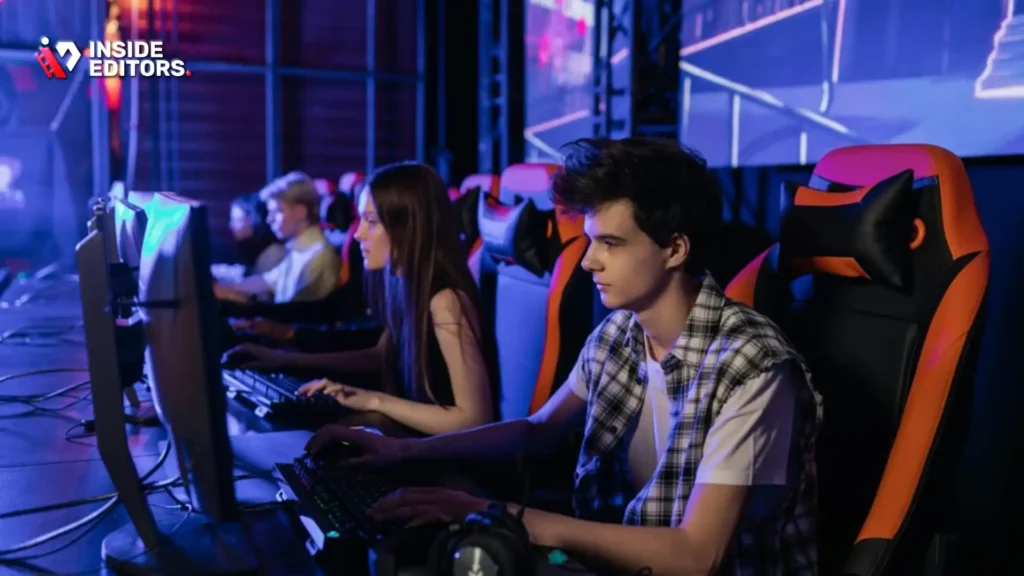
Attending top video gaming schools represents a significant financial commitment. Strategic planning is necessary to ensure the return on investment is maximized.
Scholarships and Financial Aid
Many universities and specialized academies offer scholarships specifically for students pursuing degrees in digital media, computer science, or game development. Look for industry-sponsored scholarships, often provided by major companies like Epic Games or Unity Technologies, which aim to foster new talent.
Always complete the necessary financial aid applications. Do not assume a school is too expensive before exploring all grant and aid options available.
Maximizing Your Time in Video Gaming Schools
Your time in school is not just about attending classes; it is about building a professional network and portfolio.
- Network Relentlessly: Attend every industry event, guest lecture, and portfolio review session. Your peers and professors are your first professional network.
- Over-Deliver on Projects: Treat every school project as if it were a professional deliverable. Polish your work, document your process, and aim for quality that exceeds expectations.
- Seek Internships: Internships provide invaluable real-world experience and often lead directly to job offers. The best video gaming schools actively facilitate these placements.
“Your portfolio should tell a story about your process, not just show a finished product. Employers want to see how you solve problems.” – Jenova Chen, Creator of Journey and Flower
The Global Impact of Video Gaming Schools
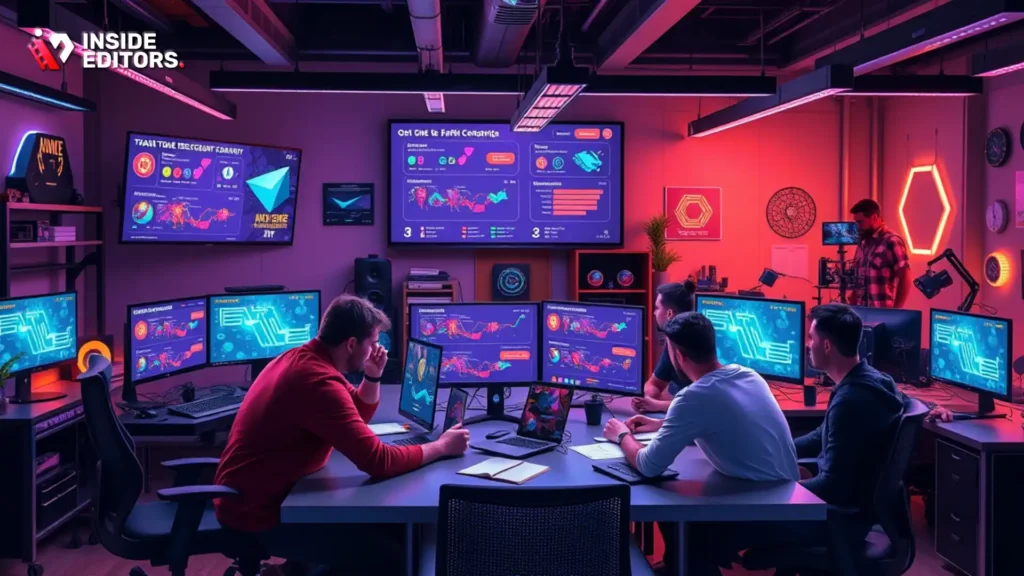
The demand for talent in the gaming industry is global. While certain regions are known for specific development hubs (e.g., Montreal for AAA, Tokyo for console development), the skills learned at top video gaming schools are universally applicable.
The rise of remote work has further diversified opportunities. A graduate with a strong portfolio can now work for a studio anywhere in the world. This global reach means that the quality of the education and the resulting portfolio are far more important than the physical location of the school.
Case Study: Collaborative Success
Imagine a student, Sarah, graduating from one of the highly-regarded video gaming schools. She specialized in environment art. During her final year, she collaborated on a capstone project with a programmer from her cohort. They developed a visually stunning, technically sound demo.
Sarah used the professional video editing services offered by Inside Editors to create a polished, 60-second trailer showcasing her environment assets and the programmer’s engine work. The professional color grading and fast turnaround ensured the video looked studio-ready. This high-quality presentation helped both students land interviews at major studios, demonstrating the power of combining technical skill with professional-grade presentation.
Conclusion: Investing in Your Future
Choosing among the many excellent video gaming schools is a decision that shapes your entire career trajectory. Focus on institutions that prioritize current industry practices, foster collaboration, and demand a professional-grade portfolio. Remember that education is the foundation, but continuous learning and professional presentation are what sustain a career.
If you are a creator, a student, or a small studio looking to present your work with the highest level of polish, consider leveraging professional expertise. Inside Editors offers specialized video editing services tailored to the needs of the creative industry. We provide a professional editing team with over a decade of experience, ensuring your promotional content-trailers, dev logs, portfolio reels-is delivered quickly (24-72 hours), affordably, and with guaranteed satisfaction through unlimited revisions. Let us handle the visual fidelity so you can focus on mastering the game development process.
Frequently Asked Questions
What skills do video gaming schools prioritize?
The top video gaming schools prioritize technical skills like programming and 3D modeling, alongside critical soft skills such as teamwork, communication, and adaptability. They focus heavily on building a professional portfolio and understanding the iterative design process used in game development studios.
How long does it take to complete a program?
Degree programs at video gaming schools typically take four years for a Bachelor’s degree. Specialized diplomas or certifications can be much shorter, often ranging from 9 to 18 months, offering intensive training in a specific discipline like game art or level design.
Is accreditation important for these schools?
Yes, accreditation is crucial. It ensures the quality of the education and validates your degree or certification in the eyes of potential employers and other institutions. Always verify the accreditation status of any video gaming schools you consider.
Should I choose a university or a specialized academy?
A university offers a broader education and career flexibility, suitable for roles like game programming. A specialized academy provides highly focused, intensive training, often better for specific art or design roles. Both types of video gaming schools can lead to success.
How can I improve my game portfolio presentation?
To improve your portfolio presentation, focus on creating high-quality video reels and trailers. Services like professional video editing can enhance color grading and audio, ensuring your work from video gaming schools looks polished and ready for industry review.


