

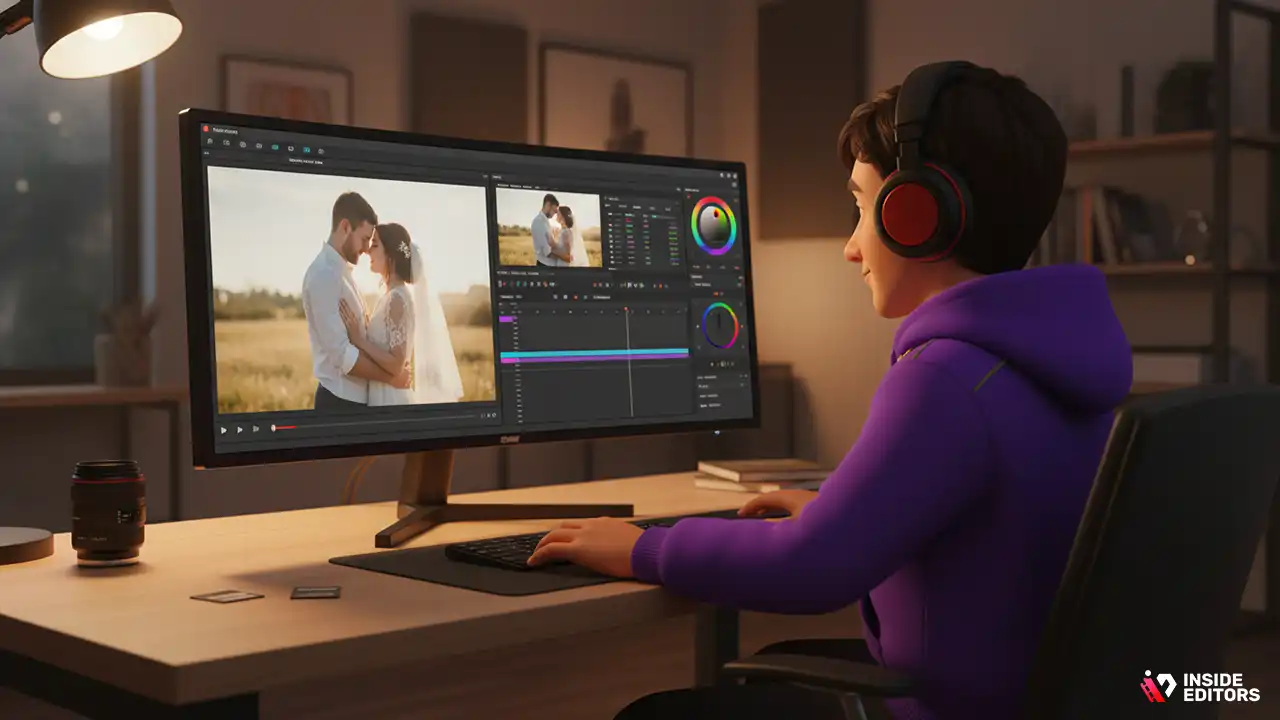
When you look back at your wedding day, what you’ll actually relive are the images and the motion: the way vows were said, the laugh at dinner, the tear at the first dance. Choosing the right balance of wedding photo and video is less about picking a trend and more about deciding how you want to remember the day. Photos freeze a moment; video brings the moment to life. Together they create a layered memory-stills you can frame and videos you can replay, share, and feel. In this guide I’ll walk you through planning, capturing, and delivering a combined photo + video package that feels intentional, not accidental.
By the end of this piece you’ll be able to compare real tradeoffs (time, cost, creative outcomes), spot common mistakes before they happen, and know exactly when hiring professionals-such as the editors and teams at Inside Editors-adds measurable value. Let’s start where every great result starts: planning.
Story Prep Before Shooting

Start with priorities, not just a shot list
Too many couples begin by compiling a long shot list and assume the rest will fall neatly into place. Instead, begin by naming the priorities: do you want emotional documentary moments, cinematic portraits, or a fast-paced highlight reel for social media? These priorities should shape who you hire and how much time they spend on different parts of the day. Communicate three “must-have” moments to both photographer and videographer (for example: a quiet getting-ready moment, vows from a unique angle, and a raw first-dance close-up). This directs focus and reduces last-minute confusion, giving pros clear permission to prioritize emotion over exhaustive coverage.
Coordinate teams and logistics early
When photo and video teams are separate, scheduling and physical space become hidden challenges. Make sure your timeline includes dedicated windows for portraits and minimal overlap where both need the same vantage point. If you’re hiring a combined team, discuss how they will split roles-will one person focus on close portraits while the other operates a steadicam for movement and reaction shots? Plan logistics too: where will batteries be charged, who handles backups, and where will gear be staged? Addressing these operational details before the day reduces stress and avoids rushed decisions that show up in the final product.
Micro takeaway: Prioritize the three moments you’d be devastated to miss, and build your schedule around them. Next, we’ll look at on-the-day workflows that keep those moments safe-and cinematic.
Capture Workflows That Save Time
Camera coverage, motion design, and unobtrusive presence
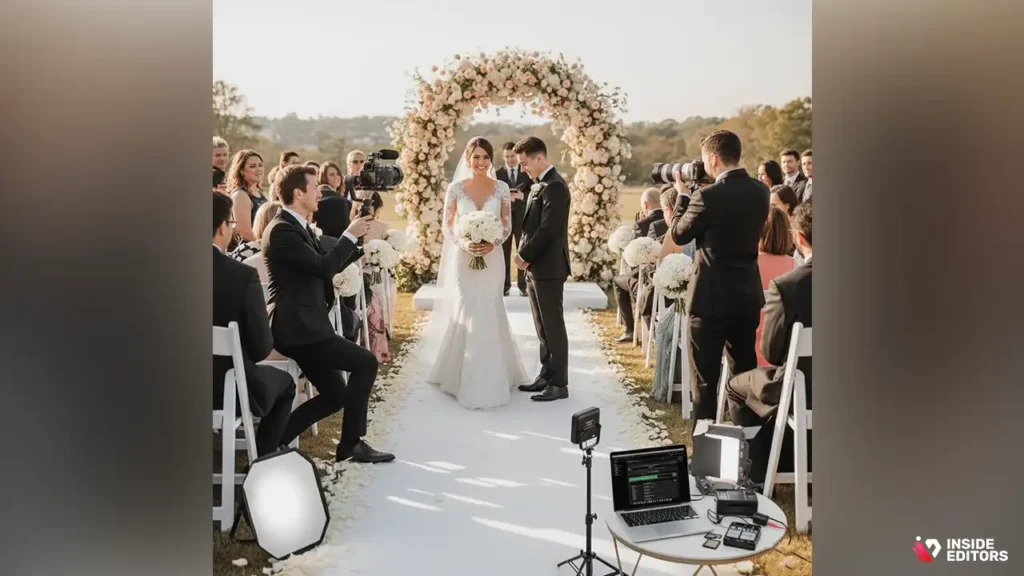
Great wedding coverage is quietly theatrical: it feels natural to guests while being carefully framed by professionals. Photographers typically work in bursts-capturing peak emotional expressions-while videographers often use longer takes to preserve context and sound. When both teams coordinate, they can avoid getting in each other’s shots and instead complement compositions: one captures the wide environmental feel while the other isolates faces and reactions. Opt for a “primary + second” lens strategy (a 35-50mm for context, a 70-200mm for tight emotional moments) so both stills and moving images have depth without crowding the scene.
Sound, lighting, and backup plans you’ll actually use
Video is unforgiving when it comes to sound. A beautiful visual sequence loses impact if you can’t hear vows clearly. Ensure the videography package includes dedicated lavalier mic coverage for the officiant and the couple-and test those mics during the rehearsal. Lighting is equally crucial: natural light is lovely, but an overcast ceremony or a dim reception can flatten both photo and video. Ask your vendors how they’ll supplement mood without stealing the scene-small LED panels, bounce cards, and discreet on-camera lights are common solutions. Finally, insist on redundancies: at least two memory cards per camera, cross-backed footage to separate drives, and a written delivery timeline that includes raw footage retention policies.
Micro takeaway: Prioritize professional sound capture and simple lighting plans; they make the difference between “pretty” and “memorable.” Next up: editing-where the raw materials become the story.
Post-Production & Deliverables
What you should expect from a professional edit
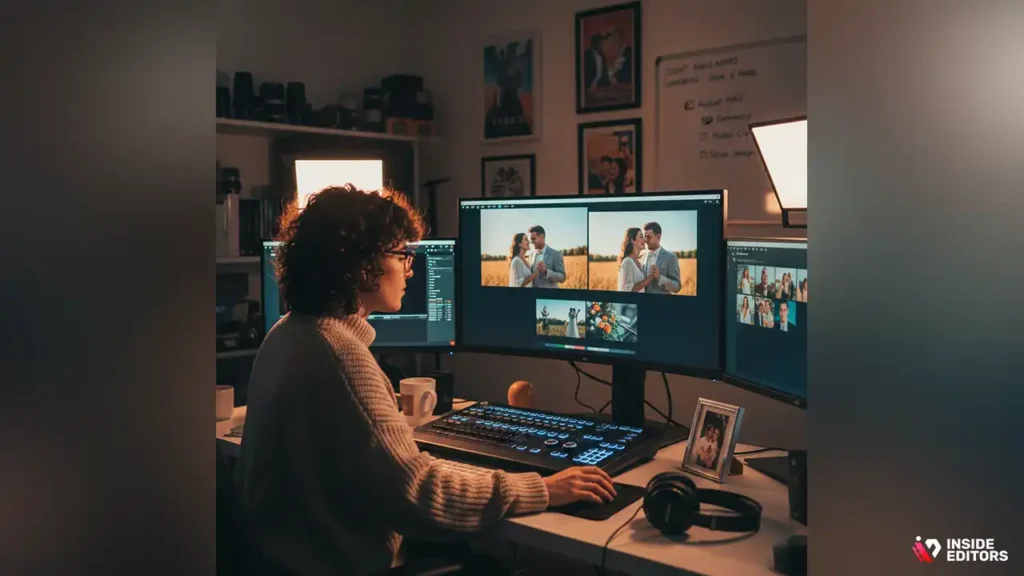
Editing is where a wedding’s narrative really takes shape. A strong editor reads the footage and decides pacing, musical tone, and visual color to match your priorities. Typical deliverables include a 3-5 minute highlight reel, one full-length ceremony video, a collection of edited photos (high-res and web-res), and optional extras like social clips or a documentary edit. Ask for clear file formats and delivery expectations-common standards are 4K MP4 for video and JPEG/HEIF for photos. Also ask whether color grading will match across photo and video to create a consistent visual identity for your memories.
Fast edits versus cinematic edits-choose what fits your timeline and taste
Fast edits (1-2 day turnaround for a short highlight) are great for sharing quickly, but they sacrifice creative depth. Cinematic edits often take 2-6 weeks because they include careful color grading, sound mixing, and client revisions. If social-first delivery matters, request a short highlight immediately, then a polished cinematic piece later. Inside Editors specializes in scalable delivery: fast-turn social clips plus deeply polished long-form edits. That split-delivery strategy keeps you excited early while ensuring the final keepsakes are crafted with time and care.
Micro takeaway: Demand clear deliverable lists, formats, and timelines; a two-stage delivery (quick social highlight + final cinematic edit) often gives the best blend of speed and polish.
How combined photo + video packages compare to hiring separate teams
When couples begin shopping for coverage, they often assume it’s cheaper or safer to hire one vendor for everything. While combined teams can streamline communication and keep visual style consistent, separate teams sometimes offer deeper specialization. The real decision comes down to your priorities. If you want a unified aesthetic and a single point of contact, a combined package is usually ideal. When you value distinct creative personalities-perhaps a photographer with a documentary style and a videographer with a cinematic flair-separate vendors may give you more artistic range.
Budget also plays a role. Combined packages often cost less than hiring two separate premium-level artists. They share travel, equipment, and workflow, which reduces redundancy. On the other hand, two independent specialists may bring more gear, more hands, and more varied creative input. The key is comparing not just prices but deliverables. Ask what’s included: hours of coverage, number of shooters, editing depth, color grading, and raw file policies. When those details align with your vision, price becomes a reflection of value, not just cost.
Understanding what you’re actually paying for
Wedding photo and video pricing can feel complicated, but the structure makes sense once you break it down. You’re not just paying for the hours on your wedding day; you’re paying for equipment investment, editing time, backups, travel, and creative expertise built through years of experience. High-end videographers often spend more time in post-production than on the wedding day itself, especially if they’re producing documentary edits or cinematic narratives. Photographers invest heavily in lighting kits, lenses, and multi-camera setups to guarantee clarity and dynamic range.
When comparing packages, focus on what matters long-term: the emotional resonance of the work. Low-price packages sometimes include limited editing, rushed turnaround times, or minimal backups, which increase your risk of missing or low-quality moments. Instead of choosing the cheapest option, choose the one that protects what you’ll care about five, ten, or twenty years from now: the clarity, story, and emotion captured through skilled hands.
Micro takeaway: Look beyond price. Compare deliverables, creative style, backup systems, and editing depth to find true value. Next, let’s explore budget ranges and how to plan with confidence.
Understanding Budgets
Average pricing ranges across regions and wedding sizes
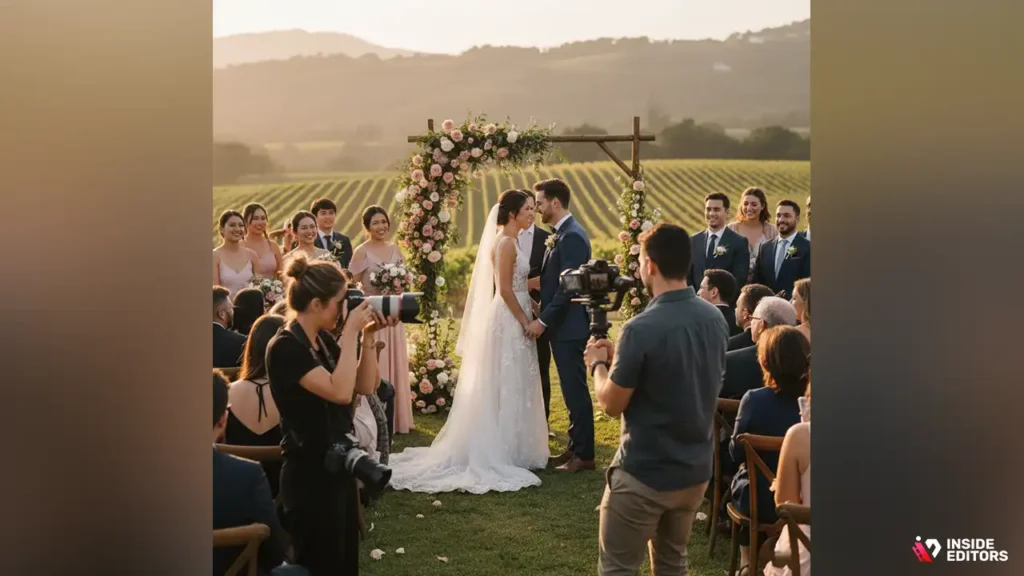
Wedding photo and video costs vary widely depending on region, team size, and artistic expertise. In major cities or destination settings, full-day combined coverage can range from mid-level packages at around $2,500-$4,000 to premium cinema-style teams charging $6,000-$12,000 or more. Smaller towns may offer full-day combined packages starting around $1,800-$2,500, especially for emerging professionals or single-operator teams. Higher-end videographers often price their services based on editing complexity, drone footage, and sound engineering, while photographers may price based on shooting hours and album design.
Your guest count and wedding length also matter. A 50-person intimate ceremony might need only one photographer and one videographer, while a 300-guest event may require multiple shooters to catch reactions, speeches, and details simultaneously. Multi-day cultural events add additional coverage time and editing volume. It helps to ask vendors how they scale their pricing-hourly, per-event, or per-deliverable-so you know exactly where the costs come from.
Creating a budget that matches your vision and timeline
Start by deciding what matters most: is your priority a cinematic highlight film, a detailed documentary edit, or an expansive photo collection? Build your budget around those outcomes. For many couples, a tiered approach works best: invest in strong coverage and intentional editing for key moments while skipping extras that don’t matter to your story. Don’t be shy about asking vendors for custom packages either; many professionals, including teams that collaborate with Inside Editors, can tailor deliverables to your exact expectations.
Finally, plan for post-wedding upgrades. Many couples opt to purchase raw footage later, or upgrade to an album or extended edit once the dust settles. Leave a small buffer in your budget for those opportunities. When your coverage reflects your priorities, your investment becomes a curated memory rather than a one-size-fits-all product.
Micro takeaway: A realistic budget starts with your priorities-not with guessing what wedding media “should” cost. Next, we’ll explore common mistakes couples make and how to avoid them.
Common mistakes couples make
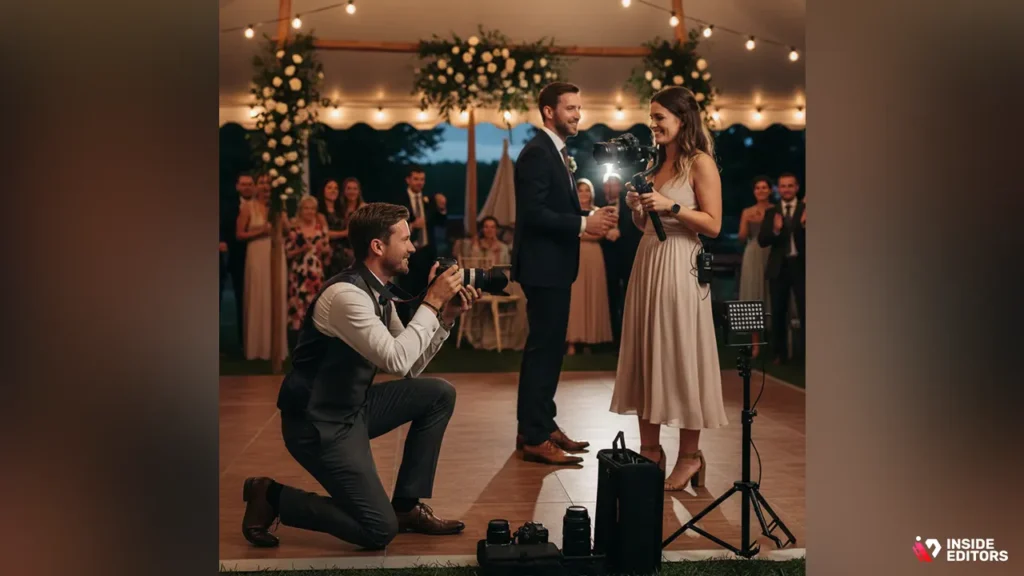
Assuming your photographer and videographer naturally collaborate
This is one of the biggest misconceptions in wedding planning. Even the best professionals need clear communication. Without shared expectations, they can unintentionally block each other’s shots or duplicate coverage. Make collaboration explicit during planning. Ask how they coordinate angles, lighting, and crowd movement. If they’ve worked together before, that’s a bonus. If not, have a brief pre-wedding sync call so they can align workflows. This small step dramatically improves both the photography and videography outcome.
Overlooking sound, lighting, and backup systems
Sound and lighting often get forgotten in the excitement of choosing visual styles. Yet vows, speeches, and toasts rely heavily on clean audio. Similarly, dark reception venues can create noise-heavy footage and flat images if not handled with intentional lighting. Always check what your team uses for audio capture and portable lighting. Likewise, ask about data backups. Professional teams use dual-card recording, multiple hard drives, and cloud archives. These safeguards protect your memories long after the event.
Micro takeaway: Communication and technical preparation prevent 90% of wedding-day media issues. Now let’s dive into contracts-your final line of protection.
Contracts & Delivery Basics
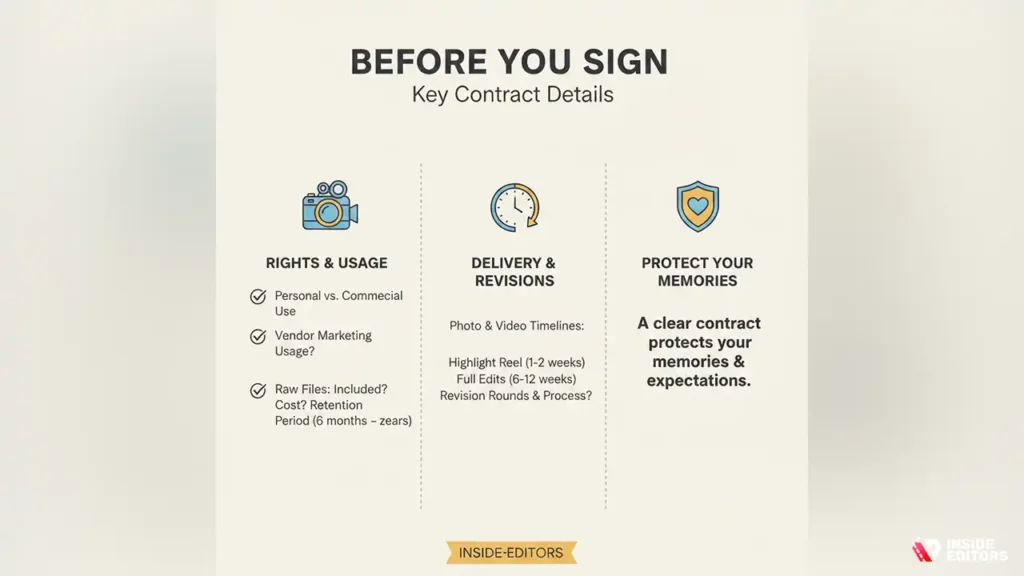
Rights, file usage, and retention policies
Before signing any contract, review how your photographer and videographer handle rights. Some vendors allow full personal usage but restrict commercial use, while others offer complete freedom. Understand whether your photos and videos may appear in their marketing materials, and decide if you’re comfortable with that. Another key detail is raw file policies. Some teams include raw footage at no extra cost; others charge for it or store it only temporarily. Ask how long raw files will be kept-common retention periods range from six months to two years.
Delivery timelines and revision cycles
Clear timelines reduce stress after the wedding. Contracts should specify when you’ll receive your photos, highlight film, documentary edit, and any additional deliverables. Highlight reels often arrive within a week or two, while full edits can take six to twelve weeks depending on complexity. If revisions are included, verify how many rounds you get and how changes should be requested. Teams like Inside Editors often standardize these steps to ensure consistency and clarity.
Micro takeaway: A strong contract protects both your memories and your expectations. Next, we’ll explore how editing transforms raw footage into an emotional story.
Turning Moments into Stories
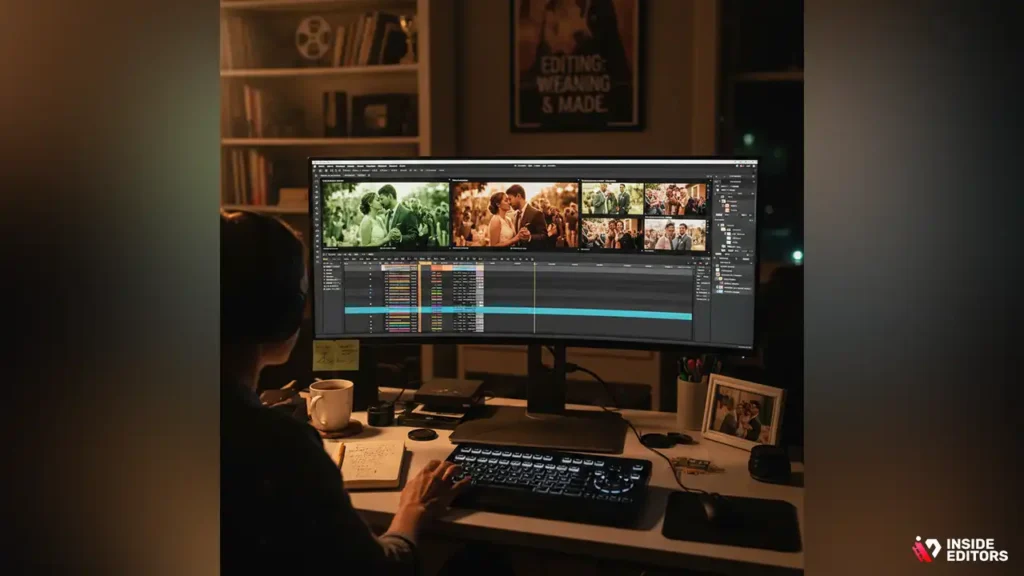
The editor’s role in shaping story and mood
The editing stage is where your wedding truly becomes a narrative. Editors combine audio, visuals, pacing, and color to evoke emotion. If your priority is warmth and intimacy, your editor may use natural tones, soft transitions, and slower pacing. For couples who want a cinematic feel, editors rely on widescreen ratios, bolder color grading, intentional motion, and dramatic audio mixing. Professional editing goes far beyond trimming clips; it shapes the emotional arc of the entire experience.
When professional editing services amplify your vision
Even beautifully captured footage can lose impact without thoughtful curation. Professional services like Inside Editors help refine the storytelling, whether you’re looking for a polished highlight reel, a full-length documentary, or stylized social clips for sharing. Editors ensure consistent color grading across multiple cameras, clean transitions between lighting environments, and sound that feels immersive rather than distracting. They also help avoid common editing mistakes-like overusing transitions or mismatching audio levels-that can undermine the emotional tone.
Micro takeaway: Editing is where meaning is made. Now that you understand techniques, let’s explore real-world workflow options.
Social & Long-Term Delivery
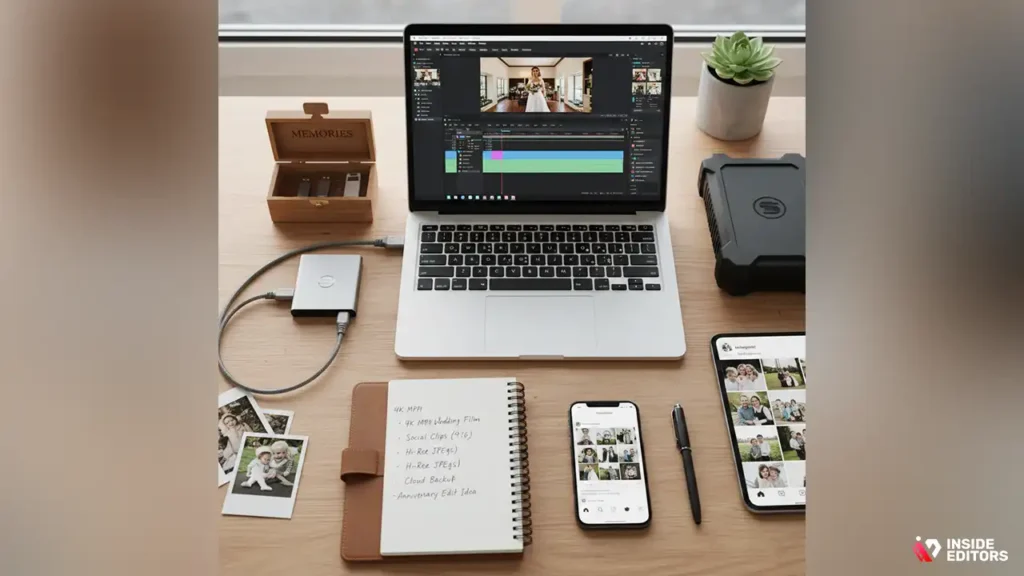
How to request formats that work for every device
Your media should be accessible across devices-phones, TVs, laptops, and shared cloud spaces. Request a mix of high-resolution files (4K MP4 for video, high-res JPEG or HEIF for photos) alongside smaller versions optimized for social media. Vertical formats are increasingly important for platforms like Instagram Reels and TikTok. Make sure your team provides versions with safe margins, avoiding tight crops that cut off hairlines or text.
Archiving and sharing memories for the long term
Think beyond the first week of sharing. Ask your team for recommendations on long-term storage-cloud backups, SSD storage, and redundant drives protect your files from future loss. Consider creating anniversary edits or updated highlight reels as your family grows. Many couples return to teams like Inside Editors to update and refresh their wedding footage with new color grading styles or audio enhancements as technology improves.
Micro takeaway: Request formats for every platform and create a long-term preservation plan-your memories deserve it. Next, let’s bring everything together with a clear checklist and closing guidance.
Your Ultimate Wedding Checklist
Here’s a quick reference to help you move confidently from planning to final delivery:
| Stage | What to confirm |
| Planning | Priorities, style preferences, must-have moments |
| On-the-day workflow | Coordination, lighting, sound, backup plans |
| Package selection | Coverage hours, number of shooters, editing depth |
| Budget | Regional pricing, event size, upgrade options |
| Contracts | Rights, timelines, raw files, revisions |
| Editing | Story style, pacing, color grading |
| Delivery | Formats, sharing options, long-term storage |
This table helps you pause and make decisions with intention, not guesswork.
Conclusion – turning your day into a story that lasts

Your wedding day moves quickly, but the memories you preserve through wedding photo and video will follow you for a lifetime. When you plan intentionally, collaborate with experienced creatives, and prioritize thoughtful editing, you build a narrative you can revisit whenever you want. Whether you imagine a heartfelt highlight film, a polished documentary edit, or a gallery of stills that capture every nuance, your choices shape how the day lives on.
If you want professional editing that elevates your footage from heartfelt to unforgettable, Inside Editors is here to help. Our expert editors specialize in transforming raw moments into cinematic stories-giving your memories clarity, emotion, and timeless character.
FAQs
How can I trust a photo/video vendor with my wedding memories?
Trust starts with transparent workflows and verifiable work. Ask for recent full-day samples, client references, and a clear backup plan (dual cards, separate drives, cloud archive). Confirm delivery timelines and revision policies in writing; when teams document handoffs and backups, your wedding photo and video assets are far less likely to be lost or compromised.
What guarantees of quality and revisions should I expect?
Professional vendors typically include a specified number of revision rounds and a quality checklist in the contract. Expect one to three rounds for highlight edits and clearer limits for full-length edits; additional revisions are usually billed. Confirm who performs color grading and final sound mixing-these affect final quality of your wedding photo and video significantly.
Who owns the files, and how is privacy handled?
Most photographers and videographers grant you personal-use rights while retaining portfolio use unless you negotiate full copyright transfer. Ask for written terms on commercial use, sharing permissions, and storage duration for raw files. If privacy matters, require a non-disclosure clause or explicit opt-out for portfolio use when booking your wedding photo and video services.
Should I use editing tools or hire a pro-what are the trade-offs?
DIY tools can save money and work for simple social clips, but professional editors bring storycraft, consistent color grading, and audio mixing that elevate your footage. If you want cinematic pacing, emotional mixes, and long-term archival formats, a pro is often worth the investment. For wedding photo and video, pros also handle backups and legal deliverables that DIY workflows commonly miss.
What do typical packages include and what’s usually extra?
Standard combined packages usually include X hours of coverage, a highlight reel (3-5 minutes), full ceremony video, and an edited photo gallery; extras often include drone footage, additional shooters, rush delivery, albums, and raw footage. Always confirm file formats (4K MP4, high-res JPEG) and whether social-sized cuts or vertical crops are included for wedding photo and video sharing.
How much should I budget, and what affects price most?
Prices vary by region and experience: combined mid-range packages commonly fall between $2,500-$6,000, while premium cinema teams can exceed $6,000-$12,000. Key cost drivers are hours of coverage, number of shooters, editing complexity (documentary vs. cinematic), and deliverables like albums or raw files. Clarify what’s included to compare true value for your wedding photo and video budget.
What is a realistic timeline for delivery and rush options?
Expect a quick social highlight within 1-2 weeks and final cinematic edits in 4-12 weeks depending on complexity and seasonality. Many vendors offer rush delivery (2-7 days) for an extra fee; rushes may limit revision rounds or depth of finishing. Confirm revision windows, delivery formats, and how long raw files are retained to align expectations for your wedding photo and video.
What simple steps should I follow to prepare before the wedding?
Decide your top three “must-have” moments, build a timeline that avoids overlapping shot needs, and schedule a brief pre-wedding meeting between your photographer and videographer. Confirm audio capture (lavalier mics) and lighting plans, request sample deliverables, and get all rights/delivery terms in writing-these steps protect both the look and accessibility of your wedding photo and video.


