

The creation of a perfect wedding video is an art form, a delicate balance between technical mastery and emotional storytelling. For couples, this video is the ultimate keepsake-a cinematic time capsule of one of the most significant days of their lives. For editors, the pressure is immense. A single oversight can transform a beautiful memory into a frustrating viewing experience.
In the fast-paced world of post-production, where deadlines loom and expectations are sky-high, it is easy to fall into common traps. This comprehensive guide, authored by senior editors, dives deep into the seven most crucial wedding video editing mistakes that professionals and aspiring editors must avoid immediately. By understanding these pitfalls, you can elevate your craft, ensure client satisfaction, and deliver a truly timeless piece of work.
The foundation of wedding video excellence
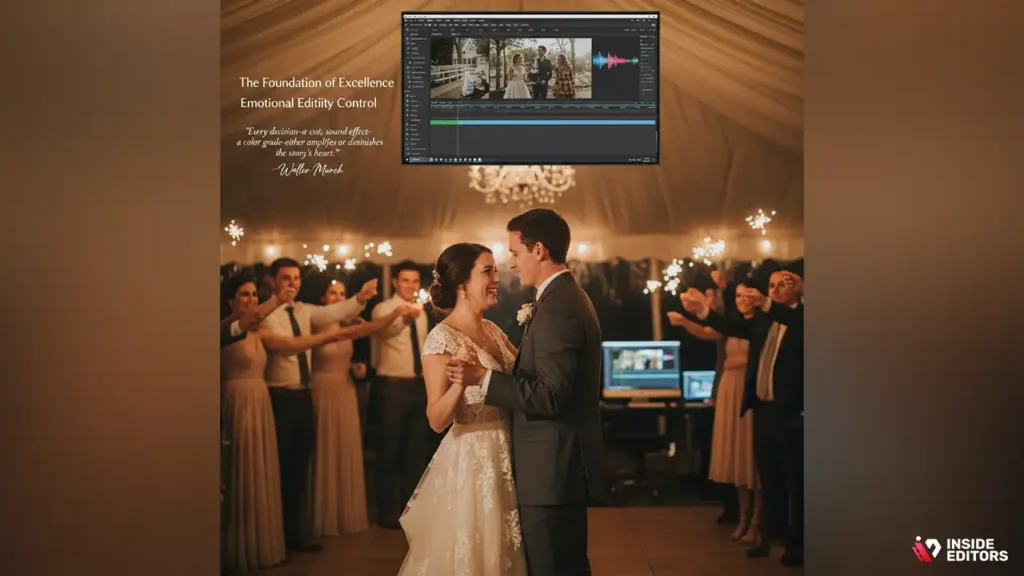
Before diving into the mistakes, it’s essential to recognize the unique nature of a wedding video. Unlike corporate or promotional content, a wedding film is inherently personal and emotionally charged. It requires sensitivity, precision, and an unwavering commitment to quality.
A high-quality wedding video serves multiple purposes: it documents the event, tells the couple’s unique love story, and evokes the atmosphere and emotion of the day. Achieving this requires more than just cutting clips together; it demands a deep understanding of pacing, audio design, and color theory.
Why Quality Control is Non-Negotiable
In an era where everyone with a smartphone can capture footage, the value of a professional editor lies in their ability to transform raw, often chaotic, footage into a coherent, polished narrative. Quality control is the bedrock of trust between the editor and the client. Mistakes, even minor ones, break the viewer’s immersion and detract from the emotional impact.
“Editing is not just about cutting; it’s about curating emotions. Every decision-a cut, a sound effect, a color grade-either amplifies or diminishes the story’s heart.” – Walter Murch, Legendary Film Editor
Mistake 1: Ignoring audio in wedding videos
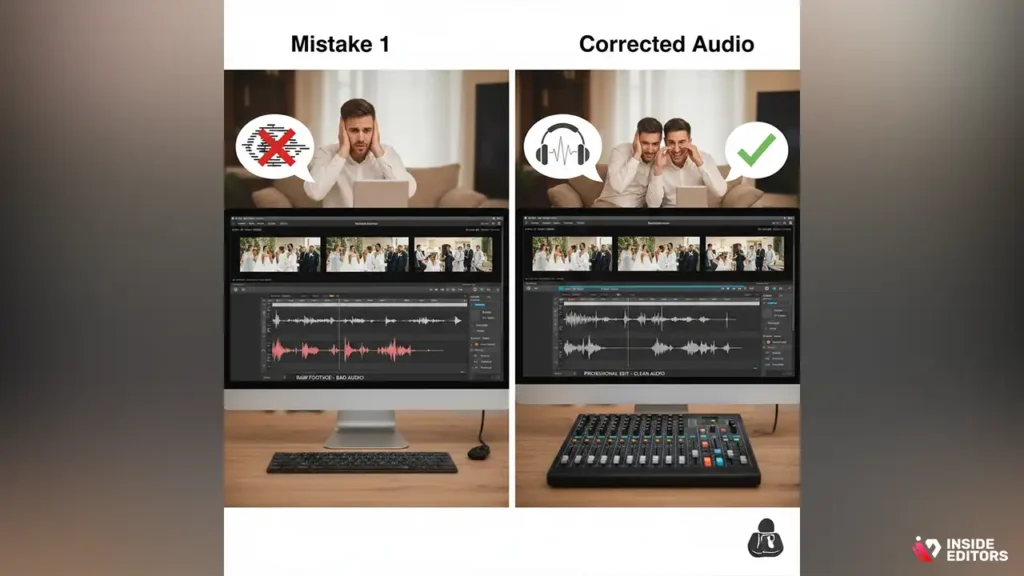
The most common and often most devastating mistake in wedding video editing is neglecting the audio track. Many editors focus solely on the visuals, forgetting that sound carries 50% of the emotional weight of a film. Poor audio quality immediately signals amateur work, regardless of how beautiful the cinematography might be.
The Pitfall of Uncorrected Dialogue
Raw wedding footage is often riddled with background noise: wind interference, distant chatter, microphone static, or the clinking of glasses. Failing to clean up these audio tracks-especially during crucial moments like the vows, speeches, or first look-is a fundamental error. If the viewer strains to hear the emotional core of the ceremony, the entire film fails.
Actionable Steps to Avoid Audio Errors:
- Noise Reduction: Utilize professional audio software (like Adobe Audition or DaVinci Resolve’s Fairlight) to isolate and reduce persistent background noise without distorting the dialogue.
- Leveling and Normalization: Ensure all audio tracks (dialogue, music, sound effects) are balanced. Speeches should be clearly audible, and music should duck appropriately when someone speaks. Inconsistent volume levels force the viewer to constantly adjust their volume, leading to fatigue.
- Ambience and Sound Design: Don’t rely solely on the recorded dialogue. Adding subtle ambient sounds (e.g., distant music during the reception, natural bird sounds during the outdoor ceremony) can enhance the realism and emotional texture of the wedding video.
The Danger of Copyright Infringement in Music Selection
Another critical audio mistake is using copyrighted music without proper licensing. While a popular song might fit the couple’s taste perfectly, using it illegally exposes both the editor and the client to legal risk, especially if the video is shared online. YouTube and other platforms are aggressive in flagging and muting content that violates copyright, rendering the final wedding video unwatchable.
Solution: Always use licensed music platforms (e.g., Musicbed, Artlist, Epidemic Sound) that offer commercial rights for use in client projects. This protects everyone involved and ensures the final product remains available for viewing indefinitely.
Mistake 2: Overlooking Pacing and Narrative Structure
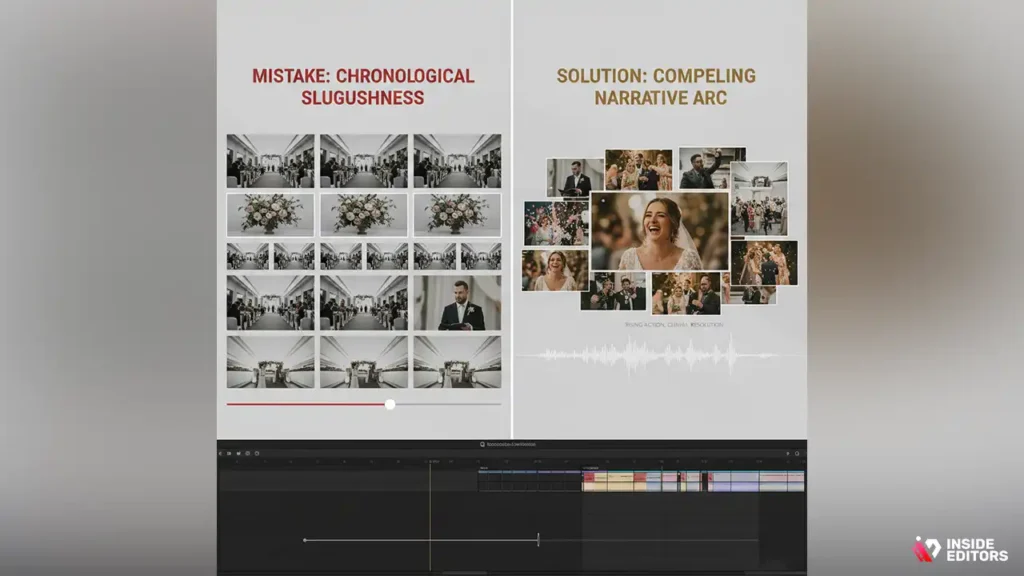
A wedding video is a story, and like any good story, it needs a compelling structure, rising action, climax, and resolution. A common mistake is treating the edit as a chronological dump of events rather than a carefully constructed narrative arc.
The Problem with Chronological Sluggishness
Simply stringing clips together in the order they were shot leads to videos that feel long, repetitive, and slow. The energy of the day must be managed through pacing. The excitement of preparation should be fast-paced and dynamic, while the ceremony needs to be deliberate and reverent.
Pacing Pitfalls and Solutions:
| Pitfall | Description | Solution |
| The Dragging Intro | Too much time spent on static shots of the venue or slow-motion B-roll before the action starts. | Start with a high-impact moment (a strong visual or an emotional quote from the vows) to hook the viewer immediately. |
| Repetitive Coverage | Showing the same action (e.g., guests dancing) from five different angles consecutively. | Use the “rule of three” or less. Cut quickly between angles to maintain energy, or use B-roll to transition between scenes. |
| Uneven Energy | Failing to match the pace of the cuts to the tempo of the music. | Use the music’s beat as a guide. Faster music requires shorter, punchier cuts; slower, emotional music allows for longer, lingering shots. |
Failing to Define the Story Arc
Every couple has a unique story. A generic edit that ignores the specific moments that define their day-a nervous laugh, a tearful embrace, a specific inside joke-misses the mark. The editor must identify the emotional beats of the day and prioritize them.
If you find yourself overwhelmed by the sheer volume of footage, remember that professional help is available. Many successful videographers rely on expert teams for post-production. If you need assistance transforming raw footage into a polished narrative, consider engaging professional video editing services to ensure your story is told flawlessly.
Mistake 3: Inconsistent Color Grading and Exposure
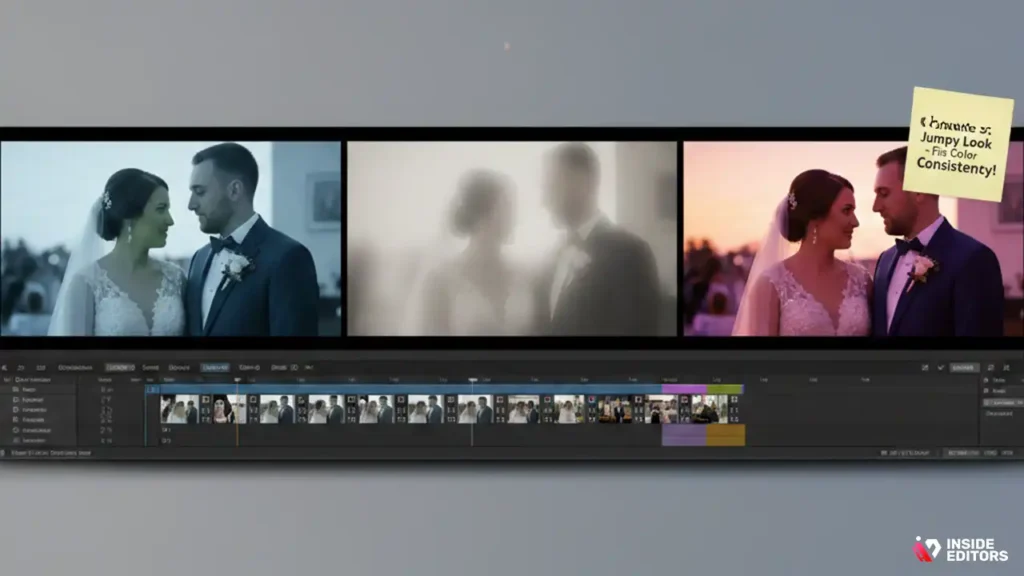
Color grading is the final layer of polish that defines the mood and professionalism of a wedding video. A major mistake is applying inconsistent looks across different scenes or, worse, neglecting color correction entirely.
The Jumpy Look: Mixing Temperatures and Tones
Footage shot throughout a 12-hour day will naturally have wildly different color temperatures and exposures-from the cool blue of the morning preparation to the warm orange glow of the sunset reception. Failing to balance these shots results in a “jumpy” viewing experience where the colors clash, distracting the viewer from the content.
Key Steps for Consistency:
- Color Correction (First Pass): Adjust white balance, exposure, and contrast on every single clip to achieve a neutral baseline.
- Color Grading (Second Pass): Apply a unified Look-Up Table (LUT) or grading style (e.g., cinematic, bright and airy, moody) across the entire film. This ensures a cohesive visual identity.
- Skin Tones: Always prioritize accurate skin tones. If the background is stylized, that’s fine, but if the couple looks green or purple, the grade is wrong.
The Pitfalls of Over-Grading
While cinematic grading is popular, over-saturating colors or crushing the blacks (making shadows too dark) can destroy the detail in the footage. A wedding video should look beautiful, but also natural and timeless. Extreme grading trends can quickly date the film.
“Timelessness in editing comes from restraint. A good edit doesn’t scream for attention; it allows the story to unfold naturally.” – Anonymous Senior Editor
Mistake 4: Too many flashy transitions
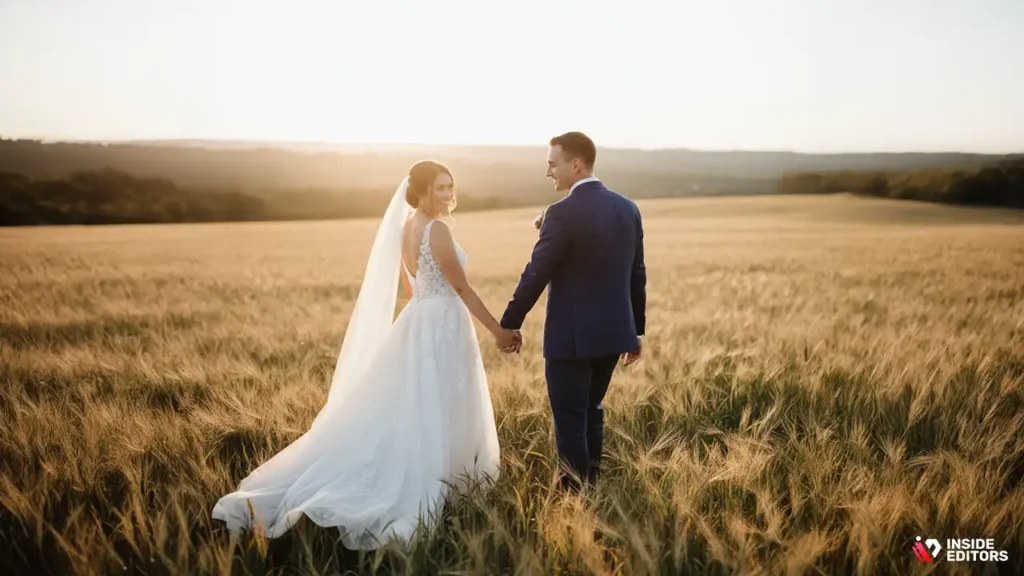
In the pursuit of “cinematic flair,” many editors make the mistake of relying too heavily on distracting transitions and effects. While a well-placed whip-pan or lens flare can add energy, excessive use turns the wedding video into a montage of visual noise.
The Distraction of Novelty
Remember the primary goal: to tell the couple’s story. If the viewer is constantly noticing the transition (e.g., a spinning cube, a kaleidoscope effect, or overly stylized motion graphics), they are pulled out of the emotional narrative.
Transition Guidelines:
- J-Cuts and L-Cuts: These professional audio-visual transitions (where the audio leads the visual, or vice versa) are essential for smooth dialogue flow and are far more effective than visual wipes.
- Simple Cuts: The vast majority of transitions (95%+) should be simple, straight cuts. They are invisible and allow the focus to remain on the action.
- Purposeful Use: Reserve stylized transitions (like a match cut or a subtle light leak) for transitioning between major segments, such as moving from the ceremony to the reception.
The Misuse of Slow Motion
Slow motion is incredibly effective for highlighting emotional or visually striking moments (the first kiss, the veil floating). However, using slow motion on mundane actions (walking down a hallway, sitting in a chair) slows the pace unnecessarily and dilutes the impact of the truly important moments. Use slow motion judiciously and only when the footage quality (high frame rate) supports it.
If you are a content creator looking to manage your workload and maintain quality across multiple projects, understanding the efficiency of external editing is crucial. Many creators find that hiring a freelance video editor allows them to focus solely on filming and client interaction, leaving the technical post-production to experts.
Mistake 5: Skipping careful editing and selection
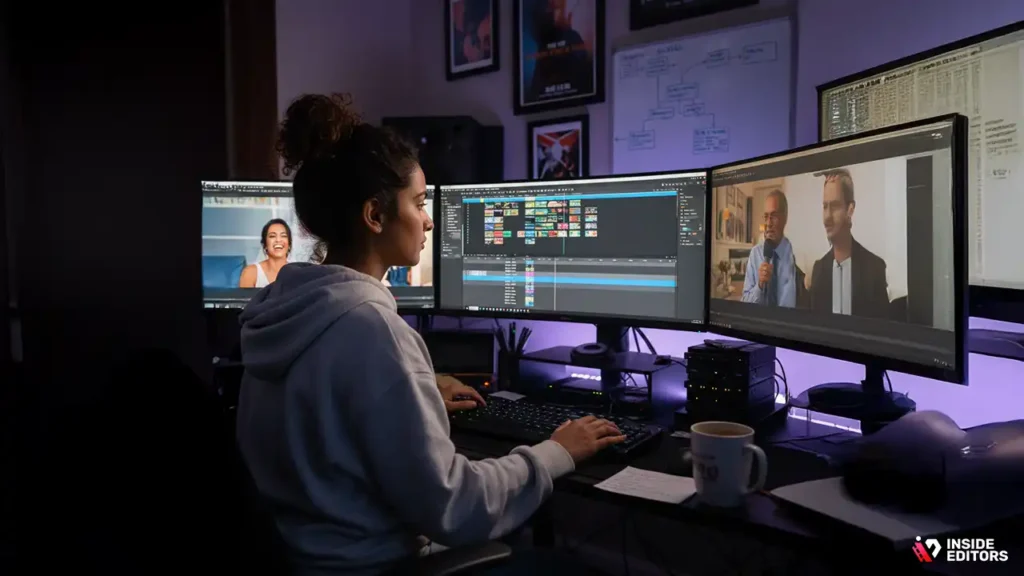
A typical wedding day generates hours of raw footage. The editor’s job is to condense this into a compelling 5-15 minute highlight reel or a 30-60 minute feature film. The mistake here is either leaving too much in or, conversely, cutting out essential context.
The Problem of “Darlings”
Editors often fall in love with certain shots-a beautiful wide shot of the venue, a technically perfect drone sweep-even if they don’t advance the story or fit the pacing. These are known as “darlings,” and they must be cut if they don’t serve the narrative. A truly skilled editor is ruthless in removing unnecessary footage.
Pros and Cons of Different Video Lengths:
| Feature | Highlight Reel (5-10 mins) | Feature Film (30-60 mins) |
| Pros | High shareability, fast emotional impact, perfect for social media. | Comprehensive coverage, includes full speeches/vows, deep emotional context. |
| Cons | Requires aggressive cutting, risks losing context, less detail. | Lower view retention, longer turnaround time, higher production cost. |
| Editing Focus | Pacing, music synchronization, visual impact. | Narrative flow, audio clarity, scene transitions. |
The Missing Context
While condensation is vital, cutting too aggressively can remove necessary context. For example, if you show the couple reacting emotionally, but cut the preceding moment (e.g., the father of the bride’s joke), the reaction loses its meaning. The editor must ensure that every emotional beat has a setup and a payoff.
This selective process is where the editor’s expertise truly shines. They must be able to watch hours of footage and isolate the 1% that tells the 100% of the story. This requires a strong understanding of narrative storytelling, a skill honed through years of practice. For those new to the field, learning how to become a video editor involves mastering this critical skill of selection and pacing.
Mistake 6: Neglecting client feedback and expectations
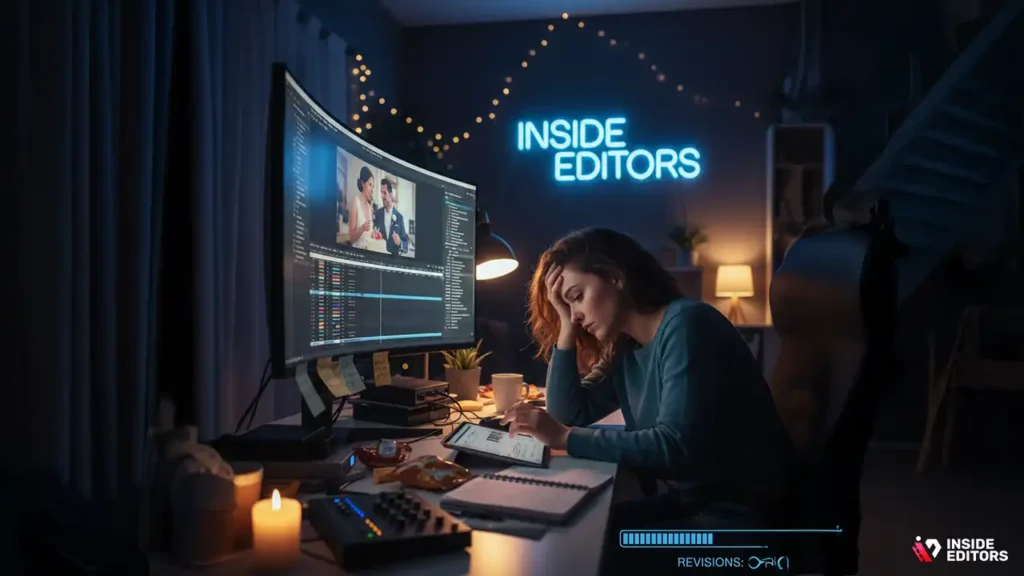
A technical masterpiece can still be a failure if it doesn’t align with the client’s vision. A major non-technical mistake in wedding video editing is poor communication regarding style, expectations, and the revision process.
The Assumption Trap
Never assume you know what the client wants. Did they want a documentary style or a music video style? Did they hate the song played during the cake cutting? These details must be gathered before the editing begins.
Best Practices for Client Onboarding:
- Pre-Edit Questionnaire: Ask specific questions about preferred music (and provide licensed options), desired length, key moments they absolutely want included, and any footage they do not want shown.
- Style Reference: Ask the couple to provide 2-3 examples of wedding video styles they love and 1-2 examples they dislike.
- Clear Revision Policy: Define the scope of revisions upfront (e.g., “Two rounds of minor revisions included. Major structural changes after the first draft will incur an additional fee.”). This manages expectations and protects the editor’s time.
The Endless Revision Cycle
Failing to set boundaries around revisions can lead to an endless, unprofitable cycle of tweaks. If the client requests changes that deviate significantly from the agreed-upon style, it’s crucial to address this professionally and firmly, often requiring a conversation about the initial contract and scope of work.
This is often where professional editing services shine. Companies like Inside Editors offer a structured workflow with features like unlimited revisions until satisfied, ensuring client happiness while maintaining project efficiency and editor sanity.
Mistake 7: Ignoring long-term quality and formats
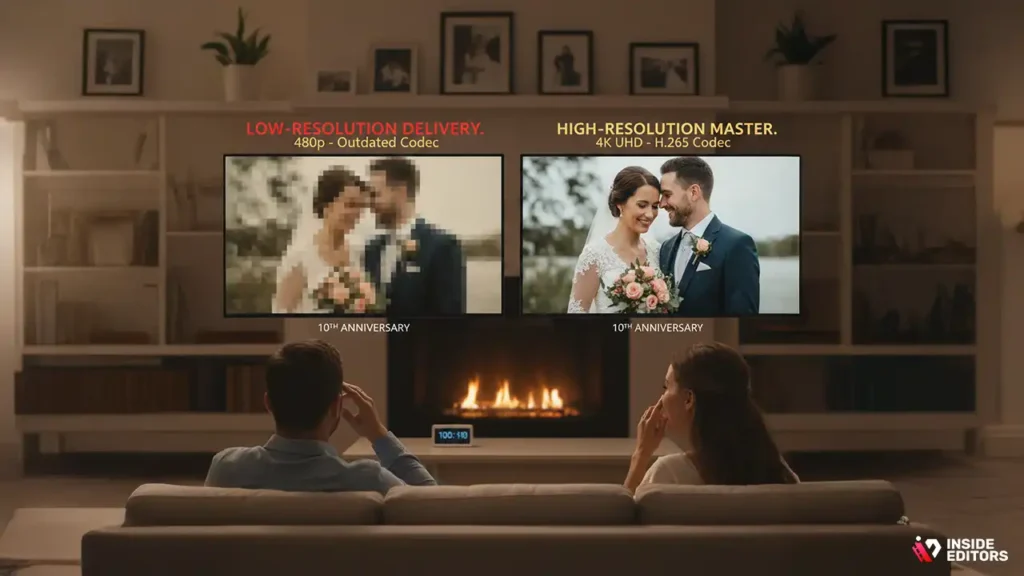
The final mistake is treating the delivery of the wedding video as an afterthought. Delivering a low-resolution file, using an outdated codec, or failing to provide archival options compromises the longevity and quality of the finished product.
The Low-Resolution Delivery Blunder
While many clients view the video primarily on their phones, delivering only a compressed, low-resolution file is a disservice. Modern televisions and monitors are 4K and beyond. A professional wedding video must be delivered in the highest possible resolution (typically 4K UHD) using a standard, high-quality codec (like H.264 or H.265) with a high bitrate to preserve detail.
Delivery Checklist:
- High-Resolution Master: A full-quality file for archival and large-screen viewing.
- Web/Social Media Version: A smaller, optimized file (1080p, lower bitrate) for easy sharing.
- Audio Check: Ensure the final mix is loud enough for viewing without headphones (LUFS target around -14 to -16).
Archiving and Backup
A professional editor must maintain a robust backup system. Clients frequently lose their files years after the wedding. Being able to retrieve and re-deliver the final wedding video file-or even the project file-is a mark of professionalism and exceptional customer service.
For large projects like a wedding video, managing storage and delivery can be complex. Utilizing cloud storage and maintaining a clear organizational system for media assets is essential. If you are managing multiple clients, streamlining your post-production workflow is vital. Learning how to manage video editing projects efficiently ensures timely delivery and client satisfaction.
Expert support to enhance your wedding video edits
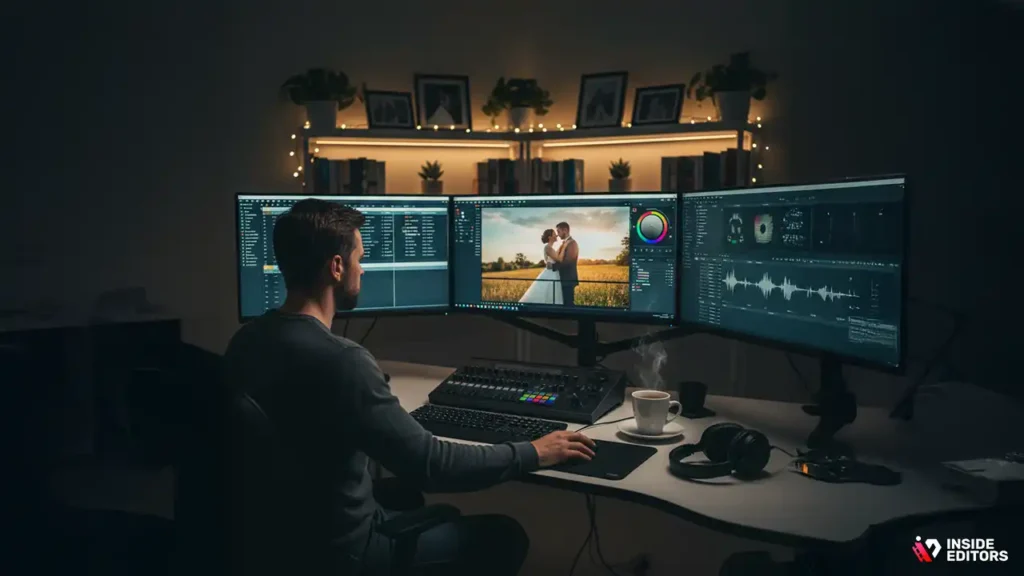
Mastering the art of the wedding video requires technical skill, emotional intelligence, and efficient workflow management. Avoiding the seven mistakes outlined above-from neglecting audio to poor client communication-will instantly elevate the quality and professionalism of your work.
However, the demands of the wedding season can quickly overwhelm even the most dedicated editors. If you are a videographer focused on capturing the perfect moments, spending dozens of hours on post-production can limit your capacity to take on new clients. This is where strategic outsourcing becomes an invaluable asset.
Why Partner with Inside Editors for Your Wedding Video Needs
Inside Editors specializes in providing professional, high-quality video editing services designed for creators and businesses who value consistency and efficiency. We understand the specific nuances required for a compelling wedding video and offer a partnership that allows you to scale your business without sacrificing quality.
Our Commitment to Your Success:
- Expertise You Can Trust: Our professional editing team boasts over 10 years of experience, ensuring every cut, grade, and mix meets industry-leading standards. We handle the complex color correction, audio restoration, and narrative structuring that defines a premium wedding video.
- Unmatched Speed and Reliability: We offer a fast turnaround time, typically between 24-72 hours, depending on the complexity of the project. This rapid delivery allows you to impress your clients and move quickly onto your next booking.
- Quality Assurance: We stand by our work with unlimited revisions until satisfied. Our goal is to align the final product perfectly with your vision and the client’s expectations.
- Affordable Excellence: Our affordable pricing, starting at just $29/video for short-form content, provides a scalable solution whether you need help with a single highlight reel or a full feature film.
By entrusting your post-production to us, you save valuable time, ensuring that the final wedding video benefits from professional color grading and audio enhancement, transforming raw footage into a cinematic masterpiece.
If you are looking to streamline your workflow and deliver exceptional results consistently, explore our dedicated Wedding Video Editing services. Let us handle the technical demands of post-production so you can focus on capturing the magic.
Conclusion: The Path to Perfect Wedding Video Editing
The journey to creating the perfect wedding video is paved with attention to detail and a dedication to storytelling. By actively avoiding these seven crucial mistakes-from the subtle errors in audio mixing to the structural flaws in narrative pacing-you ensure that the final product is not just a recording, but a cherished cinematic memory.
Remember that the best editors are those who prioritize the emotional experience of the viewer above all else. They understand that a wedding video is a legacy, and every decision made in the editing suite contributes to its lasting impact.
Whether you choose to master every aspect of post-production yourself or partner with expert services like Inside Editors, the key is consistency, quality control, and a relentless pursuit of perfection. Start applying these insights today, and watch your wedding video portfolio transform.
Frequently Asked Questions
What is the biggest wedding video editing mistake?
One of the most common mistakes is poor audio synchronization or quality. Viewers easily forgive minor visual flaws, but bad audio is jarring and ruins the emotional impact of the day. Always prioritize clean, balanced sound and ensure the voices are clear. This is crucial for successful wedding video editing.
How long should a wedding video be?
The ideal length for a highlight reel is typically 3 to 5 minutes, maximizing viewer engagement. A full feature film, covering the ceremony and reception, usually runs between 20 and 40 minutes. Avoid excessive length, as it leads to viewer fatigue and is a common editing mistake.
Should I use transitions like wipes or fades?
Generally, simple cuts and subtle cross-dissolves are best for professional wedding video editing. Overusing elaborate transitions, such as star wipes or page peels, makes the final product look dated and distracting. Use transitions sparingly to maintain a smooth, cinematic feel.
Why is color grading important in wedding videos?
Color grading ensures consistency across all clips, correcting exposure issues and setting the overall mood. Without proper grading, the footage can look jarring, shifting between warm and cool tones. Consistent color enhances the visual quality and avoids a major editing mistake.
What frame rate should I edit my footage at?
Most wedding videos are edited and delivered at 24 frames per second (fps) for a cinematic look. If you shot slow-motion footage at 60 fps or 120 fps, ensure you interpret that footage correctly in the 24 fps timeline. Mixing frame rates incorrectly is a common technical editing mistake.
How do I avoid shaky footage in the final cut?
Use stabilization tools within your editing software (like Warp Stabilizer) or dedicated third-party plugins. However, the best practice is to stabilize footage during filming using tripods or gimbals. Over-stabilizing in post-production can introduce unwanted visual artifacts.
Can I use popular music in my wedding video?
No, using copyrighted popular music without a license is illegal for commercial use, even for wedding videos. Always use licensed music from royalty-free libraries (like Epidemic Sound or Artlist) to avoid legal issues and ensure ethical wedding video editing practices.
When should I start the wedding video editing process?
Start sorting and backing up footage immediately after the event. Begin the actual editing process within 1-2 days to keep the creative momentum going. Most editors aim to deliver the final wedding video within 6 to 12 weeks, depending on the complexity of the project.


