


Finding the right content ideas is one of the biggest challenges for any creator, whether you’re starting your first channel or already growing an audience. Trends shift quickly, competition increases every year, and attention spans keep getting shorter – but the opportunity on YouTube has never been bigger. As we head into 2026, creators who understand what viewers want (and why they want it) will have a huge advantage.
In this guide, we’ll walk through how to discover strong YouTube video ideas, which ideas are set to dominate in 2026, and how to choose the perfect topics for your own niche. Think of this as a friendly conversation with an editor who’s helped thousands of creators shape their content – because that’s exactly the goal of Inside Editors.
How to Find YouTube Video Ideas That Actually Work
Before diving into the formats and trends that will perform well in 2026, it helps to understand where great ideas come from. If you’ve ever stared at a blank page wondering what to film next, you’re not alone – idea generation is a skill, not a mystery. And like any skill, it becomes easier once you know the right methods.
Understanding the Questions Your Audience Already Has

Every great video idea starts with a real problem, curiosity, or desire. Ask yourself: What is my audience trying to learn, fix, avoid, or achieve? A viewer searching for help usually becomes a loyal subscriber if you consistently solve their problems. This approach works across any niche – tech, fitness, education, travel, gaming, or personal finance. One way to discover these questions is by checking YouTube’s “Search Insights,” which highlights the exact topics viewers type into the search bar. Once you see what people want, creating content becomes much more targeted and purposeful.
Using Competitor Channels to Spot Hidden Opportunities

Competitor research is one of the simplest ways to uncover new ideas. When you watch what other creators in your space are producing – and more importantly, what’s working – patterns quickly become clear. The goal isn’t to copy anyone. Instead, look for gaps they haven’t filled. Maybe they explain a concept but skip advanced tips. Maybe they travel to certain places but never share costs or planning advice. These creative blind spots often become your biggest opportunities. When a successful video leaves viewers with unanswered questions, you can be the one who answers them.
Letting Tools and Trends Guide Your Creativity
Tools like Google Trends, TubeBuddy, VidIQ, and even TikTok’s trending sounds can help you see what people are paying attention to right now. Often, an idea doesn’t need to be completely original – it just needs your voice, your angle, or your personal experience. And if a trend aligns with your niche or personality, it becomes far easier to adapt into something that feels authentic. Great creators don’t chase trends blindly; they filter trends through their own style.
Why Data and Creativity Must Work Together
Many creators rely only on analytics, while others rely only on instinct – but the best ideas sit at the intersection of both. Data tells you what the audience wants. Creativity shows them something they didn’t know they needed. When you combine the two, your content becomes both relevant and memorable. And once you understand this partnership, finding video ideas becomes less frustrating and more strategic.
The next step is understanding which content ideas will perform well in the upcoming year, because audience behavior evolves – and the creators who adapt quickly are usually the ones who grow the fastest.
Which YouTube Video Ideas Will Work Best in 2026?

2026 will be a year shaped by speed, authenticity, and intelligent creation. Short-form content will continue to support long-form storytelling, while AI-driven tools will help creators plan, script, and edit more efficiently. But viewer expectations will rise too – people want clarity, value, and personality.
Why Short-Form and Long-Form Will Interact More Than Ever
Shorts have created new opportunities for discovery, but they often leave viewers wanting more context. In 2026, creators who pair “high-discovery” Shorts with “high-depth” long-form videos will perform best. The engagement loop looks like this: Shorts attract new viewers – viewers check your longer videos – long videos build trust and watch time – more watch time boosts your reach. This cycle means your ideas must work across both formats, offering bite-sized curiosity in short-form and detailed value in long-form.
How Educational Entertainment Is Becoming the New Standard
Edutainment is growing fast – viewers want to learn but don’t want to feel like they’re in a classroom. Videos that explain, demonstrate, compare, and simplify do extremely well when delivered with charm and personality. A travel creator explaining budgeting tips, a fitness trainer breaking down workout myths, or a tech reviewer comparing gadgets with humor – each blends entertainment with education. With attention spans tighter than ever, this hybrid style will continue rising through 2026.
The Rise of “Real-Time” Content and Transparent Storytelling
Viewers are tired of polished perfection. They want authenticity, clarity, and behind-the-scenes honesty. Vlogs that feel too staged are declining, but real-time storytelling – “come with me,” “watch me try,” “learn with me,” “building this step by step” – is growing. In 2026, the most successful creators will show their process, not just the results. This trend favors creators who are willing to share mistakes, challenges, and personal insights.
Why Niches Will Outperform Broad Channels
As competition grows, channels that try to cover everything risk blending into the background. But creators who embrace a clear niche will see stronger growth. Viewers trust experts, and YouTube’s algorithm prefers channels with well-defined themes. The goal for 2026 is not to appeal to everyone – it’s to become the go-to source for something specific.
With these trends in mind, let’s explore the best video ideas you can start using right now.
Top 5 YouTube Video Ideas That Will Perform in 2026
Choosing a video idea is not just about following trends; it’s about understanding how people consume content. The ideas below stand out because they tap into universal needs: learning something new, saving time, solving a problem, or being entertained. These formats continue to grow year after year – and in 2026, they’re expected to dominate.
1. “Beginner to Pro” Transformation Journeys
Transformation videos – whether skill-based, physical, creative, or educational – consistently attract viewers because they follow a narrative structure. People love progress. They love seeing change happen. And they love feeling like they can be part of the journey. A creator learning video editing from scratch, a traveler learning local cooking skills, or a gamer improving a ranked strategy – these stories resonate deeply.
2. Deep-Dive Tutorials With Real Examples

Tutorials have always performed well, but viewers now expect more than a surface-level explanation. What works best in 2026 is tutorial content that goes deeper: showing mistakes, revisions, comparisons, and alternative methods. Viewers want to understand why something works, not just how. If you can teach while showing real-world examples, your content becomes both valuable and sharable.
3. Honest Product Comparisons and “Which One Should You Buy?” Videos

Comparison videos remain powerful because they help viewers make decisions – and decision-making is one of the biggest reasons people search YouTube. In 2026, viewers will expect honest, experience-driven comparisons rather than quick specs compilations. Whether you’re comparing cameras, microphones, editing software, or travel gear, your personal insight becomes your competitive edge.
4. Real-Time “I Tried This So You Don’t Have To” Challenges
This format blends entertainment, research, and personal experience. It’s engaging because it feels both helpful and fun. You can test editing techniques, daily habits, learning methods, viral routines, or anything that requires commitment. These videos do well because they spark curiosity and show genuine effort – both qualities that viewers respect.
5. Behind-the-Scenes Workflow and Setup Breakdowns

People are endlessly curious about how creators produce their work. Sharing how you plan, film, edit, optimize, and organize your content makes viewers feel close to you. It also positions you as an expert in your niche, strengthening trust. Workflow videos, setup tours, editing breakdowns, and planning sessions all perform exceptionally well – especially when paired with storytelling.
Each of these ideas adapts to multiple niches, from business to beauty, gaming to travel, fitness to tech. The key is personalization. Your voice is what makes an idea unique.
How to Choose the Right YouTube Video Ideas for Your Channel
Now that we’ve explored high-performing ideas, let’s talk about how to choose the ones that fit your channel. Because even the best ideas won’t work if they don’t match your voice, skills, or goals. This part of the guide helps you understand which ideas will actually bring growth – not just views.
Start With Your Strengths and Natural Personality
Every creator has a natural style. Some are great storytellers. Some teach clearly. Some entertain effortlessly. Some analyze deeply. When you align your video ideas with your strengths, creating becomes easier and viewers feel the authenticity immediately. If you’re not naturally energetic, a fast-paced challenge video might feel forced. If you’re not into long explanations, heavy tutorials might drain you. Choosing ideas that match your personality keeps your channel sustainable long-term.
Let Your Analytics Guide You Without Controlling You
Your analytics hold hidden insights. Which videos kept people watching the longest? Which topics attracted new subscribers? Which formats performed better than expected? Patterns usually emerge – and those patterns can guide your next ideas. But analytics shouldn’t limit your creativity. They should simply act as signposts helping you understand where your strengths meet viewer interests.
Match Your Ideas to Your Niche and Future Goals
Ask yourself two questions:
- Does this idea fit my current niche?
- Does it fit where I want the channel to be in one year?
Ideas that match both answers are the ones that build long-term growth. If you plan to evolve your niche, choose ideas that gently bridge the gap rather than making sudden changes that confuse your audience.
Test Fast, Learn Fast, Adapt Fast
The biggest creators don’t succeed by guessing – they succeed by testing. If you’re unsure about an idea, make a shorter version first. Try a mini-tutorial, a short challenge, a quick review, or a brief experiment. If viewers respond well, expand it into long-form content. This test-first approach saves time and prevents burnout.
How Your Niche Shapes the Best Video Ideas for Your Channel
Your niche plays a bigger role in content success than most creators realize. Viewers subscribe because they want something specific – a style, a topic, or a perspective – and your niche becomes the foundation that shapes all your YouTube video ideas. But niches are flexible. They evolve as you evolve, and the creators who embrace this gradually tend to grow faster and more consistently.
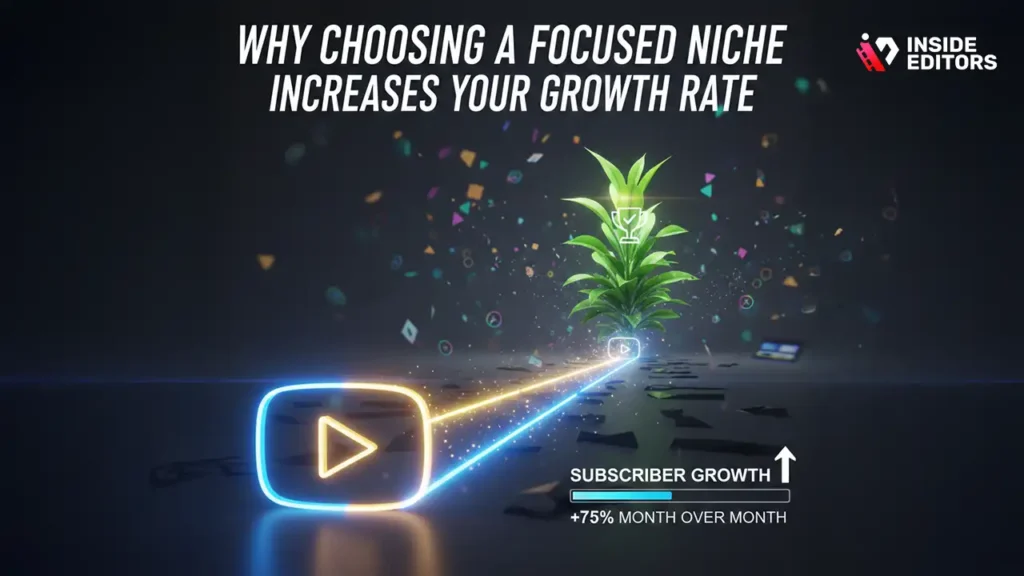
Why Choosing a Focused Niche Increases Your Growth Rate
YouTube’s algorithm rewards clarity. When your channel consistently revolves around a focused topic, YouTube understands who your audience is and recommends your videos to the right people. But beyond the algorithm, your niche also strengthens your personal brand. If someone watches one of your videos and instantly understands what your channel stands for, they’re more likely to subscribe – and stay.
Having a niche doesn’t mean you’re limited. It simply means you build trust within a space before expanding outward. Think of it like telling a clear story: viewers should be able to summarize your channel in one sentence. Once that identity solidifies, your video ideas become easier to generate because they all connect back to a central purpose.
Identifying the Format That Matches Your Niche
Each niche has formats that perform far better than others. For example, tech channels thrive with comparisons and “best of” lists. Travel channels excel with itineraries, cost breakdowns, and real-time experiences. Gaming channels perform well with tutorials, ranked gameplay, and commentary. Fitness channels drive growth through transformations, myths, and follow-along sessions. Understanding the dominant formats in your niche helps you choose ideas that naturally attract viewers who are already searching for your content.
You don’t need to repeat what everyone else is doing. Instead, add your unique style or presentation to a format that you know already has demand. This balance between proven frameworks and personal creativity is what makes a channel sustainable long-term.
Balancing Creativity and Audience Expectation
Every niche has an “unwritten agreement” between the creator and the viewer. If your audience subscribed for educational content, suddenly posting comedy skits might confuse them. If they expect cinematic travel videos, switching to simple commentary could cause friction. Creative experimentation is important, but so is trust. When testing new ideas, keep at least one familiar element intact – pacing, tone, topic selection, or editing style. This ensures your audience feels consistency even when you innovate.
Once you understand how your niche and format influence each other, the next step is choosing ideas that genuinely fit your goals. And that’s where strategy becomes more personal.
Choosing YouTube Video Ideas That Fit Your Channel’s Goals
Every channel has different goals – some want fast growth, others want revenue, authority, community, or creative expression. The right idea for one creator might be the wrong idea for another. So instead of following trends blindly, choose ideas based on what you want your channel to become over time.
Let Your Long-Term Vision Guide Your Short-Term Choices
Before choosing your next idea, ask yourself where you want to be in a year. Do you see yourself reviewing products? Teaching skills? Documenting personal progress? Creating cinematic stories? Helping people solve complex problems? Your long-term goal acts like a compass. Once you know your direction, it becomes easier to evaluate which ideas move you closer – and which pull you off-track.
Creators who grow consistently usually choose ideas that compound over time. Instead of making content that goes viral once, they create content that builds a library of value. Think of each video as a building block that strengthens your niche, your authority, or your personal identity.
Understanding Your Capacity: What Can You Realistically Create?
A great idea means nothing if you don’t have the resources to execute it. If you’re a solo creator, daily cinematic vlogs will burn you out quickly. If you’re new to editing, highly complex effects-heavy videos may slow you down. The best video ideas fit your current skill level and available tools while giving you room to grow.
This is where Inside Editors’ professional editing services can make a difference. If you have bigger creative ideas but not enough time to edit them, you can outsource the technical work and focus on filming, storytelling, and strategy. Many creators also use professional editing teams to maintain consistency – especially when balancing work, studies, or travel.
Using Viewer Signals to Choose Better Ideas
Your existing audience gives clues about what they want from you. Look at which videos have:
- Higher watch time
- More comments
- More shares
- Faster subscriber growth
- Better audience retention
These signals show you which ideas your viewers want more of. If a certain topic repeatedly generates longer watch time, that’s a strong indicator you should explore it further. Viewer behavior often reveals what your audience sees in you – even before you see it yourself.
Testing Small, Then Expanding Big
Instead of committing fully to every idea, creators who grow fast test ideas in smaller formats – Shorts, quick experiments, short tutorials, or mini-challenges. When something performs well, they expand it into longer videos or full series. This reduces risk, speeds up production, and gives you constant feedback without burnout.
Bringing These Ideas to Life With Strong Editing and Storytelling
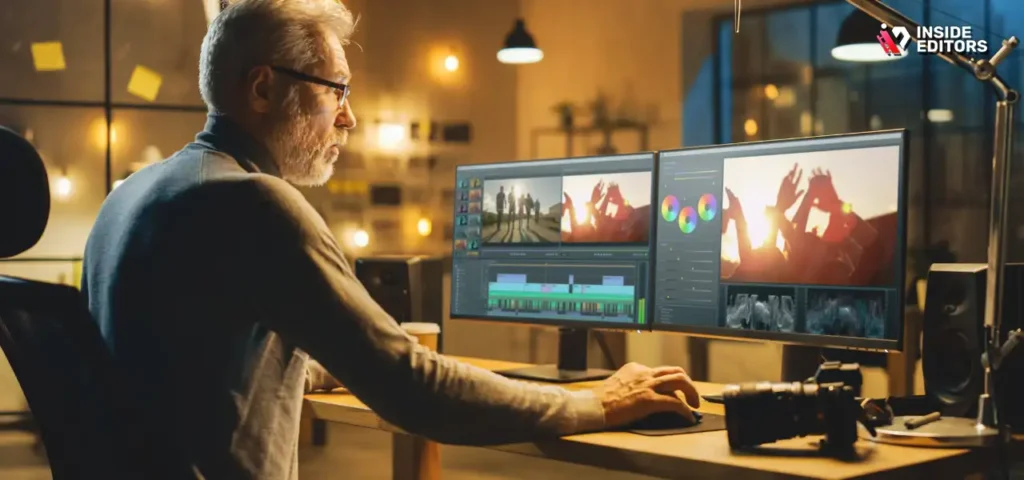
Even the best ideas fall flat without clear storytelling. Viewers stay for the story, pacing, voice, and emotional connection – not just the idea itself. Editing becomes the tool that shapes your content’s personality.
Why Thoughtful Editing Makes Even Simple Ideas Perform Better
Editing controls the viewer experience. It determines the rhythm, clarity, and emotional tone of your video. A simple idea – like a tutorial or a daily vlog – can become engaging, structured, and cinematic with the right editing choices. Clean cuts, polished audio, color consistency, and visual storytelling all increase viewer satisfaction and retention.
A 2025 Adobe survey found that 73% of creators rely on professional or AI-assisted editing tools because editing is often the bottleneck that slows channels down. When your edits improve, viewers trust you more – and trust leads to more watch time, shares, and subscribers.
How Professional Editors Strengthen Your Ideas
Professional editors don’t just trim clips. They shape your story, highlight your personality, and remove distractions that could hurt your retention. At Inside Editors, creators often come to us with strong ideas but limited time. By handling the editing work, we help creators focus on what matters most – consistency and quality. Whether you’re building a travel series, a comparison video, a fitness transformation, or an educational channel, strong editing reinforces your message and makes your story more compelling.
When to Consider Outsourcing Your Editing
If you’re struggling with:
- Slow production times
- Low audience retention
- Inconsistent quality
- Burnout
- Overwhelming editing tasks
…then outsourcing can help you regain momentum. Many growing channels use hybrid workflows – they shoot all their content, send footage to an editing service, and publish on a consistent schedule. This frees your creative energy for filming, planning, and generating new ideas.
If you want support, you can explore Inside Editors’ video editing services, which thousands of creators use to streamline their workflow and level up their content.
Common Mistakes Creators Make When Choosing Video Ideas
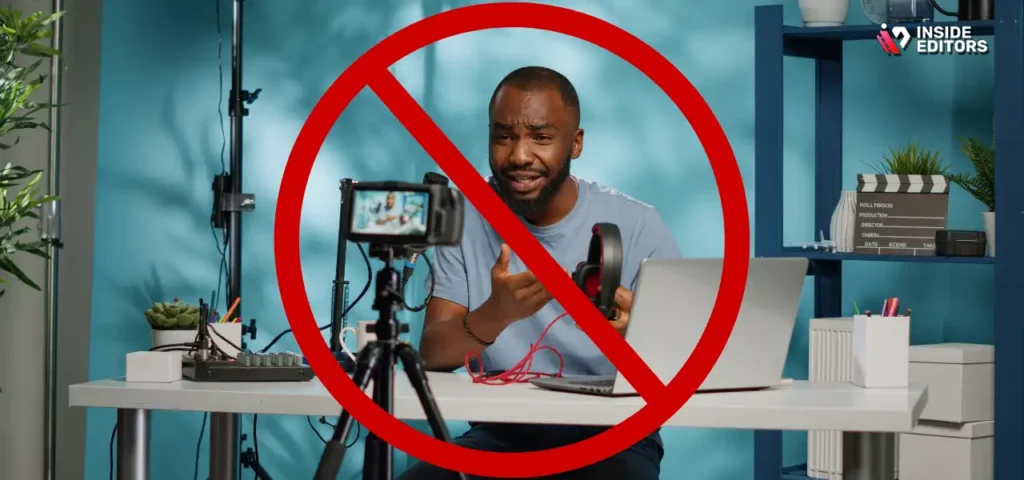
Even experienced creators slip into mistakes when planning content. Recognizing these pitfalls early helps you grow faster and avoid unnecessary frustration.
Choosing Ideas Based Only on What’s Trending
Trends change fast. If you build your entire content strategy on trends, your channel constantly resets. There’s nothing wrong with following trends – but they should support your niche, not replace it. Sustainable channels blend trending ideas with core content pillars.
Assuming Every Idea Must Be Unique
Originality doesn’t always mean “never been done before.” It often means “done in your own voice.” Viewers care more about your perspective than the novelty of the idea. Two creators can make the same type of video – but get completely different audiences based on personality, delivery, and niche.
Ignoring Analytics and Audience Feedback
Some creators chase ideas they personally like without listening to their audience. Over time, this creates disconnect and stagnation. Analytics don’t replace creativity – they sharpen it.
Trying to Appeal to Everyone
Broad content rarely works unless you’re already well-known. Niching down helps you attract the right viewers – the ones who stay, engage, and share your videos.
By avoiding these mistakes, your creative process becomes smoother, more strategic, and far more rewarding.
Final Takeaway: Strong Ideas Come From Clarity & Consistency

As YouTube evolves, the creators who succeed aren’t the ones posting the most videos – they’re the ones choosing ideas intentionally, telling stories clearly, and editing with purpose. Strong YouTube video ideas are the foundation of every successful channel. They help you grow, engage your audience, and build a consistent identity that viewers remember.
If you’ve ever felt unsure about what to film next, you’re not alone. But now you have a roadmap – from finding viewer-focused topics to understanding 2026 trends, choosing your niche, shaping your format, and building a workflow that keeps you consistent.
If you want to take your content even further – with cleaner storytelling, cinematic edits, and an editing partner who understands creators – Inside Editors is here to help.
Explore Inside Editors’ Video Editing Services
FAQ Top YouTube Video Ideas
1. How do I come up with YouTube video ideas when I feel stuck?
If you feel stuck, start by checking what your viewers already search for – YouTube Search Insights and Google Trends show real audience questions. Reviewing your top-performing videos also helps you see patterns worth repeating. Many creators test small versions of new ideas using Shorts before making full uploads.
2. What’s the easiest way to know if a YouTube video idea will work?
A good idea solves a problem, teaches something quickly, or makes viewers curious within the first five seconds. You can measure early interest by posting a short teaser or running a small A/B test with titles and thumbnails. If retention stays high in the first 30 seconds, the long-form version will likely perform well.
3. How much does it cost to produce high-quality YouTube videos?
Costs vary depending on niche and equipment, ranging from $0–$300 for DIY videos to $300–$1,500+ if you hire editors or voice-over talent. Most creators start with basic gear and upgrade slowly as their channel grows. Editing is usually the biggest cost, especially if you want color grading or advanced motion graphics.
4. Should I edit my videos myself or hire a professional?
DIY editing works for personal vlogs or simple tutorials, but professional editors offer faster turnaround and more polished results. Services like Inside Editors handle color grading, sound design, and pacing – tasks that take beginners hours. If you want cinematic quality or post consistently, outsourcing saves time.
5. How long does it usually take to edit a YouTube video?
Simple videos take 2–6 hours, while detailed tutorials or travel videos can take 8–20+ hours depending on footage and revisions. Professional editors usually deliver within 48–96 hours, with rush options available for tight deadlines. Complex edits depend on scripting, motion graphics, and client feedback.
6. What’s the best way to plan YouTube video ideas for a full month?
Start by choosing 3–4 “core formats” you can repeat – tutorials, comparisons, reactions, or reviews. Then build a content calendar around seasonal trends, evergreen topics, and audience questions. A simple workflow is: brainstorm – shortlist – test with Shorts – script – film – edit – schedule.


