

The landscape of corporate communication has shifted dramatically. Today, a successful event isn’t just about the live experience; it’s about the lasting digital footprint it leaves behind. High-quality Corporate Event Video Production is no longer a luxury-it’s a necessity for maximizing ROI, extending reach, and reinforcing brand messaging.
However, the path to a compelling event video is fraught with potential pitfalls. Many organizations invest heavily in the live event only to stumble during the production phase, resulting in footage that is unusable, unengaging, or fails to capture the event’s true value.
This comprehensive guide, written by senior industry experts, details the seven most critical mistakes companies make in Corporate Event Video Production and provides actionable strategies to ensure your next event video is a resounding success.
Why Quality Matters
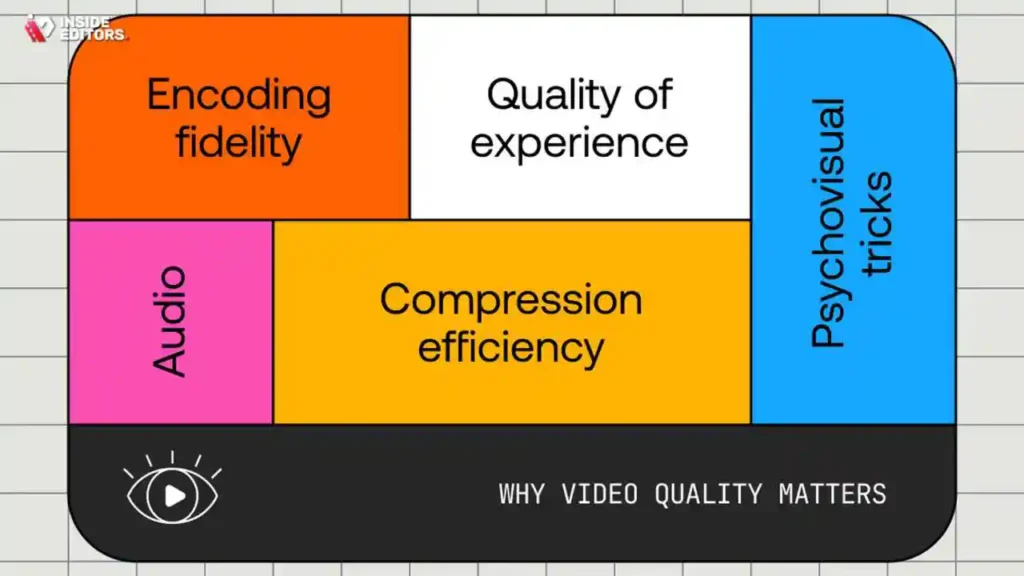
Before diving into the mistakes, it’s crucial to understand the immense value professional Corporate Event Video Production brings. These videos serve multiple purposes: internal training, external marketing, lead generation, and historical archiving. When done correctly, they transform a one-day event into evergreen content.
“Video content is the closest thing we have to teleportation in marketing. It allows your audience to experience the energy and value of your event, even if they couldn’t be there.” – Mark Schaefer, Author and Marketing Consultant
The goal is to move beyond simple documentation and create cinematic, story-driven assets. Failing to plan for this level of quality is the first step toward disappointment.
Mistake 1: Pre-Production Planning Mistakes

The most common failure in Corporate Event Video Production occurs before the cameras even start rolling. Many teams treat video production as an afterthought, assuming the crew can simply show up and capture the action. This oversight leads to misalignment, missed opportunities, and technical chaos.
Ignoring the “Why”: Defining the Video’s Purpose
Before hiring a crew, you must define the video’s primary objective. Is it a 60-second sizzle reel for social media? A 30-minute keynote capture for internal training? Or a series of testimonial interviews for lead generation? Each goal requires a different shooting style, equipment setup, and post-production approach.
Actionable Insight: Create a detailed production brief that outlines the target audience, desired emotional tone, key messaging, and distribution channels. This document should be shared and approved by all stakeholders, including the event organizers and the production team. For complex projects, consider utilizing video editing services for businesses that can help structure the narrative from the planning stage.
Neglecting Technical Scouting and Logistics
A professional crew needs access, power, and lighting information well in advance. Arriving on the day without knowing the venue’s limitations is a recipe for disaster. Are the stages brightly lit? Is the audio routed correctly? Where are the best spots for interviews?
| Planning Element | High Risk (Mistake) | Low Risk (Solution) |
|---|---|---|
| Venue Access | Crew arrives 30 minutes before attendees. | Crew arrives 4 hours early for setup and sound checks. |
| Audio Routing | Relying solely on camera mics. | Tapping directly into the venue’s soundboard (clean feed). |
| Interview Location | Setting up interviews in a noisy hallway. | Designating a quiet, branded, and well-lit breakout room. |
Mistake 2: Poor Audio Choices
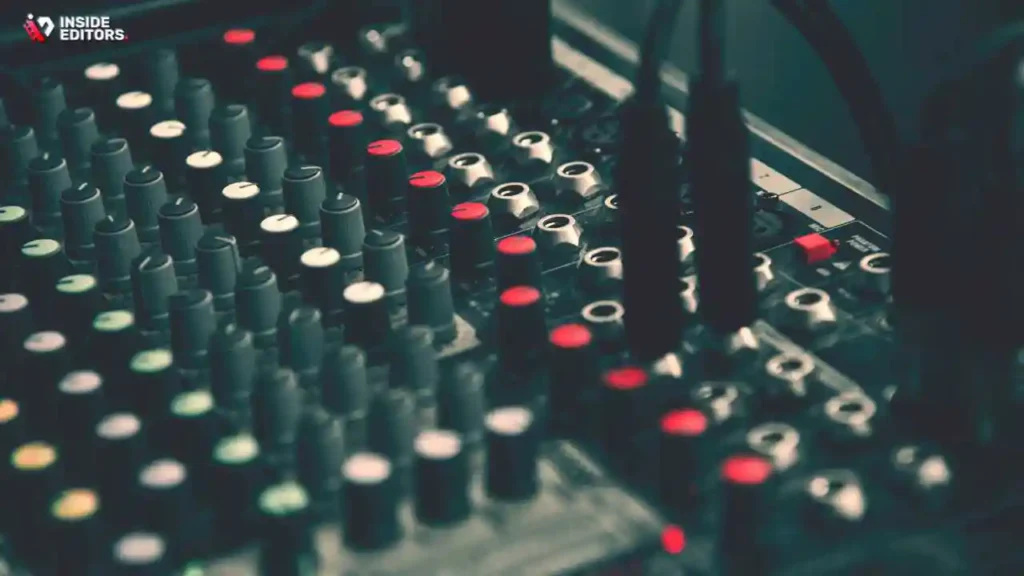
In video production, audio is often cited as being more important than video quality. A viewer might tolerate slightly grainy footage, but they will immediately tune out if the audio is muffled, distorted, or plagued by background noise. This is a critical failure point in Corporate Event Video Production, especially in large, dynamic environments.
The Pitfalls of Poor Sound Capture
Events are inherently noisy: clapping, music, chatter, and HVAC systems all compete with the speaker’s voice. Relying solely on the microphone attached to the camera is a fundamental error.
“If the picture is bad, you have a bad video. If the sound is bad, you have no video.” – Walter Murch, Oscar-Winning Sound Designer
Solution: Always insist on a multi-pronged audio strategy. This includes:
- Direct Soundboard Feed: Getting a clean, isolated feed from the venue’s mixing board for all stage presentations.
- Lavalier Mics: Using professional wireless lavalier microphones on all key speakers.
- Boom Mics: Utilizing a dedicated sound operator with a boom mic for capturing audience reactions and candid interviews.
If you capture clean audio, the post-production process-including noise reduction and mixing-becomes infinitely easier, saving time and budget. This is where professional video editing services excel, ensuring every word is crisp and clear.
Mistake 3: Missing Coverage B-Roll
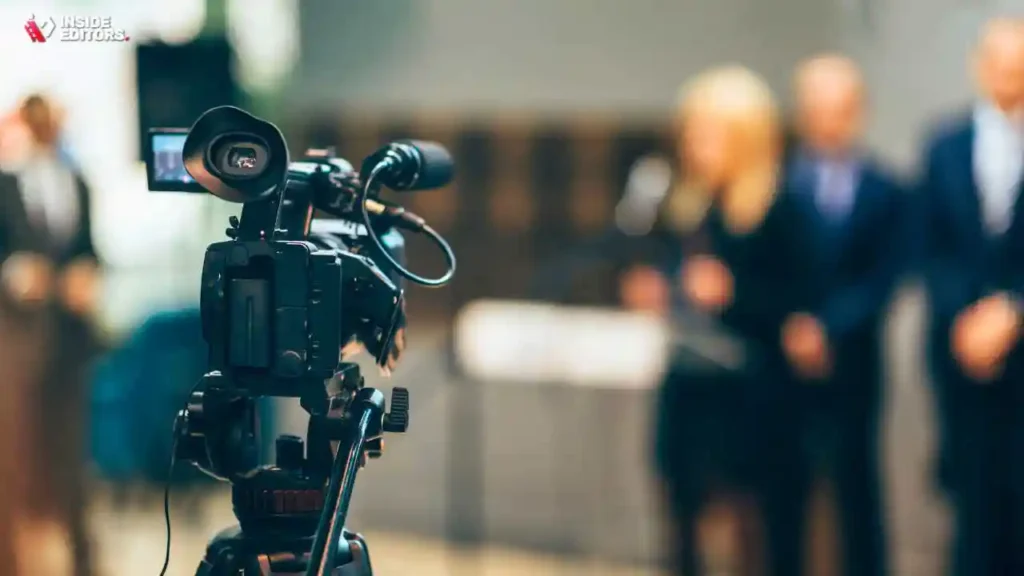
A common mistake is focusing exclusively on the main stage presentation. While the keynote is essential, the resulting video will be visually boring if it only features a static shot of a person standing behind a podium. Effective Corporate Event Video Production requires diverse coverage.
The Power of B-Roll and Ambient Shots
B-roll-supplementary footage used to illustrate the narrative-is the lifeblood of an engaging event video. It breaks up the monotony and allows the editor to smooth transitions and cover jump cuts.
Pros and Cons of Comprehensive B-Roll Capture
| Aspect | Pros (High Coverage) | Cons (Low Coverage) |
|---|---|---|
| Engagement | Keeps viewers engaged; adds dynamic energy. | Static shots lead to viewer fatigue and high drop-off rates. |
| Narrative Flexibility | Allows editors to build a story and hide mistakes. | Limited editing options; forced to use awkward cuts. |
| Branding | Captures branding elements, networking, and product demos. | Focuses only on the speaker; misses the atmosphere. |
| Time Investment | Requires more time and possibly an extra camera operator. | Saves time on the day, but costs significantly more in post-production fixes. |
Ensure your production brief explicitly lists the required B-roll elements: close-ups of attendees networking, shots of branded signage, food and beverage service, hands-on demonstrations, and wide establishing shots of the venue.
Mistake 4: Legal Clearance Issues

In the rush of event day, it’s easy to forget the legal implications of capturing and using footage. Mistake 4 involves neglecting releases, copyright, and brand guidelines, which can render otherwise perfect footage unusable.
Securing Talent and Music Rights
Every person prominently featured in your video-especially interviewees-should sign a talent release form. This grants you the legal right to use their image and voice for marketing purposes.
Furthermore, music licensing is non-negotiable. Using popular, copyrighted music without permission (even if it’s playing in the background of the venue) can lead to copyright strikes, takedowns, or costly lawsuits. Always use royalty-free music or secure the appropriate commercial licenses.
Expert Tip: Integrate a clause into event registration that informs attendees that they may be filmed and photographed, and that their attendance constitutes implied consent for general crowd shots. For specific interviews, however, always obtain a signed release.
If you are working with a professional team, they should handle the licensing of stock footage and music. For those managing the post-production internally, services like video editing for content creators often include guidance on proper asset management and licensing compliance.
Mistake 5: Weak Post-Production
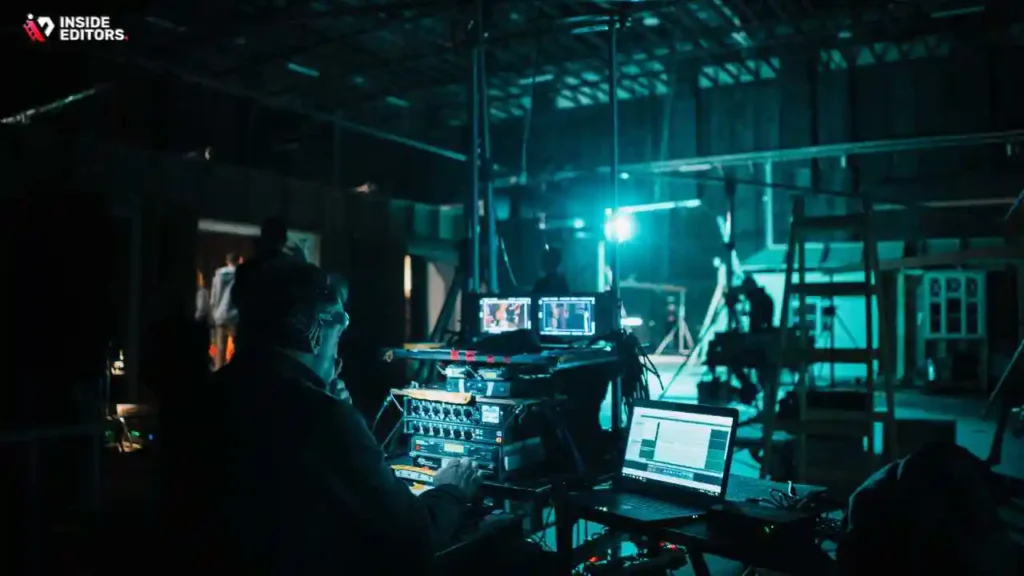
Many businesses view the filming phase as the entire investment. However, the true magic of Corporate Event Video Production happens in the edit suite. Cutting corners here results in a final product that looks amateur, regardless of the quality of the raw footage.
The Critical Role of Professional Editing
A skilled editor transforms hours of raw footage into a coherent, impactful narrative. This involves more than just trimming clips; it includes color grading (ensuring consistent visual quality), audio mixing (balancing music, voiceovers, and ambient sound), and motion graphics (adding lower thirds, titles, and branding).
Definition Box: Color Grading Color grading is the process of altering and enhancing the color of an image to achieve a specific look or mood. For corporate events, this ensures all cameras match and the brand’s aesthetic (e.g., warm, professional, vibrant) is consistently applied across all video assets.
If you lack the internal expertise or capacity, outsourcing post-production is often the most cost-effective and quality-driven solution. Inside Editors specializes in this area, offering fast video editing services with a 24-72 hour turnaround, ensuring your event footage is quickly transformed into market-ready assets. Our professional editors have 10+ years of experience in corporate storytelling.
Mistake 6: Ignored Brand Consistency
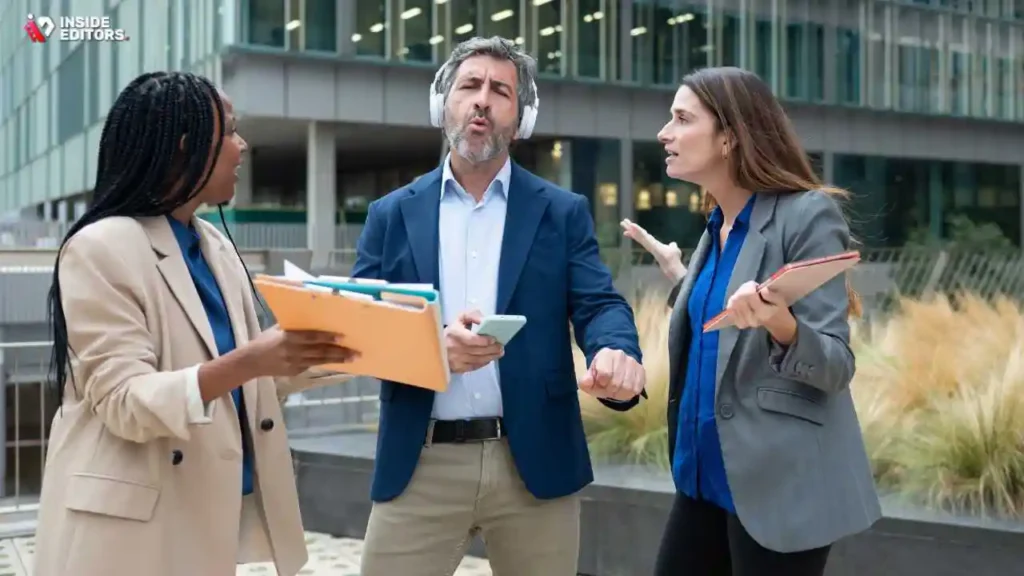
An event video is a direct representation of your brand. A significant mistake is producing a video that feels disconnected from your corporate visual identity, undermining trust and confusing the audience.
Integrating Visual Branding Elements
Every aspect of the final video must align with your brand guidelines:
- Color Palette: Use the exact brand colors for titles, lower thirds, and graphics.
- Font Selection: Stick to approved corporate fonts.
- Logo Usage: Ensure the logo is placed appropriately and consistently (often a subtle watermark or a closing bumper).
- Tone and Style: The music, pacing, and overall visual style should match your company’s established voice-whether serious and authoritative or energetic and innovative.
A successful event video production team understands that they are not just filmmakers; they are brand custodians. They must be given the full brand style guide before editing begins. This attention to detail is crucial for maintaining a polished, professional image, which is why many organizations rely on experts who offer services like video editing for YouTube to maintain channel consistency.
Mistake 7: Distribution Planning Gaps

The final mistake is treating the event video as a single deliverable. Modern content strategy demands that you maximize the value of your raw footage by planning for multiple outputs across various platforms.
The Repurposing Matrix
A single day of Corporate Event Video Production can yield dozens of valuable assets, but only if you plan for them in advance.
| Asset Type | Target Platform | Length & Style | Goal |
|---|---|---|---|
| Sizzle Reel | Social Media (Instagram, LinkedIn) | 30-60 seconds, fast cuts, high energy. | Awareness, drive traffic to next event registration. |
| Keynote Snippets | Blog, Email Newsletter | 2-5 minutes, focused on one core idea. | Thought leadership, lead nurturing. |
| Testimonial Clips | Website Landing Pages | 15-30 seconds, direct quotes. | Social proof, conversion optimization. |
| Full Session Capture | Internal LMS, YouTube | 45-60 minutes, full presentation. | Training, evergreen resource. |
When you hire a production crew, ensure they capture footage with these different formats in mind (e.g., shooting vertical footage for Reels, or capturing wide shots suitable for desktop viewing).
This strategy of maximizing content output is where Inside Editors provides immense value. Instead of receiving one final video, our clients often leverage our expertise to create an entire suite of micro-content from the same raw footage. We streamline the process of transforming long-form content into engaging social clips, ensuring you get the most out of your investment in Corporate Event Video Production. If you are looking to scale your content output efficiently, it’s worth exploring how to hire professional video editors who understand multi-platform distribution.
Next Steps: Ensuring Production Success
Avoiding these seven mistakes requires diligence, foresight, and, often, external expertise. The complexity of managing logistics, ensuring technical quality, and delivering polished, branded content is significant.
If you are planning your next event and want to guarantee a high-performing video asset without the internal stress, consider partnering with a dedicated post-production specialist.
Inside Editors offers comprehensive video editing services designed specifically for corporate clients and event marketers. We take your raw event footage-whether it’s 5 hours or 50 hours-and transform it into professional, engaging content that aligns perfectly with your brand goals.
Why Choose Inside Editors for Your Event Video Post-Production?
- Expertise: Our professional editing team has 10+ years of experience handling complex corporate event footage.
- Speed: We offer a fast turnaround (24-72 hours) so you can capitalize on the event’s momentum immediately.
- Quality Assurance: Services include professional color grading, audio enhancement, and unlimited revisions until you are 100% satisfied.
- Affordability: We provide scalable, affordable pricing starting at $29/video, making high-quality post-production accessible.
By focusing on pre-production planning, prioritizing pristine audio, capturing diverse B-roll, securing legal clearances, and investing in professional post-production, you can elevate your Corporate Event Video Production from a simple archive to a powerful marketing tool.
Ready to turn your event footage into high-impact content? Learn more about our specialized video editing packages and start maximizing your event ROI today.
Frequently Asked Questions
What is the biggest mistake in corporate event video?
The most common and costly mistake is neglecting pre-production planning, especially failing to create a detailed shot list and run-of-show. This leads to missed key moments, poor sound quality, and disorganized footage. Proper planning ensures smooth corporate event video production and better final results, saving significant time in post-production.
How does poor audio quality affect event videos?
Poor audio drastically reduces the perceived professionalism of your corporate event video. Viewers will tolerate mediocre visuals more easily than bad sound. Always use external microphones, such as lavaliers for speakers, and ensure dedicated audio monitoring to capture clear dialogue and ambient sound effectively.
Should we skip getting signed talent releases?
Absolutely not. Skipping talent releases is a major legal risk, especially if the corporate event video will be used for marketing or public promotion. Always secure written permission (releases) from all identifiable speakers and attendees who appear prominently in the footage before distribution. This protects your organization legally.
Why is B-roll footage essential for events?
B-roll footage-secondary shots like audience reactions, venue details, and networking-is crucial for effective storytelling and pacing. It allows the editor to cover up cuts in speaker interviews and adds visual interest, preventing the final corporate event video from looking like a static recording of a presentation slide deck. Aim for 30-40% B-roll coverage.
Can we use just one camera for event coverage?
While possible, relying on only one camera is a critical mistake for professional corporate event video production. A single camera limits editing options and often results in jarring jump cuts. Using two or three cameras provides necessary angles (wide, medium, close-up) and ensures seamless transitions during post-production editing.


