

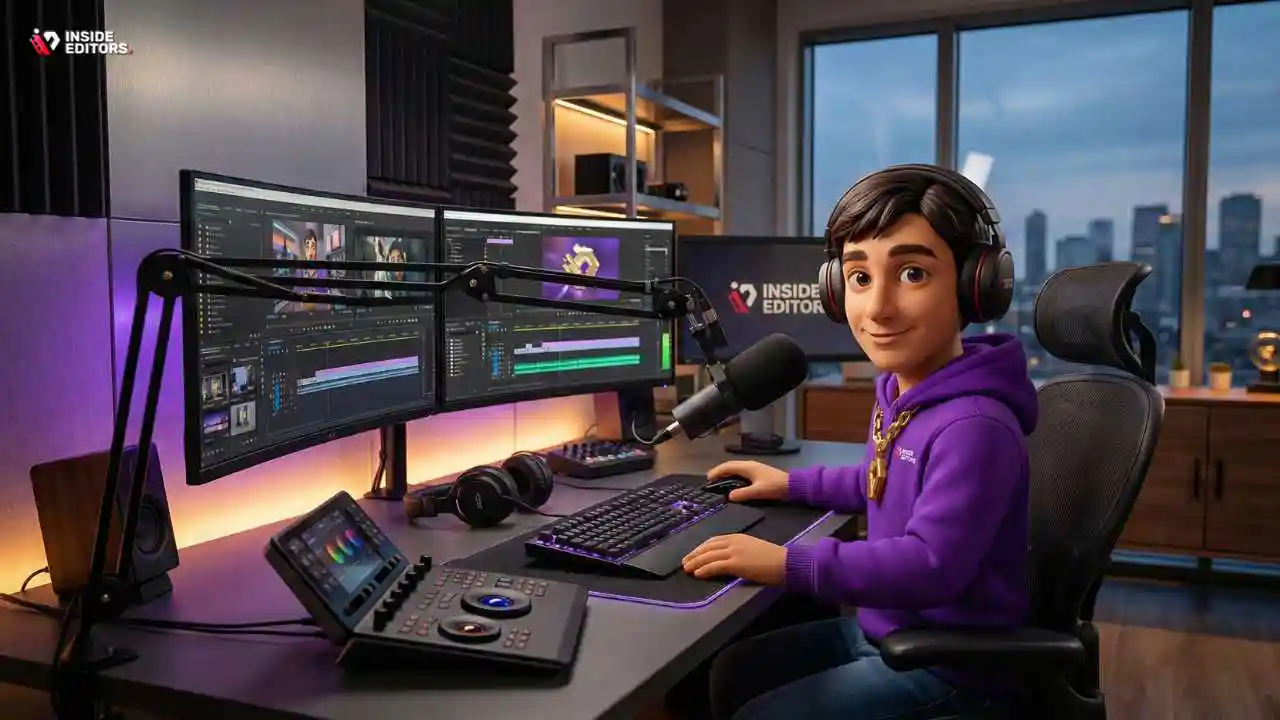
Choosing the right video format is one of the most critical decisions a marketing team faces today. Video is no longer optional; it is the primary driver of online engagement and conversion. But when you set out to create compelling visual content, a fundamental question arises: Should you invest in a polished live-action production or opt for a creative animated corporate video? The choice between these two powerful mediums-live-action and animation-depends entirely on your budget, message complexity, target audience, and long-term content strategy.
This comprehensive guide breaks down the strengths and weaknesses of both formats, offering expert insights to help you determine the optimal video style for your next corporate project. We will explore scenarios where an animated corporate video shines and situations where live-action provides unmatched authenticity, ensuring your investment yields maximum return.
Production Philosophy Differences
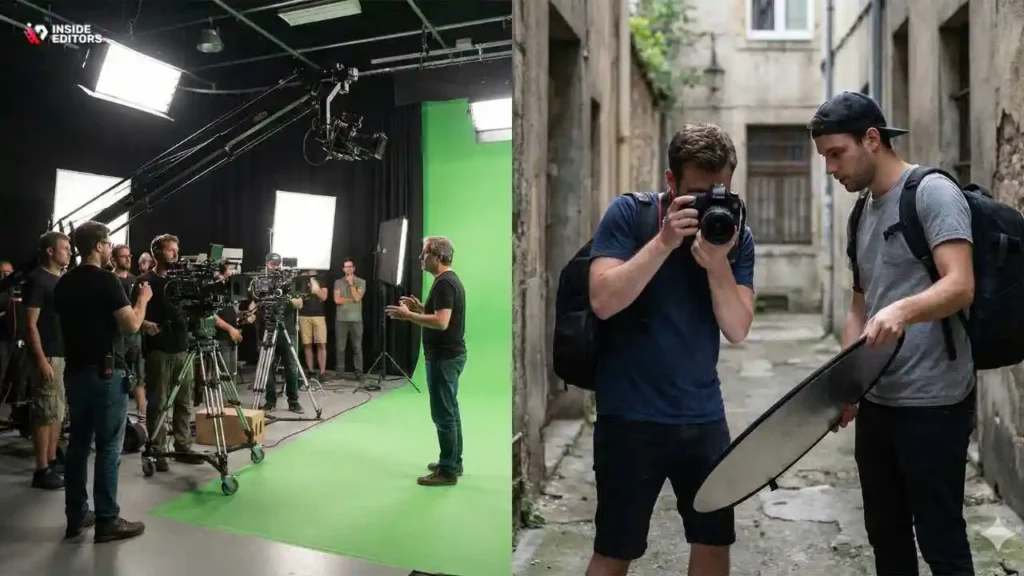
Before diving into comparisons, it is essential to define the fundamental nature of each format. While both aim to communicate a message effectively, their creation processes, costs, and inherent limitations differ dramatically.
Live-Action Video: Authenticity and Relatability
Live-action video involves filming real people, objects, and locations using cameras. Its primary strength lies in its ability to build immediate trust and emotional connection. When viewers see actual employees, customers, or products, the message feels tangible and authentic. This format is ideal for testimonials, facility tours, CEO messages, and product demonstrations where physical interaction is key.
Animated Corporate Video: Clarity and Flexibility
An animated corporate video, conversely, uses graphics, illustrations, and motion design to tell a story. This medium offers unparalleled creative freedom. You can visualize abstract concepts, simplify complex systems, and create characters or environments that do not exist in reality. Animation excels at explaining dense topics, illustrating data, and maintaining a consistent brand aesthetic regardless of location or talent availability.
“Animation allows you to visualize the invisible. If your product is a complex software system or an abstract service, animation is often the clearest path to understanding.” – Andrew Davis, Digital Content Strategist
Choose Animated Video
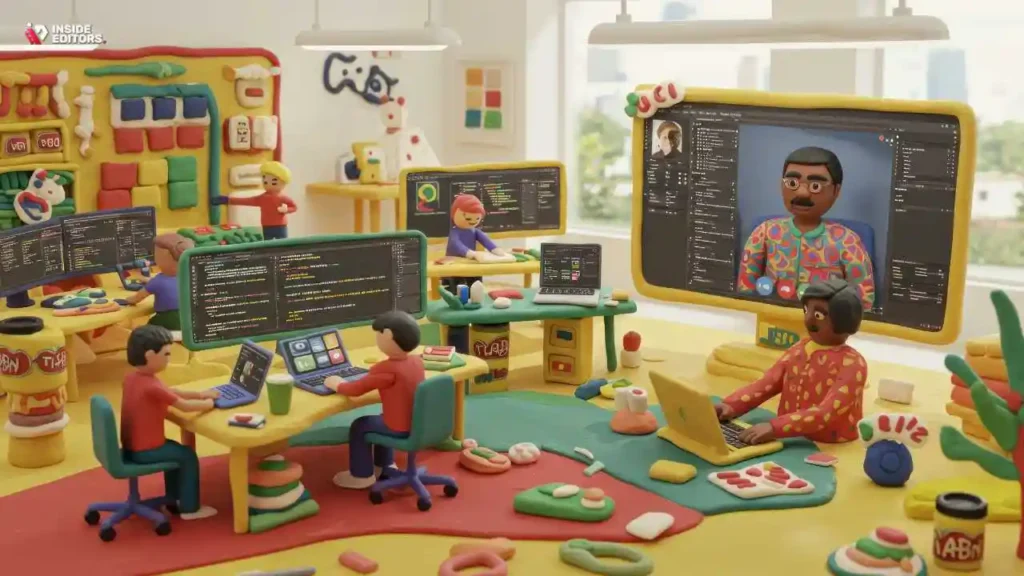
The decision to use animation often comes down to the nature of the information you need to convey and the required level of visual abstraction. An animated corporate video is frequently the superior choice in several key scenarios.
Explaining Complex or Abstract Concepts
If your product or service is intangible-such as SaaS platforms, financial models, or intricate business processes-animation provides a visual language that live-action cannot easily replicate. Motion graphics can break down these complexities into digestible, step-by-step visuals. You can literally show data flowing, systems interacting, or algorithms working, making the abstract concrete.
Maintaining Consistent Branding and Style
Animation offers total control over the visual environment. Every color, character, and scene can be perfectly aligned with your corporate style guide. This consistency is invaluable for companies operating globally or those needing to produce a high volume of content across different platforms. Live-action, by contrast, is subject to the variables of lighting, location, and human talent, making absolute consistency harder to achieve without significant effort.
Budgeting for the Long Term
While the initial cost of high-quality animation might seem significant, an animated corporate video often proves more cost-effective over time. Animation assets (characters, backgrounds, icons) can be reused and repurposed across multiple videos, presentations, and marketing materials. Furthermore, animation eliminates the recurring costs associated with live-action, such as travel, location permits, actor fees, and specialized filming equipment.
Live-Action Impact
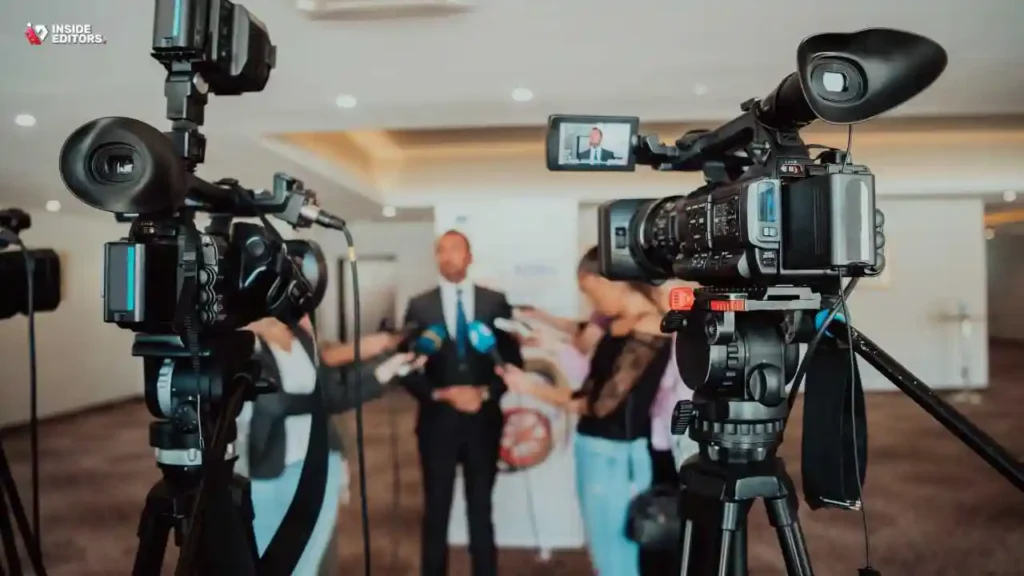
Despite the flexibility of animation, live-action remains the undisputed champion for content that relies on human connection and immediate credibility.
Showcasing Real People and Testimonials
Nothing replaces the authenticity of a genuine human face sharing a positive experience. Live-action is essential for customer testimonials, case studies, and employee spotlights. Seeing and hearing a real person establishes empathy and trust far more effectively than an animated character, no matter how well-designed.
Product Demonstrations and Physical Interaction
If your corporate video involves demonstrating a physical product, machinery, or a service where the user experience is tactile, live-action is mandatory. Viewers need to see the product in use, understand its scale, and watch real hands interact with it. A detailed, close-up shot of a product feature is difficult to replicate convincingly through animation without losing perceived realism.
Highlighting Company Culture and Leadership
Corporate videos aimed at recruitment, investor relations, or internal communications often require live-action. Seeing the CEO speak directly to the audience, or touring the actual workplace, provides a sense of transparency and culture that is vital for building internal and external relationships.
“Authenticity in video content is currency. Live-action, when done well, is the fastest way to deposit that currency into your audience’s trust bank.” – Ann Handley, Chief Content Officer
Animated vs Live-Action
To make an informed choice, marketers must weigh the practical differences in production, cost, and lifespan. The following table summarizes the key trade-offs between the two formats.
| Feature | Animated Corporate Video | Live-Action Video |
|---|---|---|
| Best For | Abstract concepts, data visualization, internal training, explainer videos | Testimonials, product demos, company culture, leadership messages |
| Cost Variable | Complexity of design, length, animation style (2D vs. 3D) | Crew size, location fees, talent costs, equipment rental, travel |
| Flexibility/Revisions | High. Easy to change graphics, text, and voiceovers post-production. | Low. Requires reshoots for changes in script, lighting, or location. |
| Time to Produce | Moderate to Long (Requires storyboarding, design, rendering) | Short to Moderate (Requires pre-production, filming, editing) |
| Shelf Life | Long. Less likely to look dated by changing fashion or technology. | Shorter. Talent may change, technology may become obsolete, requiring reshoots. |
| Emotional Impact | High for clarity and charm; lower for immediate trust. | High for authenticity, empathy, and immediate credibility. |
Production Process Differences
The workflow for creating an animated corporate video is fundamentally different from live-action. Live-action focuses heavily on pre-production (casting, location scouting) and the shoot itself. Animation focuses heavily on design and post-production.
For animation, the steps involve: scriptwriting, storyboarding, style frame creation, illustration, animation (motion design), voiceover recording, and sound design. The most time-consuming phase is usually the animation and rendering process.
For live-action, the steps involve: scriptwriting, casting, location scouting, shooting (the most expensive phase), editing, color grading, and sound mixing. The unpredictable nature of filming (weather, talent availability) often introduces delays.
Budget Cost Factors

The misconception that animation is always cheaper than live-action is often false. While a simple whiteboard animation might be budget-friendly, a complex 3D animated corporate video with custom character design can easily exceed the cost of a standard live-action shoot.
The Hidden Costs of Live-Action
When calculating live-action costs, remember to factor in:
- Talent Fees: Paying professional actors or securing rights for non-professional employees.
- Location Fees: Permits, rentals, and insurance for filming locations.
- Equipment: High-end cameras, lighting rigs, sound equipment, and specialized gear (drones, jibs).
- Logistics: Travel, catering, and accommodation for the crew.
The Value Proposition of Animation
The value of an animated corporate video often lies in its longevity and reusability. An animated explainer video created today can be easily updated next year by simply changing a few scenes or updating the voiceover track, avoiding the need for a full, expensive reshoot. This scalability makes animation an excellent choice for businesses planning extensive content libraries.
Hybrid Video Approach
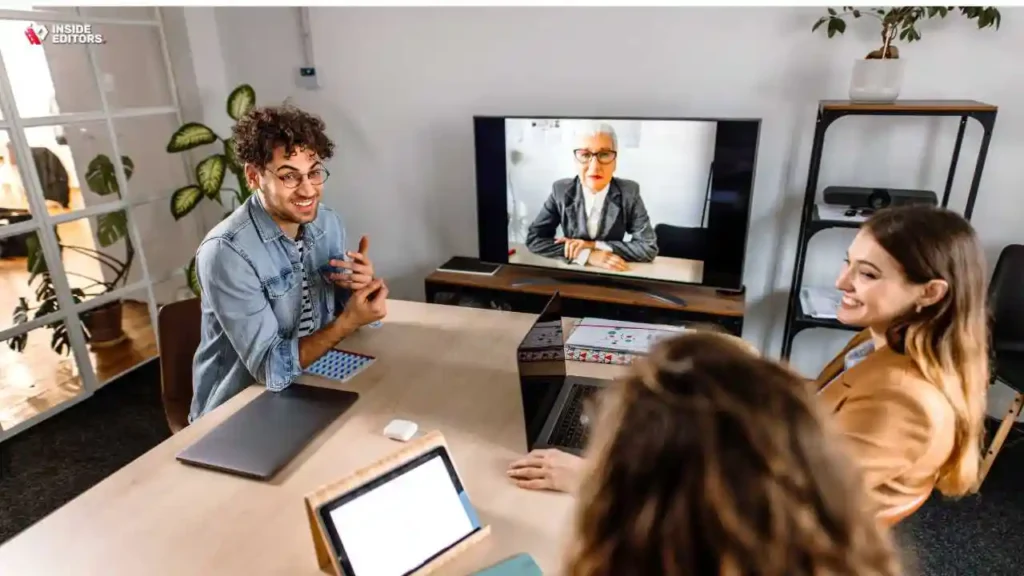
Many leading companies do not choose one format over the other; they use both strategically. A hybrid video combines live-action footage with motion graphics and animation overlays. This approach leverages the best of both worlds: the authenticity of live-action combined with the clarity and visual punch of animation.
Practical Applications of Hybrid Video
- Product Demos: Use live-action to show the product in the user’s hand, then switch to animation to illustrate the internal mechanics or the software interface.
- Case Studies: Feature live-action interviews with customers, but use animated charts and graphs to visualize the results and impact of the service.
- Training Videos: Film the instructor (live-action) but use animated text, arrows, and graphics to highlight key points on screen, improving retention.
This blended approach requires skilled video editing and post-production expertise to ensure the transition between the two styles is seamless and professional. If you are looking to create high-quality hybrid content, securing professional video editing services is crucial.
Expert Decision Guidance

Choosing the right format requires answering a few key questions about your project goals.
1. What is the Primary Goal of the Video?
- If the goal is to build emotional trust and showcase real-world results: Choose Live-Action.
- If the goal is to educate, simplify complex information, or visualize data: Choose Animated Corporate Video.
2. Who is Your Audience?
Consider your target demographic. A highly technical B2B audience might appreciate the precision and detail of animation, while a B2C audience focused on lifestyle and aspiration might respond better to relatable live-action scenarios.
3. How Long Do You Need the Video to Last?
If the information is time-sensitive (e.g., a limited-time promotion), live-action is fine. If the video explains your core business model or a fundamental concept that won’t change for years, the longevity of an animated corporate video makes it the better investment.
4. What is the Tone?
Animation offers greater flexibility in tone, ranging from serious and technical to lighthearted and whimsical. Live-action tends to anchor the tone in reality, which is excellent for gravitas but less suited for highly stylized or imaginative storytelling.
“The best video format is the one that serves the message, not the medium. Don’t choose animation because it’s trendy; choose it because it clarifies.” – Seth Godin, Marketing Author and Speaker
Production Pitfall Avoidance

Regardless of whether you select live-action or an animated corporate video, several common mistakes can derail your project.
Poor Scripting and Storyboarding
A weak script is the fastest way to waste production budget. Both formats rely heavily on a tight, focused narrative. Invest time in crafting a clear message, defining your audience’s pain points, and outlining a compelling solution. For animation, a detailed storyboard is non-negotiable, as it prevents costly revisions later in the rendering stage.
Underestimating Post-Production
Many businesses focus solely on the filming (live-action) or the design (animation) and neglect the critical role of post-production. Editing, color grading, sound design, and motion refinement are what transform raw footage or static designs into a professional, engaging final product.
The Value of Professional Video Editing
Whether you film a complex live-action sequence or generate thousands of frames for an animated corporate video, the final polish determines success. Professional video editing services ensure your video maintains a consistent pace, features crystal-clear audio, and adheres perfectly to brand guidelines.
For businesses looking to maximize the impact of their video assets, outsourcing the final stages to experts saves time and guarantees quality. Inside Editors offers professional video editing services designed for businesses, content creators, and marketers. Our professional editing team, with over 10 years of experience, ensures fast turnaround times (24-72 hours) and offers unlimited revisions until you are completely satisfied. This scalable solution provides professional quality that builds trust and maintains a consistent brand style across all your video content.
Corporate Video Future

The trend is moving toward higher quality, shorter-form content, regardless of the medium. Micro-videos, short clips optimized for social media, are increasingly common. This shift benefits both formats: live-action can capture quick, authentic moments, while animation can deliver complex information in a rapid, visually engaging way.
The rise of AI tools is also impacting production. While AI can assist with generating initial animation assets or performing basic edits, the need for human creativity, strategic storytelling, and professional refinement remains paramount. The strategic choice between live-action and an animated corporate video will continue to be driven by marketing objectives, not just technology.
“Video consumption is only increasing. The smart marketer focuses not just on what they are saying, but how the visual medium enhances the clarity and memorability of that message.” – Mark Schaefer, Keynote Speaker and Author
Conclusion-Strategy-Aligned

The debate between live-action and animated corporate video is not about declaring a single winner; it is about strategic alignment. The “best” choice is the one that most effectively communicates your message to your target audience within your budgetary and temporal constraints.
If your message requires human empathy and physical demonstration, invest in high-quality live-action production. If your message is complex, abstract, or requires absolute visual consistency and long-term reusability, an animated corporate video is the clear path forward.
Remember that professional execution is the non-negotiable element. Once your video is produced, whether animated or live-action, expert post-production is essential for maximizing its impact. Services like Inside Editors provide the necessary expertise, fast delivery, and quality assurance to ensure your final corporate video-regardless of its format-is polished, professional, and ready to drive results. By focusing on quality editing and strategic format selection, you ensure your video investment pays dividends.
Frequently Asked Questions
What is an animated corporate video?
An animated corporate video uses graphics, illustrations, and motion design to explain services, visualize data, or tell a brand story. This format is highly flexible and excels at simplifying complex or abstract concepts, offering full control over the visual environment and brand aesthetic.
Is animation cheaper than live-action?
Not always. While simple animation may be cheaper, complex 3D animated corporate video production can be very expensive. However, animation assets are highly reusable, often making the long-term cost of ownership lower than repeated live-action reshoots.
When should I use live-action video?
You should use live-action video when authenticity and human connection are critical. This format is best for testimonials, product demonstrations involving physical interaction, and showcasing company culture or executive leadership messages.
Can I combine animation and live-action?
Yes, a hybrid approach integrates both formats, leveraging the authenticity of live-action with the clarity of motion graphics. This is ideal for product demos where you need to show both the physical product and its internal software interface.
How does editing affect video choice?
Professional editing is crucial for both formats. For animated corporate video, editing refines motion and sound design. For live-action, it ensures smooth pacing, color consistency, and high production value, transforming raw footage into a polished final asset.


