

Video editing today demands uncompromising speed. Whether you are cutting 4K footage, rendering complex visual effects, or managing massive project files, the bottleneck often isn’t the CPU or the GPU-it’s the storage. If your drive can’t feed data fast enough, your workflow grinds to a halt. Finding the Fastest Ssd For Video Editing is no longer a luxury; it’s a necessity for professional efficiency.
This comprehensive guide from Inside Editors dives deep into the world of high-speed solid-state drives, analyzing the top contenders that promise to revolutionize your post-production workflow. We will explore the technical specifications, real-world performance benchmarks, and critical factors you need to consider when selecting the Fastest Ssd For Video Editing for your specific needs. By the end of this article, you will know exactly which drive will eliminate lag and maximize your creative output.
Understanding the Need for Speed: Why SSDs are Essential for Video Editing
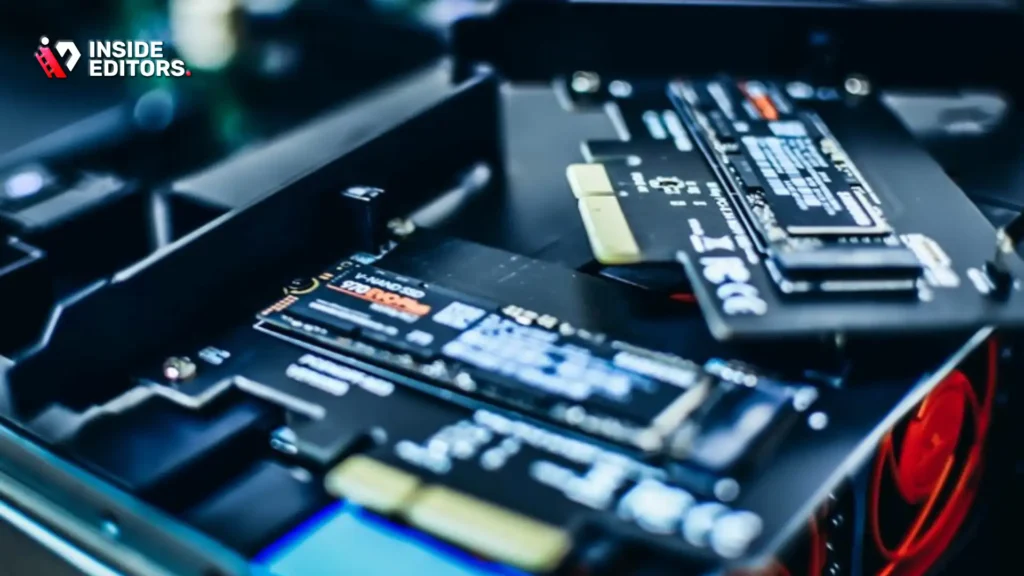
The transition from traditional Hard Disk Drives (HDDs) to Solid State Drives (SSDs) has fundamentally changed video production. HDDs rely on spinning platters and mechanical arms, which inherently limit sequential read/write speeds and introduce latency. SSDs, using NAND flash memory, offer instantaneous data access, making them indispensable for handling the immense data streams generated by modern video formats.
The Bottleneck Effect in Post-Production
When you edit video, especially high-resolution formats like 6K or 8K RAW footage, your system constantly reads and writes large blocks of data. This process is highly demanding on storage bandwidth. A slow drive causes dropped frames during playback, sluggish scrubbing (moving the playhead), and excruciatingly long export times.
“Storage speed is the silent killer of creative flow. If you spend 20% of your time waiting for assets to load or renders to complete, that’s 20% less time you are actively creating.” – Jason Levine, Adobe Principal Evangelist
Choosing the Fastest Ssd For Video Editing directly translates into reduced friction in the creative process. It allows for multi-stream editing, faster caching of preview files, and rapid project loading, ensuring your focus remains on the creative decisions, not the progress bar.
Key Performance Metrics for Video Storage
When evaluating the Fastest Ssd For Video Editing, we focus on three primary metrics beyond simple capacity:
- Sequential Read/Write Speeds: This measures how quickly the drive can move large, contiguous files (like a single video clip). High sequential speeds are crucial for rendering and exporting.
- Random Read/Write Speeds (IOPS): This measures how quickly the drive can access many small, scattered files simultaneously. High IOPS are critical for application loading, caching, and handling complex project files with thousands of assets.
- Endurance (TBW – Terabytes Written): This indicates the total amount of data that can be reliably written to the drive over its lifetime. Video editing is write-intensive (caching, rendering, exporting), so high endurance is vital for professional use.
The Contenders: Identifying the Fastest SSD For Video Editing
The market for high-speed storage is dominated by internal NVMe drives and external Thunderbolt/USB 4 solutions. For the absolute Fastest Ssd For Video Editing, we must look at the PCIe 4.0 and 5.0 NVMe drives, which offer speeds far exceeding traditional SATA SSDs.
We have narrowed down the field to the top four performers, categorized by their primary use case: internal desktop power, internal laptop efficiency, external portability, and maximum endurance.
Comparison Table: Top 4 Fastest SSDs for Video Editing
| Model Category | Interface | Max Sequential Read (MB/s) | Max Sequential Write (MB/s) | Endurance (TBW – 2TB Model) | Ideal Use Case |
|---|---|---|---|---|---|
| Crucial T700 | PCIe 5.0 NVMe | Up to 12,400 | Up to 11,800 | 1,200 | Extreme Internal Desktop Renders |
| Samsung 990 Pro | PCIe 4.0 NVMe | Up to 7,450 | Up to 6,900 | 1,200 | High-Performance Internal Laptop/Desktop |
| SanDisk Pro-G40 | Thunderbolt 3/USB 3.2 | Up to 3,000 | Up to 2,500 | N/A (External) | Rugged, Portable Field Editing |
| Sabrent Rocket 4 Plus | PCIe 4.0 NVMe | Up to 7,100 | Up to 6,600 | 1,400 | High-Endurance Scratch Disk |
Deep Dive: Reviewing the Top 4 SSD Choices
1. The PCIe 5.0 Powerhouse: Crucial T700
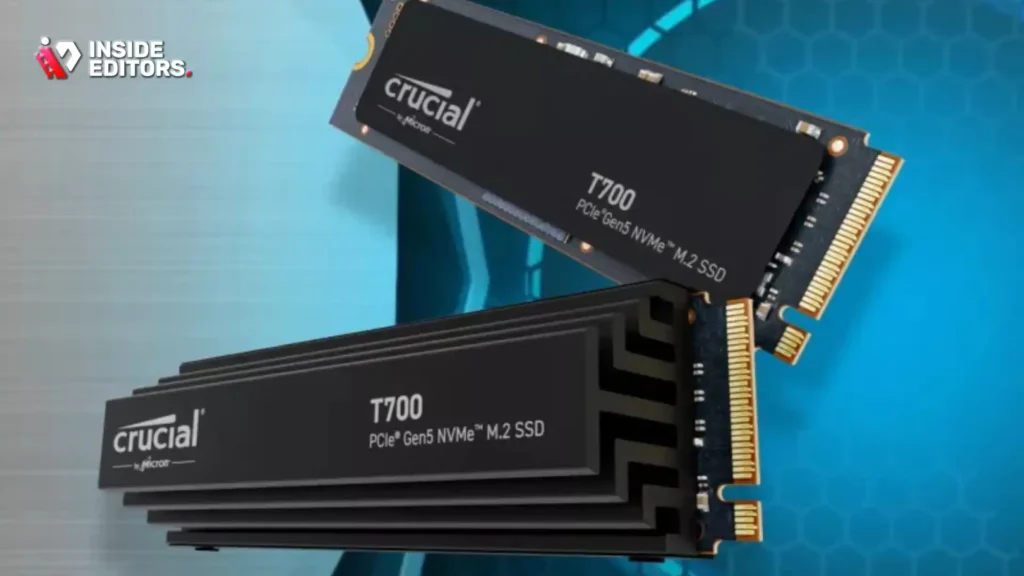
The Crucial T700 represents the pinnacle of current internal storage technology. Utilizing the PCIe 5.0 interface, this drive shatters previous speed records, making it arguably the single Fastest Ssd For Video Editing available for desktop workstations equipped with compatible motherboards.
Performance Metrics and Real-World Impact
With sequential read speeds soaring past 12,000 MB/s, the T700 dramatically reduces the time required for massive file transfers and final project exports. For editors working with uncompressed 8K footage or complex VFX projects that generate enormous cache files, this speed translates directly into hours saved per project cycle.
However, a crucial caveat is the requirement for a PCIe 5.0 compatible system (Intel 13th/14th Gen or AMD Ryzen 7000 series). Without this, the drive will be bottlenecked by the PCIe 4.0 slot, performing similarly to high-end PCIe 4.0 drives.
“Adopting PCIe 5.0 storage isn’t just about faster benchmarks; it future-proofs your editing rig against the ever-increasing demands of higher resolution and higher bitrate codecs.” – Tech Reviewer, Linus Sebastian
2. The Reliable Workhorse: Samsung 990 Pro
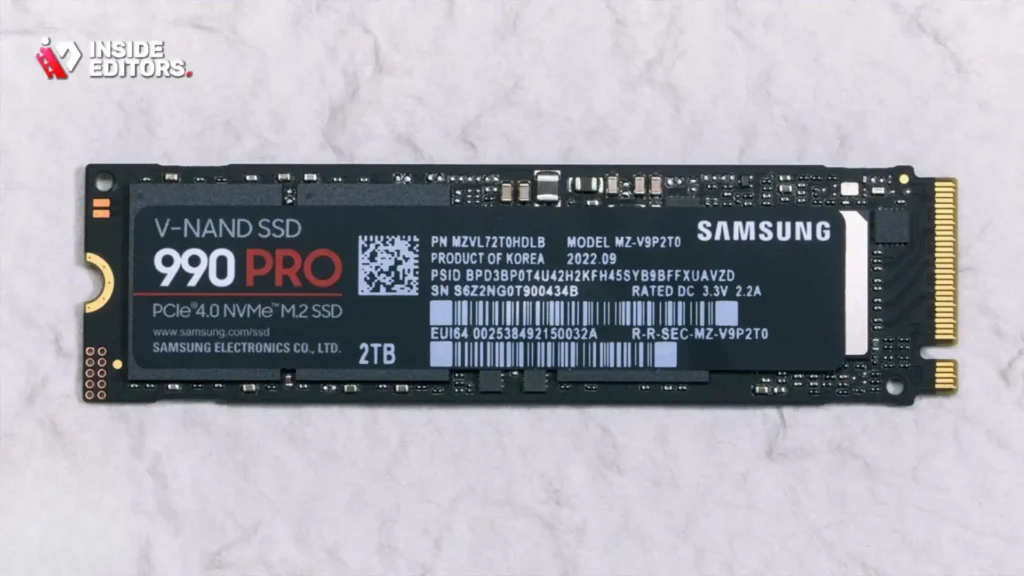
The Samsung 990 Pro is the gold standard for high-performance PCIe 4.0 storage. While it doesn’t reach the theoretical speeds of PCIe 5.0 drives, its real-world sustained performance, thermal efficiency, and robust caching mechanisms make it an outstanding choice for both laptops and desktops.
Why the 990 Pro Excels in Editing
Video editing often involves sustained reads and writes, pushing the drive beyond its initial burst speeds. The 990 Pro maintains exceptional performance even under heavy, prolonged load, thanks to its optimized controller and thermal management. This consistency is far more valuable than peak theoretical speed for professional editors.
If you are upgrading a high-end laptop or a desktop running PCIe 4.0, the 990 Pro offers the best balance of speed, reliability, and platform compatibility, making it a top contender for the title of Fastest Ssd For Video Editing in the PCIe 4.0 class.
3. The Ultimate Portable Solution: SanDisk Professional Pro-G40
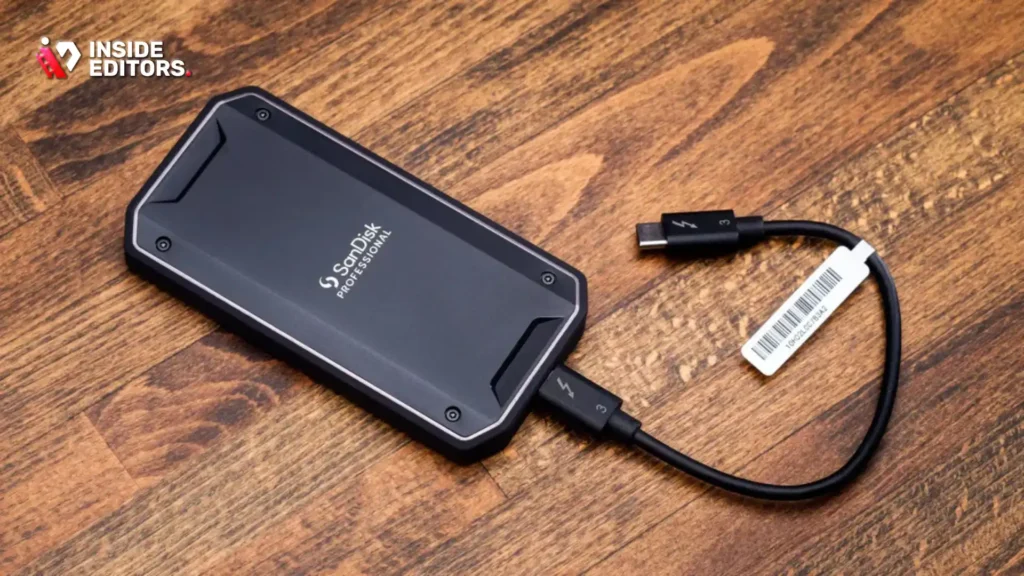
For field editors, documentary filmmakers, or anyone needing to transfer massive files quickly between locations, internal drives are impractical. The SanDisk Professional Pro-G40 solves this by offering Thunderbolt 3 and USB 3.2 compatibility in a single, ruggedized external enclosure.
Portability Meets Professional Speed
Achieving sequential speeds up to 3,000 MB/s, this drive is faster than most internal SATA SSDs and many older NVMe drives. This speed allows editors to work directly off the external drive without copying footage locally, even with high-bitrate 4K footage. Its IP68 rating means it can withstand dust, water, and drops-essential for on-location shoots.
If your workflow involves rapid ingestion and editing on the go, the Pro-G40 offers the Fastest Ssd For Video Editing in a portable format, eliminating the need for bulky external RAID arrays.
4. The Endurance Champion: Sabrent Rocket 4 Plus
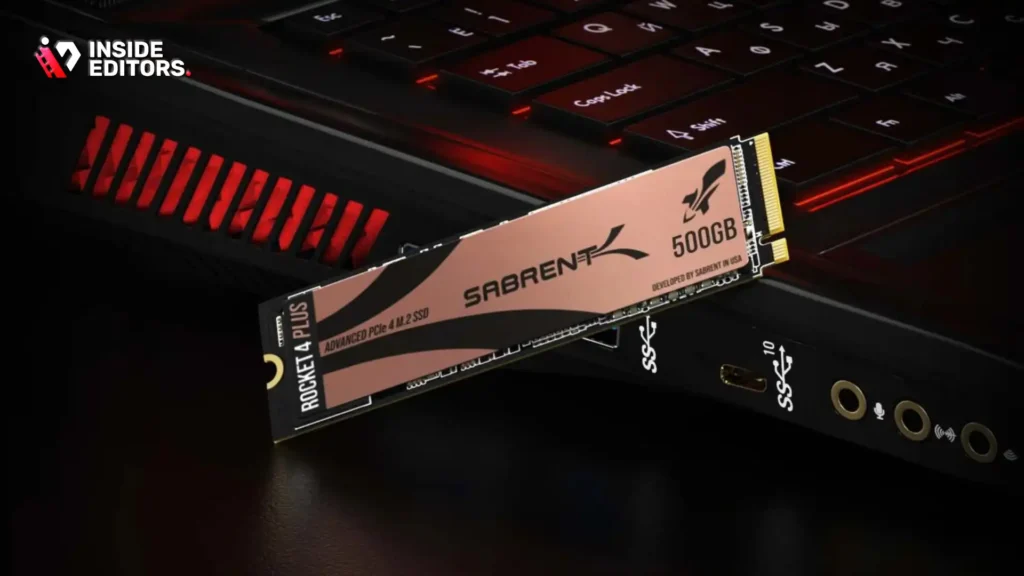
While speed is critical, endurance (TBW) is often overlooked. Video editing constantly overwrites cache files and temporary renders, which quickly consumes the lifespan of an SSD. The Sabrent Rocket 4 Plus stands out with its exceptionally high endurance rating.
Pros and Cons of High Endurance Drives
| Pros | Cons |
|---|---|
| – Superior longevity for write-intensive tasks (e.g., scratch disks) | – Slightly lower peak sequential speeds than top competitors |
| – High sustained performance under heavy load | – Requires robust cooling for continuous heavy use |
| – Excellent value proposition for long-term professional use | – |
The Sabrent Rocket 4 Plus is ideal for use as a dedicated scratch disk or media cache drive. By offloading these constant, high-write tasks onto a high-endurance drive, you preserve the lifespan of your primary operating system drive while ensuring that your temporary files are accessed at maximum speed. This specialized application makes it a crucial component for building the overall Fastest Ssd For Video Editing system.
Maximizing Performance: Integrating Your Fastest SSD For Video Editing
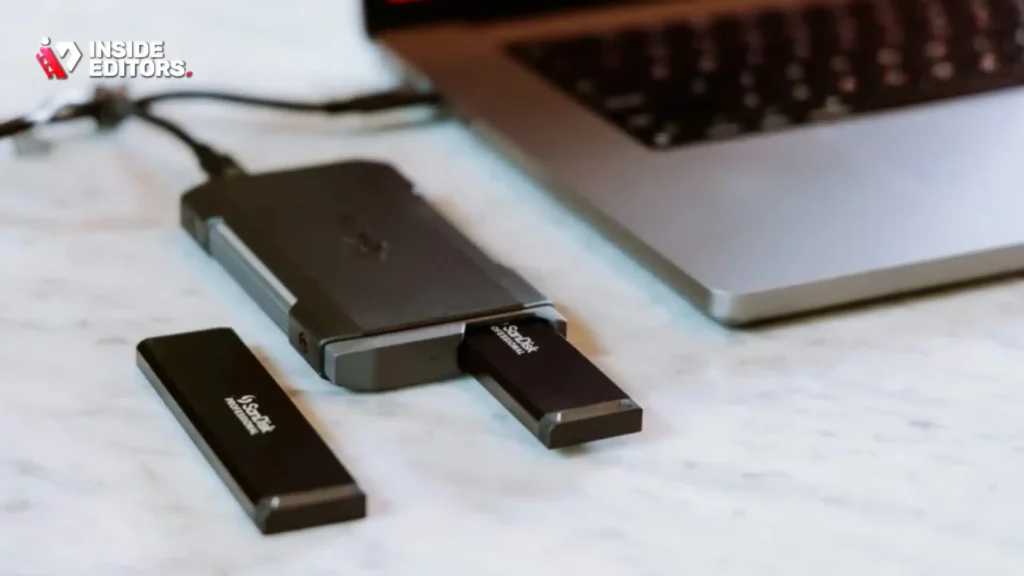
Simply installing a fast SSD isn’t enough; optimizing your system to leverage that speed is key. Professional editors use a multi-drive strategy to separate different types of data, preventing bottlenecks and maximizing efficiency.
The Three-Drive Workflow Strategy
- OS Drive (Fastest NVMe): Contains the operating system and all editing applications (e.g., Premiere Pro, DaVinci Resolve). This ensures rapid boot times and quick application loading.
- Scratch/Cache Drive (High Endurance NVMe): Dedicated solely to media cache files, preview renders, and temporary project data. This drive handles the most intensive, repetitive write cycles.
- Media Drive (High Capacity/Speed): Stores the raw footage and final project files. This drive requires high sequential read speeds to stream multiple video tracks simultaneously.
By dedicating your Fastest Ssd For Video Editing to the scratch and cache functions, you ensure that the most demanding, short-term processes never interfere with the stability or speed of your operating system or media access.
Thermal Management and Sustained Speed
High-speed NVMe drives generate significant heat, especially during sustained video rendering. If the drive overheats, it will engage thermal throttling, drastically reducing its speed to prevent damage.
Actionable Steps for Thermal Management:
- Use a Heatsink: All high-performance NVMe drives (especially PCIe 4.0 and 5.0 models) should be paired with a dedicated heatsink, often provided by the motherboard or purchased separately.
- Ensure Proper Airflow: Make sure the NVMe slot is not blocked by large GPUs or other components, and that case fans are directing cool air over the drive area.
- Monitor Temperatures: Use drive monitoring software to ensure temperatures remain below 70°C (158°F) during heavy rendering tasks.
Beyond the Hardware: When Professional Editing Services Are Needed

Even with the Fastest Ssd For Video Editing installed, complex projects can still overwhelm individual editors or small teams. The demands of color grading, intricate motion graphics, and tight deadlines often require external professional support.
This is where specialized expertise becomes invaluable. Inside Editors offers professional video editing services designed to handle the heavy lifting of post-production, allowing creators to focus on content generation and strategy.
The Inside Editors Advantage
Our service connects you with a professional editing team boasting over 10 years of experience in the industry. We understand the technical demands of high-resolution workflows and deliver polished, professional results quickly and affordably.
Key Features of Our Service:
- Expertise: Professional editors who know how to optimize footage and storytelling.
- Fast Turnaround: We commit to a rapid 24-72 hour turnaround time, ensuring your content is ready when you need it.
- Quality Assurance: Services include professional color grading and audio enhancement to maximize production value.
- Affordability: Affordable pricing starting at just $29 per video, making professional quality accessible to creators and businesses of all sizes.
- Unlimited Revisions: We work with you until you are 100% satisfied with the final product.
By leveraging a high-performance SSD for your initial capture and local work, and then utilizing Inside Editors for the final polish and bulk editing, you create a scalable, efficient, and professional workflow. Whether you’re a YouTube creator, a marketing team, or a course creator, our service provides the consistent, professional quality that builds trust and grows your audience.
Expert Quotes and Industry Insights on Storage
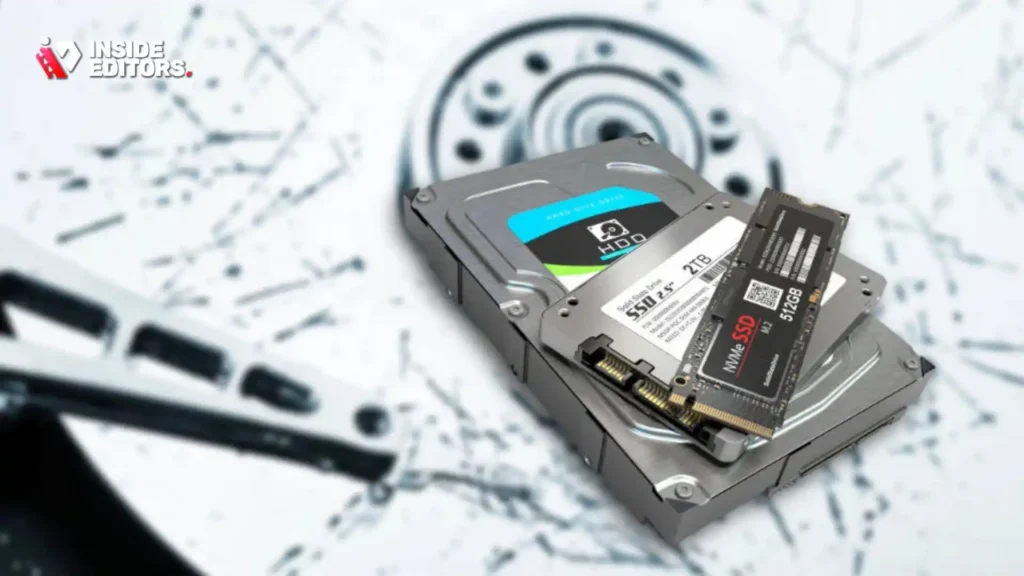
The consensus among industry professionals is clear: performance storage is the foundation of modern post-production.
“The difference between a good edit and a frustrating edit often comes down to storage latency. Low latency, high IOPS drives are the unsung heroes of the editing suite.” – Aja Smith, Post-Production Supervisor
The move toward higher resolutions (4K, 6K, 8K) means file sizes are exponentially increasing. This trend makes the investment in the Fastest Ssd For Video Editing a necessity for future-proofing your business.
Avoiding Common Storage Mistakes
- Using External HDDs for Editing: Never edit directly from a traditional external hard drive. The slow speeds will cause dropped frames and corrupted files. Use them only for archival storage.
- Overfilling the Drive: SSD performance degrades significantly once the drive is 80-90% full. Always leave at least 15-20% free space for optimal performance and caching.
- Ignoring TBW: If you render constantly, prioritize high-endurance drives (like the Sabrent Rocket 4 Plus) to ensure longevity.
Final Verdict and Recommendation
Choosing the absolute Fastest Ssd For Video Editing depends entirely on your platform and workflow.
For the editor building a cutting-edge desktop workstation and demanding the absolute highest theoretical speeds for massive renders, the Crucial T700 (PCIe 5.0) is the undisputed champion.
For the vast majority of professional editors using high-end PCIe 4.0 systems (both desktop and laptop), the Samsung 990 Pro offers the best combination of sustained speed, reliability, and thermal efficiency. It is the most practical choice for the Fastest Ssd For Video Editing today.
If your work takes you on the road, the SanDisk Professional Pro-G40 provides Thunderbolt speed in a rugged, portable package, making it the essential external drive.
Regardless of which drive you choose, remember that storage is an investment in your time. Faster drives mean faster turnaround, less frustration, and more creative output. If you find yourself consistently battling deadlines or complex projects, remember that Inside Editors is here to support your workflow with professional, fast, and affordable video editing services.
FAQ
What is the best SSD interface?
The NVMe interface utilizing PCIe 4.0 or 5.0 technology currently offers the highest speeds. PCIe 5.0 drives, like the Crucial T700, provide the fastest sequential read/write speeds, making them ideal for the most demanding workloads and the fastest SSD for video editing workflows.
Does SSD speed affect rendering time?
Yes, absolutely. Rendering and exporting involve massive sequential write operations. A faster SSD, particularly one optimized for sustained writes, significantly reduces the time required to finalize your video projects, directly impacting your overall production efficiency.
Should I use an external SSD?
External SSDs are excellent for portability and transferring files between systems. High-speed external drives using Thunderbolt 3/4 or USB 4 can offer speeds up to 3,000 MB/s, allowing you to edit 4K footage directly, making them a fast SSD for video editing on the go.
What is TBW and why does it matter?
TBW stands for Terabytes Written and measures the endurance of an SSD. Video editing is write-intensive due to constant caching and rendering. A higher TBW rating ensures the drive will last longer under heavy professional use, protecting your investment in the fastest SSD for video editing.
How much capacity do I need?
For professional video editing, a minimum of 2TB is recommended for your primary media drive. This allows enough space for project files and raw footage. Using a multi-drive setup, dedicating a separate 1TB or 2TB SSD as the fastest SSD for video editing scratch disk is highly advised.


