

In today’s digital landscape, video is no longer optional; it is the cornerstone of effective corporate communication. From internal training modules and executive messages to high-impact marketing campaigns, the demand for polished, professional video content is skyrocketing. However, the process of turning raw footage into a compelling narrative-the act of Smart Corporate Video Editing-requires specialized skill, time, and resources.
Businesses often face a critical decision: how best to manage their video post-production needs. Should they hire in-house, rely on freelancers, or partner with a dedicated service provider? This comprehensive guide explores the top three service models for managing your Corporate Video Editing workflow, providing detailed comparisons, expert insights, and clear recommendations to help you choose the smartest path for your organization.
Why Professional Editing Matters
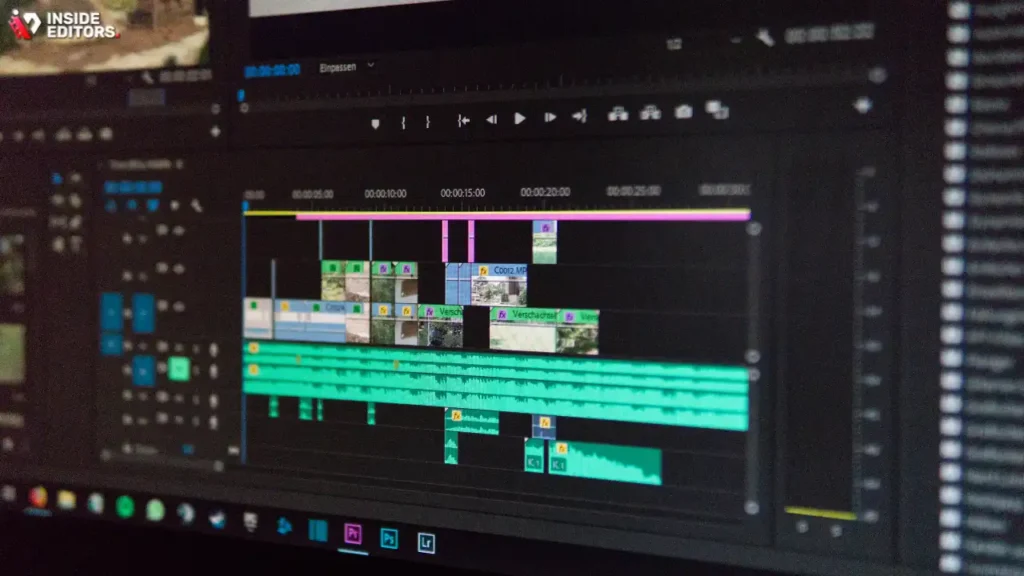
High-quality video content directly impacts brand perception and bottom-line results. A poorly edited video can undermine a meticulously planned marketing strategy, while a professional final product builds trust and authority. Effective Corporate Video Editing ensures visual consistency, maintains brand voice, optimizes pacing, and enhances audio clarity, transforming raw clips into powerful communication tools.
The complexity of modern video projects-which often require advanced color grading, motion graphics integration, and sound design-means that relying on amateur efforts is a significant risk. Investing in specialized editing expertise is essential for any company serious about its digital presence. Many organizations find that partnering with a reliable Corporate Video Editing Company provides the scalability and quality assurance they need to keep pace with content demands.
“Video is the oxygen of the internet. Companies that treat editing as an afterthought are missing the critical step of turning data into narrative.” – Mark Ritson, Marketing Consultant
Defining the Scope of Smart Corporate Video Editing Needs
Before evaluating service models, you must define your organization’s specific needs. Are you producing high-volume, repetitive content (like weekly social media clips), or are you focused on high-stakes, low-volume projects (like annual reports or major product launches)?
Key factors to consider include:
- Volume and Frequency: How many videos do you need per month?
- Complexity: Does the editing require advanced VFX, animation, or complex sound mixing?
- Turnaround Time (TAT): Are deadlines tight (24-48 hours), or can you wait a week or more?
- Budget Constraints: What is the allocated budget for post-production annually?
- Security and Confidentiality: Are you handling sensitive internal footage that requires strict data handling protocols?
Understanding these variables is crucial for selecting the model that offers the best balance of cost, quality, and speed for your specific requirements.
Model 1: In-House Editing Teams

The in-house model involves hiring full-time employees dedicated solely to your company’s video post-production needs. This team typically includes editors, motion graphic artists, and potentially a post-production supervisor.
Advantages of Maintaining an Internal Team
The primary benefit of an in-house team is unparalleled control and deep institutional knowledge. These editors are fully immersed in your brand guidelines, tone of voice, and corporate culture. This familiarity drastically reduces the time spent on briefing and revisions, leading to highly consistent output.
Furthermore, an internal team offers maximum availability. When a sudden, urgent editing request arises-such as a crisis communication video-the in-house editor is immediately accessible and dedicated exclusively to your priorities. This dedicated focus is often why organizations handling highly sensitive or proprietary information prefer this route.
Limitations and Overhead Costs
While control is high, so is the cost and complexity. The expense of salaries, benefits, software licenses (such as specialized Corporate Video Editing Software), hardware maintenance, and physical office space adds up quickly. This model requires a consistent, high volume of work to justify the fixed overhead.
Moreover, scalability is poor. If video demand suddenly doubles, the in-house team quickly becomes overloaded, leading to burnout and slow delivery. Conversely, during slow periods, you are still paying full salaries for underutilized staff. Recruiting and retaining top-tier editing talent can also be challenging, especially when competing with specialized post-production houses.
| Feature | In-House Editing Team |
| Cost Structure | High Fixed Cost (Salaries, Benefits, Equipment) |
| Consistency & Brand Knowledge | Excellent (Deepest understanding) |
| Scalability | Poor (Difficult to scale up or down quickly) |
| Turnaround Time | Fast (Dedicated focus) |
| Technology/Software | Requires significant capital investment |
Model 2: Freelance Editing Platforms

The freelance model utilizes independent contractors hired on a project-by-project basis. These editors are sourced through platforms like Upwork, Fiverr, or specialized industry networks.
Flexibility and Cost-Effectiveness
Freelancers offer exceptional flexibility. You can hire an editor with specific expertise-say, 3D animation or documentary style-only when that skill is needed. This model converts the high fixed costs of an in-house team into variable costs, meaning you only pay for the work delivered. For companies with fluctuating video needs, this can be extremely cost-effective.
Access to a global talent pool is another major draw. A company seeking Professional Corporate Video Editing can find specialists anywhere in the world, often leveraging time zone differences for faster overnight turnarounds.
Challenges in Quality Control and Reliability
The primary drawback of the freelance model is inconsistency and lack of reliability. Quality can vary dramatically from one freelancer to the next. Managing multiple contractors requires significant effort in vetting, briefing, and quality checking, often consuming valuable time from marketing managers or creative directors.
Furthermore, freelancers juggle multiple clients. They may not always prioritize your project, leading to missed deadlines or slow communication. Building deep brand knowledge is difficult when using different editors for every project, often resulting in inconsistent branding across your video library.
“The freelance model works best when you have highly standardized, low-complexity tasks. For mission-critical, complex projects requiring deep brand adherence, the risk of inconsistency outweighs the cost savings.” – Sarah Chen, Digital Content Strategist
Mitigating Freelance Risk
To succeed with freelancers, companies must develop robust internal documentation, including style guides, asset libraries, and detailed project templates. This minimizes the reliance on the editor’s intrinsic knowledge and standardizes the output. However, this preparatory work adds to the internal workload.
For businesses in specific regions seeking specialized talent, finding the right fit can be localized. For instance, a search for Corporate Video Editing Experts Melbourne might yield excellent results, but managing that talent remotely still requires strong project management oversight.
Model 3: Dedicated Editing Services

The third model involves partnering with a specialized third-party agency or subscription service dedicated solely to post-production, like Inside Editors. This model acts as a hybrid, offering the consistency of an in-house team with the scalability and cost efficiency of outsourcing.
The Power of Scalability and Professional Expertise
Dedicated service providers excel at handling volume and complexity. They employ large teams of experienced editors, motion graphic artists, and quality assurance specialists. This infrastructure means they can scale instantly-whether you need one video edited or fifty-without compromising quality or increasing your fixed overhead.
A key advantage is the guaranteed quality assurance. Reputable services have established workflows, professional-grade equipment, and rigorous editing standards. They handle the administrative burden of software licensing (often utilizing powerful tools like Corporate Video Editing Software Usa and team management, allowing your internal marketing team to focus entirely on content creation and strategy.
Evaluating Service Provider Models
Service providers typically operate under two main structures: project-based pricing or subscription models.
1. Project-Based Pricing
This is suitable for sporadic, high-complexity projects. You pay a fixed fee per video based on the estimated time and complexity. While predictable, it can become expensive if revision cycles are extensive.
2. Subscription/Unlimited Models
This model is ideal for high-volume, continuous content needs (e.g., YouTube, social media, internal comms). You pay a flat monthly fee for unlimited requests and revisions, often with guaranteed fast turnaround times (e.g., 24-72 hours). This predictability simplifies budgeting immensely.
Inside Editors: A Premier Editing Models Compared
Inside Editors offers a compelling solution for businesses seeking high-quality, reliable Corporate Video Editing Services. We combine professional expertise with an efficient, scalable workflow designed specifically for corporate needs.
Key Features of Our Service:
- Expertise: Our team consists of professional editors with 10+ years of industry experience, ensuring every video meets broadcast-quality standards.
- Speed: We guarantee fast turnaround times, typically between 24 and 72 hours, depending on complexity.
- Quality Assurance: We include professional color grading and audio enhancement as standard, ensuring a polished final product.
- Flexibility: We offer unlimited revisions until you are 100% satisfied, removing the risk associated with fixed-price projects.
- Affordability: Our pricing models are designed to be competitive, often starting affordably per video, making professional editing accessible even for smaller businesses or specialized regional needs like Corporate Video Editing Service Hamilton.
By leveraging a service like Inside Editors, companies gain access to a consistent, professional editing bench without the burden of managing staff or equipment. This is the definition of smart, scalable Corporate Video Editing.
Editing Models Compared
Choosing the right model depends entirely on your organizational priorities: budget, quality, speed, and consistency. The following table provides a clear comparison across key performance indicators.
| Factor | Model 1: In-House Team | Model 2: Freelancer | Model 3: Dedicated Service (e.g., Inside Editors) |
| Cost Structure | High Fixed Cost | Variable Cost (Per Project) | Predictable Subscription/Variable Cost |
| Consistency | Very High | Low to Medium (Varies by editor) | High (Standardized Workflow) |
| Scalability | Low | High (But inconsistent) | Excellent (Instant scaling) |
| Turnaround | Fast (If capacity allows) | Unpredictable | Guaranteed Fast (24-72 hours typical) |
| Brand Knowledge | Deepest | Shallow | Medium to High (Through dedicated project managers) |
| Risk | High fixed financial risk | High quality/reliability risk | Low risk (Guaranteed revisions and quality) |
| Ideal For | Very high volume, highly sensitive content | Low volume, simple, non-critical tasks | High volume, continuous content, scalable growth |
Expert Insight: The Value of Workflow
“The true value of a dedicated editing service isn’t just the editing itself, it’s the standardized workflow. When you know exactly what to expect in terms of briefing, revision cycles, and delivery format, you save countless hours of managerial time.” – David Lee, Head of Production at a major tech firm
Detailed Evaluation: Pros and Cons
To make an informed decision about your Corporate Video Editing strategy, it helps to weigh the tangible benefits and drawbacks of each approach.
In-House Team (Model 1)
Pros:
- Maximum Control: Direct oversight of every creative decision.
- Deepest Integration: Editors are part of the corporate culture.
- Immediate Access: Available for urgent, last-minute requests.
Cons:
- High Overhead: Significant fixed costs regardless of output volume.
- Talent Retention: Difficult and expensive to hire and keep top-tier editors.
- Limited Skill Set: The team’s expertise is limited to the skills they possess.
Freelance Editors (Model 2)
Pros:
- Low Barrier to Entry: Easy to start a project quickly.
- Specialized Skills: Ability to hire an expert for a niche task (e.g., specific animation styles).
- Variable Cost: Only pay when you need work done.
Cons:
- Inconsistency: Quality and style vary widely between contractors.
- Management Burden: Requires heavy internal project management and vetting.
- Reliability Issues: Deadlines can be missed; communication may be slow.
Dedicated Service Providers (Model 3)
Pros:
- Guaranteed Quality: Professional editors and standardized quality assurance processes.
- Scalability: Effortlessly handle spikes in demand without hiring.
- Cost Predictability: Clear, often subscription-based pricing simplifies budgeting.
- Focus: Allows internal teams to focus on strategy and filming, not post-production logistics.
Cons:
- Less Direct Control: Communication goes through a project manager, not directly to the editor.
- Initial Setup: Requires time to onboard the service provider with brand guidelines and assets.
For organizations looking to scale their video output consistently while maintaining professional quality, the dedicated service provider model is often the most efficient choice. This is true whether you are a global company or a regional entity seeking reliable partners, such as those providing Corporate Video Editing Service Mississauga.
Optimizing Your Editing Workflow

Regardless of which service model you choose for your Corporate Video Editing, optimizing your workflow is essential for efficiency. A streamlined process minimizes revisions and speeds up delivery.
1. The Power of the Brief
A clear, concise creative brief is the single most important factor in successful video editing. The brief should include:
- Target audience and video goal.
- Required length and format (e.g., 16:9 for YouTube, 9:16 for TikTok).
- Specific footage to use/avoid.
- Reference videos for style and tone.
- Required music, graphics, and branding elements.
If you are using a service like Inside Editors, providing a detailed brief upfront ensures the 24-72 hour turnaround is met with minimal required revisions.
2. Asset Management
Ensure all raw footage, logos, lower thirds, and brand assets are organized and easily accessible. Using cloud storage solutions (like Dropbox or Google Drive) with clear naming conventions reduces friction and speeds up the start of the editing process. This is particularly important when working with remote teams or services.
3. Feedback Loops
Establish a clear protocol for feedback. Use time-stamped comments on review platforms (like Frame.io or Vimeo) rather than lengthy email chains. Focus feedback on structural or narrative issues first, saving minor aesthetic changes for the final round.
For complex projects, consider specialized regional providers, such as those offering Corporate Video Editing Toronto, who may offer localized project management support.
The Verdict: Choosing Your Editing Partner

The decision between the three models hinges on your company’s size, budget, and volume of content.
Choose In-House (Model 1) If: Your video volume is consistently massive, your content is highly sensitive, and budget is secondary to absolute control.
Choose Freelancers (Model 2) If: Your video needs are sporadic, simple, and you have strong internal project management capacity to handle quality control.
Choose a Dedicated Service Provider (Model 3) If: You need high-quality, professional output at scale, require predictable costs, and value fast, reliable turnaround times. This model is the smartest choice for most growing businesses and marketing departments today.
Inside Editors is built to handle the rigorous demands of modern corporate content. We provide the expertise, speed, and reliability necessary to elevate your video strategy, ensuring your investment in Corporate Video Editing yields maximum return. Whether you are scaling up your marketing efforts or needing consistent internal communication videos, partnering with a professional service allows you to maintain focus on your core business while guaranteeing professional results.
Frequently Asked Questions
What are the 3 main editing models?
The three primary models for managing Corporate Video Editing are: maintaining an in-house team, utilizing freelance editors, and partnering with a dedicated service provider. Each model offers different trade-offs regarding cost, control, and scalability for your video needs.
How often should I use an in-house team?
An in-house team is best reserved for organizations with consistently high volume and highly sensitive content, where the high fixed cost is justified by the need for absolute control and deep brand integration in all Corporate Video Editing tasks.
Is freelance editing reliable?
Freelance editing offers flexibility and variable cost but can suffer from inconsistency and reliability issues. Success requires robust internal project management and detailed briefs to ensure quality Corporate Video Editing results.
What is the fastest editing model?
Dedicated service providers often offer the fastest, most predictable turnaround times (e.g., 24-72 hours). Their infrastructure is designed for rapid scaling and efficient workflow, crucial for high-volume Corporate Video Editing.
How does a subscription service work?
A subscription model involves paying a flat monthly fee for unlimited video requests and revisions. This provides predictable budgeting and instant scalability for continuous Corporate Video Editing needs, ideal for marketing teams.
How important is the creative brief?
The creative brief is critically important. A detailed brief outlining goals, style, and assets minimizes revisions and ensures the editor, regardless of the model chosen, delivers the desired Corporate Video Editing outcome quickly and accurately.
Can I scale editing quickly?
Yes, scaling video editing quickly is easiest with a dedicated service provider. They have large teams ready to handle sudden spikes in demand without requiring you to hire or manage new staff for your Corporate Video Editing projects.


