

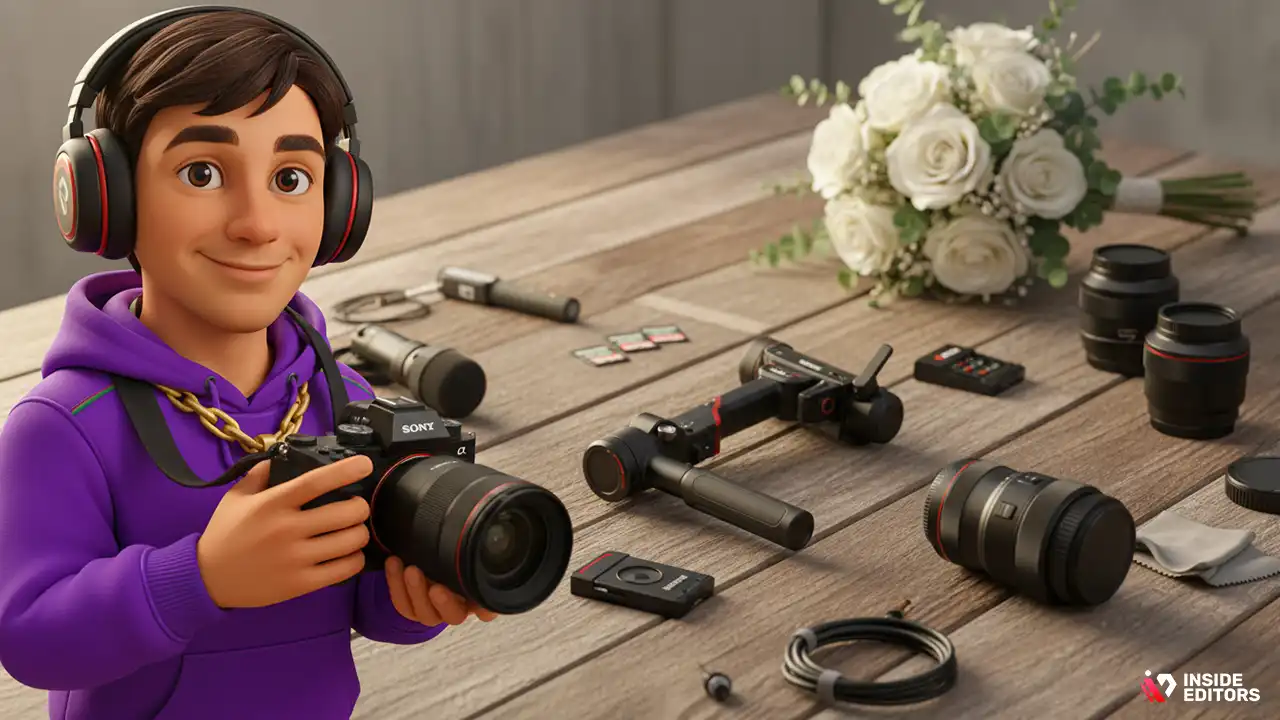
Choosing the right video camera for wedding cinematography is perhaps the most critical decision a professional videographer makes. The camera is more than just a tool; it is the primary instrument that captures the emotion, the fleeting moments, and the unique atmosphere of a couple’s most important day. Selecting the ideal video camera for wedding work requires balancing technical specifications-like sensor size and dynamic range-with practical considerations such as battery life, low-light performance, and overall reliability. This comprehensive guide breaks down the top contenders and the essential features you need to consider to ensure your footage is flawless, memorable, and professional.
The Demands of Wedding Cinematography
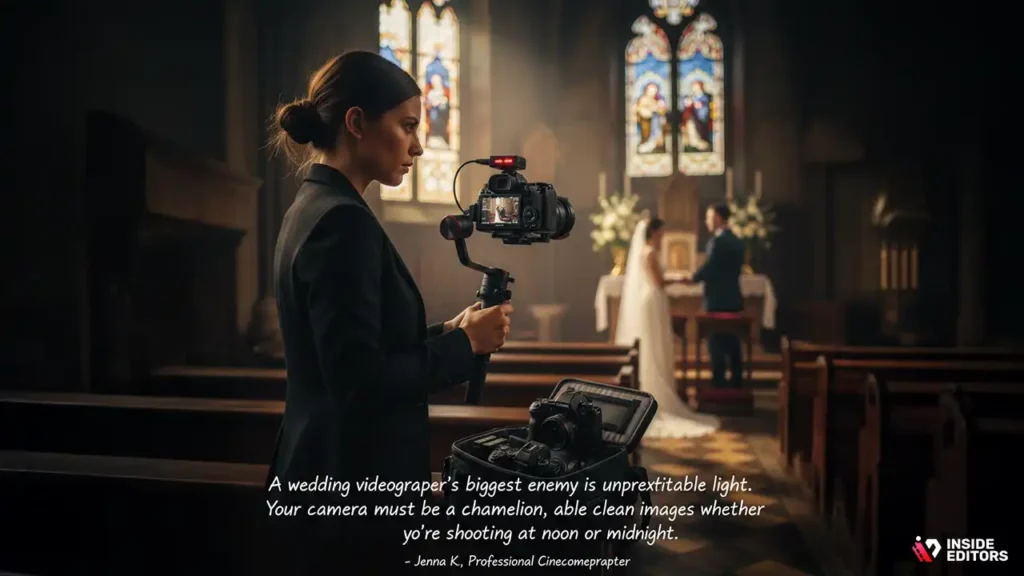
Wedding videography is a high-pressure environment. You only get one chance to capture the kiss, the vows, or the first dance. This means the equipment you choose must be robust, reliable, and capable of adapting instantly to changing lighting conditions and unpredictable schedules. The ideal video camera for wedding work must excel in several key areas that standard commercial cameras might struggle with.
Reliability and Redundancy: The Non-Negotiables
In the fast-paced world of wedding events, equipment failure is simply not an option. Professionals rely on features that ensure data integrity and continuous operation. Dual card slots are mandatory for redundancy, allowing you to record the same footage simultaneously to two different memory cards. If one card fails, the backup is immediately available. Furthermore, robust build quality is essential, as these cameras often endure long shooting days, quick transitions between locations, and occasional bumps. Think of your camera as a mission-critical piece of gear; it must perform perfectly every single time.
Low-Light Performance and Dynamic Range
Weddings are often characterized by challenging lighting: dark churches, dimly lit reception halls, and bright midday sun. A superior video camera for wedding cinematography must handle these extremes gracefully. Excellent low-light performance (high ISO capability with minimal noise) ensures you can capture candid moments during the reception without relying on distracting external lights. Equally important is high dynamic range (HDR), which preserves detail in both the brightest highlights (like a white dress or sunlight streaming through a window) and the deepest shadows, giving your footage a rich, cinematic quality.
“A wedding videographer’s biggest enemy is unpredictable light. Your camera must be a chameleon, able to deliver clean images whether you’re shooting at noon or midnight.” – Jenna K., Professional Cinematographer
Ergonomics and Workflow Efficiency
A typical wedding day can last 10 to 14 hours. The weight, balance, and overall ergonomics of the camera system drastically impact your stamina and ability to react quickly. A camera that feels comfortable in hand, balances well on a gimbal, and offers intuitive menu navigation can save precious seconds when adjusting settings during a critical moment. Efficiency extends to post-production as well; cameras that record in high-quality, easily editable codecs streamline the workflow, reducing the time spent processing files.
Criteria for Evaluating a Video Camera for Wedding Use
When compiling a list of the top cameras, we look beyond simple resolution numbers. A 4K camera is standard, but how that 4K is achieved-through oversampling, line skipping, or full sensor readout-makes a huge difference in image quality.
Sensor Size: Full Frame vs. Super 35 (APS-C)
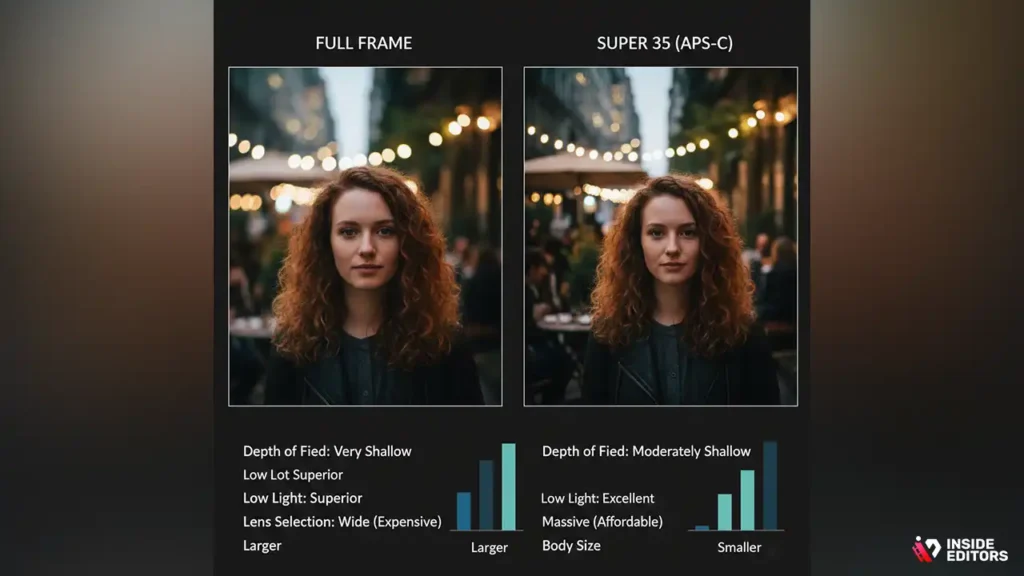
The sensor size significantly influences the look of your footage. Full-frame sensors offer the shallowest depth of field, providing that highly sought-after, dreamy bokeh effect that separates the subject from the background. They also generally offer superior low-light performance due to larger individual pixels. Super 35 (APS-C) sensors are smaller but offer compatibility with a vast range of cinema lenses and often result in smaller, lighter camera bodies. The choice depends on your preferred aesthetic and budget, but both formats can produce stunning results.
| Feature | Full Frame (FF) | Super 35 (S35) |
| Depth of Field | Very Shallow (Cinematic Look) | Moderately Shallow |
| Low Light | Generally Superior | Excellent, but may show more noise at extreme ISOs |
| Lens Selection | Wide variety, often more expensive | Massive range, including affordable cinema glass |
| Body Size | Typically Larger/Heavier | Often Smaller/Lighter |
Frame Rates and Resolution Capabilities
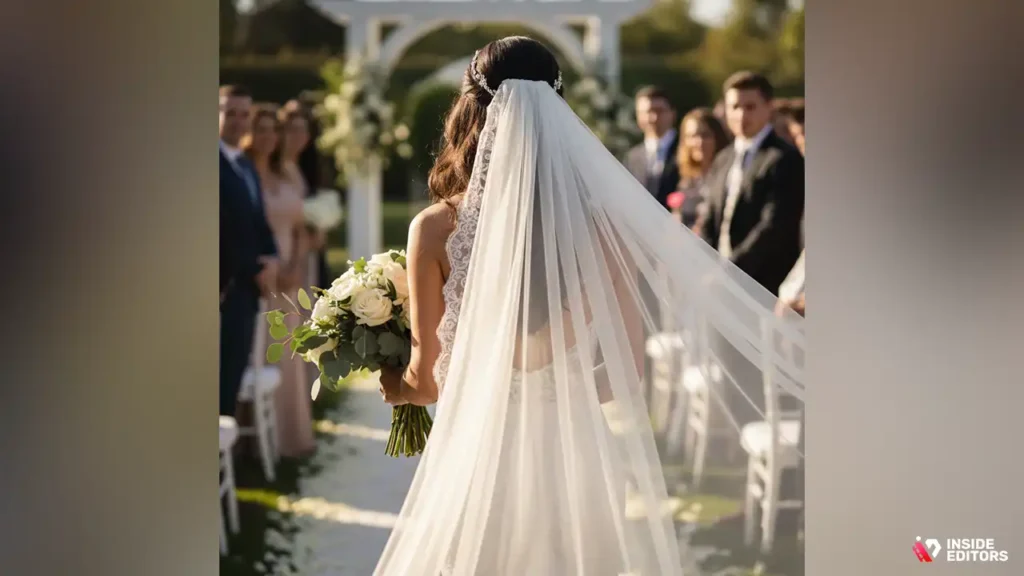
While 4K resolution is the industry standard, flexibility in frame rates is crucial. The ability to shoot at 60 frames per second (fps) in 4K allows for smooth slow-motion sequences, perfect for capturing the delicate movement of a veil or the confetti toss. Higher frame rates, like 120 fps or even 240 fps, are essential for dramatic slow-motion effects, often used during dancing or preparation shots. A high-quality video camera for wedding events should offer multiple frame rate options without significant image quality penalties (like heavy cropping or reduced bit depth).
Focus Systems: Speed and Accuracy
Manual focus is often preferred for controlled cinematic shots, but during fast-moving events like the processional or the spontaneous reaction of a parent, reliable autofocus is a lifesaver. Modern hybrid autofocus systems, which combine phase detection and contrast detection, offer lightning-fast and accurate tracking, especially when paired with face and eye detection technology. This ensures your subjects remain critically sharp, even when they are moving quickly toward or away from the camera.
The Top 10 Video Camera for Wedding Cinematography
Based on reliability, image quality, low-light capability, and professional features, here are the top cameras currently dominating the wedding cinema industry. These cameras represent the best blend of features and performance for professional use.
1. The Full-Frame Hybrid Powerhouse (e.g., Sony Alpha Series)
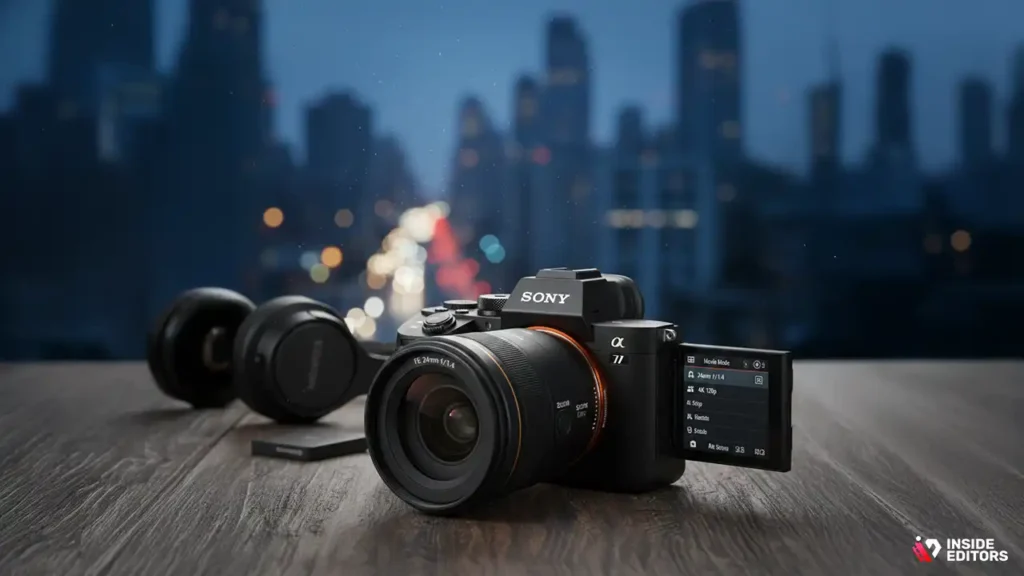
These cameras have revolutionized the industry by packing cinema-level features into a small mirrorless body. Their full-frame sensors deliver exceptional dynamic range and unparalleled low-light performance. The autofocus system is often industry-leading, making them incredibly reliable for capturing unpredictable moments.
2. The Reliable Workhorse (e.g., Canon EOS R Series)
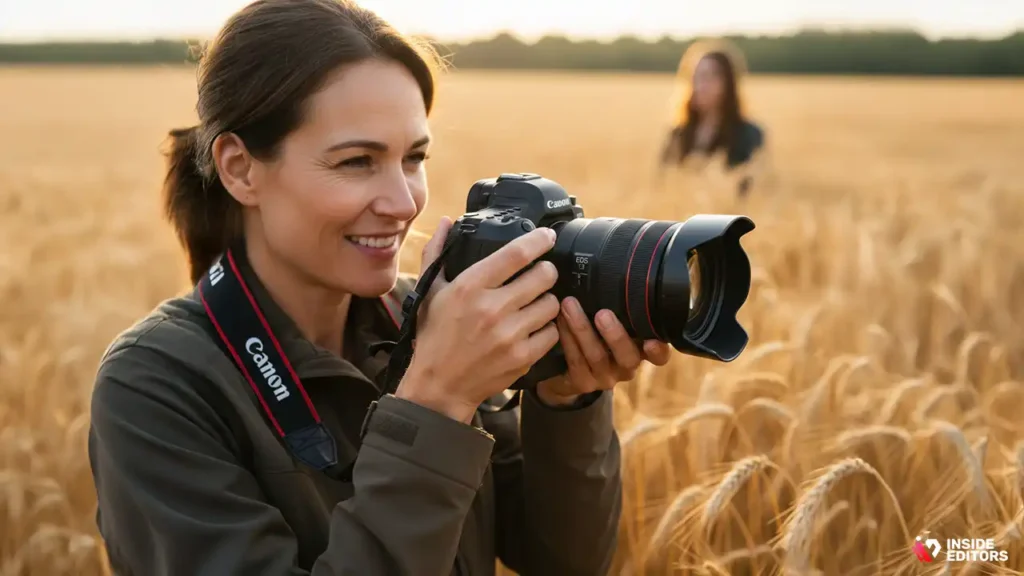
Known for their exceptional color science, these cameras produce images with natural, pleasing skin tones straight out of the camera, reducing post-production time. While sometimes slightly behind in video features compared to competitors, their reliability and user-friendly ergonomics make them a favorite among established professionals.
3. The Dedicated Cinema Camera (e.g., Blackmagic Pocket Cinema Cameras)
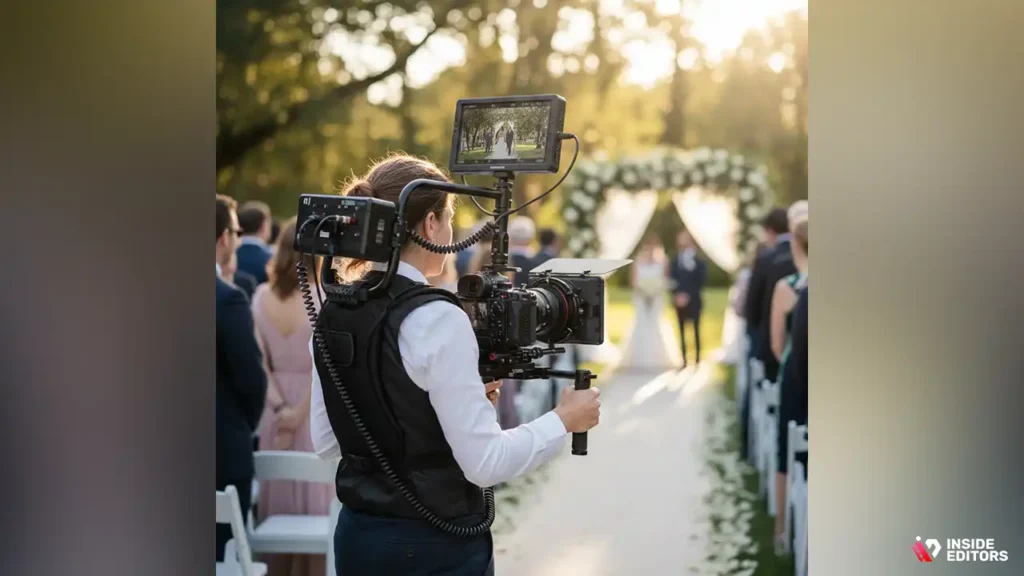
These cameras offer raw or highly compressed raw recording capabilities, giving editors maximum flexibility in color grading. They are ideal for cinematographers who prioritize the highest possible image quality and are willing to manage a slightly more complex setup involving external power and monitoring. This type of video camera for wedding work demands a skilled operator.
4. The MFT Specialist (e.g., Panasonic GH Series)
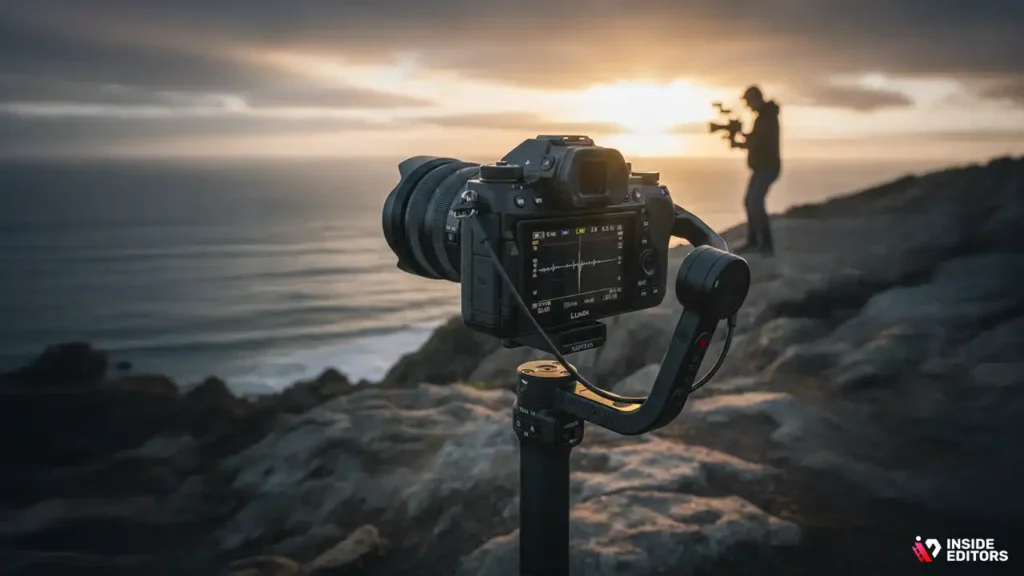
While featuring a smaller Micro Four Thirds sensor, these cameras are champions of video features, offering high bitrates, professional codecs, and outstanding stabilization. Their small size makes them perfect for discreet shooting or mounting on small gimbals. They are an excellent choice for a secondary or B-cam.
5. The High-End Documentary Shooter (e.g., ARRI Alexa Mini/RED Komodo)
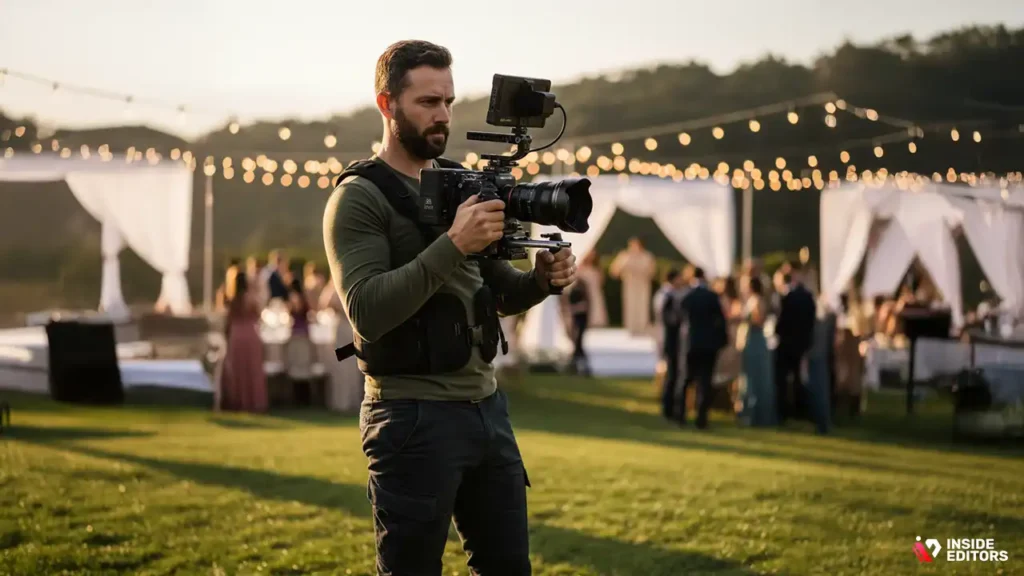
While prohibitively expensive for most, mentioning these shows the ultimate benchmark. They offer unmatched dynamic range and color fidelity. However, their size, cost, and complex workflow mean they are usually reserved for high-budget, multi-day wedding productions where the client demands the absolute best cinematic look.
6. The Versatile All-Rounder (e.g., Nikon Z Series)
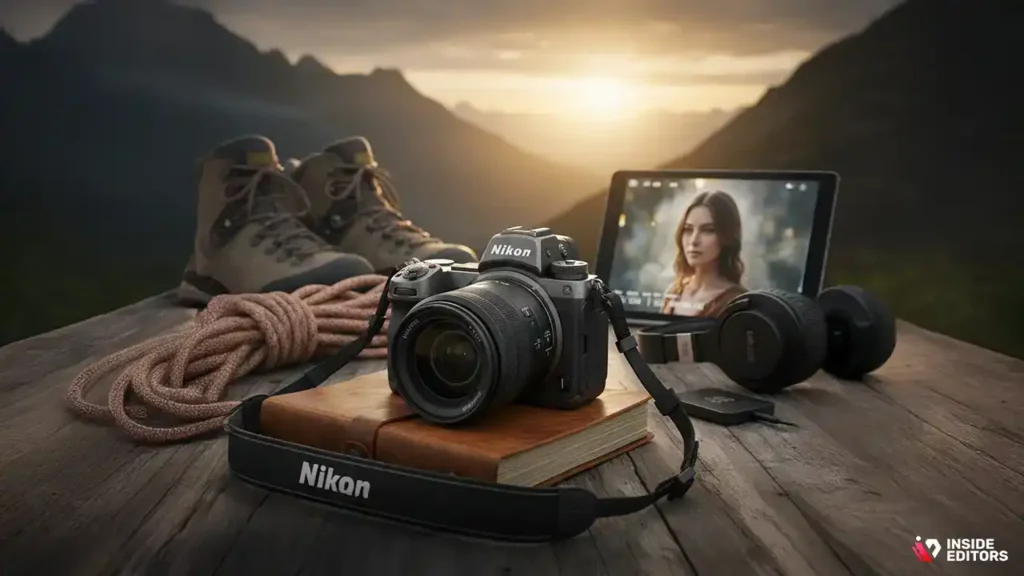
Nikon has entered the mirrorless market with strong contenders, offering excellent image stabilization and robust build quality. They provide a solid balance of stills and video features, making them a great choice for hybrid shooters who might also need to capture high-resolution portraits during the day.
7. The Compact Full-Frame Option (e.g., Sigma fp Series)
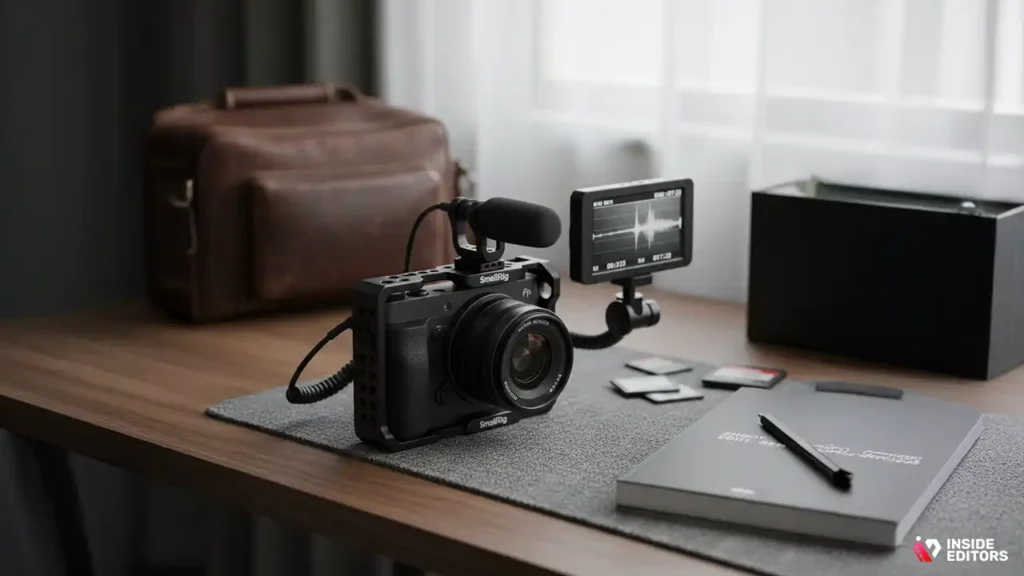
Known for their incredibly small form factor and ability to shoot high-quality cinema DNG, these cameras appeal to minimalist shooters. They require careful rigging but deliver exceptional image quality in a package that is easy to transport and keep discreet.
8. The Professional Camcorder (e.g., Sony PXW or Canon XF Series)
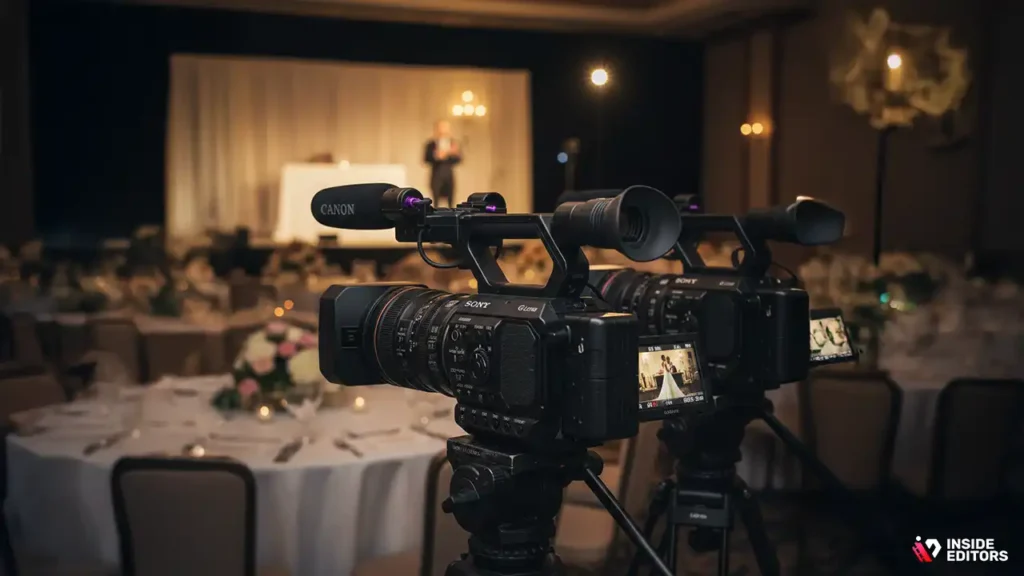
Sometimes, the traditional camcorder form factor is the most practical choice. These cameras offer built-in ND filters, XLR audio inputs, and superior battery life. They are less cinematic but unbeatable for long, continuous recording and ease of use, making them a reliable video camera for wedding ceremonies and speeches.
9. The Budget-Friendly Starter (e.g., Older Generation Mirrorless)
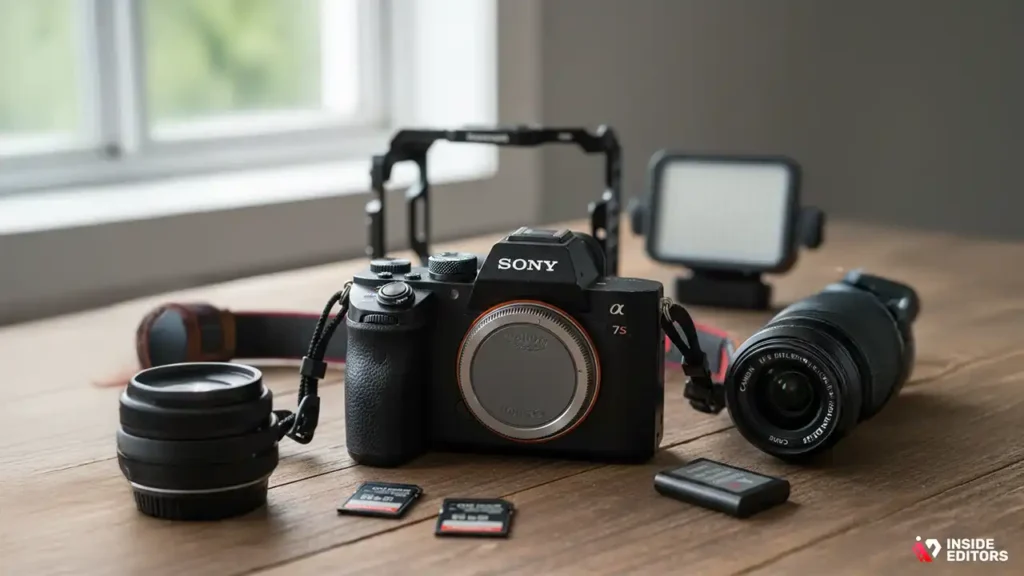
For those starting out, previous generations of mirrorless cameras (like the original Sony A7S or Canon 5D Mark IV) still offer excellent image quality and reliability at a fraction of the cost. They are a smart way to build a multi-camera setup without breaking the bank.
10. The Action/Utility Cam (e.g., GoPro or DJI Osmo Action)
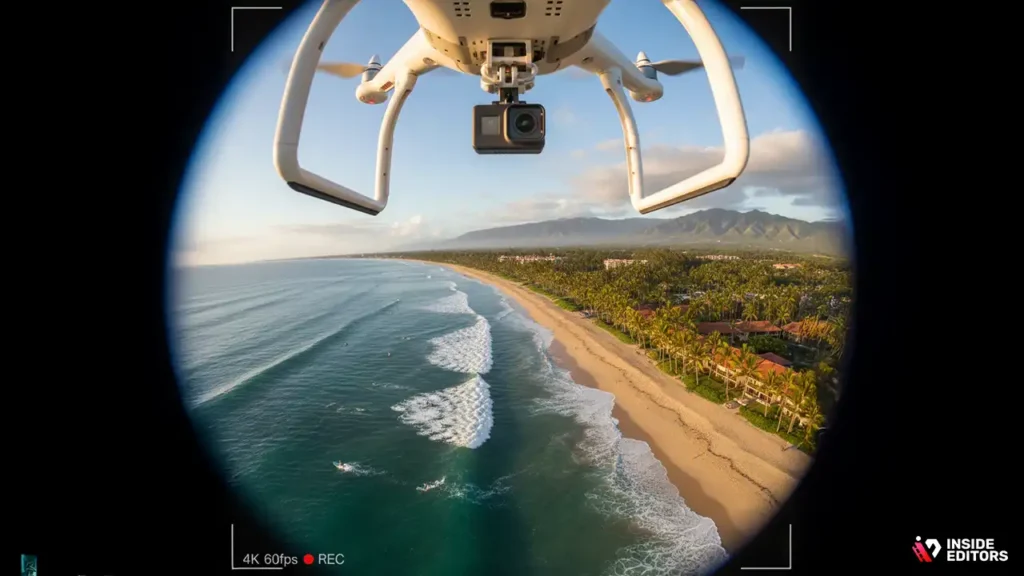
These are not primary cameras, but they are indispensable for unique perspectives-mounted on a drone, a guitar, or a dance floor. Their stabilization and wide field of view capture fun, immersive shots that complement the main cinematic footage.
Wedding Video Cameras: Key Features
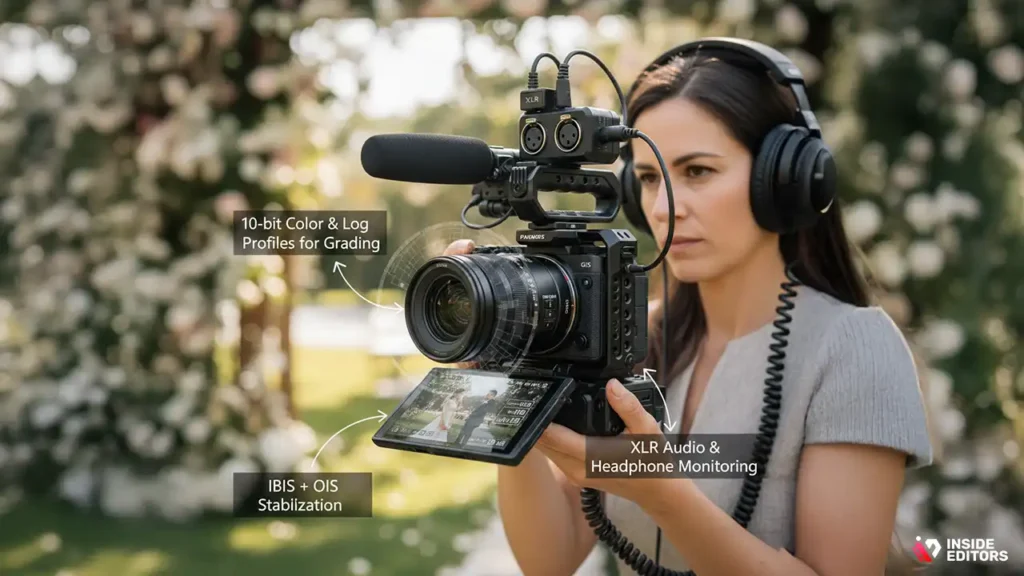
Selecting the right camera body is only the first step. True professional performance comes from a combination of crucial features that simplify the shooting process and maximize image quality in post-production.
Internal Codecs and Bit Depth
The codec (the method of compressing video data) determines how much information is retained. Look for cameras that offer 10-bit color depth (4:2:2 chroma subsampling). This provides billions of colors, compared to the millions offered by standard 8-bit. When you apply color grading, 10-bit footage holds up significantly better, preventing the image from breaking apart or showing banding in subtle gradients.
Log Profiles and Color Grading Potential
Professional cameras offer “Log” profiles (like S-Log, C-Log, or V-Log). These profiles record a flat, desaturated image that retains maximum dynamic range. While the raw footage looks dull, it contains vast amounts of information that allow the editor to precisely shape the colors and contrast during the grading process. Using a Log profile is non-negotiable for achieving a true cinematic look.
“If you aren’t shooting in Log, you’re leaving half your camera’s potential on the table. The flat profile is the canvas; the color grade is the masterpiece.” – David H., Senior Colorist
Stabilization: IBIS vs. Lens Stabilization
In-Body Image Stabilization (IBIS) is a massive advantage in wedding videography. It allows the sensor to shift slightly to counteract camera shake, providing smooth handheld footage even when using non-stabilized prime lenses. While IBIS is excellent, combining it with optical stabilization in the lens (OIS) creates incredibly stable footage, often negating the need for a heavy gimbal in certain situations.
Audio Capabilities: XLR and Monitoring
While external audio recorders are standard, having professional audio inputs directly on the camera is crucial for capturing backup sound or quick interviews. Look for cameras that support XLR inputs, which provide a balanced, low-noise signal. Crucially, the camera must have a dedicated headphone jack for real-time audio monitoring. Never trust internal meters alone; always listen to your audio feed.
Building the Perfect Multi-Camera Setup
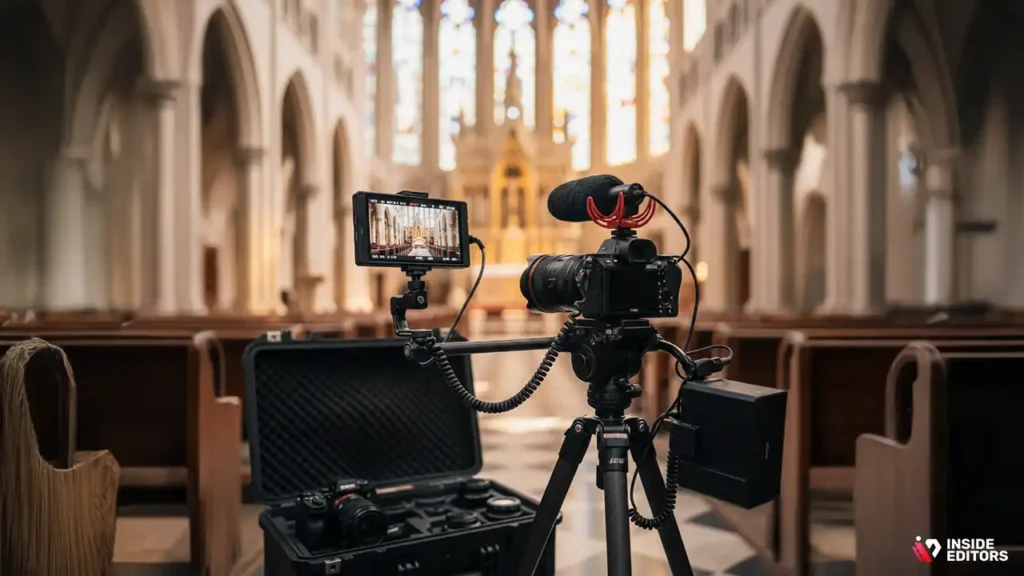
Few professionals rely on a single camera. A typical wedding requires at least two, often three, camera bodies to cover different angles simultaneously, ensuring no moment is missed. This strategy is essential for maximizing coverage and minimizing risk.
Matching Cameras for Seamless Editing
When building a multi-camera setup, consistency is key. Ideally, all cameras should be the same model (e.g., three units of the same video camera for wedding model) or at least from the same manufacturer (e.g., two Sony A7IVs and one Sony FX3). This makes color matching in post-production much simpler, as the color science and Log profiles are consistent across the footage.
The A-Cam, B-Cam, and C-Cam Strategy
- A-Cam (Main Shooter): The highest-quality camera, usually full-frame, mounted on a sturdy tripod or gimbal, capturing the primary action (vows, speeches). This is the camera focused on the most critical cinematic shots.
- B-Cam (Secondary Angle): Often a slightly smaller or less expensive camera, used for a static wide shot of the ceremony or for capturing close-up reactions of family members. Reliability and long recording time are key here.
- C-Cam (Utility/Detail): A small mirrorless or action camera used for detail shots (rings, flowers, shoes) or mounted for unique, dynamic angles during the reception.
Managing Data and Storage
With multiple cameras shooting high-bitrate 4K footage, data management becomes complex. Professionals must have a robust workflow for offloading footage immediately after the event. This includes multiple hard drives for backup and a clear labeling system. Losing footage due to poor data management is the fastest way to damage a reputation.
The Post-Production Imperative: Why Editing Matters
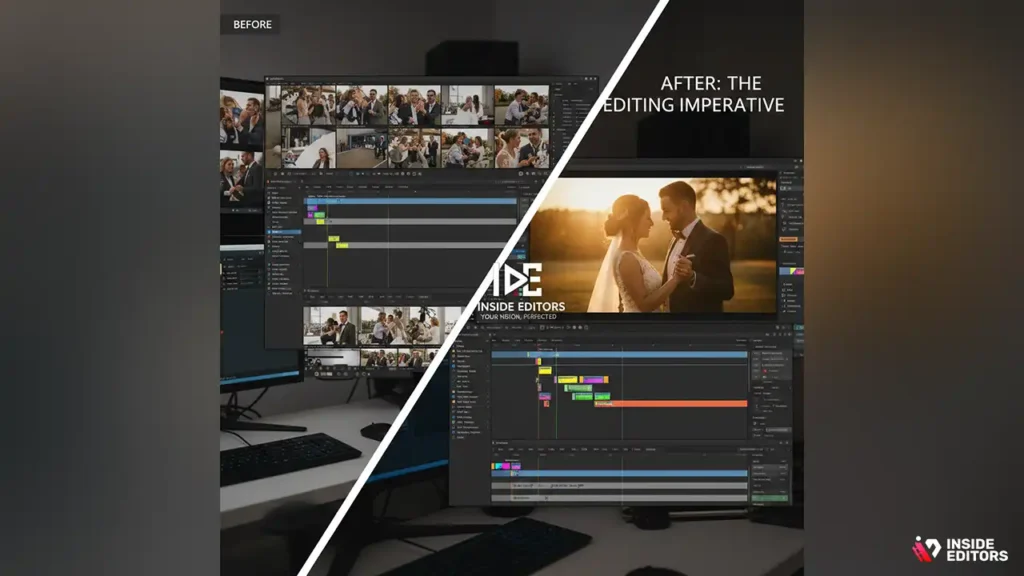
Even the best footage from the most advanced video camera for wedding events still requires expert post-production to truly shine. The cinematic look is achieved not just in the camera, but in the edit suite.
The Role of Professional Video Editing
Post-production involves color correction, cinematic color grading, audio mixing, music synchronization, and crafting a compelling narrative arc. This process is time-consuming and requires specialized skills and software. For busy videographers, outsourcing this crucial step is often the most efficient business decision.
Partnering with Inside Editors
This is where professional services become invaluable. Inside Editors offers specialized video editing services designed for high-volume content creators and professionals, including wedding videographers. Our team of professional editors, with over 10 years of experience, understands the nuances of wedding footage, from matching different camera profiles to enhancing the emotional impact through precise color grading and audio work.
We offer fast turnaround times, typically between 24 and 72 hours, which is crucial in delivering wedding films promptly to clients. Our service includes comprehensive color grading and audio enhancement, ensuring your footage achieves that polished, professional look. With affordable pricing and unlimited revisions until you are completely satisfied, Inside Editors allows you to save time and focus entirely on shooting and securing new clients, confident that your post-production is in expert hands.
The Workflow Advantage
Imagine shooting a wedding with your preferred video camera for wedding setup, knowing that the tedious hours of logging, syncing, and grading will be handled by experts. This scalable solution ensures consistent brand style across all your videos, builds trust with high-quality deliverables, and allows you to scale your business without increasing your editing burden.
Wedding Cameras: A Comparison
Choosing between a full-frame mirrorless and a dedicated cinema camera involves weighing portability against ultimate image control. Here is a quick comparison of the two leading contenders for the title of best video camera for wedding work.
| Feature | Full-Frame Mirrorless (e.g., Sony A7S III) | Dedicated Cinema Camera (e.g., Canon C70) |
| Form Factor | Small, Discreet, Excellent for Gimbals | Larger, Built-in Handles, Better for Shoulder Rigs |
| Low Light | Exceptional (often industry-leading) | Excellent (often dual native ISO) |
| Internal ND Filters | Rare (Requires external filters) | Standard Feature (Crucial for fast exposure changes) |
| Audio Inputs | 3.5mm Jack (requires adapter for XLR) | Built-in XLR Ports |
| Battery Life | Moderate (Requires many batteries) | Excellent (Long-lasting V-mount or large proprietary batteries) |
| Cost | Generally Lower Body Cost | Higher Body Cost |
Pros and Cons of Mirrorless Cameras for Weddings
Mirrorless cameras have become the dominant choice due to their versatility and size. However, they are not without their drawbacks, especially in a professional setting.
Pros:
- Portability: Lightweight and small, reducing fatigue over long days.
- Discretion: Less intimidating for guests, allowing for more candid shots.
- Autofocus: Superior, fast, and reliable tracking capabilities.
- IBIS: Provides excellent stabilization for handheld shots.
Cons:
- Battery Life: Shorter battery life necessitates frequent changes.
- Ergonomics: Smaller bodies can be awkward to hold without cages or grips.
- Overheating: High-bitrate 4K recording can sometimes lead to overheating issues in hot environments.
Expert Tips for Maximizing Your Camera’s Potential
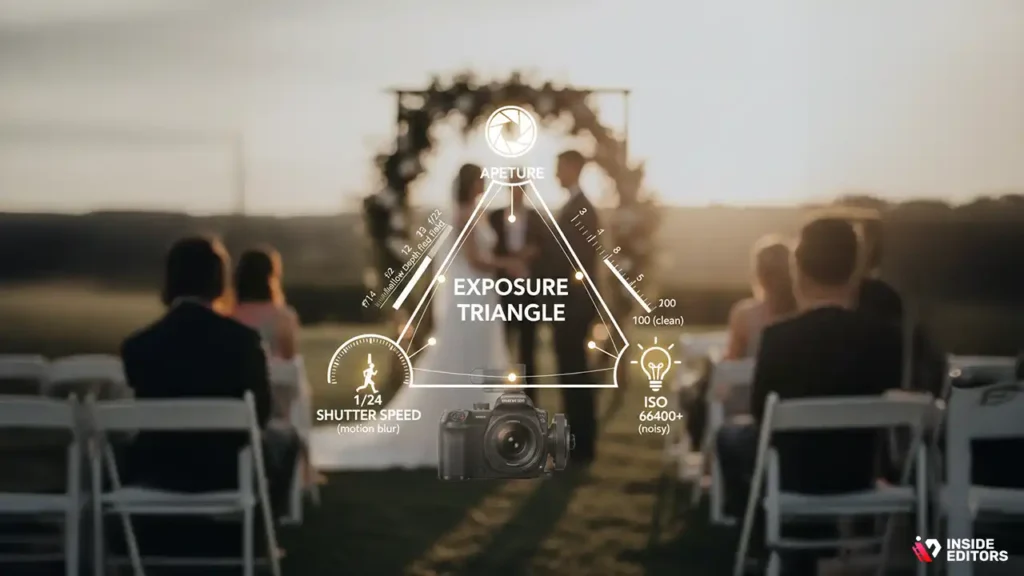
Simply owning the best video camera for wedding events is not enough. Mastering the settings and understanding the environment are equally important.
Master the Exposure Triangle
Always prioritize your shutter speed (usually double your frame rate, e.g., 1/50th for 24fps) to maintain natural motion blur. Then, control your exposure using aperture and ISO. Use built-in Neutral Density (ND) filters (if available) or external variable ND filters to control light without sacrificing your cinematic shutter speed.
Calibrate Your White Balance Manually
Never rely on auto white balance during a wedding. Lighting changes dramatically between the ceremony, the outdoor photoshoot, and the reception. Manually setting the white balance (using a grey card or a known white object) ensures color consistency across all your clips, drastically reducing color correction time in post.
Utilize Custom Presets and Buttons
Program your camera’s custom buttons to instantly access critical settings like frame rate, Log profile, or focus peaking. Precious seconds are saved by not diving into menus during a critical moment. The ability to switch instantly from 24fps cinematic mode to 60fps slow-motion mode is invaluable.
“The camera is just a tool; the true expertise lies in knowing the settings so intimately that you can change them blindfolded while the couple is walking down the aisle.” – Sarah L., Wedding Filmmaker
Choosing the Right Wedding Video Camera
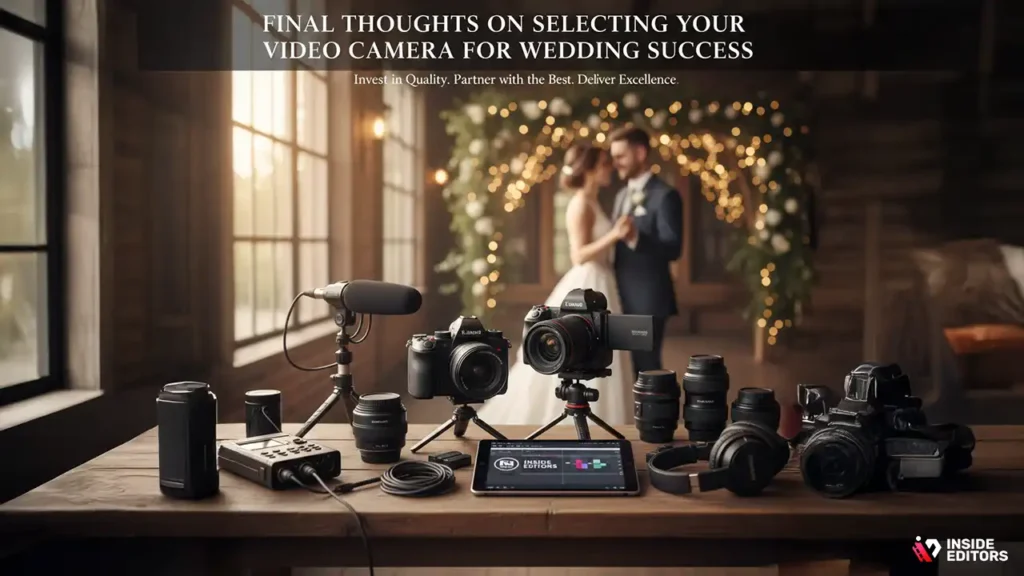
Selecting the right video camera for wedding cinematography is a deeply personal and professional decision. It involves a significant investment, but the return is measured in the quality of your final product and the satisfaction of your clients. Prioritize reliability, low-light performance, and robust codecs above all else.
Whether you choose a full-frame mirrorless camera for its versatility or a cinema camera for its pure image quality, remember that the camera is only part of the equation. The lenses, the lighting, the audio gear, and most importantly, the skill of the operator, all contribute to the final result. By investing in high-quality gear and streamlining your post-production workflow-perhaps by partnering with professional services like Inside Editors-you ensure that every wedding film you deliver is of the highest cinematic standard.
Frequently Asked Questions
What is the best sensor size for wedding video?
Full-frame sensors are generally preferred for wedding video because they offer superior low-light performance and a shallower depth of field, which helps achieve the desirable cinematic look. However, Super 35 sensors are also excellent, offering great compatibility with cinema lenses and smaller camera bodies for discreet shooting. The choice often depends on the specific aesthetic you are aiming for with your video camera for wedding.
Why are dual card slots important?
Dual card slots are critically important for professional wedding videography as they provide redundancy. Footage is recorded simultaneously to two separate memory cards. If one card fails during the event, the backup footage on the second card ensures that the irreplaceable moments captured by your video camera for wedding are not lost, safeguarding your client deliverables.
Should I shoot in 8-bit or 10-bit color?
You should always aim to shoot in 10-bit color (4:2:2 chroma subsampling) if your video camera for wedding supports it. 10-bit captures significantly more color information than 8-bit, which is essential for professional color grading. It prevents banding and allows for greater flexibility in post-production, ensuring your final film looks polished and cinematic.
How important is reliable autofocus?
Reliable autofocus is extremely important, especially during unpredictable wedding moments like the processional or dancing. Modern hybrid autofocus systems with face and eye tracking ensure that subjects remain sharp, even when moving quickly. While manual focus is used for controlled shots, fast, accurate autofocus is a crucial feature for any professional video camera for wedding.
What is a Log profile in video?
A Log profile (like S-Log or C-Log) is a setting that records a flat, low-contrast image, maximizing the camera’s dynamic range. This flat image retains detail in both highlights and shadows. While it looks dull initially, it provides the editor with the maximum amount of data for precise and cinematic color grading in post-production, enhancing the quality of footage from your video camera for wedding.
Can I use a mirrorless camera for professional work?
Yes, mirrorless cameras are now the industry standard for professional wedding cinematography. Their small size, excellent low-light capabilities, and advanced video features-such as 4K 10-bit recording and reliable autofocus-make them highly versatile. They offer an ideal balance of portability and cinematic image quality for a primary video camera for wedding events.
What frame rate is best for slow motion?
For cinematic slow motion, shooting at 60 frames per second (fps) in 4K is standard, allowing for a smooth 2.5x slowdown when played back at 24fps. For more dramatic, ultra-slow motion effects, look for a video camera for wedding that can achieve 120fps or higher, ensuring those key moments look fluid and impactful.
Do I need built-in ND filters?
Built-in Neutral Density (ND) filters are highly beneficial, particularly in dedicated cinema cameras. They allow you to maintain a cinematic shutter speed (1/50th) even in bright sunlight by reducing the amount of light hitting the sensor. This feature is a major time-saver and ensures consistent exposure control throughout the wedding day.


