

For decades, video games were often viewed through a negative lens-a distraction, a time sink, or even a source of aggression. However, modern research is painting a far more nuanced picture. Today, we understand that when approached mindfully, the relationship between video gaming and mental health can be profoundly positive. This shift in perspective recognizes gaming not just as entertainment, but as a powerful tool for cognitive development, emotional regulation, and social connection.
The key lies in understanding how to harness the inherent psychological benefits of interactive digital experiences. This guide explores the mechanisms through which gaming supports well-being, offering practical strategies to integrate play into a healthy lifestyle. We will look closely at the specific genres and play styles that maximize therapeutic outcomes, ensuring your engagement with video gaming and mental health is constructive and rewarding.
Understanding the Psychological Benefits of Video Gaming and Mental Health
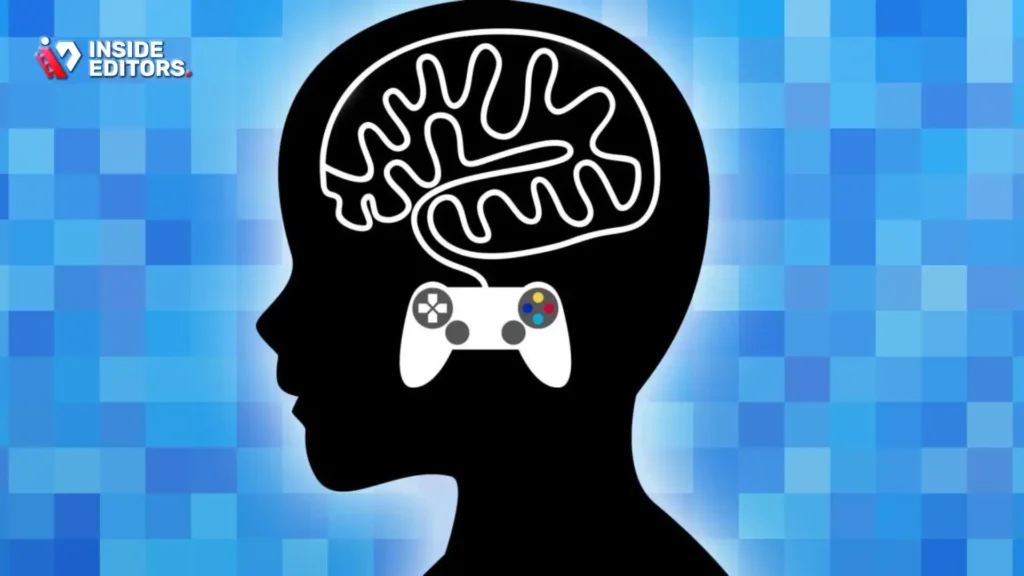
The positive impact of gaming stems from several core psychological principles that games inherently satisfy. They offer structure, immediate feedback, and achievable goals, all of which contribute to feelings of competence and autonomy-two pillars of human motivation.
The Power of Flow State and Cognitive Engagement
One of the most significant benefits of gaming is its ability to induce a state of “flow.” Flow is the mental state where a person is fully immersed in an activity, characterized by energized focus and enjoyment. Games are masters at creating this balance between challenge and skill. When the challenge is too high, we feel anxiety; when it’s too low, we feel boredom. Games constantly adjust this balance, keeping players engaged in a positive feedback loop.
This intense focus diverts attention away from stressors and negative rumination. For someone dealing with anxiety or depression, this temporary but complete mental break can be incredibly therapeutic. Furthermore, many games, particularly strategy and puzzle genres, require high levels of cognitive engagement, improving skills like problem-solving, spatial reasoning, and quick decision-making.
“The opposite of play is not work-it’s depression. To play is to act out and be fully engaged, and this is crucial for mental resilience.” – Dr. Stuart Brown, Founder of the National Institute for Play
Fostering Social Connection and Community Building
While the stereotype of the isolated gamer persists, modern gaming is overwhelmingly a social activity. Multiplayer games, massive online role-playing games (MMORPGs), and cooperative titles build robust digital communities. These platforms allow individuals to connect across geographical boundaries, forming deep friendships based on shared goals and experiences.
For individuals who struggle with social anxiety or physical limitations, the digital environment provides a safe, low-stakes way to practice social skills, teamwork, and communication. The shared struggle and eventual triumph in a game create powerful bonding experiences, directly supporting the social component of strong mental health. The positive relationship between video gaming and mental health is often strongest when social elements are present.
Strategic Gaming: Choosing Genres for Specific Therapeutic Outcomes
Not all games are created equal when it comes to mental health benefits. Strategic gaming involves selecting titles and genres that align with specific emotional or cognitive needs.
Role-Playing Games (RPGs) and Narrative Immersion
RPGs often involve complex storylines, character development, and moral choices. These games can be excellent tools for empathy building and emotional processing. By stepping into the shoes of a protagonist facing adversity, players can safely explore complex emotions and ethical dilemmas without real-world consequences.
This narrative immersion can also provide a sense of control and progression, which is often lacking for individuals experiencing depression or feelings of helplessness. Completing quests and seeing a character grow offers tangible evidence of effort leading to reward.
Puzzle and Strategy Games for Anxiety Management
Games like Tetris, Portal, or even complex 4X strategy games require intense focus on pattern recognition and logical sequencing. For those prone to anxiety, these games act as a powerful anchor, grounding the mind in the present task rather than allowing it to drift toward future worries.
The structured nature of puzzles provides a predictable environment where problems always have solutions. Successfully solving a complex puzzle offers a small, repeatable dose of accomplishment, boosting self-efficacy and reducing feelings of being overwhelmed.
Action and Rhythm Games for Emotional Release
Fast-paced action games or rhythm games (like Beat Saber) offer a healthy outlet for pent-up energy and frustration. The physical and mental demands of these games allow for a constructive release of tension. They require quick reflexes and synchronization, improving hand-eye coordination and reaction time.
Crucially, the success or failure in these games is immediate and quantifiable. This clear feedback loop prevents the ambiguity that often fuels stress, offering a clear path to improvement through practice.
Practical Steps to Maximize the Mental Health Benefits of Gaming
Harnessing the positive effects of video gaming and mental health requires intentionality and balance. It is vital to integrate gaming into a balanced lifestyle, not allow it to replace essential activities.
1. Set Clear Boundaries and Time Limits
The line between healthy engagement and excessive use is often defined by time management. Use tools, alarms, or built-in console features to cap your gaming sessions.
Comparison of Healthy vs. Unhealthy Gaming Habits
| Feature | Healthy Engagement | Unhealthy Engagement |
|---|---|---|
| Time Management | Scheduled, time-capped sessions (e.g., 90 minutes after work). | Gaming displaces sleep, work, or social obligations. |
| Motivation | Seeking enjoyment, relaxation, or social connection. | Escaping negative emotions or avoiding real-life responsibilities. |
| Physical Health | Incorporates breaks, hydration, and proper posture. | Sedentary for long periods, ignoring physical needs. |
| Emotional State | Feel refreshed and satisfied after playing. | Feel guilt, irritability, or restlessness when unable to play. |
2. Prioritize Social and Cooperative Play
If your primary goal is improving social connection and reducing feelings of isolation, actively seek out multiplayer games that require cooperation. Communication is key. Use in-game voice chat or external platforms like Discord to deepen connections with teammates.
Remember that the social aspect of video gaming and mental health is about quality, not quantity. Focus on building meaningful relationships with a small group of reliable players rather than simply joining large, anonymous lobbies.
3. Reflect on Your Experience
Mindful gaming involves pausing after a session to reflect on how the experience made you feel. Did you feel relaxed, frustrated, or accomplished? If a game consistently leaves you feeling angry or stressed, it may be counterproductive to your mental health goals.
Ask yourself: Did this session help me recharge, or did it drain me? Use this reflection to adjust your game choice or your play duration. This self-awareness is crucial for maintaining a positive relationship with the medium.
4. Integrate Physical and Cognitive Breaks
Extended gaming sessions can lead to physical strain (eye strain, wrist pain) and cognitive fatigue. Implement the 20-20-20 rule (every 20 minutes, look at something 20 feet away for 20 seconds) and ensure you stand up and stretch regularly.
Furthermore, consider using your gaming time as a reward following a productive activity, rather than a procrastination tool. This reinforces a positive association between accomplishment and relaxation.
Addressing the Nuances: Risks and Mitigation Strategies
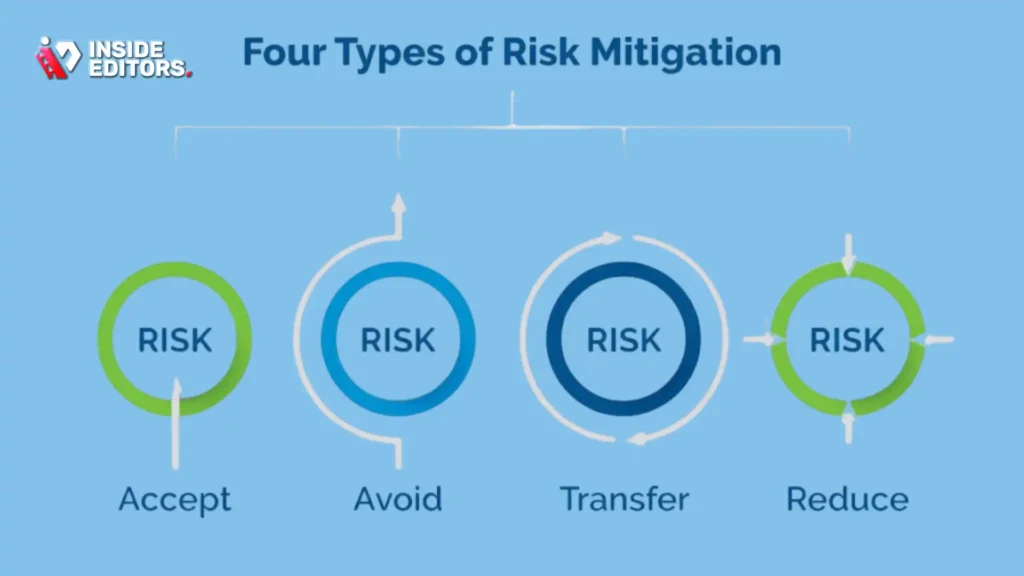
While the benefits are clear, it is essential to approach video gaming and mental health with an understanding of potential pitfalls, primarily excessive use and the impact of toxic communities.
The Risk of Excessive Gaming and Addiction
For a small percentage of the population, gaming can become compulsive or addictive, leading to significant impairment in life functioning. This is often a symptom of underlying issues, not the cause itself.
“Games are powerful motivators. When someone uses them excessively, it’s often because they are finding fulfillment in the game that they are missing in their real life.” – Jane McGonigal, Game Designer and Researcher
Pros and Cons of Intensive Gaming
| Pros | Cons |
|---|---|
| Skill Development: Rapid improvement in complex cognitive skills. | Isolation: Replacement of face-to-face interactions. |
| Deep Connection: Formation of strong, dedicated online friendships. | Sleep Deprivation: Ignoring biological needs to continue playing. |
| Sense of Mastery: Achieving high ranks and complex goals. | Financial Strain: Excessive spending on microtransactions or gear. |
| Stress Relief: Complete mental immersion and distraction from worries. | Emotional Volatility: Increased irritability or anxiety when restricted. |
Mitigation involves recognizing the warning signs-such as neglecting hygiene, work, or sleep-and seeking professional help if control is lost.
Dealing with Toxic Online Environments
Online communities, while beneficial, can sometimes be toxic, filled with harassment, bullying, or aggressive behavior. This negativity can severely undermine the mental health benefits of social play.
Strategies for Managing Toxicity:
- Mute and Block: Immediately mute or block players who are disruptive or harassing. Most platforms offer robust reporting tools.
- Play with Friends: Stick to playing with established friends or within curated, positive communities.
- Disable Chat: If toxicity is overwhelming, disable voice or text chat entirely and focus on the gameplay mechanics.
- Choose Cooperative Games: Games focused purely on cooperation (PvE) often foster a more supportive environment than highly competitive ones (PvP).
The Role of Video Content in the Gaming Ecosystem
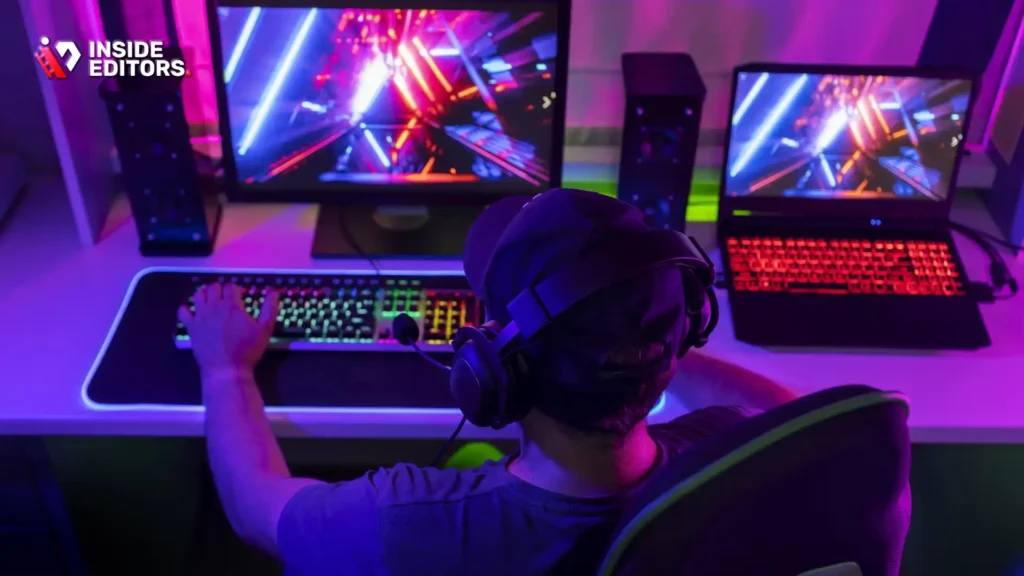
The discussion of video gaming and mental health is incomplete without acknowledging the massive ecosystem of video content surrounding games-live streams, tutorials, and esports broadcasts.
Watching others play can be a form of passive relaxation, offering the enjoyment of the narrative or competition without the cognitive load of active play. Tutorials and guides, meanwhile, reduce frustration by helping players overcome difficult challenges, maintaining the positive “flow” state.
For content creators and businesses looking to engage with this massive audience, professional video production is critical. Whether you are documenting your journey through a therapeutic game or creating high-quality tutorials to help others reduce their frustration, the quality of your video reflects your brand’s commitment to excellence.
If you are a content creator in the gaming space-a streamer, an educator, or a mental health advocate-you understand that polished, professional video content is essential for building trust and community. This is where specialized services become invaluable.
For example, a service like Inside Editors offers comprehensive professional video editing services designed specifically for content creators and marketers. They provide a professional editing team with over 10 years of experience, ensuring fast turnaround times (typically 24–72 hours) and unlimited revisions until you are completely satisfied. This commitment to quality, combined with affordable pricing starting at $29 per video, allows creators to save time and focus on producing more engaging content, knowing that the color grading and audio enhancement are handled professionally.
By ensuring your content is consistently high-quality, you build a professional brand that resonates with viewers seeking reliable and engaging gaming content.
Future Directions: Gaming as a Prescriptive Therapeutic Tool
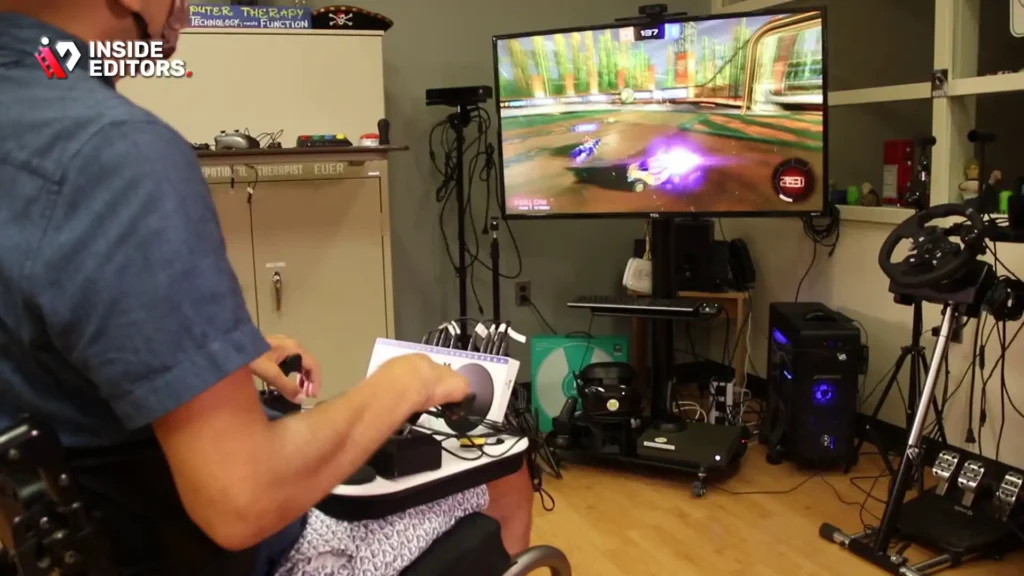
The future of video gaming and mental health is moving beyond general wellness into prescriptive digital therapeutics. Researchers are actively developing “serious games” designed specifically to treat conditions like depression, ADHD, and PTSD.
Digital Therapeutics and Cognitive Training
These specialized games are clinically validated and designed to target specific neural pathways. For instance, some games focus on improving working memory and attention control, offering a engaging alternative to traditional cognitive behavioral therapy exercises.
The effectiveness of these tools relies on the principle of neuroplasticity-the brain’s ability to reorganize itself by forming new neural connections. Games provide the consistent, engaging repetition necessary to drive these changes.
Ethical Considerations in Therapeutic Gaming
As gaming moves into the medical space, ethical considerations around data privacy, accessibility, and regulation become paramount. It is crucial that these therapeutic tools are developed transparently and made accessible to all populations who could benefit, regardless of financial status or technical expertise.
The convergence of technology and psychology highlights the need for interdisciplinary collaboration to ensure that the positive potential of video games is realized safely and effectively.
Conclusion: Playing Your Way to Better Well-Being
The relationship between video gaming and mental health is complex, powerful, and overwhelmingly positive when approached with intention. Games offer unique avenues for stress relief, cognitive enhancement, social connection, and emotional processing. By strategically selecting games, setting healthy boundaries, and prioritizing mindful engagement, you can transform your gaming time from a simple pastime into a genuine tool for personal growth and well-being.
Remember that balance is the ultimate goal. Gaming should complement your life, not consume it. When used correctly, the digital world can provide the structure, challenge, and connection necessary to thrive in the real world.
If you are a content creator aiming to share these positive gaming narratives, maintaining high production standards is essential. Utilizing professional video editing services, such as those offered by Inside Editors, ensures your message is delivered clearly and professionally. Their commitment to quality, fast delivery, and unlimited revisions makes them an ideal partner for YouTube creators, businesses, and course creators who need a scalable solution for consistent, professional video production. Focus on your content and your community; let the experts handle the polish.
FAQ
How does gaming reduce stress?
Gaming reduces stress by inducing a ‘flow state,’ which is deep, energized focus. This immersion diverts attention from real-world stressors and negative thoughts, providing a temporary but effective mental break. The structure and immediate feedback in games also help manage anxiety by offering clear, achievable goals, reinforcing the positive link between video gaming and mental health.
Can video games improve social skills?
Yes, multiplayer and cooperative video games are excellent for practicing social skills. They require teamwork, communication, and conflict resolution in a low-stakes environment. This is especially beneficial for individuals with social anxiety, allowing them to build friendships and community, which is a core benefit of video gaming and mental health.
What genres are best for mental health?
Genres that promote positive mental health include Role-Playing Games (RPGs) for empathy and emotional processing, Puzzle/Strategy games for anxiety management and cognitive focus, and cooperative multiplayer games for social connection. The best genre depends on the specific therapeutic outcome you are seeking.
How do I avoid excessive gaming?
To avoid excessive gaming, set strict time limits using alarms or console controls, and ensure gaming does not displace essential activities like sleep, work, or exercise. Mindful gaming involves reflecting on how the session made you feel, ensuring it is a source of refreshment, not escape.
Do games help with cognitive function?
Absolutely. Many games, particularly strategy, puzzle, and action genres, require high levels of cognitive engagement. They improve skills such as problem-solving, spatial reasoning, working memory, and quick decision-making, demonstrating a clear cognitive benefit associated with video gaming and mental health.
Is competitive gaming bad for mental health?
Competitive gaming can be stressful due to toxicity and high pressure, but it is not inherently bad. It builds resilience, strategic thinking, and teamwork. To maintain positive mental health, manage toxicity by muting players and prioritizing playing with supportive friends.
Why is video quality important for creators?
High video quality is crucial for creators because it builds trust and professionalism within the community. Polished content, including professional color grading and audio enhancement, ensures the message is taken seriously and helps the creator stand out in the crowded gaming content market.


