

The modern business landscape demands visual communication. Video is no longer a luxury; it is the primary engine for engagement, trust-building, and conversion. However, producing high-quality video that delivers a measurable return on investment (ROI) requires more than just a camera and a compelling script. It demands a structured, strategic approach. Understanding the precise steps involved in the Corporate Video Production Process is essential for any organization looking to maximize its marketing spend and achieve its business goals.
This comprehensive guide breaks down the sophisticated, multi-stage Corporate Video Production Process, detailing how to move from initial concept to final distribution while ensuring every decision aligns with your strategic objectives. We will explore the critical planning stages, the execution phase, and the post-production requirements that separate amateur efforts from professional, high-impact corporate video content.
Phase 1: Strategic Planning & Pre-Production

The success of any video project is determined long before the camera starts rolling. Pre-production is the foundation, where ideas are solidified, resources are allocated, and the strategic blueprint is finalized. Skipping or rushing this phase is the most common mistake organizations make, often leading to costly revisions and missed deadlines. A robust Corporate Video Production Process always begins with meticulous planning.
Defining Objectives and Target Audience
Before writing a single line of dialogue, you must clearly define why you are making the video and who needs to see it. What specific business problem is this video solving? Are you aiming to increase brand awareness, drive sales leads, train internal staff, or improve customer support? Each objective requires a different style, length, and distribution strategy.
Simultaneously, defining your target audience is paramount. Understanding their pain points, preferred platforms, and existing knowledge level dictates the tone, complexity, and visual language of the video. A video targeting C-suite executives will differ vastly from one aimed at entry-level consumers.
“Strategy without execution is hallucination. In video production, the strategy is the pre-production plan that ensures every dollar spent moves you closer to your defined business outcome.” – Marketing Strategy Consultant, Anonymous
Developing the Creative Concept and Scope
Once the objective is clear, the creative concept takes shape. This involves brainstorming the core message, the narrative structure, and the visual style. The concept must be compelling, unique, and directly serve the defined objective. This stage also solidifies the scope of the project, including estimated length, required locations, talent needs, and animation requirements. A detailed scope prevents “scope creep,” where the project expands uncontrollably during later stages.
The scope also dictates the budget. It is crucial to allocate funds realistically across the three main phases: pre-production (planning, scripting), production (filming, equipment, crew), and post-production (editing, graphics, sound design).
Scriptwriting and Storyboarding Essentials
The script is the backbone of the entire project. It dictates pacing, tone, and message delivery. Professional scripts include not only dialogue but also detailed instructions for visuals, sound effects, and graphics. For complex or highly visual projects, storyboarding-creating a panel-by-panel visual representation of the script-is invaluable. Storyboards ensure that the director, camera crew, and editor are all aligned on the visual interpretation of the script. This step is a non-negotiable part of a streamlined Corporate Training Video Production.
Phase 2: Execution and Production Logistics
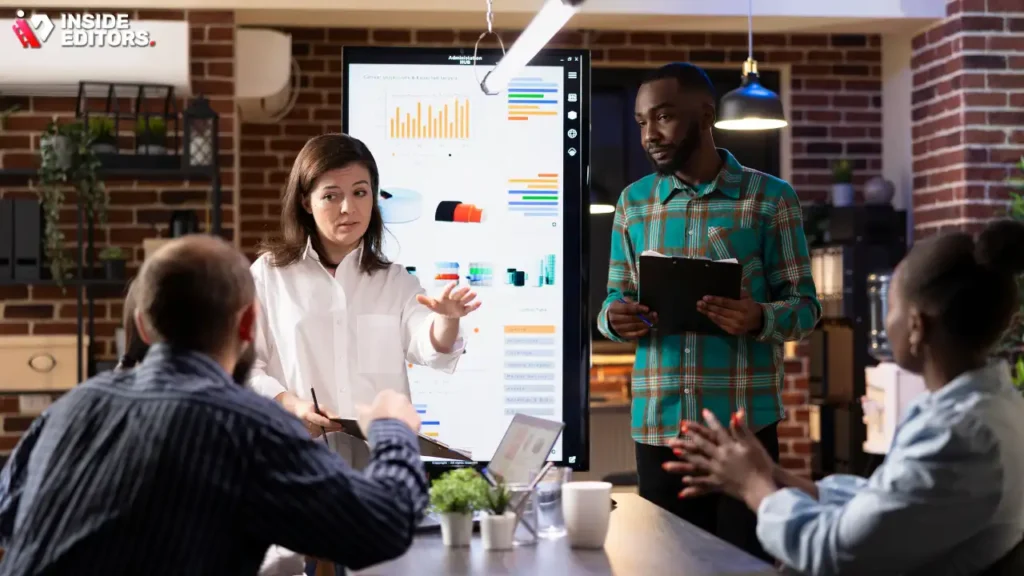
The production phase is where the blueprint comes to life. This stage involves managing logistics, coordinating talent and crew, and capturing all necessary footage and audio. While often the most visible part of the Corporate Video Production Process, efficient execution relies heavily on the quality of the planning done in Phase 1.
Crewing, Casting, and Location Scouting
Securing the right team is critical. Depending on the scale, this might include a director, cinematographer, sound technician, lighting designer, and production assistant. If the video requires on-screen talent, casting must be completed, ensuring the actors or employees fit the brand image and can deliver the script naturally. Location scouting involves finding and securing suitable filming environments, whether they are offices, studios, or external sites, and obtaining all necessary permits.
Technical Preparation and Equipment Check
Technical preparation involves ensuring all equipment-cameras, lenses, lighting kits, microphones, and data storage-is tested and ready. Professionals always have backup equipment on hand to mitigate unexpected technical failures. The technical specifications (resolution, frame rate, color profile) must be set according to the final delivery requirements (e.g., specific formats for YouTube, LinkedIn, or internal servers).
Directing and Capturing Footage
On the day of the shoot, the director manages the flow, guides the talent, and ensures every shot required by the storyboard and script is captured. Efficiency is key here; time on set is expensive. Capturing high-quality audio simultaneously is just as important as the visuals. Poor audio is one of the fastest ways to undermine the professionalism of a corporate video.
Common Production Pitfalls and Solutions
| Pitfall | Description | Solution |
| Poor Audio | Background noise, muffled voices, or inconsistent levels. | Use dedicated external microphones (lavalier or boom mics) and record room tone. |
| Inconsistent Lighting | Shadows or overexposed areas that distract the viewer. | Use a three-point lighting setup and monitor lighting levels constantly. |
| Missing Coverage | Not capturing enough B-roll or alternative angles. | Always shoot more footage than you think you need, especially cutaways and establishing shots. |
| Talent Issues | Actors or employees appear stiff or unnatural on camera. | Provide clear direction, encourage multiple takes, and foster a relaxed set environment. |
Phase 3: Post-Production and Refinement
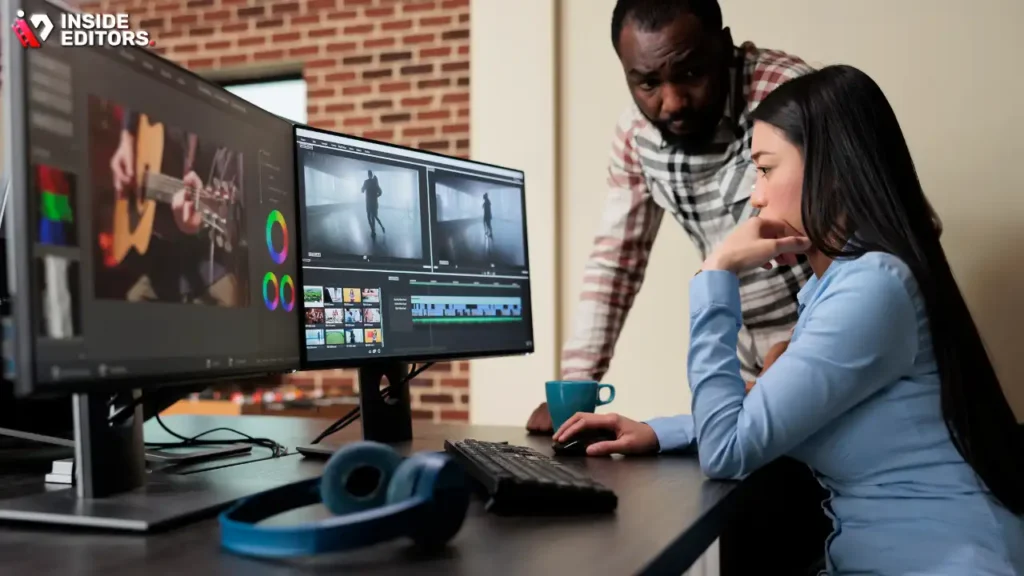
Post-production is often the longest phase, where the raw footage is transformed into the final, polished product. This stage requires technical expertise, creative vision, and meticulous attention to detail. This is where the true value of the Corporate Video Production Process is realized, stitching together disparate elements into a cohesive narrative.
The Editing Workflow
The editing process begins with logging the footage and creating an assembly cut-a rough sequence of clips following the script. This is refined into the fine cut, where pacing, transitions, and narrative flow are perfected. Editors use sophisticated software to manage this complex process.
For many organizations, managing the editing workload internally can be time-consuming and resource-intensive. This is often the point where leveraging external expertise becomes highly beneficial. Professional video editing services, such as those offered by Inside Editors, provide specialized expertise, ensuring fast turnaround times and professional quality. They handle the technical heavy lifting-from initial assembly to final color correction-allowing internal teams to focus on strategy and content creation.
Visual Effects, Graphics, and Motion Design
Most corporate videos require graphics, lower thirds (text identifying speakers), and often motion graphics or animation to explain complex concepts. These elements must align perfectly with the brand guidelines (colors, fonts, logos). A skilled editor or motion designer integrates these visuals seamlessly, enhancing the message without distracting the viewer.
Sound Design and Color Correction
Sound design involves mixing the dialogue, music, and sound effects to create a rich auditory experience. Dialogue must be clear, music should enhance the mood without overpowering the speech, and overall audio levels must meet industry standards. Simultaneously, color correction and grading are applied to ensure visual consistency across all shots and to establish the desired mood or tone.
“A well-edited video isn’t just about cutting scenes; it’s about controlling the viewer’s attention and emotional response. Post-production is where the story truly finds its rhythm.” – Film Editor, The Academy of Motion Picture Arts and Sciences
Phase 4: Quality Assurance & Distribution
The final stages of the Corporate Video Production Process involve rigorous checks and a well-planned launch. A video is useless if it doesn’t reach the right audience in the right format.
Final Review and Approvals
Before final delivery, the video must undergo a thorough quality assurance (QA) process. This involves checking for technical errors (glitches, audio pops, typos in graphics) and ensuring the video meets all stakeholder approvals. This step is crucial for maintaining brand integrity and avoiding costly re-edits after launch.
Optimizing for Distribution Platforms
Different platforms have different technical requirements (aspect ratios, file sizes, maximum lengths) and audience expectations. A video optimized for Instagram Reels will look and feel different from one optimized for a company website’s homepage. Optimization also includes creating compelling thumbnails, writing engaging descriptions, and incorporating relevant keywords for search engine visibility (SEO).
Measuring ROI and Performance
The final, critical step in the Corporate Video Production Process is measuring its effectiveness against the initial objectives defined in Phase 1. Key performance indicators (KPIs) might include:
- Awareness: Views, impressions, reach.
- Engagement: Watch time, completion rate, comments, shares.
- Conversion: Click-through rate (CTR), lead generation, sales attributed to the video.
Analyzing this data informs future video strategy, ensuring continuous improvement and maximizing the ROI of your content efforts.
Elevating Videos With Editing
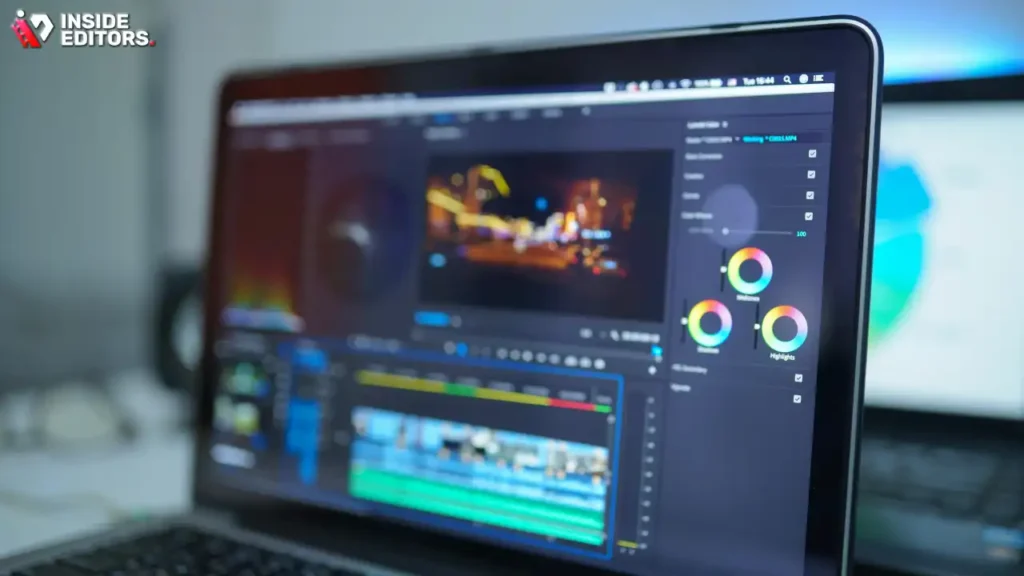
While many businesses excel at content strategy and filming, the post-production bottleneck often slows down the entire Corporate Video Production Process. The complexity of professional editing-managing timelines, ensuring color consistency, and integrating advanced graphics-requires specialized skill sets and dedicated time.
This is where outsourcing the editing phase becomes a strategic advantage. Consider the benefits of partnering with a dedicated service like Inside Editors for your video editing needs:
| Feature | Benefit to the Client |
| Expertise and Experience | A professional editing team with 10+ years experience ensures broadcast-quality results, building trust with your audience. |
| Fast Turnaround | Expedited delivery (24-72 hours) means your content stays timely and relevant, accelerating the entire production cycle. |
| Quality Assurance | Includes color grading and audio enhancement, guaranteeing a polished, consistent brand presentation. |
| Scalability | Affordable pricing starting at $29/video and unlimited revisions provide a scalable solution for growing content demands. |
By offloading the intensive editing work, businesses can save time and focus internal resources on generating compelling content and refining their marketing strategy. The professional quality delivered by expert editors ensures that every video maintains a consistent brand style, which is vital for building trust and authority.
Comparison: In-House vs. Outsourced Post-Production
Choosing the right model for managing the post-production stage is a pivotal decision in the Corporate Video Production Process. Both in-house teams and outsourced services offer distinct advantages and drawbacks.
| Aspect | In-House Post-Production | Outsourced Post-Production (e.g., Inside Editors) |
| Cost Structure | High fixed costs (salary, software licenses, equipment depreciation). | Variable costs (pay per project), affordable pricing starting at $29/video. |
| Speed & Turnaround | Limited by internal editor bandwidth and competing priorities. | Fast turnaround (24-72 hours) due to specialized focus and dedicated resources. |
| Expertise Range | Limited to the skills of the employed editor(s). | Access to a wide range of specialized professional editors (color, sound, motion graphics). |
| Scalability | Difficult and slow to scale up during peak demand. | Highly scalable; handles large volumes of content quickly and efficiently. |
| Quality Control | Dependent on internal QA procedures. | Guaranteed professional quality, often including unlimited revisions until satisfied. |
For organizations seeking consistent, professional quality, fast delivery, and a scalable solution for high-volume content, outsourcing to experts is often the most cost-effective and efficient path.
Future of Video Production
The landscape of corporate video is constantly evolving, driven by new technologies and changing audience habits. To maintain a high ROI, the Corporate Video Production Process must be agile and incorporate emerging trends.
Leveraging AI and Automation
Artificial intelligence is increasingly integrated into post-production, assisting with tasks like automated transcription, basic rough cuts, and even sophisticated color grading suggestions. While AI won’t replace human editors entirely, leveraging these tools can significantly speed up the initial stages of editing, making the overall process more efficient.
Focus on Authenticity and Short-Form Content
Audiences today prioritize authenticity over highly polished, overly corporate presentations. Videos that feature genuine employee testimonials, behind-the-scenes glimpses, and raw, honest communication tend to perform better. Furthermore, the dominance of platforms like TikTok and Instagram necessitates mastering short-form video production-content that delivers maximum impact in 60 seconds or less.
Accessibility and Global Reach
A truly smart Corporate Video Production Process includes accessibility features from the outset. This means ensuring accurate closed captions, detailed transcripts, and descriptive audio tracks where necessary. This not only complies with accessibility standards but also expands global reach and improves SEO performance.
“Accessibility is non-negotiable. If your corporate video isn’t captioned and transcribed, you are effectively excluding a significant portion of your potential audience and sacrificing valuable SEO opportunities.” – Digital Accessibility Advocate, Global Tech Firm
Conclusion: Mastering the Production Process
The journey from a blank page to a viral corporate video is complex, requiring strategic planning, technical precision, and creative execution. By breaking down the Corporate Video Production Process into four distinct phases-Strategy, Production, Post-Production, and Distribution-organizations can manage complexity, control costs, and ensure a high return on investment.
Remember that efficiency in this process often hinges on recognizing when to delegate specialized tasks. When it comes to the technical and time-intensive demands of post-production, partnering with a reliable service like Inside Editors provides the expertise, speed, and professional quality needed to elevate your content. Their professional editing team, fast turnaround, and commitment to quality assurance allow you to maintain focus on your core business goals while delivering consistent, high-impact video content that builds trust and drives results.
Frequently Asked Questions
What is the most critical phase?
The most critical phase is Pre-Production (Phase 1). Defining clear objectives, scoping the project, and finalizing the script in this stage prevents costly mistakes later. A solid plan ensures the entire Corporate Video Production Process stays on track and delivers the intended ROI.
How long does the process take?
The timeline varies significantly based on complexity. Simple videos might take 2-4 weeks, while complex projects can take months. Post-production is often the longest stage, but fast turnaround services can accelerate the Corporate Video Production Process significantly.
Why is video editing often outsourced?
Video editing is often outsourced because it requires specialized skills, expensive software, and significant time investment. Outsourcing to professional services ensures faster delivery, consistent quality, and scalability, optimizing the overall Corporate Video Production Process.
Should I use storyboards?
Yes, storyboards are highly recommended, especially for complex or high-budget projects. They provide a visual roadmap of the entire video, ensuring alignment between the creative team and the production crew before filming begins, saving time and resources.
What are key ROI metrics?
Key ROI metrics include engagement rates (watch time, completion rate), conversion metrics (lead generation, click-through rate), and overall reach. These metrics determine the success of the Corporate Video Production Process against the initial strategic objectives.


